
Are you tired of the same old boring border design? Look no further! Ornamental grasses are a game-changer when it comes to adding texture, movement, and visual interest to your garden. Not only do they thrive in challenging conditions like drought and poor soil, but they also require minimal maintenance. As a bonus, many ornamental grasses provide stunning displays of color throughout the seasons, making them perfect for year-round appeal.
In this ultimate guide, we’ll take you through the best types of ornamental grasses to use in your borders, including some of the most drought-tolerant options available. We’ll also share expert design tips on how to incorporate these beautiful plants into your garden, and provide essential care advice to keep them looking their absolute best all year round. Whether you’re a seasoned gardener or just starting out, this article will help you create a stunning display that will be the envy of the neighborhood!
Choosing the Right Ornamental Grasses
When selecting ornamental grasses for your borders, it’s essential to consider factors like climate, soil type, and maintenance needs to ensure a thriving display. This section will guide you through the key considerations.
Selecting Drought-Tolerant Options
When selecting ornamental grasses for borders, it’s essential to consider drought-tolerant options, especially if you live in an area with water restrictions. Ornamental grasses are often low-maintenance and can thrive with minimal watering, but some species require more care than others.
Blue Oat Grass (Helictotrichon sempervirens), Pampas Grass (Cortaderia selloana), and Little Bluestem (Schizachyrium scoparium) are popular drought-tolerant options for borders. These grasses have evolved to survive in areas with limited water availability, making them perfect for regions with strict watering regulations.
When choosing drought-tolerant ornamental grasses, look for species that have deep root systems and narrow blades, which allow them to conserve moisture. For example, Blue Oat Grass has a deep taproot that can access water deep within the soil, while Little Bluestem has narrow blades that minimize evapotranspiration.
To ensure your drought-tolerant ornamental grasses thrive in water-restricted areas, water them sparingly during their first growing season to establish a strong root system. After that, they should be able to survive with minimal watering. Regular mulching and good air circulation will also help to conserve moisture and reduce the risk of disease.
Considerations for Shade-Tolerant Options
When it comes to ornamental grasses that can thrive in shaded areas, there are several options to consider. Japanese Blood Grass (Imperata koidzumiana) is a popular choice for its vibrant red foliage, but be aware that it may require more frequent watering and maintenance than other species.
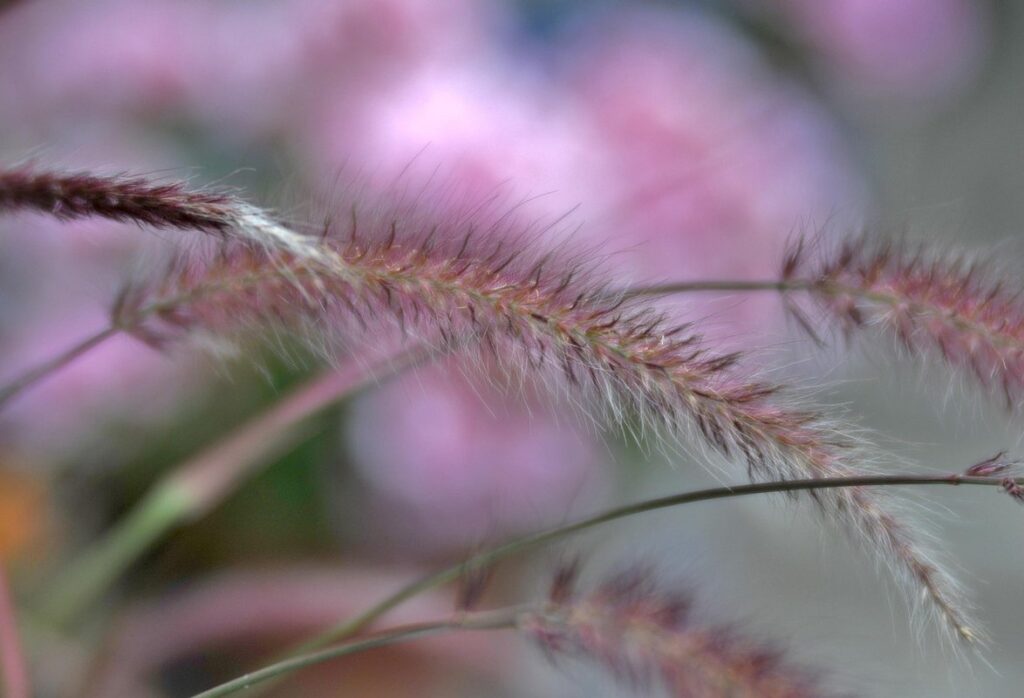
Fountain Grass (Pennisetum setaceum), on the other hand, can tolerate partial shade and produces beautiful plumes in shades of pink and purple. However, it’s essential to note that it can become invasive in some regions, so be sure to check with your local authorities before planting.
Another option is Blue Fescue (Festuca glauca), which offers a stunning blue-gray foliage color and can thrive in areas with as little as 4-6 hours of direct sunlight. To ensure success with shade-tolerant ornamental grasses, make sure to choose species that are specifically bred for low-light conditions.
When planting in shaded areas, also consider factors like soil quality and moisture levels. Mulching around the base of the plants can help retain moisture and suppress weeds, reducing maintenance needs over time.
Designing with Ornamental Grasses
When incorporating ornamental grasses into your border design, it’s essential to consider their texture, color, and height to create a visually appealing and balanced look. Let’s dive into some expert tips for designing with these beautiful plants.
Creating a Focal Point with Ornamental Grasses
When it comes to creating a visually striking border design with ornamental grasses, one of the key elements to consider is incorporating a focal point. A well-placed ornamental grass can anchor the entire space and draw the eye, creating a sense of drama and interest.
To create a focal point with ornamental grasses, start by grouping plants together in a bold and statement-making way. This could be achieved by using a single variety in a large clump or by combining different species to create a dynamic contrast of texture and color. Consider pairing tall, stately varieties like pampas grass (Cortaderia selloana) with shorter, more compact species like little bluestem (Andropogon scoparius).
To add movement and energy to your border design, incorporate ornamental grasses with different growth habits and flowering times. For example, plant a spring-blooming variety like blue oat grass (Helictotrichon sempervirens) alongside a summer-flowering species like fountain grass (Pennisetum setaceum). This will create a dynamic display of color and texture that changes throughout the growing season.
By thoughtfully incorporating ornamental grasses as focal points in your border design, you can add depth, interest, and visual appeal to your garden. Don’t be afraid to experiment with different combinations and arrangements – with a little creativity, you’ll be amazed at what you can achieve!
Mass Planting for a Dramatic Effect
Mass planting with ornamental grasses is a technique that can add drama and interest to borders. By grouping multiple plants together, you create a sea of texture and color that draws the eye through the landscape. This effect works particularly well with tall, statement pieces like pampas grass or feather reed grass.
To achieve this look, choose 3-5 varieties of ornamental grasses in different heights and colors to plant close together. Leave enough space between each group for them to grow outwards, but not so much that they appear sparse. For example, you could combine bright pink pampas grass with blue-green fountain grass and yellow-tipped miscanthus. This mix creates a vibrant display of color and texture.
Mass planting also attracts pollinators like bees and butterflies, who are drawn to the abundance of nectar-rich flowers on ornamental grasses. By incorporating these plants into your border, you can create a haven for local wildlife while adding visual interest to your garden.
Care and Maintenance Tips
To keep your ornamental grasses thriving, proper care and maintenance is crucial. This section will cover essential tips for ensuring your borders look their best throughout the growing season.
Watering Strategies for Ornamental Grasses
When it comes to watering ornamental grasses, it’s essential to strike the right balance. Overwatering can lead to root rot and other problems, while underwatering can cause stress and reduce their beauty. As a general rule, water your ornamental grasses when the top 1-2 inches of soil feels dry to the touch.
During the growing season (spring-fall), aim to water them deeply once or twice a week, depending on weather conditions. For example, if you’re experiencing drought-like conditions, increase the frequency of watering. Conversely, if it’s been raining consistently, reduce the amount of water given.
In winter, when ornamental grasses are dormant, stop watering altogether. This will help prevent moisture from accumulating in the soil and causing damage to the plant. It’s also a good idea to mulch around the base of the plants to retain moisture and regulate soil temperature. By adopting this approach, you’ll be able to enjoy your beautiful borders throughout the year, without worrying about the health of your ornamental grasses.
Fertilization and Pruning Techniques
Fertilizing ornamental grasses is essential to promote healthy growth and prevent nutrient deficiencies. Typically, feed your grasses with a balanced fertilizer (10-10-10 NPK) during the growing season, which usually occurs from spring to late summer. However, some varieties may require more specific fertilizers based on their needs.
Pruning dead or damaged foliage is crucial for maintaining the aesthetic appeal of your ornamental grasses. Remove any dead or dying leaves, stems, or flowers as soon as you notice them. Cut back tall stems to about 6-8 inches from the ground in late winter or early spring before new growth begins. To rejuvenate overgrown plants, divide and replant every 3-4 years.
When dividing, dig up the entire root system and separate the roots carefully using a sharp knife or pruning saw. Replant the divided sections immediately, making sure to water them thoroughly after planting. Be cautious not to damage the crown (where the leaves meet the stems) during division.
Problem-Solving with Ornamental Grasses
When a problem arises with your ornamental grass border, such as overgrowth or pest infestation, knowing how to address it can be a challenge. We’ll explore common problems and their solutions in this section.
Dealing with Pests and Diseases
Dealing with pests and diseases is an unfortunate reality when growing ornamental grasses for borders. Some common culprits include aphids, spider mites, and mealybugs, which can weaken plants and even cause them to die off. Fungal diseases like rust and powdery mildew can also be problematic, particularly in areas with high humidity.
Prevention is key when it comes to managing pests and diseases. Use physical barriers or fine mesh to keep insects out, and ensure good air circulation around your grasses. Regularly inspect your plants for signs of infestation or disease, and take action quickly if you spot any problems.
For natural deterrents, consider using neem oil or insecticidal soap to control pests without harming the environment. Integrated pest management (IPM) techniques involve combining different methods to achieve the best results – this might include introducing beneficial insects like ladybugs or lacewings to prey on pests. For fungal diseases, try using a fungicide specifically designed for ornamental grasses.
Keep in mind that certain pests and diseases are more common in specific regions or microclimates. Research local conditions and take steps to tailor your prevention and treatment strategies accordingly.
Managing Overgrowth and Rot
Managing overgrowth and rot is crucial to maintaining the health and appearance of ornamental grasses in borders. As these plants grow, they can become unruly and prone to decay if not properly managed.
To control growth habits, consider dividing mature clumps every 3-4 years. This will prevent overcrowding, promote air circulation, and encourage new growth. Use a sharp knife or pruning saw to separate the roots, taking care to handle the plant gently to avoid damaging its delicate structure.
Preventing root rot is equally important. Ensure your ornamental grasses are planted in well-draining soil and avoid overwatering, which can lead to waterlogged roots and subsequent decay. Mulch around the base of the plants to retain moisture and suppress weeds, but keep the mulch layer thin to prevent it from suffocating the roots.
Regularly inspect your grasses for signs of rot or disease, such as yellowing leaves, soft spots, or blackened stems. Remove any affected areas promptly to prevent the spread of infection and promote healthy growth. By implementing these strategies, you can enjoy vibrant, thriving ornamental grasses in your borders for years to come.
Seasonal Interest with Ornamental Grasses
When used thoughtfully, ornamental grasses can add a dynamic seasonal interest to your borders that changes throughout the year, creating visual drama and appeal.
Winter Interest: Structure and Texture
During winter, when many ornamental grasses have lost their foliage or are dormant, they can still provide striking structural interest to borders. In fact, some species even become more dramatic and architectural during this time. For example, the dramatic plumes of pampas grass (Cortaderia selloana) or the towering spikes of maiden’s blush (Miscanthus sinensis) can add a sense of height and drama to the winter landscape.
To enhance structure and texture in borders, consider pairing ornamental grasses with other plants that provide contrasting foliage shapes and sizes. For instance, pair a large, feathery grass like Fountain Grass (Pennisetum setaceum) with a compact, evergreen shrub or groundcover to create visual interest. You can also use ornamental grasses as a focal point in the border, grouping them together to create a striking vignette.
Some species, such as Blue Oat Grass (Helictotrichon sempervirens) and Little Bluestem (Andropogon scoparius), offer year-round interest due to their evergreen foliage or interesting seed heads.
Spring, Summer, and Fall Displays
As the seasons change, ornamental grasses bring unique and dynamic elements to your borders. In spring, ornamental grasses like Pampas Grass (Cortaderia selloana) and Fountain Grass (Pennisetum setaceum) burst forth with vibrant green growth and fluffy white or pink plumes. These early bloomers provide a striking contrast to the dormant winter landscape.
Summer brings warmer weather and longer days, ideal for ornamental grasses like Blue Oat Grass (Helictotrichon sempervirens) and Little Bunny Fountain Grass (Pennisetum alopecuroides). Their foliage deepens in color, while their flowering plumes reach new heights. To create a visually appealing display, plant multiple species together to enjoy the varying textures and growth habits.
Fall is often the most dramatic season for ornamental grasses, with many species putting on a show of fiery reds, oranges, and yellows before going dormant. Popular options include Autumn Moor Grass (Deschampsia cespitosa) and Blue Fescue (Festuca glauca). To make the most of this display, plant ornamental grasses in well-draining soil and full sun to maximize their fall color.
Sustainable Gardening with Ornamental Grasses
When it comes to sustainable gardening, ornamental grasses are an excellent choice for borders because they’re low-maintenance and require minimal watering. In this section, we’ll explore their eco-friendly benefits in more detail.
Environmental Benefits of Ornamental Grasses
When it comes to choosing plants for your garden border, ornamental grasses are an excellent option not only for their aesthetic appeal but also for their numerous environmental benefits. By incorporating these low-maintenance wonders into your landscape design, you can create a haven that supports local wildlife and pollinators while reducing the need for maintenance.
One of the most significant advantages of ornamental grasses is their ability to attract pollinators such as bees, butterflies, and hummingbirds. Many species of ornamental grasses produce nectar-rich flowers or seed heads that provide a vital food source for these valuable insects. For instance, the popular pampas grass (Cortaderia selloana) produces showy white plumes that are particularly attractive to pollinators.
Ornamental grasses also offer habitat and shelter for various forms of wildlife, including birds, small mammals, and even reptiles. Their tall stalks provide a natural hiding place from predators, while their seed heads offer food for overwintering birds. By incorporating ornamental grasses into your garden design, you can create a welcoming environment that supports biodiversity.
To make the most of these benefits, be sure to choose native or locally adapted species that are well-suited to your region’s climate and soil conditions. This will not only ensure their success but also maximize their impact on local ecosystems.
Climate-Resilient Design Strategies
When designing a border with ornamental grasses, it’s essential to consider climate-resilient strategies to ensure your garden remains healthy and thriving despite the challenges of an unpredictable environment. To achieve this, select species that are adapted to specific climates. For example, Blue Oat Grass (Helictotrichon sempervirens) is perfect for hot, dry regions as it can tolerate extreme temperatures and drought conditions. On the other hand, Japanese Bloodgrass (Imperata kumasaca) excels in humid environments, requiring minimal maintenance.
To create a resilient garden design, consider incorporating native species that have co-evolved with local climates. This not only reduces watering needs but also minimizes soil erosion and nutrient depletion. A balanced mix of plants can also help mitigate extreme weather events such as heavy rainfall or intense heatwaves. To further enhance climate resilience:
* Plant ornamental grasses in groups, allowing them to form a natural canopy for mutual support.
* Incorporate companion plants with complementary growth habits to reduce competition for resources.
* Mulch around the base of your ornamental grasses to retain moisture and regulate soil temperature.
By implementing these strategies, you’ll create a climate-resilient garden border that not only looks stunning but also withstands the test of time.
Frequently Asked Questions
Can I use ornamental grasses in containers?
Ornamental grasses can thrive in containers, providing a beautiful display of texture and movement on patios or balconies. When selecting a container, choose one with good drainage to prevent waterlogged soil. Use a well-draining potting mix and fertilize regularly for optimal growth.
How do I prune ornamental grasses during winter?
Yes. Pruning ornamental grasses in winter helps maintain their shape and promotes new growth in the spring. Cut back dead foliage to about 3-4 inches from the ground, removing any weak or damaged stems. This will also help prevent rot and diseases that can overwinter.
Can I mix ornamental grasses with other plants?
Absolutely! Ornamental grasses pair well with a variety of plants, including perennials, shrubs, and even annuals. Consider combining them with plants that provide contrast in texture, color, or height to create visually interesting combinations.
How do I prevent ornamental grasses from becoming too dense?
No, you don’t have to worry about ornamental grasses becoming too dense if you choose the right varieties and plant them at the correct spacing. Select species that naturally grow upright or have a loose, airy habit, such as fountain grass (Pennisetum setaceum) or blue oat grass (Helictotrichon sempervirens).
Can I use ornamental grasses in areas with poor soil?
Yes. Ornamental grasses are known for their ability to tolerate challenging conditions like drought and poor soil. However, they still require some care. Use a balanced fertilizer during the growing season to provide essential nutrients, and mulch around the base to retain moisture and suppress weeds.