
Are you tired of spending hours tending to your garden, only to have it look parched and wilted come summer? Or perhaps you’re struggling to keep your shade-loving plants thriving in areas with limited sunlight. You’re not alone! Many of us are looking for ways to create a beautiful outdoor space without sacrificing our precious free time.
The good news is that modern low maintenance garden plants are on the rise, offering the perfect solution for busy homeowners and green-thumbed novices alike. From drought-tolerant options like succulents and cacti to shade-loving plants that can thrive in even the darkest corners of your yard, we’ve got you covered. In this comprehensive guide, we’ll explore the best modern low maintenance garden plants, including evergreen varieties and more, to help you create an effortless green oasis that requires minimal upkeep.
Choosing the Right Plants for a Low-Maintenance Garden
When selecting plants for your low-maintenance garden, it’s essential to consider their specific needs and adaptability to ensure they thrive with minimal upkeep. This section will guide you in making informed choices.
Drought-Tolerant Plants for Minimal Watering
When it comes to creating a low-maintenance garden, choosing plants that can thrive in dry conditions is essential. Succulents and cacti are popular options for their ability to store water in their leaves and stems, reducing the need for frequent watering. For example, the Aloe Vera plant can survive with minimal watering and even has healing properties.
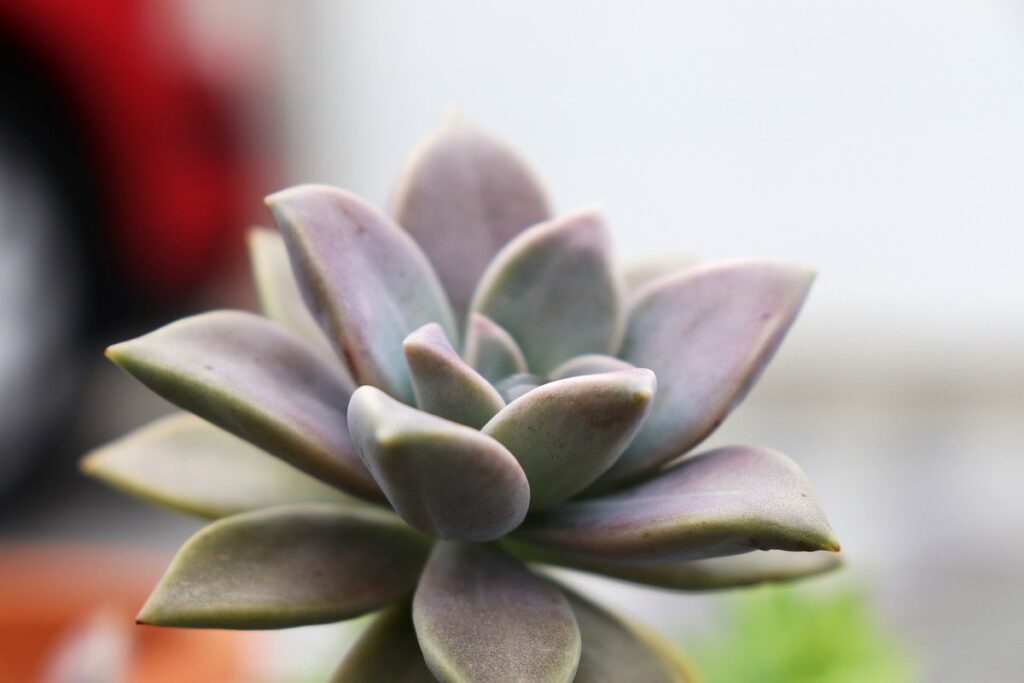
Desert plants like Agave and Echeveria are also great additions to a drought-tolerant garden. These plants have adapted to survive in arid environments and require infrequent watering. To care for these plants, water them sparingly during the summer months when they’re actively growing, but avoid overwatering.
Some other key considerations for drought-tolerant plants include choosing varieties with small root systems and selecting plants that can thrive in full sun. By incorporating these plants into your garden design, you’ll enjoy effortless greenery without breaking a sweat. With proper care, your succulents and cacti will not only survive but also thrive in dry conditions, bringing beauty and vibrancy to your outdoor space.
Shade-Loving Plants for Sun-Drenched Areas
While full sun can be a challenge for plants, there are many species that thrive in these conditions. For areas with intense sunlight, consider incorporating shade-loving plants into your low-maintenance garden design. These adaptable plants not only tolerate but often require direct sunlight to perform optimally.
Some popular options include succulents like Aloe vera and Agave, which store water in their leaves and can survive extended periods without irrigation. Echeveria and Crassula are also excellent choices for sun-drenched areas, with vibrant colors that add visual interest to the garden.
When selecting plants for full sun conditions, be sure to choose varieties with thick, waxy leaves or stems that can withstand heat stress. These traits enable plants like Lantana and Verbena to bloom profusely in sunny spots. With proper care and maintenance, these shade-loving plants can add a touch of effortless elegance to your modern low-maintenance garden.
To incorporate these plants into your design, consider grouping them together to create a visually appealing vignette. This not only adds texture and color but also helps retain moisture in the soil, reducing watering needs even further.
Evergreen Plants for Year-Round Color and Texture
When it comes to creating a stunning and low-maintenance garden that offers year-round color and texture, incorporating evergreen plants is a great starting point. These hardy plants not only thrive in various climates but also provide visual interest throughout the seasons.
Some of the best evergreen options for adding depth and character to your garden include Boxwood, Holly, and Arborvitae. These plants are extremely versatile and can be pruned to fit any shape or size you desire. In colder climates, consider using Dwarf varieties like ‘Winter Gem’ Boxwood, which retains its bright green color even in temperatures as low as 0°F (-18°C). For a pop of color, try incorporating Evergreen Shrubs with berries like Winterberry (Ilex verticillata) or Blue Holly (Ilex glabra). These plants not only offer stunning blooms but also provide important food sources for local wildlife.
When selecting evergreen plants for your garden, remember to choose ones that fit your specific climate and soil type. With the right combination of evergreen plants, you can create a beautiful and thriving garden that requires minimal upkeep all year round.
Designing a Low-Maintenance Garden
When designing a low-maintenance garden, it’s essential to choose plants that thrive with minimal care and attention, allowing you to enjoy effortless greenery in your outdoor space.
Space-Saving Planters and Containers
When it comes to creating a low-maintenance garden, space-saving planters and containers can be a game-changer. By choosing the right materials and designs, you can maximize your outdoor space while minimizing upkeep.
Consider using vertical planters that can be attached to walls or fences, such as trellises or tiered plant stands. These not only save floor space but also allow for multiple plants to grow in a small area. For example, a compact trellis with built-in planters can support 5-7 vines, providing a lush display of greenery without overwhelming you with maintenance tasks.
Another option is to use hanging baskets or macramé plant holders that can be suspended from ceilings or hooks. These free up floor space and allow for air circulation around the plants, reducing the risk of overwatering and pests. Plus, they add a decorative touch to your garden’s aesthetic. To make the most of these space-saving containers, remember to choose compact, low-maintenance plant varieties that thrive in small spaces.
Grouping Plants for Visual Interest and Effortless Care
When designing a low-maintenance garden, grouping plants is an excellent strategy to create visually appealing arrangements while reducing individual attention. By combining plants with similar growing requirements and textures, you can achieve a cohesive look without overthinking the care of each plant.
Start by identifying plants that thrive in similar conditions, such as full sun or partial shade, and group them together accordingly. For example, pair drought-tolerant succulents with cacti to create a visually striking arrangement that requires minimal watering. Consider combining flowering plants like lavender or rosemary with foliage plants like boxwood or hostas for added texture and visual interest.
When grouping plants, remember to leave enough space between them to allow for proper air circulation and growth. A general rule of thumb is to group plants in clusters of 3-5, allowing each plant to receive adequate sunlight and water without competing with its neighbors. By implementing this simple strategy, you’ll create a harmonious and effortless garden that requires minimal maintenance.
Soil and Fertilization Tips
When it comes to growing low maintenance plants, understanding how to prepare their soil is crucial for optimal growth. Let’s dive into some essential tips on soil and fertilization techniques.
Understanding Your Garden’s Soil Type
Understanding your garden’s soil type is crucial to creating an effortless green space. It may seem like a straightforward task, but it can be overwhelming for beginners. Start by identifying the dominant soil type in your yard, which can be clay, silt, sand, or a combination of these. You can do this by digging a small hole and observing the texture of the soil as you scoop it out.
For example, if your soil feels sticky when wet and crumbles easily when dry, it’s likely clay-based. On the other hand, if it falls apart quickly when touched, it’s sand-based. Once you’ve identified your soil type, research which low-maintenance plants thrive in that environment. Some plants, like succulents, can tolerate poor soil quality, while others require well-draining soil to prevent waterlogged roots.
To make informed decisions about fertilization and amendments, consider the pH level of your soil as well. Most plants prefer a slightly acidic to neutral pH (around 6.0-7.0). Use a DIY kit or send a sample to a lab for testing. This will give you a baseline understanding of your soil’s needs and help you select the right fertilizers and amendments to create an optimal growing environment for your modern low-maintenance garden plants.
Organic Fertilizers for a Healthy Ecosystem
When it comes to maintaining a low-maintenance garden, using organic fertilizers is a crucial step towards creating a balanced ecosystem. These natural substances promote healthy soil biota, which in turn supports the growth of your plants without degrading the environment.
Organic fertilizers are derived from natural sources such as compost, manure, and green waste. They release nutrients slowly, allowing microorganisms to break them down, rather than burning them with synthetic chemicals. This approach encourages beneficial microbes to thrive, creating a symbiotic relationship between soil and plant.
To incorporate organic fertilizers into your low-maintenance garden, start by incorporating 2-3 inches of compost into the top layer of soil. You can also use liquid fish emulsion or worm casting as an alternative. For added convenience, consider setting up a worm composter to create nutrient-rich fertilizer on-site.
Pest Control and Disease Prevention
When it comes to low maintenance gardening, tackling pests and diseases is just as important as choosing the right plants. Let’s explore how to prevent common issues from ruining your beautiful blooms.
Natural Methods for Repelling Pests
When it comes to maintaining a low-maintenance garden, it’s essential to consider natural methods for repelling pests. Not only are these techniques gentle on the environment, but they’re also cost-effective and easy to implement.
Companion planting is one effective way to keep pests at bay. For instance, basil and mint are known to repel aphids and whiteflies, making them perfect companions for plants like tomatoes and peppers. Planting marigolds alongside vegetables like carrots and potatoes can deter nematodes and other pests. The key is to research which plants complement each other in terms of growth habits and pest-repelling properties.
You can also create your own homemade repellents using natural ingredients like neem oil, garlic, and hot peppers. Mix a few drops of neem oil with water and spray it on affected plants to repel pests like spider mites and mealybugs. Similarly, crush some garlic cloves and mix them with water to create a potent repellent for aphids and other soft-bodied insects. By incorporating these natural methods into your garden routine, you’ll not only reduce the risk of pest infestations but also promote healthy plant growth without harming the environment.
Early Detection and Prevention Strategies
As a responsible gardener, it’s essential to stay on top of common diseases that can affect low-maintenance plants. Early detection and prevention strategies are crucial in maintaining the health and well-being of your garden. Some common diseases that affect low-maintenance plants include root rot, leaf spot, and powdery mildew.
To detect these issues early, regularly inspect your plants for signs of disease such as yellowing leaves, black spots, or a white powdery coating on leaves. Monitor the weather and adjust watering schedules accordingly to prevent overwatering, which is often a contributing factor to root rot and other diseases.
Prevention is key! Implement a regular fertilization schedule using balanced, water-soluble fertilizers to promote healthy plant growth. Remove any infected plants or debris from your garden to prevent disease spread. Keep an eye out for pests that can transmit diseases, such as aphids and whiteflies. By following these simple steps, you’ll be well-equipped to identify and address common diseases before they take hold in your low-maintenance garden.
Seasonal Maintenance: What You Need to Know
To keep your low maintenance garden thriving, you’ll want to familiarize yourself with seasonal tasks that ensure optimal growth and health. This includes pruning, fertilizing, and protecting plants from extreme weather conditions.
Spring Cleanup and Pruning
As spring arrives, it’s time to give your low-maintenance garden plants some TLC. Spring cleanup and pruning are essential tasks that will help your plants thrive and prepare for new growth. Start by removing dead leaves, twigs, and debris from around the plants, as this can harbor diseases and pests.
Pruning is also crucial during spring, as it encourages bushy growth and prevents over-vigoration. Use sharp, clean pruning tools to cut back leggy stems, remove deadwood, and shape your plants according to their natural form. For example, if you have a hydrangea with leggy stems, prune them back by about one-third to encourage new growth.
Remember to prune at the right time for your plant type: late winter or early spring for deciduous shrubs and summer-flowering perennials, and immediately after blooming for spring-flowering bulbs. By doing so, you’ll ensure your plants get the necessary nutrients and light they need to flourish throughout the growing season.
Summer Care Tips for a Thriving Garden
Summer is here, and with it comes scorching heat and dry spells that can be challenging for even the hardiest of plants. As a modern low-maintenance gardener, you want to ensure your garden stays thriving without breaking a sweat (or adding too much extra work). Let’s dive into some essential summer care tips to keep your garden in top shape.
First and foremost, watering is crucial during the hot summer months. However, overwatering can be just as detrimental as underwatering. To avoid this, establish a smart watering schedule based on weather forecasts and soil moisture levels. For example, water your plants deeply but infrequently to encourage deep root growth, rather than shallowly but frequently.
Fertilization is also vital during summer, but it’s essential to choose the right type of fertilizer for your plants. Consider using balanced, water-soluble fertilizers that provide a steady supply of nutrients without burning your plants’ roots. A general rule of thumb is to fertilize your plants once a month during peak growth periods (June-August). Be sure to follow the manufacturer’s instructions and take any necessary precautions to avoid over-fertilizing.
Conclusion and Next Steps
Now that you’ve discovered the perfect low-maintenance plants for your garden, let’s talk next steps to bring your new greenery to life.
Recap of Key Takeaways
As we conclude our journey through the world of modern low-maintenance garden plants, it’s essential to recap the key takeaways that will help you create an effortless green oasis. By now, you should have a solid understanding of the characteristics and benefits of these incredible plants.
First and foremost, remember that low-maintenance doesn’t mean no maintenance at all. Regular watering, pruning, and fertilization are still necessary for your garden’s health, but with modern low-maintenance plants, you’ll need to do less of it. This means saving time, reducing stress, and enjoying the beauty of nature without the hassle.
When choosing plants for your garden, focus on those that thrive in conditions similar to yours – whether it’s a sunny spot or partial shade, dry soil or regular watering. Plants like succulents, sedum, and creeping thyme are perfect for busy gardeners who want to create a stunning display with minimal upkeep. Remember to select plants with robust root systems that can tolerate neglect and require less frequent watering.
To make the most of your low-maintenance garden, consider incorporating native plants, which have adapted to local climate conditions over time. These plants typically require less water, fertilizers, and pest control, making them an excellent choice for eco-friendly gardening. Don’t forget to mulch and compost regularly to retain moisture, suppress weeds, and add nutrients to the soil.
Lastly, don’t be afraid to experiment and get creative with your garden design. Mix-and-match different textures, colors, and shapes to create a visually appealing space that reflects your personal style. With these key takeaways in mind, you’ll be well on your way to creating a stunning, low-maintenance garden that brings joy and serenity to your life – without breaking the bank or sacrificing precious time.
Frequently Asked Questions
What if I already have a garden with plants that aren’t drought-tolerant? Can I still transition to low-maintenance gardening?
Yes, it’s possible to gradually replace your existing plants with more water-efficient options over time. Start by introducing drought-tolerant plants in areas where they’ll thrive, and gradually phase out less resilient varieties as needed.
How do I choose the best soil for my low-maintenance garden? Should I use organic or synthetic fertilizers?
When selecting a soil mix, look for products labeled as “low-nutrient release” or “slow-release.” These formulas provide consistent nutrition without overfeeding your plants. As for fertilizers, opt for natural and organic options to promote a healthy ecosystem.
Can low-maintenance gardening work in small spaces like balconies or rooftops?
Absolutely! Many low-maintenance plants can thrive in compact spaces, such as hanging baskets or self-watering planters. Consider using vertical garden systems or tiered planters to maximize space while minimizing upkeep.
How often should I water my low-maintenance plants during extreme weather conditions?
During periods of intense heat or drought, reduce watering frequencies by half and monitor your plants’ responses. Water only when the soil feels dry to the touch, but avoid overwatering, which can be detrimental even for drought-tolerant varieties.
Can I mix different types of low-maintenance plants together in a single garden bed?
Yes, grouping various plants with complementary growing conditions can create visual interest and require less maintenance overall. However, ensure that each plant has enough space to receive proper sunlight and air circulation to prevent overcrowding issues.