
Are you considering a low-maintenance, drought-tolerant lawn alternative? You’re not alone. Creeping thyme lawns have gained popularity in recent years, but they may not be the best fit for everyone’s lifestyle or climate. In this article, we’ll explore the benefits and drawbacks of creeping thyme lawns, so you can make an informed decision about whether it’s right for your outdoor space. We’ll also dive into alternative options like low-growing grasses, succulent lawns, and clover lawns that offer similar advantages with fewer challenges. From design and installation to maintenance and upkeep, we’ll cover everything you need to know to create a beautiful and functional lawn that suits your needs and style. Whether you’re a seasoned gardener or a busy homeowner, this article will provide expert tips and guidance to help you choose the perfect lawn alternative for your home.
What is Creeping Thyme?
Creeping thyme, also known as Thymus serpyllum, is a low-growing herb that’s often mistaken for a grass due to its ability to form a lush, dense carpet.
Characteristics of Creeping Thyme
Creeping thyme is prized for its distinct characteristics that set it apart from other groundcovers and lawn alternatives. One of its most notable features is its ability to form a dense, mat-like growth habit that suppresses weeds and requires minimal maintenance. This makes it an attractive option for homeowners who want a low-fuss alternative to traditional lawns.
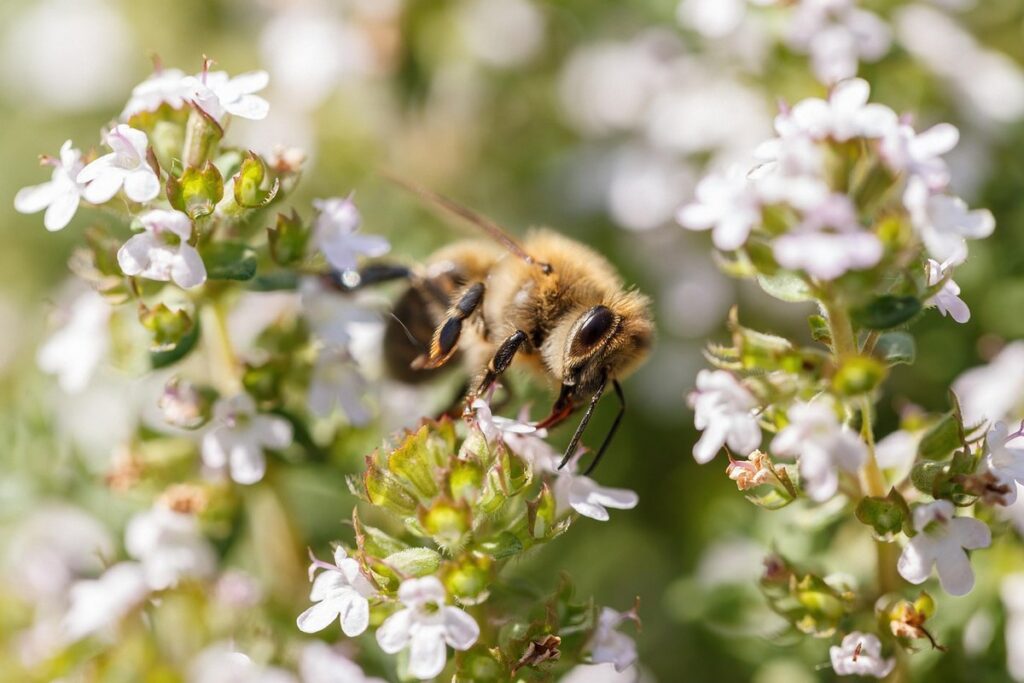
Creeping thyme’s leaves are tiny, aromatic, and typically gray-green in color. They produce delicate white or pink flowers in the summer months, which attract pollinators and add visual interest to the landscape. The plant is also highly adaptable, thriving in poor soil and tolerating foot traffic, making it an excellent choice for high-traffic areas.
In addition to its practical benefits, creeping thyme has a charming, old-world charm that can add a touch of elegance to even the most mundane spaces. It’s no wonder why so many gardeners are turning to this versatile groundcover as a lawn alternative – not only is it beautiful, but it’s also incredibly easy to care for. With proper planting and maintenance, creeping thyme can form a lush, verdant carpet that brings joy and beauty to any outdoor space.
History of Creeping Thyme Use
Creeping thyme has been used as an alternative lawn solution for centuries, with various cultures and regions incorporating it into their landscaping. In ancient Greece and Rome, creeping thyme was used to create fragrant paths and walkways, where the herb’s tiny leaves would release a soothing aroma when walked upon. The practice of using creeping thyme as a ground cover also dates back to medieval Europe, where it was valued for its ability to suppress weeds and improve soil quality.
In modern times, creeping thyme has gained popularity in regions with Mediterranean climates, such as California and the Mediterranean region itself, due to its drought tolerance and low maintenance requirements. It’s also been adopted by gardeners in cooler climates, who appreciate its ability to withstand foot traffic and cold temperatures. As an alternative lawn solution, creeping thyme offers a unique combination of beauty, functionality, and sustainability – making it an attractive option for those seeking to reduce their environmental footprint while still having a lush, green space.
Disadvantages of Creeping Thyme Lawns
While creeping thyme lawns have their perks, they’re not perfect and come with some downsides that you should consider before deciding if it’s right for your yard. Let’s take a closer look at these disadvantages.
Maintenance Requirements
While creeping thyme lawns have gained popularity for their drought-tolerant and low-maintenance reputation, they still require regular upkeep to maintain their appearance. One of the significant downsides is the need for consistent watering, especially during hot summer months. Creeping thyme lawns require about 1-2 inches of water per week, either from rainfall or irrigation systems. This can be a concern in areas with low rainfall or water restrictions.
In addition to watering, creeping thyme also needs regular pruning to maintain its shape and promote new growth. This should be done at least twice a year, once in the spring and again in the fall. Failure to prune regularly can lead to an overgrown lawn that becomes difficult to manage. To keep your creeping thyme lawn looking its best, it’s essential to develop a routine maintenance schedule that includes regular watering and pruning. By doing so, you’ll be able to enjoy the benefits of this low-growing groundcover without the hassle of frequent upkeep.
In terms of frequency, it’s recommended to water your creeping thyme lawn every 7-10 days during periods of drought or high temperatures. This will help prevent root burn and promote healthy growth. When pruning, use a string trimmer or hedge clippers to maintain a neat and tidy appearance.
Pests and Diseases
Creeping thyme lawns are not immune to pests and diseases that can cause significant damage. Some common issues you may encounter include spider mites, mealybugs, and caterpillars. These tiny insects can multiply quickly and suck the sap from your creeping thyme plants, leading to yellowing or browning leaves.
Diseases such as powdery mildew, root rot, and leaf spot are also prevalent. Powdery mildew appears as a white, powdery coating on the leaves, while root rot causes the stems to turn soft and mushy. Leaf spot looks like small, circular patches with dark centers on the leaves.
To manage pests, start by inspecting your plants regularly for signs of infestation. Use neem oil or insecticidal soap to control spider mites and mealybugs. Hand-picking caterpillars can also be effective.
For diseases, make sure your creeping thyme lawn has good air circulation, which helps prevent powdery mildew. Water carefully to avoid overwatering, as this can lead to root rot. Fungicides like copper-based products or baking soda can help control leaf spot.
Limited Growth Areas
If you live in areas with poor soil quality or insufficient sunlight, creeping thyme may not be the best choice for a lawn alternative. In regions with heavy clay soils or high levels of salt, creeping thyme’s growth can be stunted. For instance, if your yard has consistently high pH levels, it may be challenging to create an environment conducive to creeping thyme’s growth.
Similarly, lawns that receive partial shade throughout the day may not provide sufficient sunlight for creeping thyme to thrive. While some species of creeping thyme can tolerate shade, they still require at least four hours of direct sunlight per day. If your yard receives less than this amount of sunlight, it may be more challenging to establish a lush and healthy creeping thyme lawn.
Before giving up on creeping thyme entirely, consider consulting with local nurseries or gardening experts for advice on improving the soil quality or selecting a more shade-tolerant species. However, if you’re looking for a low-maintenance alternative that can thrive in less-than-ideal conditions, it’s essential to explore other options.
Creeping Thyme Lawn Alternative Options
If you’re considering a creeping thyme lawn alternative, you’ll want to explore other low-maintenance groundcovers that thrive in similar conditions. Here are some options worth considering for your space.
Low-Growing Grass Alternatives
If you’re looking for low-growing grass alternatives to creeping thyme, there are several options worth considering. Buffalo grass and blue grama grass are two popular choices that can thrive in similar conditions.
Buffalo grass is a native North American species that’s well-suited for warm climates. It has a fine texture and grows slowly, making it an excellent choice for areas with limited watering. In fact, buffalo grass requires less water than many other types of turf, making it a great option for drought-prone regions.
Blue grama grass is another low-maintenance option that’s native to the Great Plains region. It has a bluish-green hue and grows relatively slowly, producing vibrant blooms in the summer months. Like buffalo grass, blue grama is highly adaptable and can thrive in poor soil conditions, making it an excellent choice for areas with challenging terrain.
Both buffalo and blue grama grass require minimal upkeep and are resistant to pests and diseases, making them a great alternative to creeping thyme for those looking for low-maintenance options.
Succulent Lawns
A succulent lawn is an attractive option for homeowners living in hot and dry climates, as it requires minimal maintenance while still providing a lush, green appearance. This type of lawn thrives in full sun and can tolerate drought conditions with ease, making it perfect for areas where water conservation is a priority.
When designing a succulent lawn, consider the specific climate and soil conditions in your area. Choose a mix of succulents that are well-suited to these conditions, such as sedum, echeveria, or delosperma. These plants come in a variety of colors, shapes, and sizes, allowing you to create a unique look for your lawn.
To install a succulent lawn, start by preparing the soil with a layer of compost or topsoil. Plant the succulents at a density similar to that of traditional grass, but allow for more space between each plant to accommodate their spreading growth. Water thoroughly after planting and provide occasional watering during its first year of growth.
As an added benefit, succulent lawns can help reduce erosion on slopes and prevent weed growth by suppressing weeds with their dense foliage.
Clover Lawns
If you’re looking for an alternative to creeping thyme lawns, consider the many benefits of clover lawns. One of the most significant advantages is nitrogen fixation – clover has the ability to convert atmospheric nitrogen into a form that’s usable by plants, reducing the need for synthetic fertilizers. This not only saves you money but also promotes healthier soil and air quality.
Clover lawns are also incredibly drought-tolerant, making them an excellent choice for water-conscious homeowners. A single clover plant can produce up to 20% of its own weight in nitrogen each year, which is then shared with surrounding plants through a process called symbiotic nitrogen fixation. This natural process reduces soil erosion and increases the overall fertility of your lawn.
To incorporate clover into your lawn, start by mixing it with your existing grass or seeding it directly onto bare soil. Clover is relatively low-maintenance and requires less mowing than traditional lawns – perfect for those who want to reduce their lawn care workload.
Design Considerations for a Creeping Thyme Alternative
When considering a creeping thyme lawn alternative, there are key design factors to ponder, such as growth habits and maintenance requirements. Let’s dive into these essential considerations next.
Sunlight Requirements
When designing a creeping thyme lawn alternative, it’s essential to understand the sunlight requirements of the chosen plant species. Creeping thyme itself thrives in full sun to partial shade conditions, but other alternatives may have different needs. For instance, creeping juniper and sedum are more tolerant of shade than creeping thyme, while dwarf shrubs like rosemary and oregano prefer full sun.
To optimize sunlight requirements in your design, consider the plant’s mature size and growth habits. If you’re using a taller alternative like lavender or rosemary, position them towards the north to avoid shading smaller plants. On the other hand, if you’re working with low-growing sedum or thymus serpyllum, they can thrive even in partial shade.
Keep in mind that most creeping thyme alternatives will require at least 4-6 hours of direct sunlight per day for optimal growth and color. If your lawn receives less than this amount, consider using plants that are more tolerant of shade, like ferns or hostas. By understanding the sunlight requirements of your chosen alternative, you can create a beautiful and functional lawn that meets your needs and complements your outdoor space.
Soil Conditions
When selecting a creeping thyme alternative, it’s essential to consider the soil conditions of your lawn. Creeping thyme can tolerate poor soil quality and thrive in areas with low rainfall, but its alternatives may not be as forgiving. If you live in an area with clay or sandy soils, for instance, you’ll want to choose a groundcover that can handle these conditions.
For clay-heavy soils, look for creeping thyme alternatives like sedum or delosperma. These plants have deep roots that allow them to penetrate the dense soil and access water deeper down. On the other hand, if your lawn has sandy soils, consider options like creeping juniper or blue star creeper. These plants have a shallow root system but can tolerate dry conditions.
Before planting, test your soil pH level and adjust it as necessary. Most creeping thyme alternatives prefer slightly acidic to neutral soil (pH 6.0-7.0). Be sure to choose options that suit your specific climate and region, as some may be more adapted to warmer or cooler temperatures than others. By selecting a groundcover that thrives in your soil conditions, you’ll ensure a lush, low-maintenance lawn alternative.
Budget-Friendly Options
If you’re looking for budget-friendly creeping thyme alternative options, there are several choices that won’t break the bank. One of the most affordable alternatives is creeping juniper (Juniperus horizontalis), which can be used as a groundcover and costs significantly less than creeping thyme.
Another option is sedum (Sedum spp.), a hardy succulent that’s perfect for low-maintenance lawns. Sedum requires minimal watering, making it an excellent choice for areas with poor soil or drought conditions. To install sedum, start by digging up the area to be covered and removing any existing vegetation.
Next, create a level surface using compost or topsoil. Plant the sedum at 6-12 inch intervals, depending on the desired density of coverage. This DIY installation method allows you to spread out the cost over time by planting smaller sections as needed.
For an even more affordable option, consider growing creeping thyme from seed instead of purchasing established plants. You can purchase seeds online for around $5 per packet, which covers a large area.
Installation and Maintenance Tips
To ensure your creeping thyme lawn alternative thrives, follow these essential installation and maintenance tips to keep it healthy and looking its best. Proper care is key!
Preparation and Planning
Before diving into the installation of your creeping thyme lawn alternative, it’s essential to prepare the soil and plan the project thoroughly. Start by assessing your yard’s sunlight, drainage, and soil type. Creeping thyme thrives in well-draining soil with a pH between 6.0 and 7.0, so make any necessary adjustments before planting.
Test your soil by digging a small hole and filling it with water. If the water drains quickly, you’re good to go; if not, consider amending the soil with organic matter like compost or sand. Next, choose a location that receives at least six hours of direct sunlight per day, as this will help your creeping thyme lawn alternative thrive.
Plan for adequate spacing by considering the mature size of the plants and leaving about 6-8 inches between each row. Consider creating a pattern with multiple rows to create a visually appealing design. Additionally, plan for future maintenance by selecting a creeping thyme variety that fits your lifestyle and maintenance schedule.
Planting Techniques
When planting creeping thyme alternatives, it’s essential to get them off to a healthy start. This begins with preparing the soil properly. Before planting, loosen the top 6-8 inches of soil to improve drainage and aeration. If your soil is heavy clay or sandy, mix in some organic matter like compost to create a more balanced growing environment.
Next, space plants according to their mature size. For most creeping thyme alternatives, this means planting them about 12-18 inches apart. Water thoroughly after planting and keep the soil consistently moist during the first few weeks. Mulching around the plants helps retain moisture and suppress weeds.
Avoid overwatering, which can lead to root rot and other problems. Instead, water when the top inch of soil feels dry to the touch. This will encourage deep root growth and make your lawn alternative more drought-tolerant in the long run. By following these planting techniques, you’ll be well on your way to a healthy, thriving creeping thyme lawn alternative.
Ongoing Care and Maintenance
To ensure your creeping thyme lawn alternative thrives, it’s essential to establish an ongoing care and maintenance routine. Regular mowing is crucial, but be cautious not to scalp the plant. A general rule of thumb is to maintain a height of 2-3 inches throughout the growing season. During peak growth periods, you can reduce the frequency of mowing to once every two weeks.
Watering schedules will also play a significant role in your creeping thyme lawn’s health. As a low-maintenance option, it requires minimal watering but still needs adequate moisture to survive extreme weather conditions. Aim to provide about 1 inch of water per week through rainfall or supplemental irrigation. Avoid overwatering, as this can lead to root rot and other issues.
To further promote healthy growth, consider implementing a fertilization schedule. Feed your creeping thyme lawn with a balanced fertilizer in early spring, followed by a second application during the summer months. By following these guidelines, you’ll be able to enjoy a lush, thriving creeping thyme lawn that requires minimal upkeep.
Conclusion: Choosing the Right Creeping Thyme Lawn Alternative
Now that you’ve explored your options, it’s time to make a final decision on which creeping thyme lawn alternative best suits your needs and preferences. We’ll help guide you through the selection process.
Evaluating Your Options
As you’ve explored different creeping thyme lawn alternatives, it’s time to evaluate which one best fits your needs and climate. To do this effectively, consider the pros and cons of each option. Think about factors like maintenance requirements, drought tolerance, and growth habits.
Start by creating a list of must-haves for your ideal lawn alternative. Do you need something that can handle heavy foot traffic or requires minimal mowing? Are you willing to commit time and resources to maintaining a lush, green lawn? Once you have a clear understanding of what you’re looking for, you can begin to weigh the advantages and disadvantages of each option.
For example, if you live in an area with poor drainage, a succulent-based creeping thyme lawn alternative may be more suitable than a traditional grass variety. On the other hand, if you prefer a low-maintenance option that still looks lush and green, consider a creeping juniper or vinca minor groundcover.
Take your climate into account as well. If you live in an area with hot summers, look for options that are heat-tolerant. Conversely, if you experience cold winters, choose an alternative that can withstand frost. By considering these factors, you’ll be able to narrow down your choices and select the perfect creeping thyme lawn alternative for your specific situation.
Final Considerations
When making a final decision about a creeping thyme lawn alternative, there are several important factors to consider. First and foremost, think about your budget and the cost of maintenance for the chosen option. Some alternatives, such as sedum or succulents, may require more frequent watering and fertilization, which can increase costs in the long run.
Another crucial consideration is climate and weather resistance. If you live in an area prone to extreme temperatures, heavy rainfall, or droughts, choose a lawn alternative that’s adapted to your local conditions. For instance, creeping juniper is more suitable for dry climates, while blue oat grass thrives in cooler, wetter environments.
Consider the intended use of your outdoor space as well. If you have pets or children who like to play outdoors, opt for an alternative with a soft, cushioning texture that provides a comfortable surface for recreation. Lastly, assess the long-term durability and lifespan of the chosen lawn alternative, taking into account factors such as pest resistance and disease susceptibility. By weighing these considerations carefully, you can make an informed decision that meets your needs and preferences.
Frequently Asked Questions
How do I choose the right low-growing grass alternative for my climate?
When selecting a low-growing grass alternative, consider your region’s temperature and rainfall patterns. For example, succulent lawns thrive in hot, dry climates, while clover lawns perform better in cooler, more temperate areas. Research different options to determine which one is best suited for your specific climate.
Can I plant creeping thyme in full shade?
While creeping thyme can tolerate some shade, it prefers at least 4-6 hours of direct sunlight per day. If you’re planting in a shaded area, consider using a groundcover like sweet woodruff or vinca minor that tolerates deeper shade. However, keep in mind that these alternatives may require more maintenance.
How do I prevent weeds from growing through my creeping thyme lawn?
To suppress weed growth, ensure your creeping thyme lawn is dense and well-established. Regularly prune the herb to maintain a height of around 1-2 inches, which will help prevent weeds from taking hold. You can also use mulch or edging to create a barrier against weeds.
Can I install a creeping thyme lawn over existing grass?
Yes, you can install a creeping thyme lawn over existing grass, but it’s essential to prepare the soil properly. Remove any debris and loosen the top 2-3 inches of soil. Apply a weed killer or herbicide to control existing vegetation, then sow the creeping thyme seeds or plants.
How do I maintain my creeping thyme lawn during extreme weather conditions?
During droughts, reduce watering to once every 10-14 days, allowing the creeping thyme to go dormant and conserve water. In heavy rainfall events, ensure your lawn has proper drainage to prevent waterlogged soil. Regularly inspect your lawn for signs of stress or damage, taking corrective action as needed.