
Are you tired of seeing your UK garden devoured by hungry deer? These lovely creatures can be a nuisance, but there are ways to protect your plants without resorting to expensive fencing or repellents. Deer-resistant plants are the answer! By choosing the right plants and using clever landscaping techniques, you can keep those pesky deer at bay and enjoy your beautiful outdoor space.
This article will guide you through the best deer-resistant plants, shrubs, and perennials for your UK garden. We’ll explore companion planting tips to make your garden a less appealing spot for deer, as well as provide expert advice on landscaping techniques to keep them away. Whether you’re a seasoned gardener or just starting out, we’ve got you covered. By the end of this article, you’ll know exactly which plants to choose and how to create a deer-resistant haven in your garden.
Understanding Deer Damage in the UK
Let’s take a closer look at how deer damage can impact your garden, and what you need to know to understand their behavior in the UK.
Common Deer Species Found in the UK
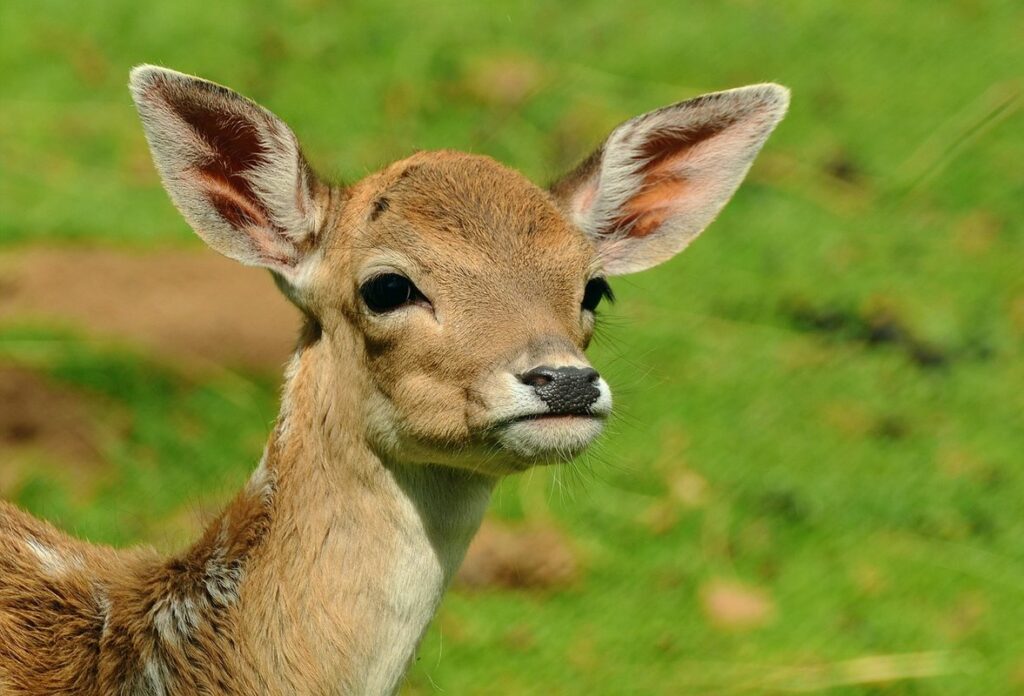
The UK is home to several deer species that can cause significant damage to gardens and landscapes. Among these, the fallow, roe, and muntjac deer are among the most common. Fallow deer are one of the largest native species in the UK, with males weighing up to 100 kg. They are found throughout England and Wales but are less common in Scotland.
Roe deer, on the other hand, are widely distributed across the UK and can be identified by their reddish-brown coats during the summer months. They are smaller than fallow deer, weighing around 20-30 kg, making them a more frequent visitor to gardens.
Muntjac deer, native to Asia, were introduced to the UK in the early 20th century and have since established large populations across England. They can be recognized by their small size, around 25 kg, and distinctive bark-like calls. Understanding which deer species are present in your area is essential when choosing deer-resistant plants for your garden. By selecting plants that are less appealing to these common deer species, you can reduce the risk of damage and protect your landscape.
Types of Plant Damage Caused by Deer
Deer can cause significant damage to plants in the UK, and it’s essential to understand the types of damage they can inflict. When it comes to browsing, deer tend to focus on tender shoots, leaves, and fruits. They have a particular fondness for soft-stemmed perennials like roses, lavender, and boxwood.
However, their browsing habits can also be destructive. Deer may strip plants bare, leaving them vulnerable to disease and pests. In some cases, they may even kill the plant entirely by over-browsing. For example, a deer can devour an entire bed of young vegetable seedlings in a single night.
Deer can also cause damage through trampling, especially if they frequent your garden regularly. Their large hooves can crush plants, creating holes and uneven terrain that can be challenging to repair. In extreme cases, deer may even dig up roots with their hooves, effectively killing the plant by severing its connection to water and nutrients.
When selecting deer-resistant plants for your UK garden, consider species that are naturally unpalatable to deer or have a less appealing growth habit.
Choosing Deer-Resistant Plants for Your Garden
When it comes to choosing plants that can withstand deer visits, select species known for their unpalatability and natural defenses against these pesky animals. This will help ensure your garden remains thriving despite deer activity.
Factors to Consider When Selecting Deer-Resistant Plants
When selecting deer-resistant plants for your garden, it’s essential to consider the factors that determine their resistance. Deer are attracted to certain plant characteristics, including foliage texture, taste, and smell.
Foliage texture plays a significant role in deer resistance. Plants with coarse or prickly leaves, such as rosemary and lavender, are often unpalatable to deer. On the other hand, plants with soft, tender leaves like hostas and impatiens are more likely to be browsed by deer.
The taste of plants is another crucial factor. Deer tend to avoid plants that are bitter or astringent, such as daffodils and hyacinths, which contain toxic alkaloids. In contrast, plants with sweet or succulent leaves like daylilies and coneflowers may be more attractive to deer.
Smell also plays a significant role in deer attraction. Plants with strong fragrances, such as garlic and onion, can repel deer, while those with mild scents like boxwood and holly may not deter them. By considering these factors, you can choose plants that are less likely to be damaged by deer, ensuring the health and longevity of your garden.
Recommended Deer-Resistant Shrubs for UK Gardens
When it comes to choosing deer-resistant shrubs for your UK garden, there are several excellent options that can provide a natural barrier against these pesky creatures. One of the most popular choices is boxwood (Buxus sempervirens), a compact and evergreen shrub that’s highly effective at deterring deer. With its dense foliage and ability to be trimmed into topiary shapes, boxwood is a great addition to any garden.
Another excellent option is holly (Ilex aquifolium), which not only provides a natural barrier but also adds a touch of winter colour with its bright red berries. Lavender (Lavandula spp.) is another deer-resistant shrub that’s perfect for cottage-style gardens, releasing a calming scent and attracting pollinators.
When incorporating these shrubs into your garden design, be sure to plant them in clusters or rows to create a physical barrier against deer. Consider combining different species to create a layered effect, with taller plants like boxwood and holly providing a backdrop for shorter ones like lavender. By using these deer-resistant shrubs strategically, you can enjoy a beautiful and wildlife-friendly garden while keeping deer at bay.
Deer-Resistant Perennials for a Beautiful Garden
If you’re tired of deer ruining your garden’s beauty, look no further than these stunning perennial options that can withstand even the most determined herbivores’ attempts.
Drought-Tolerant Options for Hot Summers
When it comes to hot summers in the UK, finding perennials that can thrive under such conditions and are less appealing to deer can be a challenge. However, there are several options worth considering. Sedum is an excellent choice for drought-tolerant perennials that can withstand intense heat. These succulent plants have adapted to store water in their leaves, stems, or roots, making them perfect for areas with low rainfall.
Coneflower is another great option for hot summers and deer-resistant gardens. These flowers are native to North America but have become increasingly popular in the UK due to their vibrant colors and ability to attract pollinators while deterring deer. Plant coneflower in well-draining soil, and they’ll thrive with minimal watering.
To make the most of these perennials, be sure to plant them in areas that receive full sun to partial shade. Water them sparingly during hot summers, as overwatering can lead to root rot and other issues. By incorporating sedum and coneflower into your garden design, you’ll enjoy a beautiful display of flowers while keeping deer at bay.
Spring-Blooming Flowers That Repel Deer
When it comes to creating a beautiful and deer-resistant garden in the UK, spring-blooming flowers are an excellent choice. One of the main benefits of planting daffodils (Narcissus pseudonarcissus) is that they’re known to repel deer due to their toxic alkaloids. These flowers are particularly effective at deterring deer from your garden, as they contain compounds that can cause stomach issues if ingested.
Tulips (Tulipa gesneriana) are another excellent option for a deer-resistant spring garden. Their cup-shaped blooms come in a variety of vibrant colors and tend to be unappealing to deer due to their strong scent and taste. Planting daffodils and tulips together can provide a natural barrier against deer, as the deer will often avoid areas where these flowers are present.
To incorporate these spring-blooming flowers into your garden, consider planting them in clusters or groups, rather than individually. This will create a more visually appealing display and further deter deer from grazing on the surrounding plants. By choosing daffodils and tulips for your spring garden, you can enjoy beautiful blooms while keeping deer at bay.
Bulbs for a Deer-Resistant Garden Bed
When it comes to adding color and vibrancy to your deer-resistant garden bed, choosing the right bulbs is crucial. We’ll explore some great options that are sure to thrive despite those pesky deer.
Planting Garlic and Shallots for Repellent Properties
When it comes to deterring deer from your garden bed, natural repellents are often the most effective and environmentally friendly solution. Two powerful plants that can be used for this purpose are garlic and shallots, which are not only delicious additions to a variety of dishes but also possess strong properties that repel deer.
Garlic and shallots contain sulfur compounds that release a potent smell when crushed or bruised. This scent is unappealing to deer, who have a keen sense of smell and can detect these compounds from a distance. To use garlic and shallots as a natural repellent, plant them in clusters around the perimeter of your garden bed.
For best results, choose a sunny location with well-draining soil, and plant the bulbs 3-4 inches deep in the fall or early spring. Space them about 12-18 inches apart to allow for proper growth and air circulation. As the plants mature, their strong scent will repel deer from your garden bed. You can also crush a few cloves of garlic and mix with water as a spray solution to deter deer from specific areas within your garden.
Spring-Blooming Bulb Options That Deter Deer
When it comes to spring-blooming bulbs that deter deer, there are several options you can consider planting in your garden bed. One of these is the hyacinth (Hyacinthus orientalis), which not only blooms beautifully but also repels deer due to its strong, unpleasant scent. This makes it an excellent choice for those looking to create a deer-resistant garden.
Another option is the grape hyacinth (Muscari armeniacum), which is known for its delicate blue flowers and ability to deter deer with its pungent smell. Both of these bulbs are relatively easy to grow and can thrive in well-drained soil with full sun to partial shade.
It’s worth noting that while these bulbs may be unappealing to deer, they still attract other beneficial wildlife like bees and butterflies. To incorporate them into your garden bed, simply plant the bulbs in the fall, about 3-4 inches deep, and space them about 6-8 inches apart. This will give you a beautiful display of color come springtime while also helping to keep deer away from your garden.
Companion Planting for Deer Control
When it comes to deterring deer from your garden, companion planting can be a game-changer – learn how to use certain plants to keep these pesky creatures at bay.
Plants That Repel Deer with Their Scent or Taste
When it comes to deterring deer from your garden, certain plants can be extremely effective due to their strong scent or unpalatable taste. These plants work on the principle of companion planting, where certain species are planted alongside others to create an environment that is less appealing to deer.
Take marigolds and lemongrass, for example. The strong, pungent smell of these plants repels deer from your garden. Marigolds contain pyrethrum, a natural insecticide that also deters deer from approaching the area. Lemongrass, on the other hand, is known to repel insects and pests, but its scent is particularly unwelcome for deer.
Planting these species around the perimeter of your garden can be an effective way to keep deer at bay. You can also mix them with other deer-resistant plants like lavender and rosemary to create a robust defence system. Simply remember that while companion planting is effective, it’s just one part of a comprehensive deer-control plan. By combining this method with physical barriers and other deterrents, you can enjoy a deer-free garden in the UK.
Incorporating Deterrent Herbs into Your Garden Design
Incorporating deterrent herbs into your garden design is a clever way to keep deer at bay. These fragrant plants can be strategically placed throughout your garden to repel unwanted visitors and protect your prized plants.
Consider incorporating rosemary and thyme, two of the most effective deer-repelling herbs. Rosemary’s strong, piney scent deters deer from feeding on nearby plants, while thyme’s subtle aroma is equally effective at keeping them away. Plant these herbs in areas where deer tend to congregate or near your prized plants to create a barrier.
When planting, bear in mind that rosemary and thyme prefer well-draining soil and full sun. Space them about 12-18 inches apart to allow for good air circulation and prevent overcrowding. For maximum effect, plant multiple rows of these herbs around the perimeter of your garden or near vulnerable plants. This will create a robust barrier against deer invasion.
Remember that incorporating deterrent herbs is just one part of an effective deer control strategy. Combine this with careful plant selection and other deterrent methods for optimal results.
Creating a Deer-Resistant Landscape
When designing a deer-resistant landscape, it’s essential to choose plants that are unappealing to these hungry visitors, keeping your garden safe from their nibbling. We’ll show you how.
Designing a Garden That Minimizes Damage
When designing a garden that minimizes damage caused by deer, it’s essential to consider their natural behavior and patterns. Deer are attracted to lush greenery, so using plants with low water requirements can help reduce the appeal of your garden. Incorporating a variety of plant species with different growth habits, textures, and colors can also make it less appealing to deer.
Natural barriers such as stone walls, wooden fences, or even native hedges can be effective in keeping deer out. These physical obstacles not only provide a clear boundary but also serve as a visual deterrent. Consider planting thorny shrubs like hawthorn or blackthorn along the perimeter of your garden to further discourage deer from entering.
When choosing plants for your deer-resistant garden, opt for species that are native to the UK and have evolved to resist deer browsing. Some excellent options include lavender, rosemary, and boxwood. By incorporating these natural barriers and plant species into your garden design, you can significantly minimize damage caused by deer and create a beautiful and resilient landscape.
Maintenance Tips for Keeping Your Garden Deer-Free
Maintaining your garden to keep it deer-free requires regular attention to detail. One of the most effective ways to deter deer from feeding on your plants is through regular pruning and weeding.
Prune your trees and shrubs regularly to maintain their shape and reduce their size, making them less appealing to deer. Aim for a balanced look by removing no more than one-third of any branch at a time. This will also help promote healthy growth and encourage new shoots to develop. For example, regular pruning of lavender plants can help keep them bushy and deer-repellent.
Weed your garden regularly to prevent weeds from growing in the first place. Deer often feed on young weeds and seedlings, so removing them before they become established will reduce the risk of damage. Use a combination of physical removal and mulching to suppress weed growth and retain moisture in the soil.
By incorporating these maintenance tips into your gardening routine, you can create a deer-free haven for your plants to thrive. Remember to inspect your garden regularly for signs of deer activity and take prompt action if necessary.
Frequently Asked Questions
Can I use a combination of deer-resistant plants and other landscaping techniques to achieve maximum protection?
While using deer-resistant plants is an effective method, combining them with clever landscaping techniques like removing attractants, reducing ground cover, and installing motion-activated sprinklers can enhance their effectiveness. This multi-faceted approach will make your garden even less appealing to deer.
How do I know if the deer-resistant plants I choose are suitable for my specific region within the UK?
Deer-resistant plants may vary in their efficacy depending on regional factors like climate, soil type, and local deer species. Researching plants native to or commonly used in your area will help you make informed choices. You can also consult with local gardening experts or nurseries for more tailored advice.
What if I already have a garden filled with attractive plants that attract deer? Can I still use companion planting to deter them?
Yes, incorporating deterrent herbs and plants into an existing garden is definitely possible. Start by identifying which species are most appealing to deer and choose complementary plants that repel or distract them. This will create a more balanced ecosystem and reduce the risk of deer damage.
How often do I need to maintain my deer-resistant garden, and what are some essential tasks?
Regular maintenance is crucial to maintaining your garden’s deer-resistance. Tasks include pruning shrubs, dividing perennials, removing weeds, and monitoring for signs of deer activity. Schedule these activities seasonally or as needed to ensure your garden remains a less appealing option for deer.
Can I use natural deterrents like hot pepper spray or commercial repellents in addition to deer-resistant plants?
While natural and commercial deterrents can be effective, they should be used in conjunction with, not instead of, deer-resistant planting. These methods may have varying levels of success and may need to be reapplied regularly. A multi-faceted approach will provide the best results in keeping your garden safe from deer damage.