
Are you tired of buying wilted parsley from the grocery store? Do you want to grow your own lush, flavorful herb at home? With this comprehensive parsley growing guide, you’ll learn everything you need to know to become a pro at cultivating this versatile and nutritious herb. From selecting the right variety for your climate and space to preparing the perfect soil and caring for your parsley plants, we’ve got you covered.
In this article, we’ll take you through the entire process of growing parsley, from sowing seeds to harvesting a bountiful crop. You’ll discover expert tips on how to choose the best soil mix, prevent pests and diseases, and even propagate new plants to share with friends and family. By following our guide, you’ll be enjoying fresh, fragrant parsley right in your own backyard – perfect for adding a burst of flavor to salads, soups, and sauces.
Choosing the Right Variety
Now that you’ve decided to grow parsley, it’s time to choose a variety that suits your needs. With so many types to pick from, selecting the right one can be overwhelming.
Understanding Parsley Types
When it comes to growing parsley, understanding the different types is crucial for selecting the perfect variety for your garden. There are three main types of parsley: curly leaf, flat leaf, and Italian parsley.
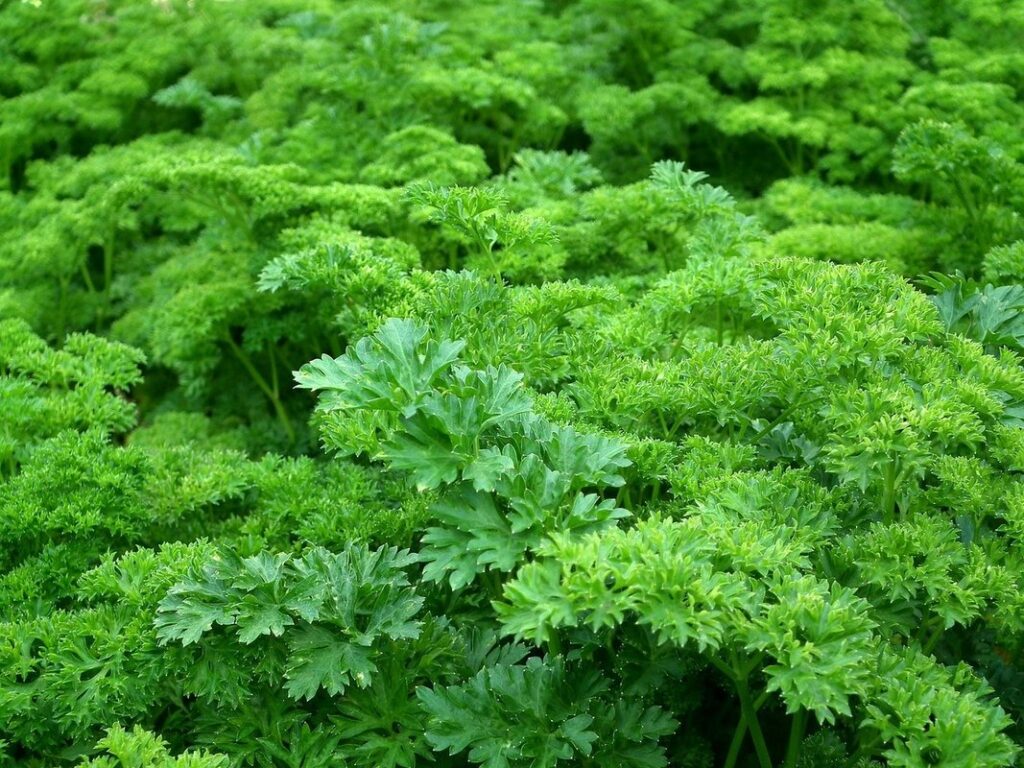
Curly leaf parsley has leaves that resemble a tight curl, giving it an attractive appearance in salads and garnishes. It’s a popular choice for home cooks due to its mild flavor and easy-to-grow nature. Curly leaf parsley grows slowly compared to other varieties, but its compact growth habit makes it ideal for container gardens.
Flat leaf parsley, on the other hand, has broad, flat leaves that are more delicate in texture than curly leaf parsley. It’s a favorite among chefs due to its robust flavor and versatility in cooking. Flat leaf parsley is faster-growing than curly leaf and can be harvested continuously by pinching off individual leaves.
Italian parsley is another popular variety known for its distinctive flavor and aroma. Its flat, dark green leaves have a coarser texture than flat leaf parsley and are often used as an herb in Mediterranean cuisine. Italian parsley grows quickly and can be harvested year-round with regular pruning.
Selecting High-Quality Seeds or Seedlings
When selecting high-quality seeds or seedlings for growing parsley, it’s essential to consider several key factors to ensure a successful harvest. First and foremost, check the seed germination rate, which should be at least 80% for optimal results. You can also look for disease-resistant varieties, especially if you’re planning to grow parsley in areas prone to pests or diseases.
Another crucial factor is adaptation to local climate conditions. Parsley prefers cooler temperatures between 60°F and 70°F (15°C and 21°C), making it ideal for spring or fall planting in most regions. If you live in a warmer climate, choose heat-tolerant varieties like ‘Turnip-Rooted’ or ‘Flat-Leaf’. Similarly, if you experience cold winters, select varieties with good cold hardiness.
When purchasing seedlings, inspect the plants for any signs of pests, diseases, or nutrient deficiencies. Opt for seedlings with dark green, healthy-looking leaves and a sturdy stem. Avoid seedlings that appear wilted or have yellowing leaves, as this can indicate underlying issues. By selecting high-quality seeds or seedlings, you’ll set your parsley crop up for success and enjoy a lush harvest in no time.
Preparing the Soil
Before you start planting, it’s essential to prepare your soil for parsley growth. This involves loosening and aerating the earth to provide a healthy foundation for your seeds to sprout.
Soil Requirements for Parsley Growth
When it comes to growing parsley, having the right soil conditions is crucial for a lush and healthy harvest. The optimal soil pH range for parsley growth is between 6.0 and 7.0, making it slightly acidic to neutral. If your soil falls outside this range, you may need to adjust it with lime or sulfur.
Well-draining soil is also essential for parsley growth. Parsley is prone to root rot if the soil is too wet or waterlogged, so ensure that your soil drains excess moisture quickly. To achieve this, mix in some organic matter like compost or well-rotted manure, which will improve the soil’s structure and drainage.
In terms of nutrient requirements, parsley needs a balanced diet of nitrogen, phosphorus, and potassium (NPK). A general-purpose fertilizer with an NPK ratio of 10-10-10 is suitable for most parsley varieties. However, be mindful not to over-fertilize, as this can lead to weak and leggy growth. Instead, opt for regular fertilization at half the recommended strength to promote healthy growth and prevent nutrient burn.
Amending the Soil (Optional)
Adding organic matter to your soil can be a game-changer for parsley growth. This is especially true if you’re using potting mix or have poor-quality garden soil. Compost and manure are excellent options, as they improve soil structure and fertility. Compost, made from decomposed plant material, adds nutrients and microorganisms that break down complex compounds, making them available to the parsley roots.
Manure, on the other hand, is rich in phosphorus, potassium, and nitrogen – essential for healthy growth. Mix 2-3 inches of compost or well-rotted manure into the top 6-8 inches of soil before planting parsley. This will give your plants a nutrient boost from day one. If using manure, make sure it’s fully broken down and weed-free to avoid any potential problems.
Keep in mind that over-amending can be detrimental, so start with small amounts and observe how your parsley responds. A general rule of thumb is to add 1/2 cup of compost or a handful of well-rotted manure per square foot of soil. This will give you the perfect balance without overwhelming your plants.
Sowing Parsley Seeds
When sowing parsley seeds, it’s essential to create a favorable environment for germination, so let’s dive into the specifics of getting started. Choose fresh seeds and sow them at the right depth.
Direct Sowing vs. Indoor Starting
When it comes to sowing parsley seeds, you have two primary options: direct sowing outdoors or starting them indoors in seed trays. Both methods have their advantages and disadvantages, which we’ll explore below.
Direct sowing is a great approach for parsley enthusiasts with plenty of outdoor space. This method allows the seedlings to develop strong roots immediately, as they’re exposed to natural sunlight and soil conditions from day one. Additionally, direct-sown parsley plants tend to be more robust and less prone to transplant shock. However, direct sowing can be challenging in areas with extreme temperatures or poor soil quality.
On the other hand, starting parsley seeds indoors provides better control over environmental factors like temperature and humidity. Indoor seedlings are also protected from pests and diseases that might damage them during their sensitive early stages. Nevertheless, indoor-started parsley plants may require a longer adjustment period when transferred outdoors.
Consider your climate, available space, and pest management needs before deciding between direct sowing or starting indoors. If you live in a region with mild winters and long growing seasons, direct sowing can be an excellent choice. However, if you’re dealing with harsh weather conditions or limited outdoor space, indoor starting may be the more viable option.
Sowing Depth and Spacing
When sowing parsley seeds, it’s essential to get the depth and spacing just right. If you plant them too shallow, they may dry out quickly due to lack of moisture retention in the soil. On the other hand, if you bury them too deeply, it can lead to rotting or poor germination.
A general rule of thumb is to sow parsley seeds about 1/8 inch deep. This allows for adequate moisture retention while keeping the seedlings safe from harsh sunlight, which can be intense during the early stages of growth. As for spacing, parsley prefers to grow in clusters rather than individual plants. Plant multiple seeds together in small groups of three to five, about 2-3 inches apart.
Make sure the soil is consistently moist but not waterlogged before sowing your parsley seeds. If you’re sowing directly into the ground, create a shallow furrow and gently press the seeds into it with your finger. Cover them lightly with soil and firm down to ensure good contact between the soil and seed.
Caring for Parsley Plants
To keep your parsley plants thriving, you’ll want to learn how to properly care for them, from watering and fertilizing to pruning and pest management. With these tips, you’ll be well on your way to a lush harvest!
Watering and Humidity Requirements
Watering parsley plants is an art that requires attention to detail. Overwatering and underwatering are two common mistakes that can harm your plant’s health. To ensure optimal growth, water your parsley plants when the top inch of soil feels dry to the touch. This means checking the soil moisture daily, especially during hot weather.
Signs of overwatering include yellowing leaves, soft stems, and a general droopy appearance. If you notice these symptoms, stop watering immediately and allow the soil to dry out slightly between waterings. On the other hand, underwatering can cause parsley plants to wilt, turn brown, or become brittle. To prevent this, increase watering frequency during prolonged droughts.
Maintaining humidity levels around 40-60% is ideal for parsley growth. You can achieve this by placing pots on a tray filled with water and pebbles or using a humidifier nearby. Keep in mind that indoor environments tend to be drier than outdoor spaces, so adjust your watering schedule accordingly. By striking the right balance between watering and humidity, you’ll enjoy lush, healthy parsley plants all season long.
Fertilizing and Mulching
Regular fertilization and mulching are two essential practices to promote healthy growth, disease resistance, and pest control in your parsley plants. A well-fed parsley plant is more likely to grow vigorously and produce a lush harvest.
Start by feeding your parsley plants with a balanced fertilizer that contains nitrogen, phosphorus, and potassium (NPK) at a ratio of 10-10-10. You can apply it once a month, either during the growing season or when you notice your plant is producing new growth. Water the fertilizer well to ensure it reaches the roots.
Mulching helps retain moisture in the soil, suppresses weeds that compete for nutrients and water, and regulates soil temperature. Use organic materials like straw, bark chips, or grass clippings around the base of your parsley plants, keeping a 2-3 inch layer away from the plant stem to prevent rotting. Replenish the mulch every few months as it breaks down.
Remember that over-fertilization can harm your parsley plants, so monitor their response and adjust accordingly. A healthy balance between fertilization and mulching will yield a bountiful harvest of fresh, flavorful parsley leaves for your cooking needs.
Common Parsley Pests and Diseases
Parsley is not immune to common pests and diseases, so it’s essential to be aware of the potential issues that can affect your crop. We’ll explore some of the most common problems you might encounter.
Identifying Common Issues
As you tend to your parsley plants, it’s essential to be aware of common pests and diseases that can affect their health. One of the most prevalent issues is aphids, tiny sap-sucking insects that feed on plant fluids, causing curled or distorted leaves. They can also spread plant viruses. To identify aphid infestations, check for sticky honeydew droplets on leaves or stems.
Another common pest is spider mites, which are microscopic and often hard to detect with the naked eye. However, they can cause fine webbing between leaf veins and a dusty appearance on leaves. Regularly inspect your plants under a magnifying glass to catch early signs of infestation.
As for diseases, root rot is a significant concern in parsley cultivation. Caused by overwatering or poor drainage, it leads to soft, mushy stems and roots that can’t absorb nutrients. Monitor soil moisture levels carefully and ensure good air circulation around your plants. Leaf spot, another common issue, appears as small, circular lesions on leaves, often with a yellowish center. Regularly remove infected leaves to prevent the spread of disease.
Some other diseases you might encounter include powdery mildew, which looks like white powder coating leaf surfaces, and downy mildew, characterized by yellow or brown lesions on lower leaves. To avoid these issues, maintain good hygiene when handling plants, and provide optimal growing conditions for your parsley.
Organic Pest Control Methods
When it comes to growing parsley, it’s not just about providing the right conditions and care – you also need to consider pest control. Now, we’re not talking about reaching for those synthetic pesticides that can harm both your plants and the environment. Instead, let’s focus on some effective organic pest control methods.
One of the simplest ways to keep pests at bay is by introducing beneficial insects into your garden. Encourage natural predators like ladybugs or lacewings to visit your parsley patch by creating a welcoming environment with plenty of flowers that attract these helpful critters. You can also purchase them online and release them in your garden for an instant solution.
Another great option is neem oil, which is derived from the seeds of the neem tree. This natural fungicide and insecticide has been used for centuries to control a wide range of pests without harming the environment. Simply mix it with water according to the instructions and spray it directly on affected areas.
Harvesting and Storage
Now that you’ve successfully grown a lush parsley crop, it’s time to harvest and store your fresh herbs to enjoy throughout the year. Proper handling will ensure they remain healthy and flavorful.
Timing the Harvest
Timing is everything when it comes to harvesting parsley leaves. You’ll want to pluck them at their optimal flavor and texture, which varies depending on the stage of plant maturity and seasonal changes.
For young plants, you can start harvesting individual leaves within 2-3 weeks after germination. Simply snip off the top sets of leaves with scissors or pinch them between your fingers, leaving about an inch of stem intact. This encourages the plant to produce new growth.
As parsley matures, you’ll want to harvest larger bunches every week or two. Pinch off the flower stalks as they form to direct energy towards leaf production. For older plants, consider cutting back the entire plant by one-third to promote regrowth and prevent bitterness from developing in the leaves.
Keep in mind that flavor and aroma peak during cooler months, so aim to harvest your parsley during spring or fall for optimal taste. Avoid harvesting in extreme heat or cold, as this can cause the leaves to lose their potency.
Storing Fresh Parsley
When it comes to storing fresh parsley leaves, the right techniques can make all the difference in keeping them fresh for extended periods. Refrigeration is one of the most popular methods for storing parsley, and it’s easy to do at home. Simply trim the stems, place the leaves in a plastic bag or airtight container, and store them in the crisper drawer of your refrigerator. This method can keep parsley fresh for up to 2 weeks.
Another option is freezing, which is perfect for preserving large quantities of parsley. To freeze, simply chop the leaves and spread them out on a baking sheet lined with parchment paper. Place the sheet in the freezer until the parsley is frozen solid, then transfer it to an airtight container or freezer bag for long-term storage.
Dehydrating is another method that’s gaining popularity among gardeners and cooks alike. Using a food dehydrator or your oven on the lowest temperature setting, you can dry parsley leaves and store them in airtight containers for up to 6 months. This method helps preserve parsley’s flavor and aroma, making it perfect for soups, stews, and salads.
Frequently Asked Questions
Can I grow parsley in containers or do I need a garden bed?
Yes, you can definitely grow parsley in containers if you have limited space or prefer the convenience of container gardening. Just make sure to choose a container with good drainage and use a well-draining potting mix specifically designed for herbs.
How often should I water my parsley plants, especially during hot weather?
Parsley prefers moist soil but can be susceptible to root rot if it’s too wet. Water your parsley plants when the top inch of soil feels dry to the touch. During hot weather, you may need to water them every 2-3 days, depending on the temperature and humidity levels.
Can I propagate new parsley plants by dividing established ones?
Yes, you can divide established parsley plants to create new ones. To do this, gently dig up the entire plant, separate the roots, and replant the divisions in well-draining soil with a balanced fertilizer. Water thoroughly and keep the soil consistently moist until the new plants are established.
How do I prevent parsley from flowering prematurely?
Parsley can bolt (flower) when it’s exposed to high temperatures or subjected to stress. To prevent this, make sure to provide your parsley plants with partial shade, especially during hot weather. You can also try pinching off flower buds as they form to encourage leaf growth.
Can I use regular potting mix for growing parsley or do I need a specific herb mix?
While you can grow parsley in regular potting mix, using an herb-specific mix will give your plants the best chance of success. These mixes are typically formulated with nutrients and pH levels that cater specifically to herbs like parsley, which requires a slightly acidic soil pH (around 6.0-6.5).