
Growing your own mint can be a game-changer for any herb enthusiast. Not only is it incredibly easy to care for, but it’s also a great way to add fresh flavor and fragrance to your cooking and cocktails. However, growing mint successfully requires some know-how – from selecting the right variety for your climate and needs, to harvesting and preserving those delicious leaves.
In this comprehensive guide, we’ll walk you through everything you need to know about growing mint like a pro. We’ll cover soil preparation, pruning techniques, and expert tips for troubleshooting common issues that can plague even the most seasoned gardeners. Whether you’re looking to add some zing to your salads or simply want to enjoy the benefits of fresh herbs year-round, this article will give you the tools you need to succeed.
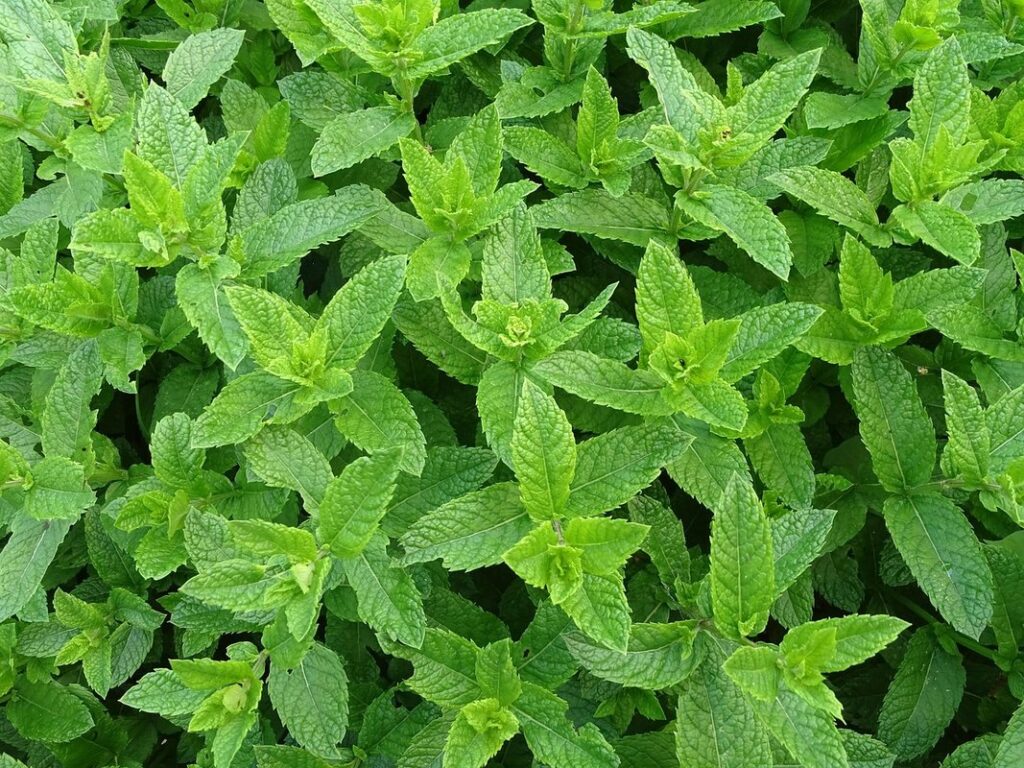
Choosing the Right Mint Variety
With so many mint varieties to choose from, it can be overwhelming when deciding which type to grow in your garden. Let’s break down the most popular options and their unique characteristics.
Understanding Different Types of Mint
Mint is a versatile and hardy herb that comes in numerous varieties, each with its unique characteristics and growth habits. When choosing the right mint for your garden, it’s essential to understand the differences between popular types like peppermint, spearmint, chocolate mint, and pineapple mint.
Peppermint (Mentha piperita) is a classic choice known for its high menthol content, giving it a refreshing and cooling effect. It grows rapidly and can spread quickly, making it ideal for borders or containers. Spearmint (Mentha spicata), on the other hand, has a milder flavor and aroma compared to peppermint. Chocolate mint (Mentha x piperita f. citrata ‘Chocolate Mint’) boasts a unique chocolate-like fragrance, perfect for adding a twist to desserts.
Pineapple mint (Mentha suaveolens) offers a sweet and fruity scent, commonly used in cocktails and desserts. When choosing between these types of mint, consider your personal preferences, the climate and soil conditions in your garden, and how you plan to use the herb. For example, if you want a more subtle flavor, spearmint might be the better choice.
Selecting a Variety for Your Climate
When it comes to growing mint, selecting a variety that thrives in your local climate is crucial for success. The good news is that there are many types of mint that cater to different environmental conditions.
First, consider the temperature requirements of your mint variety. Some mints like peppermint and spearmint prefer cooler temperatures between 60-70°F (15-21°C), while others like chocolate mint thrive in warmer temperatures above 75°F (24°C). Be sure to check the specific temperature needs for the variety you’re interested in.
Humidity is also an important factor. If your area experiences high humidity, choose a mint variety that’s resistant to fungal diseases like powdery mildew. Mint varieties with compact growth habits or those that are naturally more upright tend to do better in humid climates.
Sunlight requirements vary as well. Some mints prefer full sun (at least 6 hours of direct sunlight), while others can tolerate partial shade. Consider the amount of sunlight your garden receives and choose a variety that suits these conditions.
By choosing a mint variety suitable for your local climate, you’ll be setting yourself up for success in growing this wonderful herb.
Preparing the Soil and Planting Mint
Before you start planting mint, it’s essential to prepare your soil correctly, which involves loosening the earth and adding organic matter. This step will give your mint roots a healthy foundation to thrive in.
Creating an Ideal Growing Environment
When it comes to growing mint, providing an ideal environment is crucial for optimal growth and development. First and foremost, mint requires well-draining soil that can help prevent root rot and other moisture-related issues. To prepare the soil, mix in a generous amount of organic matter such as compost or well-rotted manure to improve its structure and fertility.
Full sun to partial shade is also essential for mint growth. While it prefers full sun, some varieties of mint can tolerate partial shade, especially in warmer climates where intense sunlight can be detrimental. In general, aim for at least 4 hours of direct sunlight per day for best results. Avoid over-watering, which can lead to fungal diseases and root rot.
To avoid waterlogged soil, ensure the area drains properly by adding organic matter like peat moss or perlite to improve drainage. Aim for regular watering, but make sure not to saturate the soil. A good rule of thumb is to check the soil moisture by inserting your finger into the soil up to the knuckle; if it feels dry, it’s time to water.
Planting from Seeds or Cuttings
When it comes to planting mint, you have two main options: seeds or cuttings. Both methods can be successful, but they require different approaches. To plant mint from seeds, start by sowing them about 1/4 inch deep and 6-8 inches apart in a seed tray or small pots filled with well-draining soil. Keep the soil consistently moist during the germination period, which usually takes around 7-14 days.
For cuttings, choose healthy stems with at least two sets of leaves. Cut them just above a node using a sharp knife or pruning shears. Remove lower leaves to prevent moisture from accumulating and causing rot. Plant the cutting in a pot filled with moistened soil, firming it gently around the stem. Water thoroughly and maintain high humidity until roots develop.
Space mint plants about 12-18 inches apart to allow for proper air circulation, which helps prevent fungal diseases that thrive in humid environments. Keep the soil consistently moist during the first few weeks after planting, but avoid overwatering, which can lead to root rot.
Caring for Your Mint Plants
Now that you’ve successfully grown and harvested your mint, it’s time to learn how to keep it thriving and healthy year-round. In this next step, we’ll cover essential care tips for your mint plants.
Watering and Fertilization Needs
Mint plants thrive on consistent moisture, and proper watering habits can make all the difference in their growth. Watering needs vary depending on the climate and potting mix used. In general, mint requires about 1-2 inches of water per week, either from rain or irrigation. Check the soil by sticking your finger into it – if the top inch feels dry, it’s time to water.
However, overwatering can lead to root rot and other problems. Avoid watering in direct sunlight, as this can cause the leaves to become scorched. Instead, water mint plants in the morning or evening when the sun isn’t intense.
Fertilizing mint plants is also crucial for promoting healthy growth. Use a balanced fertilizer (10-10-10) during the growing season (spring and summer). Dilute the fertilizer according to the manufacturer’s instructions, as overfertilization can harm your plant. Also, consider using compost or worm castings as an alternative to chemical fertilizers – these natural options provide essential nutrients without polluting the soil.
Pruning and Harvesting Techniques
Pruning mint plants is essential to encourage bushy growth and prevent flowering. Regular pruning also helps maintain the plant’s shape, promotes healthy growth, and increases yields. To prune your mint plant, simply pinch off flower buds as they form, or remove the entire inflorescence (flower stem) before it blooms. This technique encourages the plant to focus its energy on leaf production rather than flowering.
When pruning, use scissors or pinch off individual stems just above a node (where a leaf meets the stem). Cut back leggy growth by about one-third to maintain a bushy shape and encourage new growth from the base of the plant. Pinch off any weak or damaged leaves to prevent disease and promote healthy growth.
Harvesting mint leaves is also crucial for maintaining plant health and promoting continuous growth. There are several methods for harvesting, including pinching, cutting, and drying. To pinch, simply remove a few leaves at the top of each stem as needed. For a larger harvest, cut back individual stems just above a node using scissors or pruning shears. You can also dry mint leaves by tying them in small bunches and hanging them upside down in a warm, dry location.
Common Mint Growing Issues and Solutions
As you tend to your mint plants, unexpected problems can arise – wilting leaves, pest infestations, and nutrient deficiencies are just a few common issues to be aware of. We’ll tackle these challenges head-on and offer practical solutions.
Dealing with Pests and Diseases
As you cultivate your mint plants, it’s essential to be aware of common pests and diseases that can harm their health. Aphids, for instance, are small, soft-bodied insects that feed on the sap of leaves, causing curled or distorted growth. To manage aphid infestations organically, spray your mint plants with a mixture of water and mild dish soap, making sure to target both the undersides of leaves and the soil around the plant.
Spider mites, another common pest, are tiny, spider-like insects that spin fine webs on the surface of leaves. They feed on sap, causing yellowing or bronzing of leaves. To combat spider mite infestations, increase humidity around your mint plants by placing them in a humid microclimate or using a humidifier nearby.
Root rot is another disease to watch out for, caused by overwatering or poor drainage. Inspect the roots of your mint plant regularly, and repot it in well-draining soil if you notice any signs of root decay.
Troubleshooting Growth Problems
If you’re noticing that your mint plant is struggling with slow growth, yellowing leaves, or legginess, don’t worry – these issues are common and easily addressable. Slow growth can be caused by a lack of nutrients, inadequate light, or insufficient watering. To stimulate growth, try repotting your mint in fresh soil with a balanced fertilizer.
Yellowing leaves are often a sign that your plant is getting too much water or not enough oxygen. Check the moisture level in the soil and make sure it’s not waterlogged. You can also trim off any yellow or damaged leaves to prevent the spread of disease and encourage new growth.
Leggy mint plants can be pruned back to encourage bushy growth. Simply cut back the longest stems to about half their length, just above a leaf node. This will help your plant develop a fuller shape and promote more even growth. Remember to prune regularly to keep your mint looking its best and prevent it from becoming too leggy.
By addressing these common issues, you can get your mint plant back on track and enjoying the benefits of fresh, fragrant mint in no time!
Advanced Mint Growing Techniques
Take your mint growing skills to the next level with these expert techniques, from pruning and propagation to creating a thriving mint empire in your garden.
Propagating Mint through Division
Propagating mint through division is a simple yet effective way to multiply established plants and share them with friends. To divide your mint plant, start by preparing the divisions. This involves digging up the entire plant, gently washing away excess soil, and separating the roots into sections. You can use this method for both invasive species like peppermint and more compact varieties like spearmint.
When dividing, make sure each section has at least one growing eye or bud to ensure it will produce new growth. Cut back any long stems to encourage bushy growth and prevent the new plant from becoming leggy. Replant the divisions in a well-draining potting mix, water thoroughly, and keep the soil consistently moist during the first few weeks after transplant.
For best results, divide your mint plant in the spring or fall when it’s not actively growing. This will give the new plants time to establish themselves before the heat of summer sets in. With proper care, you can expect each division to produce a robust and healthy new plant within a few months.
Using Mint as a Companion Plant
Using mint as a companion plant is a clever way to make the most of this versatile herb. Not only can it add fragrance and visual appeal to your garden, but it also has several beneficial effects on other plants when grown alongside them.
Mint repels pests such as aphids, whiteflies, and spider mites, making it an excellent companion for plants like tomatoes, peppers, and cucumbers that are often targeted by these pesky insects. For example, planting mint near strawberries will help deter the strawberry sap beetle, which can cause significant damage to the crop.
In addition to pest control, mint’s dense foliage also provides shade, which helps retain moisture in the soil and suppress weeds. This is particularly beneficial for plants like carrots and lettuce that prefer cooler temperatures and consistent moisture levels.
To make the most of mint as a companion plant, simply plant it near your desired herb or vegetable garden bed. Make sure to keep the mint contained, either by planting it in a separate pot or using a physical barrier to prevent it from spreading.
Preserving Your Harvest: Drying, Freezing, and More
Now that you’ve harvested your mint, let’s dive into how to preserve it for future use – from drying and freezing to creative storage ideas.
Methods for Drying Fresh Mint Leaves
Drying fresh mint leaves is an effective way to preserve their flavor and aroma for later use. There are three common methods for drying mint: air-drying, oven-drying, and dehydrating.
Air-drying is the simplest method, but it requires patience. Tie a bunch of fresh mint leaves together with string and hang them upside down in a warm, dry place with good air circulation. This can take 1-2 weeks, depending on the humidity level. Make sure to check on them regularly to prevent mold from forming.
Oven-drying is faster, but it requires more effort. Preheat your oven to its lowest temperature setting (usually around 150°F). Place a single layer of fresh mint leaves on a baking sheet lined with parchment paper and dry for 1-2 hours. Check on the mint periodically to ensure it doesn’t over-dry.
Dehydrating is the fastest method, using specialized equipment like a food dehydrator or even your oven set at its highest temperature setting (usually around 200°F). This method can take as little as 30 minutes to an hour, depending on the machine. Regardless of the method, make sure to store dried mint leaves in airtight containers to preserve their flavor and aroma.
Tips for Freezing and Storing Mint
To extend the shelf life of your fresh mint harvest and enjoy it throughout the year, freezing is an excellent preservation method. Here’s a step-by-step process for freezing mint leaves or stems:
First, choose healthy mint leaves with no signs of wilting or browning. Remove any stems, wash them gently in cold water to remove dirt, and pat dry with paper towels. You can either freeze the leaves whole, chop them into smaller pieces, or blend them into a paste.
For best results, divide the mint into airtight containers or freezer bags, pressing out as much air as possible before sealing. Label the containers with the date and contents, and store them in the coldest part of your freezer at 0°F (-18°C) or below. Frozen mint is ideal for adding to soups, teas, salads, and other dishes.
When needed, simply thaw frozen mint by leaving it at room temperature or gently rehydrating it with a little water. Frozen mint will retain its flavor and aroma for up to six months, making it a convenient way to enjoy your homegrown harvest year-round.
Frequently Asked Questions
How can I prevent mint from taking over my garden?
If you’re concerned that your mint plants will spread too quickly, consider using a physical barrier like a container or a root barrier to contain the roots. You can also prune your mint regularly to encourage bushy growth and prevent it from flowering, which can lead to more seeds being produced.
Can I grow mint indoors year-round?
Yes, you can grow mint indoors year-round if you provide it with sufficient light. Mint requires at least 4-6 hours of direct sunlight per day or 12-14 hours of indirect light. Use a pot that is at least 6-8 inches deep to accommodate the plant’s roots, and maintain a temperature between 60-70°F (15-21°C).
How do I store dried mint leaves for long-term use?
To preserve your dried mint leaves for long-term use, store them in an airtight container away from direct sunlight. You can also freeze or refrigerate the dried mint to keep it fresh for up to 6 months.
Can I use regular potting soil for growing mint?
No, you should avoid using regular potting soil for growing mint, as it tends to be too dense and may cause waterlogging. Instead, mix in some perlite or vermiculite to improve drainage and aeration for your mint plants.
What are some common pests that target mint plants?
Common pests that target mint plants include aphids, spider mites, and slugs. To prevent infestations, use neem oil or insecticidal soap as a preventative measure, and remove any infested leaves or stems to prevent the problem from spreading.