
Honeysuckle vines are a lovely addition to any garden, but left unpruned they can quickly become overgrown and unruly. To keep your honeysuckle healthy and thriving, it’s essential to master the art of pruning. Pruning not only helps control its shape and size but also promotes new growth, encourages blooming, and prevents damage from weak or damaged branches. If you’re new to pruning or have made mistakes in the past, don’t worry – with a few simple tips and techniques, you can learn how to prune your honeysuckle like an expert. In this article, we’ll cover the basics of honeysuckle pruning, including the right tools to use, when to prune for optimal results, and post-pruning care to ensure your plant remains healthy and strong.
Understanding Honeysuckle Growth and Development
To prune honeysuckle vines effectively, you need to understand how they grow and develop. This includes knowing their growth habits, pruning needs, and optimal blooming times.
Honeysuckle Plant Biology and Structure
Honeysuckle plants are deciduous shrubs that exhibit vigorous growth habits. They produce long, woody stems with a woody base and twining vines that can grow up to 30 feet tall. These vines often require support from nearby structures or trellises due to their tendency to sprawl.
The leaves of honeysuckle plants are opposite in arrangement and have three to five lobes. They typically range from one to two inches in length, with a soft, velvety texture. New growth emerges as small, reddish-green leaves that mature into the more familiar yellow or green hue.
Below ground, honeysuckle’s root system consists of an extensive network of fibrous roots and taproots. This allows the plant to absorb nutrients from deep within the soil profile while still maintaining a strong presence in nearby areas through its above-ground spread.
This complex growth pattern is essential to understand when pruning honeysuckle vines, as it affects how to approach maintenance tasks such as cutting back overgrown sections or training new growth to remain on desired paths. Understanding these elements will help ensure effective and efficient pruning practices that promote overall plant health.
Identifying Different Types of Honeysuckle
When it comes to pruning honeysuckle vines, understanding the different species is crucial. There are over 180 species of honeysuckle, but some of the most common ones you’ll encounter in gardening are Lonicera sempervirens (Coral Honeysuckle), Lonicera japonica (Japanese Honeysuckle), and Lonicera tatarica (Tatarian Honeysuckle). Each of these species has distinct characteristics that affect pruning strategies.
For example, Coral Honeysuckle is a non-invasive species that thrives in warmer climates. It produces bright red flowers and can be pruned to maintain its shape or promote flowering. In contrast, Japanese Honeysuckle is an invasive species that’s known for its aggressive growth habit. Pruning this species requires more regular maintenance to control its spread.
Tatarian Honeysuckle, on the other hand, has a woody stem and produces white flowers. Its pruning requirements are similar to those of Coral Honeysuckle. To determine which species you’re working with, take note of the plant’s growth habit, flower color, and any distinctive features. By understanding the characteristics of your honeysuckle species, you’ll be able to tailor your pruning strategy for optimal results.
Pre-Pruning Considerations and Preparation
Before you start pruning, let’s cover some essential considerations and preparation steps to ensure a successful and safe experience for your honeysuckle vines. This includes assessing their health and determining the best time to prune.
Assessing the Health of Your Honeysuckle Plant
Before you start pruning your honeysuckle vine, it’s essential to assess its overall health. This step is crucial because pruning a diseased or infested plant can spread the problem further, making it worse. Look for signs of disease, such as yellowing leaves, black spots, or powdery mildew on the stems and leaves.
Pests like aphids, whiteflies, and spider mites can also weaken your honeysuckle vine. Check for sticky honeydew droplets on the undersides of leaves, which indicate an infestation. If you notice any of these symptoms, treat your plant before pruning to prevent further damage.
Nutrient deficiencies, such as lack of nitrogen or iron, can also affect your honeysuckle’s health. Check for pale or discolored leaves, which may be a sign that the soil needs additional fertilization. Make sure to address any underlying issues before pruning, as this will help your plant recover faster and thrive after pruning.
To evaluate your honeysuckle’s overall health, take a closer look at its roots, too. Check if they’re dry or waterlogged, which can indicate poor drainage or overwatering.
Tools and Equipment Needed for Pruning
Before diving into the actual pruning process, it’s essential to have the right tools and equipment. For honeysuckle vines, you’ll need a combination of handheld and cutting tools that will make the job easier and safer.
Start with a good pair of loppers, which are ideal for thicker stems (about 1-2 inches in diameter). Look for ones with long handles (around 30 inches) to provide leverage and reduce strain on your back. A pruning saw is also necessary for cutting larger branches or those that are too thick for loppers. Choose a saw with a curved blade, as it will allow you to make clean cuts without damaging the surrounding area.
Don’t forget to wear protective gear, including gloves and safety glasses. This may seem like an obvious step, but it’s crucial in preventing injuries from thorns or debris. With these tools at your disposal, you’ll be well-prepared to tackle even the most overgrown honeysuckle vines. Consider investing in a pruning tool set that includes loppers, saws, and other essentials to make the process more efficient.
Techniques for Pruning Honeysuckle Vines
When it comes to pruning honeysuckle vines, knowing when and how to cut them back is crucial to maintaining their health and encouraging new growth. Here are some essential techniques to help you prune your honeysuckle like a pro.
Hand Pruning vs. Mechanical Pruning Methods
When it comes to pruning honeysuckle vines, you have two primary methods at your disposal: hand pruning and mechanical pruning. Both techniques serve a purpose, but they’re suited for different situations.
Hand pruning is a more precise method that allows you to carefully cut back individual branches or stems. It’s ideal for removing dead, diseased, or damaged wood, as well as shaping the vine to maintain its desired form. This technique also gives you the flexibility to prune specific areas without causing damage to surrounding foliage. For instance, if you’re dealing with a dead stem near a living one, hand pruning ensures you make a clean cut, preventing any potential harm to healthy tissue.
On the other hand, mechanical pruning tools can be more efficient for larger tasks, such as cutting back overgrown sections or removing thicker stems. These tools often feature rotating blades that make quick work of dense branches, saving time and effort in the long run. However, they require caution to avoid causing accidental damage or uneven cuts.
Ultimately, a combination of both hand pruning and mechanical pruning can be the most effective approach when dealing with overgrown or dead honeysuckle vines. By using hand pruning for precision tasks and mechanical tools for larger sections, you’ll achieve a balanced and healthy vine that’s easier to maintain in the future.
Pruning for Shape, Size, and Density Control
Pruning honeysuckle vines is not just about maintaining their overall health and appearance, but also about controlling their shape, size, and density. To achieve the desired shape, prune your honeysuckle vine to maintain a central leader or allow it to grow more naturally as a shrub or climber. For example, if you want to train your honeysuckle to climb up a trellis or arbor, prune the lateral branches to encourage vertical growth.
To control the size of your honeysuckle, regular pruning is essential. Prune back the new growth in late spring to prevent the vine from becoming too leggy and to encourage bushy growth. For large established plants, prune one-third to one-half of the stems annually to maintain a manageable size. It’s also crucial to prune dead, diseased, or damaged branches as soon as you notice them.
To control density, prune your honeysuckle in late winter or early spring before new growth begins. Cut back about one-third to one-half of the old canes to allow sunlight and air to reach the inner parts of the plant. This will also promote healthy growth and flowering.
Common Mistakes to Avoid When Pruning Honeysuckle
When pruning honeysuckle vines, it’s easy to make mistakes that can harm your plant. Let’s review some of the most common errors to watch out for.
Over-Pruning: A Recipe for Disaster
Over-pruning is one of the most common mistakes gardeners make when trimming their honeysuckle vines. It’s a critical error that can have severe consequences on plant health and even lead to the demise of your beloved vine.
When you over-prune, you’re essentially removing too much of the plant’s structural framework at once. This can cause shock to the system, making it harder for the vine to recover. Some warning signs of over-pruning include yellowing leaves, reduced foliage density, and an overall decline in plant vigor. In severe cases, your honeysuckle might even stop producing flowers or experience dieback.
To avoid this pitfall, take a more nuanced approach when pruning. Remove no more than one-third of the plant’s growth each year, making clean cuts just above a bud to encourage new growth from that spot. This controlled reduction will promote healthy regrowth without stressing the plant excessively. By being mindful of your pruning shears and following this principle, you’ll ensure your honeysuckle continues to thrive with plenty of blooms to enjoy.
Under-Pruning: Missing the Opportunity for Improvement
Pruning honeysuckle vines is not just about cutting back overgrown branches; it’s also about striking the perfect balance between growth and structure. Under-pruning can be just as detrimental to the health of your plant as over-pruning, and yet it’s a common mistake many gardeners make.
When you don’t prune enough, your honeysuckle vine will continue to grow unchecked, leading to weak and spindly stems that are more susceptible to disease and pests. This can also cause the plant to become top-heavy, making it more prone to breakage in strong winds. For example, a study by the University of Illinois found that plants pruned too infrequently were more likely to suffer from root rot due to excess moisture.
To avoid under-pruning your honeysuckle vine, make sure to remove at least one-third to one-half of the plant’s stems each year. This will help maintain a strong and balanced structure while also promoting new growth and flowering. Remember to prune in late winter or early spring, before new growth begins, for best results. By pruning enough, you’ll not only keep your honeysuckle vine healthy but also encourage it to produce an abundance of beautiful flowers and foliage.
Maintenance and Aftercare Post-Pruning
After pruning, it’s essential to take care of your honeysuckle vines to ensure they remain healthy and thrive. Proper aftercare techniques will help prevent disease and encourage new growth.
Watering and Fertilization Needs
After pruning your honeysuckle vines, it’s essential to provide them with the right care to promote healthy regrowth. Watering is a critical aspect of post-pruning care. The frequency of watering depends on the climate and soil type. In most cases, newly pruned honeysuckles require regular watering, especially during their first growing season. Aim to water your vines deeply once or twice a week, depending on weather conditions.
Fertilization is another crucial step in promoting healthy regrowth. Feed your honeysuckle vines with a balanced fertilizer (10-10-10) once a month during the growing season (spring and summer). You can also consider using compost tea as a natural alternative to chemical fertilizers. Mulching around the base of your vines helps retain moisture, suppress weeds, and regulate soil temperature.
Be cautious not to overwater or overfertilize, as this can lead to weak and leggy growth. Monitor your plants closely and adjust your care routine accordingly. Keep in mind that honeysuckle vines are sensitive to extreme temperatures, so ensure they receive sufficient moisture during hot or dry spells.
Monitoring for Signs of Stress or Disease
After pruning your honeysuckle vines, it’s essential to keep an eye out for signs of stress or disease that may have been triggered by the pruning process. This is especially true for honeysuckle, which can be susceptible to certain pests and diseases if not properly cared for.
Some common signs of stress or disease to watch out for include yellowing leaves, black spots on stems, or a sudden decline in new growth. Keep an eye out for aphids, whiteflies, and spider mites, which can all cause damage to your honeysuckle vines. Regularly inspect the undersides of leaves and stems for any signs of these pests.
To prevent further problems from arising, make sure to provide your honeysuckle with adequate watering, fertilization, and pruning practices. Keep an eye on soil moisture levels, as overwatering can lead to root rot and other issues. Be mindful of nearby plants that may be competing with your honeysuckle for water or nutrients.
By monitoring your honeysuckle’s health closely after pruning, you’ll be able to catch any potential issues early on and take corrective action before they become major problems.
Conclusion and Additional Tips
Now that you’ve mastered the art of pruning honeysuckle vines, it’s essential to remember a few key takeaways. First, timing is everything – prune your honeysuckle in late winter or early spring when the plant is dormant. This will prevent any potential damage to new growth. Don’t forget to wear protective gear like gloves and safety glasses when pruning, as the thorns can be quite painful.
To maintain a healthy and vigorous vine, make sure to prune about one-third of the plant’s growth each year. This will encourage new growth and help control its spread. Also, keep an eye out for signs of disease or pests, such as black spots or aphids, and take action promptly if you notice any issues.
Frequently Asked Questions
What are the best tools to use for pruning honeysuckle vines?
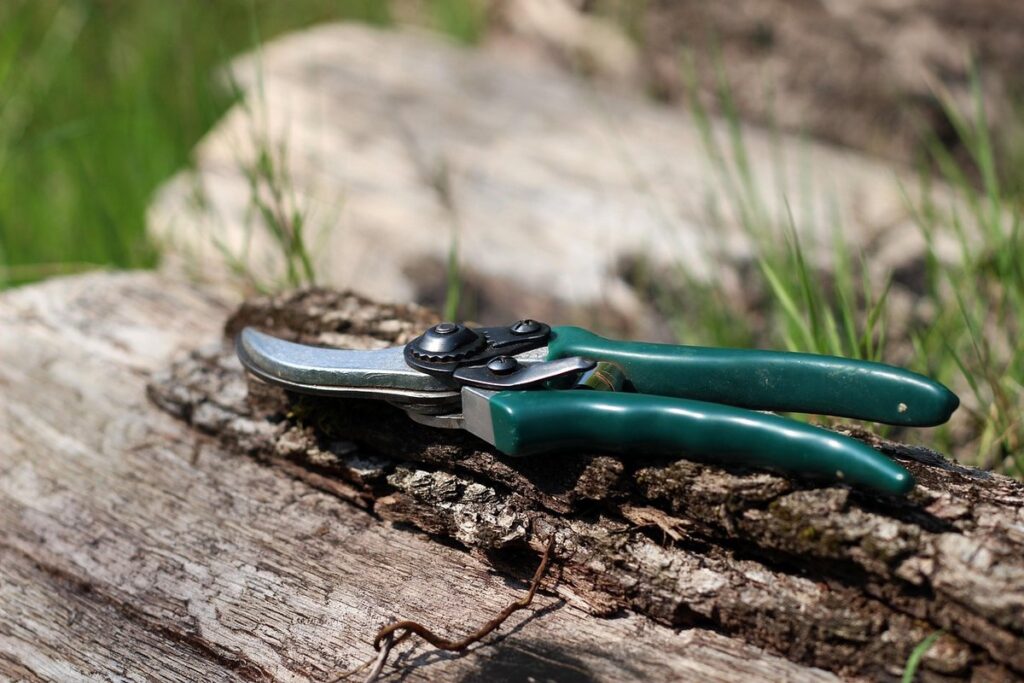
The best tools for pruning honeysuckle vines include hand pruners, loppers, and a pruning saw. It’s essential to use clean, sharp tools to prevent spreading diseases and making clean cuts that promote healing.
Can I prune my honeysuckle vine at any time of the year?
No, it’s recommended to prune your honeysuckle vine during its dormant season (winter or early spring) for optimal results. Pruning during active growth can cause stress and potentially lead to disease or pests.
How often should I water my honeysuckle plant after pruning?
After pruning, make sure to provide your honeysuckle plant with plenty of water to help it recover from the shock of pruning. Water regularly, but avoid overwatering, which can be detrimental to the plant’s health. Aim for about 1-2 inches of water per week.
Can I use a mechanical pruner on my large honeysuckle vines?
Yes, mechanical pruners are ideal for thick or hard-to-reach branches. However, make sure to choose a high-quality pruner that can handle the thickness and type of wood your honeysuckle vine has.
What should I do with the cuttings from pruning my honeysuckle vine?
Cuttings from honeysuckle vines can be used to propagate new plants by planting them in well-draining soil. Cut about 6-8 inches off a stem, remove lower leaves, and plant it in the ground or a pot. Water regularly until roots develop.