
Growing your own pears can be incredibly rewarding, but achieving successful pollination can be a challenge. Did you know that many pear varieties are not self-fertile and require cross-pollination to produce fruit? This is where things get interesting – understanding how to optimize pear tree pollination groups is crucial for a bountiful harvest. In this article, we’ll break down the basics of cross-pollination, highlighting the key factors that influence success. We’ll also dive into expert tips on attracting pollinators and hand-pollination techniques to help you overcome any potential obstacles. Whether you’re a seasoned gardener or just starting out, this comprehensive guide will equip you with the knowledge to optimize pear tree pollination and enjoy a thriving orchard. Let’s get started!
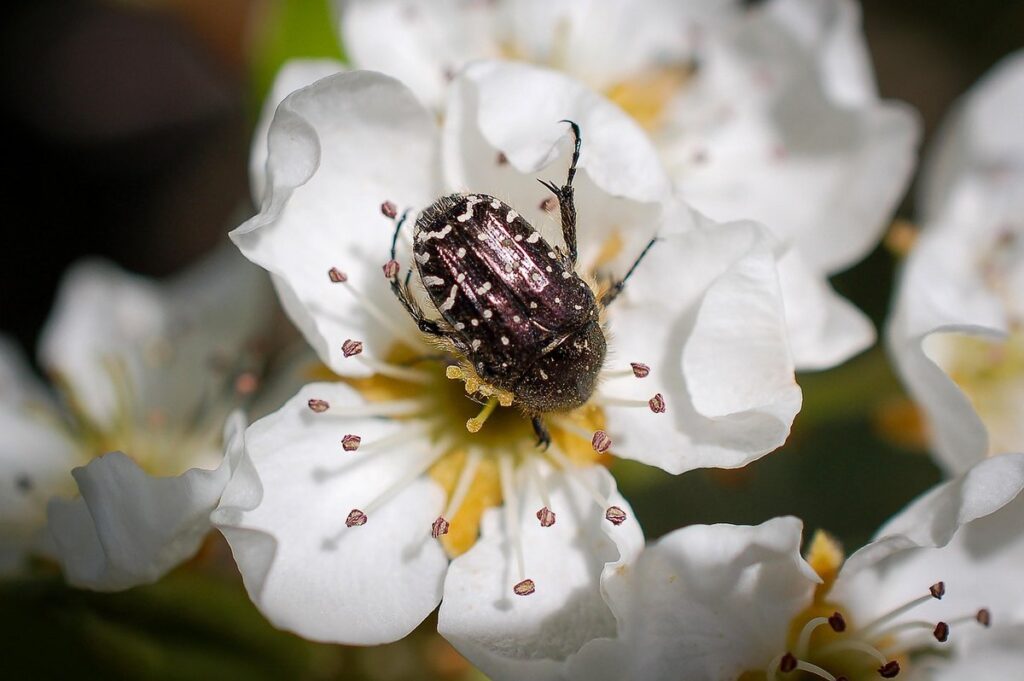
Understanding Pear Tree Pollination Basics
When it comes to growing a healthy and productive pear tree, understanding pollination basics is crucial. Let’s break down the fundamental concepts you need to know to get started.
The Importance of Cross-Pollination in Pears
Cross-pollination plays a vital role in pear tree production, resulting in increased fruit set and variety. When two different pear trees of compatible pollinators are nearby, they can exchange pollen, leading to improved yields and more diverse fruit.
The benefits of cross-pollination become evident when you consider that self-fertile pear varieties often produce smaller or fewer fruit. For instance, the Bartlett variety is considered self-fertile but tends to have lower yields compared to cross-pollinated trees. By planting multiple pear varieties in close proximity, growers can enhance pollination and subsequently increase their harvest.
To maximize cross-pollination, it’s essential to choose pear varieties that bloom around the same time. Planting two or more compatible varieties within 20-50 feet of each other ensures optimal pollination. Some popular pear varieties for cross-pollination include Anjou, Bosc, and Red Anjou. By incorporating these tips into your pear tree management strategy, you can reap the rewards of increased fruit set and a more diverse harvest.
Factors Influencing Pollination Success
When it comes to pear tree pollination success, there are several environmental factors at play. Weather conditions, for instance, can greatly impact the transfer of pollen between trees. A dry spell during blossom time can severely limit pollination, while a warm and wet spring can enhance it. Soil quality is another crucial factor, as nutrient-deficient soil can hinder tree growth and reduce its ability to produce viable pollen.
The presence of nearby plants also plays a significant role in pollination success. A diverse array of flowers within close proximity can attract beneficial insects like bees and butterflies, which facilitate the transfer of pollen between pear trees. Conversely, a lack of floral diversity can lead to reduced pollinator activity and decreased pollination efficiency.
To optimize pollination success, consider planting companion plants that attract pollinators or improving soil quality through organic amendments. By creating a welcoming environment for beneficial insects and providing optimal growing conditions for your pear tree, you can increase the chances of successful pollination.
Pear Tree Pollination Groups Explained
When growing pear trees, understanding pollination groups is crucial for successful fruiting. This section breaks down the different pollination groups to help you choose compatible varieties.
Group A: Diploid and Tetraploid Pears
If you’re growing pear trees, it’s essential to understand that not all varieties are created equal when it comes to pollination needs. Within the larger framework of pear tree pollination groups, there are two main categories: diploid and tetraploid pears.
Diploid pears have 22 chromosomes (2 sets of 11), which is the normal number for most plants. These trees tend to be more vigorous and productive, but they often require a pollinator tree to produce fruit. Popular diploid varieties include Bartlett, Bosc, and Anjou. When selecting a diploid pear tree, it’s crucial to choose a compatible pollination partner within the same group (A). For example, if you have an Anjou tree, look for another variety like Winter Nelis or Moonglow to ensure proper cross-pollination.
Tetraploid pears, on the other hand, have 44 chromosomes (4 sets of 11), which makes them self-fertile. This means they can produce fruit without a pollinator tree nearby. However, tetraploids often require more chilling hours and may be less vigorous than their diploid counterparts. Some popular tetraploid varieties include Starkrimson and Forelle. If you’re considering planting a tetraploid pear tree, keep in mind that it will still benefit from having another tree of the same group nearby to promote healthy cross-pollination.
When selecting trees for your orchard, make sure to choose compatible pollination partners within the same group (A) to ensure proper fruit set. This is especially important if you’re growing diploid pears. By understanding the differences between diploid and tetraploid pear varieties, you can create a thriving and productive pear tree orchard.
Group B: Triploid Pears – A Special Case
Triploid pears are a special case when it comes to pollination. Unlike other pear tree varieties, triploids have sterile pollen, making them unable to pollinate themselves. This means that they require cross-pollination from another pear tree variety to produce fruit.
This unique characteristic makes triploid pears a bit more challenging to plant and maintain than other varieties. However, with the right combination of trees, you can still enjoy a bountiful harvest. The key is to identify compatible pollinators that can provide the necessary pollen for cross-pollination.
When selecting a pollinator for your triploid pear tree, look for a variety that blooms at the same time and has fertile pollen. Some examples of compatible pollinators include ‘Bartlett’, ‘Anjou’, or ‘Red Anjou’. Make sure to plant two trees that are around 20-30 feet apart to ensure proper cross-pollination.
Keep in mind that triploid pears can still produce some fruit without a pollinator, but the yield will be significantly lower. If you’re planning to grow triploid pears, it’s essential to consider their unique pollination requirements and choose a compatible pollinator to maximize your harvest.
Pollinator Management for Pear Trees
To ensure successful pollination of your pear trees, you need to consider the specific needs and habits of various pollinators that visit these flowers regularly. This involves understanding their preferences and behaviors.
Attracting Native Pollinators
Attracting native pollinators to pear trees is crucial for successful pollination. To create an inviting environment, select plants that provide nectar and pollen, the primary food sources for bees and butterflies. Incorporate a variety of flowers from early spring to late summer, such as lavender, coneflower, and black-eyed Susan. These plants will attract native bees like bumblebees, carpenter bees, and honey bees.
In addition to plant selection, consider creating habitats that mimic the natural environments of these pollinators. Leave some areas of your orchard unmanicured, allowing grasses and wildflowers to grow freely. This will provide shelter and nesting sites for solitary bees. Place rocks or logs in the area to serve as basking spots for butterflies.
When planting, consider the proximity of the flowers to your pear trees. Planting a mix of annuals and perennials around the base of each tree can help attract pollinators throughout the growing season. By incorporating native plants and creating habitats that support these beneficial insects, you’ll increase the chances of successful pollination and a bountiful harvest.
Introducing Non-Native Pollinators
When introducing non-native pollinators to pear orchards, careful consideration must be given to their impact on local ecosystems. One of the most common non-native pollinators is the honeybee (Apis mellifera). While they can significantly improve pollination efficiency, it’s essential to assess whether honeybees are a suitable addition to your orchard.
Some benefits of introducing honeybees include increased yields and improved fruit quality due to their high pollination rates. However, it’s crucial to ensure that honeybees don’t disrupt the local pollinator population balance. For example, if native bees become accustomed to relying on non-native sources for food, they may lose their ability to adapt to changing environmental conditions.
To introduce honeybees successfully, start by ensuring there is a reliable source of water and nutrition within the orchard. This can be achieved through strategically placed bee hotels or sugar-water feeders. It’s also essential to establish communication with local beekeepers to learn about their management practices and ensure that the introduction of non-native bees doesn’t exacerbate existing issues in the area.
When selecting a location for honeybee hives, choose an area that receives adequate sunlight and is relatively sheltered from strong winds. Consider the proximity to other pollinator-attracting plants, such as wildflowers or herbs, which can provide a diverse source of nectar and pollen for both native and non-native bees.
It’s worth noting that introducing non-native pollinators should be done in conjunction with strategies to promote native pollinator health and diversity. This might involve creating bee-friendly habitats within the orchard, reducing pesticide use, or implementing integrated pest management (IPM) practices. By taking a holistic approach, you can create a balanced ecosystem that supports both local and non-native pollinators.
Best Practices for Hand-Pollination
When hand-pollinating your pear tree, it’s essential to follow some specific guidelines to ensure a successful pollination process and a bountiful harvest. We’ll cover these best practices in detail below.
Preparation is Key
Before embarking on hand-pollination, it’s essential to prepare thoroughly. This involves gathering the right equipment and mastering various techniques that ensure effective pollination. Start by collecting a set of small, clean paintbrushes (1/2 inch wide), which will be used to transfer pollen from one tree to another.
Choose your trees carefully, ensuring they are compatible within their designated pollination group. Familiarize yourself with the specific requirements for your pear tree variety, including its growth habits and flower characteristics. Remove any debris or flowers that may interfere with the pollination process.
Next, prepare your paintbrushes by gently washing them with mild soap and water. Dry them thoroughly to prevent fungal infections. On the day of pollination, select a brush and carefully dip it into the anther of one tree’s stamen, collecting pollen in the process. Avoid touching any other parts of the plant to prevent contamination.
Timing and Frequency of Pollination
When it comes to hand-pollinating pear trees, timing and frequency are crucial factors to consider. The ideal time for pollination varies depending on the growth stage of your tree.
For young trees (typically 1-2 years old), perform a light hand-pollination in late winter or early spring, around February or March. This helps stimulate fruit set and encourages healthy growth. For established trees (3+ years old), focus on targeted pollination during flowering periods, usually between April and May.
During peak bloom, it’s essential to pollinate multiple flowers within the same tree, as well as between compatible pear trees in your garden. Aim for 2-3 visits per week, spaced about 7-10 days apart, to ensure adequate cross-pollination. Be mindful of weather conditions; avoid hand-pollinating during heavy rain or extreme temperatures.
To maximize efficiency, consider dividing the flower cluster into quadrants and pollinating each section separately. This helps distribute pollen evenly and ensures all areas receive sufficient attention. Keep in mind that over-hand-pollination can lead to reduced fruit quality and increased disease susceptibility.
Pear Tree Breeding and Development
As we dive deeper into pear tree pollination, let’s explore how breeders develop new varieties that thrive within specific pollination groups. This process is crucial for growers to succeed.
The Role of Pollination Groups in Breeding
Understanding pear tree pollination groups is crucial for developing improved varieties through breeding programs. By recognizing the distinct characteristics of each group, researchers and breeders can select desirable traits from within these categories to create new cultivars with enhanced performance.
For instance, if you’re aiming to introduce a disease-resistant trait into your breeding program, identifying which pollination group exhibits natural immunity or resistance will allow you to focus on crossing with those varieties. By doing so, the probability of transmitting this beneficial characteristic increases significantly.
Moreover, understanding pollination groups can also aid in predicting potential compatibility between parents for cross-pollination. This ensures that breeders avoid selecting incompatible combinations, which could result in poor seed set or lower yields. In practical terms, identifying a suitable pollinator from within the same or different pollination group will increase the chances of successful pollination and ultimately lead to more robust offspring.
Effective application of this knowledge can significantly enhance breeding outcomes, enabling researchers to introduce desirable traits into pear tree varieties that meet specific needs of growers and consumers alike.
Recent Advances and Future Directions
Recent advances in pear tree breeding are shedding new light on pollination efficiency and self-fertility. Researchers have made significant strides in developing more efficient pollinators by incorporating genetic diversity into traditional varieties. This is achieved through techniques like grafting, which allows breeders to combine the best traits of different trees.
One notable example is the ‘Bartlett’ variety, known for its self-fertile characteristics. However, even with advancements, most pear tree cultivars still require cross-pollination from a compatible partner within the same pollination group. To optimize pollination, growers can choose varieties that are known to be more efficient or plant multiple trees of different varieties within close proximity.
Additionally, scientists are exploring the use of new breeding technologies like gene editing and marker-assisted selection to create self-fertile pear trees with improved yields and disease resistance. These innovations hold promise for improving pollination efficiency in pear tree cultivation. As a grower, it’s essential to stay informed about these developments and adapt your orchard management practices accordingly.
Frequently Asked Questions
What’s the optimal distance between pear trees for effective cross-pollination?
The ideal distance depends on factors like tree variety, age, and rootstock. Generally, for most varieties, a minimum distance of 15-20 feet (4.5-6 meters) is recommended to ensure adequate pollination. However, some dwarf or semi-dwarf varieties can be planted as close as 10-15 feet (3-4.5 meters) apart.
Can I use native bees for cross-pollination, and are there any specific bee species that prefer pear flowers?
Yes, native bees are valuable pollinators for pear trees. Some species, like honey bees and bumblebees, visit pear flowers regularly. Consider planting a mix of flowers that attract these bees, such as lavender or coneflowers, near your pear tree to enhance cross-pollination.
How can I identify the specific pollination group my pear variety belongs to?
Look for information on the nursery label or consult with the supplier about the tree’s classification (e.g., Diploid, Tetraploid, or Triploid). You can also refer to a detailed guide like the International Pear Association’s classification system. Knowing your tree’s pollination group will help you choose compatible pollinators.
What are some common mistakes gardeners make when attempting hand-pollination?
Yes, one mistake is not preparing the flowers properly before hand-pollination. This involves gently brushing away any debris or dead flowers from the anthers (pollen-producing parts) and stigmas (pollen-receiving parts). Another error is applying too much pressure during hand-pollination, which can damage the delicate reproductive structures.
Can I use non-native pollinators like honey bees for pear trees in areas with limited native pollinator populations?
Yes, introducing non-native pollinators like honey bees can be beneficial in regions where native bee populations are scarce. However, it’s essential to follow local regulations and best practices for introducing non-native species to ensure they don’t harm the environment or outcompete native pollinators.