
Are you tired of nurturing your beloved lemon tree only to be met with disappointing results? If your citrus companion is failing to produce the delicious lemons you’ve come to expect, don’t worry – you’re not alone. Many gardeners face this frustrating issue, but the good news is that it’s often a matter of identifying and addressing a few common problems.
In this article, we’ll explore the most frequent reasons why your lemon tree isn’t producing fruit. From soil quality and nutrient deficiencies to pruning techniques and pest/disease management, we’ll cover all the essential topics to help you get your tree back on track. Whether you’re a seasoned gardener or just starting out, understanding these key factors will empower you to make informed decisions and take corrective action to stimulate fruitful growth in your lemon tree.
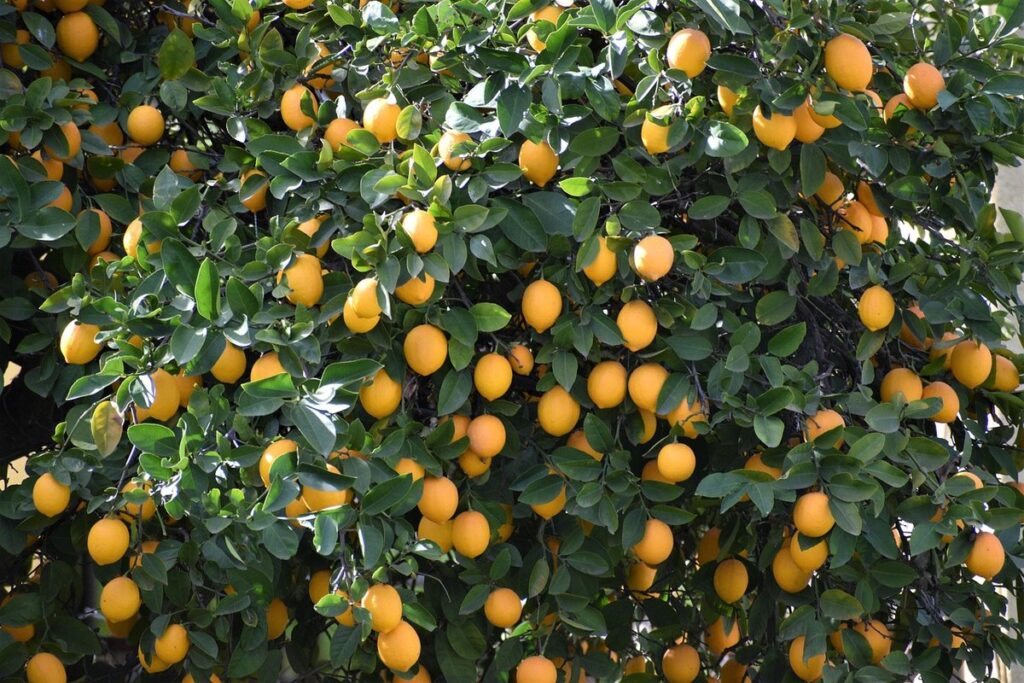
Understanding the Basics of Lemon Trees
To grow a thriving lemon tree, it’s essential to understand its basic needs and characteristics, which we’ll cover next. This foundational knowledge will help you identify potential issues with your tree.
The Importance of Age in Fruit Production
When it comes to growing a thriving lemon tree, understanding its age is crucial for determining when and if you can expect consistent fruit production. Lemon trees typically take around 3-5 years to mature after planting, during which time they will focus on developing their root system and building up energy reserves.
As your lemon tree ages, you’ll start to notice changes in its growth patterns. Between the third to fifth year, the tree will begin to produce flowers and eventually, lemons. However, it’s essential to remember that consistent fruit production is only achieved once the tree reaches full maturity. To give you a better idea, here are some general guidelines: if your lemon tree is still in its juvenile phase (0-2 years), it’s unlikely to produce much fruit at all. But around 3-5 years, you can start expecting a few lemons per year. It’s not until the tree reaches full maturity (around 7-10 years) that you’ll see consistent and abundant fruiting. By understanding your lemon tree’s age and growth stage, you’ll be better equipped to provide it with the care and attention it needs to thrive.
Soil Quality and pH Levels
When it comes to growing a healthy lemon tree that produces an abundance of fruit, soil quality and pH levels play a crucial role. The ideal soil conditions for lemon trees are slightly acidic to neutral, with a pH range of 6.0 to 7.0. If the pH level is too high or too low, it can affect nutrient availability and absorption, leading to poor growth and reduced fruiting.
A good quality potting mix specifically designed for citrus trees will provide the necessary nutrients and acidity levels for optimal growth. When testing your soil, look for a mix with a moderate acidity level and adequate organic matter. Regularly checking your lemon tree’s pH levels can also help you identify any potential issues early on.
Some common signs of poor soil quality include yellowing leaves, stunted growth, or reduced fruit production. To improve soil conditions, consider adding a balanced fertilizer during the growing season (spring-fall) and mulching around the base to retain moisture and regulate temperature fluctuations. This will help create an environment conducive to healthy growth and fruiting.
Nutritional Deficiencies and Fertilization
Nutritional deficiencies can be a sneaky reason why your lemon tree isn’t fruiting, so let’s take a closer look at how to identify and address these issues. A balanced diet for your tree is essential!
Essential Nutrients for Fruit Production
Lemon trees require a balanced diet of essential nutrients to produce fruit. Nitrogen is crucial for leaf growth and development, but excessive amounts can hinder fruiting. Phosphorus plays a key role in root development and flower formation, making it essential for fruit production. Potassium helps regulate water balance and supports overall tree health.
Identifying nutritional deficiencies can be challenging, as symptoms may resemble other issues like pests or diseases. Look for signs of yellowing leaves, stunted growth, or decreased leaf size, which could indicate a lack of nitrogen. Phosphorus deficiency might manifest as pale green or purplish discoloration on new shoots and flowers.
To address these deficiencies, choose fertilizers rich in phosphorus (P) and potassium (K). A balanced citrus fertilizer with a ratio of 10-5-10 N-P-K is suitable for most lemon trees. For example, if your tree has shown signs of nitrogen deficiency, apply a slow-release nitrogen-rich fertilizer during the growing season.
Signs of Over-Fertilization
Over-fertilizing your lemon tree can be a common mistake that leads to poor fruiting and even damage to the tree. So, what are the signs of over-fertilization? Leaf scorching is one of the most noticeable symptoms, where leaves turn yellow or brown at the edges, often curling up and becoming brittle. If left unchecked, this can lead to branch dieback, which is when branches weaken and eventually break off.
Another sign of over-fertilization is an excessive buildup of salts in the soil, which can cause nutrient imbalances that hinder fruit production. You may also notice a drop in fruit quality or quantity if your tree has been over-fertilized for an extended period. To avoid these issues, it’s essential to follow a balanced fertilization schedule tailored to your lemon tree’s specific needs.
Check your fertilizer labels and make sure you’re not exceeding the recommended amounts. If you’ve already applied too much fertilizer, consider flushing the soil with plenty of water to dilute the salts. A good rule of thumb is to fertilize your lemon tree during the growing season (spring-fall) with a balanced fertilizer, and avoid fertilizing during the dormant period (winter).
Environmental Factors Affecting Fruit Production
When it comes to lemons, the right environment is crucial for fruit production. Let’s explore how temperature fluctuations, soil quality, and other external factors can affect your lemon tree’s ability to bear fruit.
Temperature Fluctuations
Temperature fluctuations can be particularly challenging for lemon trees, as they are sensitive to extreme temperatures. Ideally, lemon trees thrive in temperatures between 64°F and 90°F (18°C and 32°C). However, when the temperature drops below 55°F (13°C), the tree’s growth cycle slows down significantly. This can cause the tree to focus its energy on survival rather than fruit production.
During periods of intense heat, typically above 95°F (35°C), lemon trees may drop their flowers or young fruit due to stress. This is because high temperatures disrupt the delicate balance of the tree’s hormone system, which regulates growth and development.
To mitigate the effects of temperature fluctuations, it’s essential to provide your lemon tree with protection from extreme temperatures. You can achieve this by using shade cloth or moving potted trees to a cooler location during intense heatwaves. Additionally, mulching around the base of the tree helps retain moisture and regulate soil temperature. By understanding how temperature affects your lemon tree’s growth cycle, you can take proactive steps to ensure optimal conditions for fruit production.
Water Stress and Drought Tolerance
Adequate water supply is crucial for healthy plant growth and fruit production in lemon trees. However, water stress can also have a negative impact on fruiting. When a lemon tree experiences drought, it may stop producing flowers or reduce the number of fruit it produces. This is because the tree’s energy is focused on survival rather than growth and reproduction.
Lemon trees are relatively drought-tolerant, but they still require regular watering to produce well. A general rule of thumb is to provide about 1 inch of water per week through rainfall or irrigation. To prevent water stress, make sure not to overwater your lemon tree as this can lead to root rot and other problems.
Monitor your tree’s soil moisture by checking the top 2-3 inches of soil for dryness. You can also observe the tree’s leaf color – a healthy lemon tree will have dark green leaves, while stressed trees may turn yellow or wilted. By providing the right amount of water, you can help your lemon tree thrive and produce plenty of fruit.
Pests and Diseases Affecting Fruit Production
When it comes to a thriving lemon tree, pesky pests and diseases can quickly put a damper on fruit production. Let’s take a closer look at some common culprits.
Common Pests and How to Control Them
Aphids, whiteflies, and spider mites are some of the most common pests that can wreak havoc on your lemon tree’s health. These tiny insects can suck sap from leaves and stems, weakening the tree and reducing fruit production.
Aphids, for instance, are soft-bodied insects that feed on plant sap, causing curled or distorted leaves. They can also transmit diseases like citrus greening, which is devastating to lemon trees. To control aphid infestations, spray your tree with a mixture of soap and water, making sure to cover all surfaces evenly.
Whiteflies, on the other hand, are tiny flying insects that feed on plant sap, causing yellowing leaves and stunted growth. To get rid of whiteflies, introduce natural predators like ladybugs or lacewings into your garden. You can also use sticky traps to capture these pests.
Spider mites are tiny, spider-like insects that feed on plant sap, causing fine webbing on leaves. To control spider mite infestations, spray your tree with a strong jet of water to dislodge the mites and their eggs.
Fungal Diseases: Identification and Treatment
Fungal diseases are one of the most common culprits behind a lemon tree’s failure to produce fruit. Root rot and leaf spot are two of the most prevalent fungal diseases that can wreak havoc on your tree’s health. To identify these issues, look for soft or mushy roots, a sweet, unpleasant odor emanating from the soil, or yellowing leaves with black spots.
Root rot is typically caused by overwatering or waterlogged soil, creating an ideal environment for fungi to thrive. Leaf spot, on the other hand, can be attributed to cooler temperatures and high humidity, allowing fungal spores to infect the tree’s leaves. If you suspect either of these diseases, carefully inspect your tree’s roots and leaves, and consider taking a sample to a gardening expert or lab for confirmation.
If caught early, treatment options include adjusting watering habits, pruning infected areas, and applying fungicides as directed. Regularly monitoring your tree’s soil moisture and temperature can help prevent fungal diseases from taking hold in the first place.
Pruning Techniques for Fruit Production
When it comes to encouraging fruit growth, pruning techniques are a crucial aspect of lemon tree care that’s often overlooked. Let’s explore the best methods for maximizing your tree’s potential.
Benefits of Regular Pruning
Regular pruning is often misunderstood as a solely aesthetic practice, but it plays a crucial role in maintaining healthy growth patterns and promoting fruiting in lemon trees. By pruning regularly, you can expect to see an increase in fruit production due to several factors.
Firstly, regular pruning allows for better air circulation within the tree. When branches are allowed to grow unchecked, they can become intertwined, creating a humid microclimate that fosters fungal diseases and pest infestations. Pruning removes these problem areas, giving your lemon tree room to breathe and reducing the risk of disease.
Additionally, pruning helps control water stress by removing dead or diseased wood, which can drain vital resources from the rest of the tree. By promoting healthy growth patterns, you’ll also encourage more vigorous fruiting.
Tips for Effective Pruning
When pruning your lemon tree, timing is everything. Prune during its dormant season, typically between winter and early spring, to minimize stress on the plant. This also helps prevent disease and pests from taking advantage of an open wound.
To prune effectively, focus on removing any dead, diseased, or damaged branches. These can be identified by their grayish color, black spots, or brittle texture. Cut them off at the base, making a clean cut just above a growth node (the small swelling where a leaf meets the stem). Remove any weak or crossing branches that rub against each other and cause damage.
Prune regularly to maintain your lemon tree’s shape and promote healthy growth. Aim for a balanced structure with an open center, allowing sunlight to reach all areas of the plant. Prune back overgrown branches by one-third to encourage new growth. For young trees, prune annually; mature trees can be pruned every 2-3 years.
Some key tips to keep in mind: always use sharp tools to prevent tearing the bark and promote healing. Make clean cuts just above a node for quick recovery. Prune no more than 25% of the tree’s foliage at one time to avoid shocking it. Regular pruning will help your lemon tree thrive, promoting fruiting and overall health.
Conclusion: Addressing Common Issues in Lemon Trees
Now that we’ve explored the common reasons why your lemon tree isn’t fruiting, let’s address some of the most frequent issues to get you back on track. We’ll cover solutions for a healthy and productive harvest.
Recap of Key Points
As you’ve navigated through this article, you’re now equipped with the knowledge to tackle the common reasons why your lemon tree isn’t fruiting. Let’s recap some of the key takeaways: proper planting and soil conditions are essential for a healthy tree, but also consider factors like climate, watering habits, and fertilization practices. Be aware that pest and disease management is crucial in preventing damage to the tree.
Don’t overlook the importance of pruning and training techniques, which can directly impact fruiting. Ensure your lemon tree receives sufficient sunlight and adequate space for growth. Also, keep an eye out for common pests like aphids, whiteflies, and mealybugs, as well as diseases such as root rot, leaf spot, and citrus greening.
To address non-fruiting issues effectively, consider multiple factors simultaneously rather than focusing on a single issue. This holistic approach will help you make informed decisions about your lemon tree’s care. Remember to stay vigilant and adapt to changing conditions throughout the growing season. With this comprehensive understanding and proactive approach, you’ll be well-equipped to revitalize your lemon tree and enjoy a bountiful harvest.
Implementing Solutions and Preventative Measures
Now that you’ve identified the common issues affecting your lemon tree’s fruit production, it’s time to put solutions into action. Implementing preventative measures and addressing existing problems will not only help restore your tree’s productivity but also promote overall health.
Regular pruning is an essential step in maintaining a healthy and productive lemon tree. Prune your tree annually to remove any dead or diseased branches, promoting air circulation and reducing the risk of disease. Remove any weak or crossing branches that may be competing for resources, allowing sunlight to reach fruiting areas. This will also encourage new growth and increase yields.
Additionally, ensure your tree receives adequate nutrients through a balanced fertilizer application. Follow package instructions for application rates and frequency to avoid over-fertilizing, which can damage the tree’s roots. Regular watering habits are also crucial; avoid overwatering, which can lead to root rot and other issues.
Lastly, monitor your tree regularly for pests and diseases, taking swift action if you detect any problems.
Frequently Asked Questions
What are the signs of over-fertilization in lemon trees?
Over-fertilization can cause a range of problems, including reduced fruit production, yellowing leaves, and stunted growth. If you suspect your tree is receiving too much fertilizer, look for signs like excessive leaf growth, nutrient deficiencies, or even death of roots due to toxic buildup. To avoid this issue, it’s essential to follow the recommended fertilizer guidelines and adjust as needed based on your tree’s specific needs.
How often should I prune my lemon tree to promote fruit production?
While regular pruning is crucial for maintaining a healthy tree, the frequency of pruning depends on factors like age, size, and growth rate. As a general rule, prune your lemon tree annually during its dormant season (winter or early spring), removing any dead, diseased, or damaged branches. This will help control growth, maintain air circulation, and direct energy towards fruit production.
Can I still expect my lemon tree to produce fruit if it’s been exposed to pests like aphids or whiteflies?
Yes, even if your lemon tree has been affected by pests like aphids or whiteflies, it may still be able to produce some fruit. However, the quality and quantity of that fruit will likely suffer due to the stress caused by these pests. To minimize damage, focus on integrated pest management strategies, such as introducing beneficial insects, practicing good hygiene, and using targeted pesticides when necessary.
How can I determine if my lemon tree’s soil pH is too high or low?
To assess your tree’s soil pH levels, perform a simple test using a soil testing kit. Compare the results to the recommended pH range for citrus trees (typically between 6.0 and 7.0). If your soil pH falls outside this range, consider adjusting it by adding lime to raise the pH or sulfur to lower it.
What should I do if my lemon tree shows no signs of recovery after implementing changes to its environment?
If you’ve made adjustments to your tree’s environment (such as pruning, fertilizing, or repotting) and still see no improvement in fruit production, it may be time to consider more drastic measures. In this case, consult with a local gardening expert or nursery professional for personalized advice, as they can help identify underlying issues specific to your climate, soil type, or tree variety.