
Growing juicy peppers in pots is one of the most rewarding experiences for any gardening enthusiast. Whether you have limited space or want to add some vibrant color to your balcony, container-grown peppers are a great choice. Not only do they thrive in smaller spaces, but they also require less maintenance and can produce an abundance of delicious fruit. However, growing peppers in pots comes with its own set of challenges, such as selecting the right variety and potting mix. In this comprehensive guide, we’ll walk you through everything you need to know about growing peppers in containers, from choosing the perfect pepper varieties to understanding how to select the right container and potting mix for optimal growth. By following our expert tips and tricks, you’ll be enjoying a bountiful harvest of juicy peppers in no time!
Choosing the Right Pepper Variety
When it comes to growing peppers in pots, selecting the right variety is crucial for a bountiful harvest and desired flavor profile. Let’s explore the factors to consider when choosing your pepper variety.
Understanding Pepper Types
When it comes to growing peppers in pots, one of the most critical decisions you’ll make is choosing the right variety. With so many types of pepper varieties available, selecting the perfect one can be overwhelming. Let’s break down the main categories and factors to consider.
Sweet bell peppers are a popular choice for container gardening due to their high yields and compact growth habits. They come in a range of colors, including green, red, yellow, orange, and purple. When selecting sweet bell pepper varieties, look for ones that mature quickly (around 60-70 days) and have a bushy habit.
Hot peppers are another category, perfect for adding some heat to your dishes. They come in various shapes and sizes, from small, compact Thai chilies to large, mild Anaheim peppers. Some popular hot pepper varieties include jalapeño, habanero, and serrano.
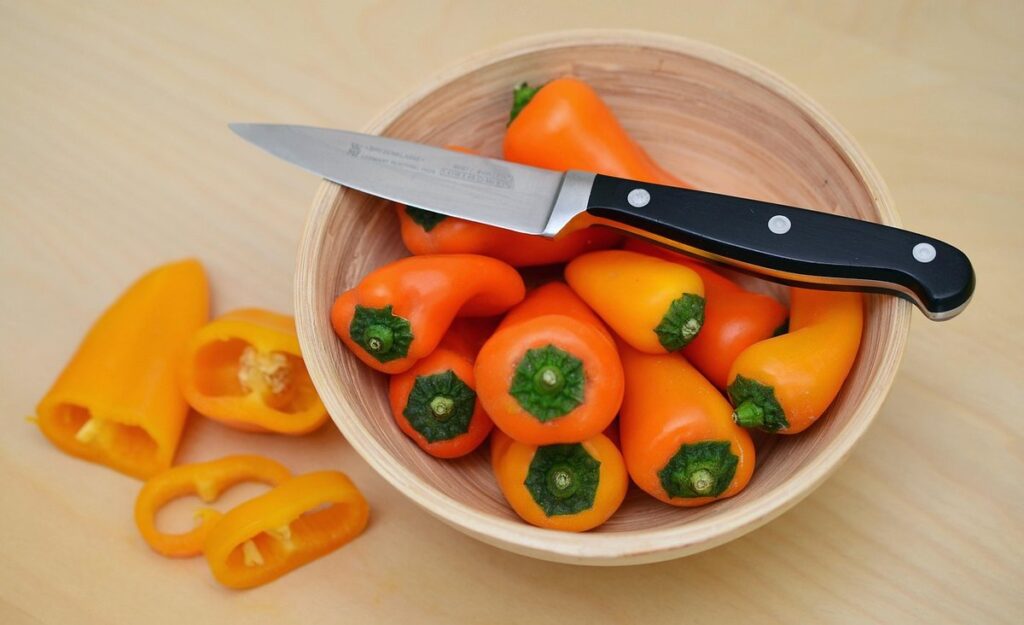
Specialty pepper varieties like sweet cherry peppers, miniature bell peppers, and ornamental peppers offer unique characteristics that can add visual interest to your container garden. When choosing a specialty variety, consider its growth habits, maturity days, and care requirements.
Before selecting a variety, think about the space you have available in your pot and how much sunlight it receives. Also, keep in mind the climate and temperature requirements for each variety. This will help you choose the perfect pepper for your container garden.
Climate and Soil Considerations
When growing peppers in pots, it’s essential to consider climate and soil conditions that will impact their growth. Temperature is a critical factor; most pepper varieties thrive in temperatures between 65°F (18°C) and 75°F (24°C). If you live in an area with extreme temperature fluctuations, choose pepper varieties that are tolerant of heat or cold.
Sunlight is also crucial for pepper plants, which require at least six hours of direct sunlight per day. If you’re growing peppers indoors, use grow lights to supplement natural light. When it comes to potting mixes, opt for a nutrient-rich blend specifically designed for container gardens. Avoid using regular garden soil, as it can compact and prevent proper drainage.
Consider the following tips when selecting a potting mix: look for mixes with added organic matter like peat moss or coconut coir, which retain moisture and nutrients. Also, check the pH level of your potting mix; most pepper varieties prefer a slightly acidic to neutral soil pH between 6.0 and 7.0. By choosing the right climate and soil conditions, you’ll be well on your way to growing healthy and productive peppers in pots.
Preparing the Perfect Potting Mix
When growing peppers in pots, a well-balanced potting mix is essential for healthy root development and optimal fruit production. Let’s dive into creating the perfect blend for your pepper plants.
Key Ingredients for Pepper Success
When it comes to growing peppers in pots, a well-draining potting mix is crucial for healthy growth. To create an ideal mix, you’ll want to focus on incorporating key ingredients that provide excellent drainage, aeration, and nutrient retention. Start with a base of high-quality potting soil, then add in compost to enrich the mix with essential nutrients. About 10-20% of the mix should be comprised of organic matter like compost.
For added drainage, perlite or vermiculite can be incorporated at a rate of around 10-20%. These ingredients help break up clay particles and improve water penetration, reducing the risk of waterlogged soil. Another option is to use coconut coir, which has excellent water-holding capacity while still allowing for air circulation.
When blending these ingredients together, aim for a mix that’s approximately 50% potting soil, 20-30% compost, and 10-20% perlite or vermiculite. This combination will provide the perfect balance of nutrients, drainage, and moisture retention to support healthy pepper growth in your pots.
DIY vs. Store-Bought Potting Mixes
When it comes to growing peppers in pots, one of the most crucial decisions you’ll make is what type of potting mix to use. You have two main options: making your own potting mix from scratch or buying a pre-mixed store-bought variety.
Making your own potting mix offers several advantages. For instance, you can tailor the mix to suit the specific needs of your peppers by adjusting the ratio of ingredients such as peat moss, vermiculite, and perlite. This level of customization is difficult, if not impossible, with store-bought mixes. Additionally, using local or recycled materials for your potting mix reduces waste and supports sustainable gardening practices.
However, making your own potting mix also has its drawbacks. It can be time-consuming to source the right ingredients and mix them together. Moreover, unless you’re an experienced gardener, it’s easy to make mistakes that can harm your plants. On the other hand, store-bought mixes are often convenient and relatively inexpensive.
When choosing a pre-mixed potting mix, look for one specifically designed for container gardens or seed starting. These mixes typically have a higher concentration of organic matter and nutrients to promote healthy root growth. Some popular ingredients in these mixes include peat moss, coconut coir, and worm castings.
Ultimately, the decision between making your own potting mix and buying store-bought comes down to personal preference and your level of gardening experience. If you’re short on time or unsure about how to create an effective mix, a high-quality pre-mixed variety is often the better choice. However, if you enjoy experimenting with different ingredients and want complete control over what goes into your potting mix, making your own may be the way to go.
Container Selection and Placement
When choosing a container for your pepper plants, consider factors such as size, drainage, and material to ensure optimal growth. A well-placed pot can make all the difference in successful pepper cultivation.
Choosing the Right Container Size and Material
When selecting a container for growing peppers, the size and material are crucial factors to consider. Peppers require adequate root space to grow well, so choose a pot that’s at least 5-7 gallons deep to accommodate their taproot. A deeper pot also helps with drainage, which is essential for preventing waterlogged soil.
For optimal growth, peppers need direct sunlight exposure of at least 6 hours a day. Select a container that allows for good air circulation and can withstand varying temperatures. Plastic or resin pots are suitable options as they retain heat well and can be made to have built-in drainages holes.
Avoid using thin-walled ceramic or clay pots, as they tend to crack under temperature fluctuations. Also, ensure the pot has adequate drainage holes (at least 2-3) to prevent waterlogged soil. If your chosen container doesn’t already have them, drill some holes at the bottom for proper drainage. This will help maintain a healthy balance of moisture and prevent root rot.
When deciding between different materials, consider factors like durability and weight. For instance, wooden planters can be attractive but often require more maintenance due to potential wood rot or insect infestations.
Maximizing Sunlight Exposure
When growing peppers in pots, sunlight exposure is crucial for healthy growth and high yields. Since most gardens receive some shade, especially during peak sun hours, it’s essential to strategize container placement to maximize sunlight.
For containers that can’t be moved, consider using mirrors or reflective materials to bounce direct sunlight onto the plants. This technique works best when placed at an angle to reflect the sun’s rays directly towards the pepper plants.
Another approach is to use trellises or stakes to train the pepper plants upwards, allowing them to stretch towards available light. For shaded areas with a few hours of direct sunlight each day, position your containers near windows or on south-facing patios for supplemental light.
In extreme shade conditions, consider using grow lights as an alternative. With careful placement and adequate lighting, you can still achieve successful pepper harvests even in the most challenging spaces.
Sowing Seeds or Transplanting Seedlings
When growing peppers in pots, you have two main options for getting started: sowing seeds directly into the container or transplanting seedlings from smaller pots. Choose wisely!
Sowing Seeds Directly in the Container
When sowing pepper seeds directly into a container, you’ll want to make sure the soil is ready for them. Start by filling your pot with a high-quality seed starting mix that’s specifically designed for containers. This type of mix will help retain moisture and provide good drainage for the developing roots.
As you fill the pot, make sure to gently firm the mix as you go, avoiding any air pockets that can cause seeds to rot. Pepper seeds should be sown about ¼ inch deep and 2-3 inches apart in the container, depending on the variety. For larger pepper varieties, you may need to sow them a bit farther apart.
Water the seeds gently but thoroughly after planting, making sure the soil is consistently moist but not waterlogged. Keep the pot in a warm location with temperatures around 70-80°F (21-27°C) until germination occurs. It’s essential to maintain consistent moisture during this period to ensure healthy seedling development. By following these guidelines, you’ll be giving your pepper seeds the best possible start in life and setting them up for success as they grow into robust plants.
Transplanting Seedlings from Small Pots
Transplanting seedlings from small pots to larger containers or garden beds is an essential step in growing peppers in pots. When transplanting pepper seedlings, it’s crucial to handle them gently to prevent damage to the roots and leaves.
To minimize shock, water the seedlings thoroughly a day before transplanting. This helps to settle the soil and makes it easier to remove the seedling from its pot. Use a spoon or your fingers to carefully loosen the roots, working from the bottom of the pot upwards. Gently lift the seedling out of its pot and place it in the new container or garden bed.
When transplanting into larger containers, make sure the soil is at least as deep as the original pot to accommodate the root system. Water the seedlings well after transplanting and provide adequate care, including sufficient light, water, and nutrients, to support healthy growth.
Watering and Fertilization Strategies
Effective watering and fertilization are crucial for pepper plants grown in pots, where space and nutrients can quickly become limited. Here, we’ll share expert tips to help you optimize these essential care practices.
Watering Tips for Peppers in Containers
When it comes to watering peppers in containers, maintaining consistent moisture levels is crucial for optimal growth. The ideal frequency of watering depends on several factors, including climate, soil type, and plant size.
In hot and dry climates, peppers in pots may require daily watering, especially during the peak summer months when temperatures soar above 90°F (32°C). In contrast, cooler climates with ample rainfall might only need to be watered every other day. Keep an eye on the top inch of soil; if it feels dry to the touch, it’s time for a drink.
The type of potting mix used can also impact watering frequency. Well-draining mixes, like those containing perlite or vermiculite, tend to dry out faster than dense mixes. Conversely, larger pepper plants may require more frequent watering due to their increased water demands.
As a general rule of thumb, aim to provide about 1-2 gallons of water per week for each container. You can also check the moisture level by sticking your finger into the soil up to the knuckle; if it feels dry, water accordingly. Avoid overwatering, which can lead to root rot and other issues.
Fertilizing for Optimal Pepper Growth
When it comes to growing peppers in pots, fertilization plays a crucial role in promoting optimal growth. As peppers require a balanced diet of nutrients to produce an abundance of fruit, it’s essential to choose the right type of fertilizer and apply it at the correct frequency.
Organic fertilizers such as compost tea, fish emulsion, or bone meal are excellent choices for pepper plants. These options release their nutrients slowly, providing a steady supply of nitrogen, phosphorus, and potassium that peppers need to thrive. For example, compost tea is rich in beneficial microbes that enhance soil structure and fertility.
On the other hand, synthetic fertilizers like ammonium nitrate or urea provide a rapid burst of nutrients but may cause an imbalance if overused. A balanced fertilizer containing 10-10-10 NPK (nitrogen-phosphorus-potassium) is a safer option for pepper plants. Apply a liquid fertilizer once a week during the growing season, and switch to a slow-release granular fertilizer in spring and summer when peppers are producing fruit.
Peppers require a high concentration of potassium to produce a bountiful harvest, so make sure your fertilizer has a balanced NPK ratio.
Common Challenges and Troubleshooting
As you navigate the world of growing peppers in pots, it’s not uncommon to hit a few bumps along the way. This section will help you troubleshoot common issues that can arise and find solutions quickly.
Dealing with Pests and Diseases
Pepper plants grown in pots can be susceptible to pests and diseases that can severely impact their growth and productivity. Aphids, whiteflies, and powdery mildew are some of the most common issues you might encounter.
Aphids are small, soft-bodied insects that feed on plant sap, causing curled or distorted leaves. To prevent aphid infestations, ensure your pepper plants receive adequate air circulation by keeping them at least 6-8 inches apart and providing good ventilation in the growing area. Regularly inspect your plants for signs of aphids, such as sticky honeydew droplets on the leaves.
Whiteflies are tiny flying insects that also feed on plant sap, causing similar damage to aphids. Use fine mesh or fine-netted row covers to prevent whiteflies from reaching your pepper plants. Organic control measures include introducing natural predators like ladybugs or lacewings into your growing area.
Powdery mildew is a fungal disease characterized by a white powdery coating on the leaves and stems of pepper plants. Prevent powdery mildew by maintaining good air circulation, watering carefully to avoid overwatering, and removing infected leaves.
Addressing Nutrient Deficiencies and Other Issues
When growing peppers in pots, it’s not uncommon to encounter nutrient deficiencies and other issues that can impact plant health and productivity. One of the most common nutrient deficiencies is nitrogen (N) deficiency, which can cause yellowing or pale green leaves, stunted growth, and reduced fruit production.
To address N deficiency, make sure your potting mix contains a balanced fertilizer with a high N content. You can also side-dress with a water-soluble fertilizer rich in N during the growing season. For example, if you’re using a 20-20-20 (N-P-K) fertilizer, consider switching to a 10-0-10 or 15-0-15 formula for a boost of N.
Other common nutrient deficiencies include magnesium (Mg) and potassium (K) deficiency. Magnesium deficiency can cause curling leaves and stunted growth, while potassium deficiency can lead to poor fruit set and reduced plant vigor. To prevent these issues, ensure your potting mix is well-draining and contains a balanced fertilizer with adequate Mg and K content.
Fungal infections are another common issue that can affect pepper plants in pots. These can be caused by overwatering or poor air circulation, leading to conditions like powdery mildew or root rot. To prevent fungal infections, ensure good air circulation around your plants, avoid overwatering, and use a fungicide if necessary.
Poor fruit set is another issue that can occur when growing peppers in pots. This can be caused by inadequate pollination, temperature fluctuations, or nutrient deficiencies. To promote healthy fruit set, provide adequate sunlight (at least 6 hours of direct sunlight), maintain consistent temperatures between 65-75°F (18-24°C), and ensure good air circulation.
If you do encounter any of these issues, don’t panic! They can often be addressed with a simple adjustment to your care routine.
Harvesting and Storing Your Homegrown Peppers
Now that your pepper plants are thriving, let’s talk about how to bring in the harvest: picking at the right time and storing them to preserve freshness. This ensures you can enjoy your homegrown peppers all year round!
Timing the Perfect Harvest
Determining when to harvest peppers is crucial for enjoying their sweet flavor and crunchy texture. As peppers ripen, they undergo a series of changes that indicate readiness. One of the most noticeable signs is a color change. While some varieties retain their green hue even at full maturity, others turn yellow, orange, red, or purple. For example, bell peppers usually transition from green to their final color, which can range from bright red to deep purple.
To confirm ripeness, gently touch the pepper’s skin. Ripe peppers are slightly soft to the touch but still firm enough to hold their shape. Unripe peppers will be hard and woody. Another way to check is by tasting a small area of the pepper. Ripe peppers have a sweet, slightly tangy flavor.
Keep in mind that some pepper varieties, like those bred for specific colors or shapes, may not exhibit these changes as pronouncedly. In such cases, check the seed packet or consult with an expert for guidance on when to harvest your particular variety.
Preserving Your Pepper Harvest
When it’s time to harvest your homegrown peppers, you’ll want to enjoy them for as long as possible. Fortunately, there are several ways to store and preserve your pepper bounty. Refrigeration is a simple method that involves washing and drying the peppers, then storing them in an airtight container or plastic bag in the crisper drawer of your refrigerator.
For longer-term storage, consider freezing or canning your peppers. To freeze, slice or chop the peppers and place them in airtight containers or freezer bags, making sure to remove as much air as possible before sealing. Frozen peppers are perfect for soups, stews, and sauces. Canning is another option, but be sure to follow safe canning practices to avoid spoilage.
Pickling is also a great way to preserve peppers, allowing you to enjoy them in salads or as a side dish throughout the year. To pickle, slice the peppers thinly and soak them in a brine solution of vinegar, salt, and water for several days. Store pickled peppers in an airtight container in the refrigerator.
When storing your peppers, be sure to keep them away from direct sunlight and heat sources to prevent spoilage.
Frequently Asked Questions
What if I accidentally overwater my pepper plants, and they start to show signs of root rot?
Yes, this is a common mistake when growing peppers in pots! Overwatering can be detrimental to the health of your plants. If you notice any signs of root rot, such as yellowing leaves or soft stems, stop watering immediately and inspect the roots for damage. Prune any affected areas and repot the plant in fresh potting mix with improved drainage.
Can I use regular potting soil from my local nursery for growing peppers, or do I need a specialized mix?
While regular potting soil can work for peppers, it’s not always the best choice. Pepper plants prefer well-draining mixes with a slightly acidic pH (around 6.0-7.0). Consider using a balanced fertilizer-rich potting mix specifically designed for containers and peppers.
What are some common pests that target pepper plants in pots, and how can I prevent infestations?
Some common pests that affect pepper plants include aphids, whiteflies, and spider mites. To prevent infestations, ensure good air circulation around your plants, keep them clean, and inspect for pests regularly. Use neem oil or insecticidal soap as a natural deterrent.
Can I grow multiple types of peppers in the same container, or should I dedicate separate containers to each variety?
Yes, you can grow multiple pepper varieties in the same container! However, make sure they have similar growing requirements and aren’t competing for resources. Consider companion planting techniques to optimize growth and reduce pests.
How do I know if my pepper plants are receiving enough sunlight? What are some signs of insufficient light?
Pepper plants require at least 6 hours of direct sunlight per day to thrive. Signs of insufficient light include pale or weak stems, reduced fruit production, and leaf discoloration. If you notice these symptoms, consider moving your container to a brighter location or supplementing with grow lights.