
As you tend to your garden, have you ever wondered which plants will thrive in your specific UK climate? The country is divided into 10 hardiness zones, each with its unique challenges and opportunities. Choosing the right plants for your zone can make all the difference between a lush, vibrant garden and one that struggles to survive. With climate change adaptation becoming increasingly important, selecting plants that are adapted to your area’s temperature fluctuations is more crucial than ever.
In this article, we’ll explore how to optimize your garden for your specific hardiness zone across the UK. We’ll dive into expert advice on plant selection, frost protection, and other essential tips to ensure your garden not only survives but thrives in the face of climate change. By the end of this article, you’ll be equipped with the knowledge to create a resilient and beautiful garden that’s perfectly suited to your local environment.
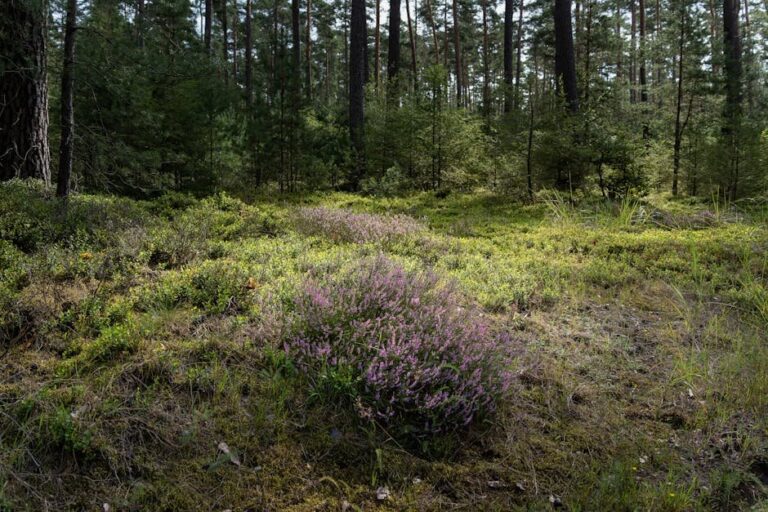
Understanding UK Hardiness Zones
To grow plants successfully, it’s essential to understand the UK hardiness zones, which will help you choose the right varieties for your garden and climate. Let’s dive into the details of these zones.
What are Hardiness Zones?
Hardiness zones are an essential concept for gardeners to understand when it comes to planting and gardening success. In simple terms, hardiness zones refer to the geographical areas where specific plants can grow and thrive without being damaged by extreme temperatures. The importance of hardiness zones lies in their ability to guide gardeners on what plants will perform well in their area, reducing the risk of crop failure or damage.
To put it into perspective, consider a plant that’s typically grown in warmer climates but might not tolerate frost. If you live in an area with frequent frosts, it wouldn’t make sense to plant this type of vegetation, as it would likely suffer or even die due to the cold temperatures. The UK’s hardiness zones categorize regions based on their lowest temperature tolerance, making it easier for gardeners to choose suitable plants.
The key difference between hardiness zones and other climate classification systems is that they specifically focus on plant tolerance to extreme temperatures. Unlike some other climate classification systems, which may group areas by overall climate or region, the hardiness zone system provides a more precise guide for selecting compatible plants for your specific location.
Creating a Garden Plan Based on Hardiness Zone Maps
When creating a garden plan for your UK region, it’s essential to use hardiness zone maps as a foundation. These maps categorize areas based on their average annual extreme minimum temperature, helping you determine which plants will thrive in your local conditions.
Start by consulting the Royal Horticultural Society’s (RHS) hardiness zone map, which divides the UK into 12 zones ranging from 1 (the coldest) to 10 (the mildest). Identify your specific zone and note its frost dates. This information will help you decide when to plant sensitive species.
Consider factors like temperature fluctuations between spring and winter. For example, if you’re in Zone 7 or higher, you may experience relatively warmer winters, making it suitable for plants that would otherwise be too tender. Conversely, in colder zones (1-5), opt for hardy varieties that can withstand harsher temperatures.
When selecting plants, refer to their specific hardiness ratings and match them with your local zone. A simple rule of thumb: choose varieties rated one zone higher or lower than your area’s rating. This ensures you’re planting species adapted to your region’s climate extremes, increasing the chances of a successful garden.
Plant Selection for UK Hardiness Zones
When choosing plants for your garden, it’s essential to select varieties that thrive in your specific UK hardiness zone. This section will help you navigate the best plant options for each region of the country.
Choosing Plants Suitable for Your Zone
When selecting plants for your garden, it’s essential to choose varieties that thrive in your specific UK hardiness zone. This will ensure they receive the right amount of moisture, sunlight, and temperature, ultimately leading to healthy growth and minimal maintenance.
Each of the 10 hardiness zones in the UK has its unique set of climate conditions. For example, plants like roses and lavender prefer the milder temperatures of Zone 7-9, while conifers and yew tolerate the colder conditions of Zones 1-5. Consider visiting your local nursery or gardening store to get advice on zone-specific plant recommendations.
To determine which plants are suitable for your area, research the hardiness rating of potential purchases (usually indicated by a number from -10 to +20). You can also refer to plant labels or consult with a gardening expert. Remember, even if you’re tempted by a particular variety, it’s better to opt for one that’s specifically bred for your zone than risk losing it due to extreme weather conditions.
Keep in mind that some plants are more adaptable than others and can tolerate variations within their hardiness range. However, it’s always safer to err on the side of caution and choose varieties with a narrower temperature tolerance for optimal results.
Using the RHS Plant Finder Database for Zone-Specific Recommendations
The RHS Plant Finder Database is an invaluable resource for UK gardeners to discover plants that thrive in their specific hardiness zone. To use this database effectively, simply visit the RHS website and enter your postcode to reveal a list of plants suitable for your area. The database includes over 72,000 plants, with detailed information on each species’ hardiness rating.
When searching for zone-specific recommendations, filter your results by ‘hardiness’ or ‘plant type’, and select your chosen zone from the drop-down menu. This will reveal a curated list of plants that are well-suited to your local climate and conditions. For example, if you’re in Zone 7, you can search for plants with a hardiness rating of H7 (the RHS assigns hardiness ratings on a scale of H1-H10).
By using the RHS Plant Finder Database, you’ll be able to make informed decisions when selecting plants for your garden, reducing the risk of choosing species that won’t thrive in your local environment. This will not only save you money and time but also ensure the long-term success of your garden project.
Tips for Gardening in UK Hardiness Zones
When planting in the UK, understanding your hardiness zone is crucial to selecting suitable plants that will thrive in your garden’s specific climate. We’ll share practical tips for gardening success in each region.
Protecting Plants from Frost and Extreme Weather Conditions
When the UK’s unpredictable weather takes a turn for the worse, protecting your plants from frost and extreme conditions is crucial to prevent damage or even kill them off. As we discussed earlier, UK hardiness zones determine which plants are best suited for specific regions, but it’s equally important to have strategies in place to safeguard your garden during harsh weather.
One of the simplest and most effective ways to protect plants is by using frost blankets. These breathable covers can be placed directly over plants to retain warmth, reducing damage from light frosts. You can also use old sheets or even a tarpaulin as an alternative, but keep in mind that these may not breathe as well, potentially causing more harm than good.
If you have a greenhouse or any other sheltered area, utilize it! This is the perfect opportunity to move sensitive plants indoors during extreme weather. Make sure to maintain a stable temperature and humidity level to avoid shocking your plants further. Another option is to bring potted plants closer to the house or under an awning for protection.
When covering plants, ensure they’re still receiving adequate air circulation to prevent moisture buildup and potential fungal diseases. You can also create your own mini-greenhouse effect using row covers or cold frames. These structures allow light in while maintaining a warmer temperature, perfect for extending the growing season. By taking these precautions, you’ll be able to protect your plants from frost and extreme weather conditions, ensuring their survival and continued growth throughout the year.
Strategies for Extending the Growing Season
When it comes to making the most of our UK garden’s growing season, employing strategies to extend it can make all the difference. By harnessing microclimates, using row covers, and implementing other techniques, you can coax an extra few weeks (or even months) out of your plants’ productive lifespan.
One effective way to exploit microclimates is by identifying areas in your garden that receive more sunlight or warmth than others. For example, a south-facing wall or a spot near a heat source like a shed can become a mini-greenhouse effect. Plant your most sensitive species in these zones and reap the benefits of their optimal conditions.
Another technique for extending the growing season is to use row covers – lightweight, breathable fabrics that trap warmth and protect plants from frost. Apply them over beds at night or on chilly mornings, then remove by day as temperatures rise. This simple yet effective method can add valuable weeks to your harvest.
Consider experimenting with cold frames, too: these are essentially mini-greenhouses for individual beds, providing a protected environment for early spring planting or late-season extension. You can also utilize the ‘succession sowing’ technique, where you plant small batches of seeds at regular intervals to ensure a continuous harvest throughout the season. By implementing these strategies, you’ll be able to enjoy your garden’s bounty for longer and reap the rewards of a successful, productive growing season.
Specific Zone Challenges and Solutions
Now that you know which hardiness zone your garden falls into, let’s tackle some specific challenges you might face in each region. We’ll explore solutions to overcome these hurdles.
Gardening in Urban Areas: Challenges and Opportunities
Gardening in urban areas can be particularly challenging due to limited space and increased temperatures. Urban heat islands, where built-up areas absorb and retain heat, can lead to higher temperatures than surrounding rural areas. This can cause stress for plants, affecting their growth and flowering periods.
Air pollution is another significant concern in urban gardens. Particulate matter (PM) and nitrogen dioxide (NO2) can damage plant leaves and affect photosynthesis. However, there are opportunities for gardening in these conditions. For example, using compact or dwarf varieties of plants that thrive in containers can be an effective solution for limited space.
Another strategy is to choose plants that are resilient to pollution and heat stress. Plants like succulents and sedums are well-suited to urban environments due to their drought tolerance and adaptability. Incorporating green roofs or walls can also help mitigate the effects of air pollution by providing a buffer zone between buildings and streets. By selecting suitable plants and using smart gardening techniques, you can successfully garden in even the most challenging urban areas.
When selecting plants for your urban garden, consider factors like compact growth habits and tolerance to extreme temperatures and pollutants. Research local nurseries or suppliers that specialize in pollution-tolerant plants. Regular maintenance, such as watering and pruning, is also crucial for keeping plants healthy in urban environments.
Coastal Gardeners’ Guide to Managing Salt Spray and Wind
Coastal gardeners face unique challenges when it comes to managing their gardens. The constant barrage of salt spray and wind can be devastating for plants, causing damage that’s hard to reverse. To mitigate these effects, choose plants with a high tolerance for salt and wind. Shrubs like Sea Rosemary (Rosmarinus officinalis) and Heather (Erica spp.) are excellent choices for coastal areas.
When selecting perennials, opt for species that can handle the intense salt spray and wind. Succulents and alpines like Sedum and Phlox subulata are great options. For trees, consider varieties like Eucalyptus and Birch, which have adapted to withstand harsh coastal conditions.
Prune your plants regularly to promote healthy growth and reduce damage from salt spray and wind. Remove any dead or dying branches to prevent the spread of disease. Mulch around plant bases to retain moisture and protect roots from salt damage. By taking these steps, you can create a thriving coastal garden that’s resilient to salt spray and wind. Regularly inspect your plants for signs of damage and take corrective action promptly to maintain their health.
Planning and Maintenance for a Resilient UK Garden
To ensure your garden stays resilient and healthy, let’s dive into planning and maintenance tips that cater to your specific hardiness zone. This will help you avoid common pitfalls and create a thriving oasis.
Designing Gardens for Climate Change Adaptation
As we continue to navigate the challenges of climate change, designing gardens that can withstand its effects has become increasingly important. When it comes to creating a resilient garden in the UK, there are several key considerations to keep in mind.
Firstly, selecting drought-tolerant species is crucial for adapting to changing weather patterns. Plants such as succulents and grasses are ideal choices, as they require minimal watering and can thrive in dry conditions. Consider adding native plants like wildflowers or shrubs that have evolved over time to cope with local climate fluctuations.
In addition to selecting the right plants, implementing rainwater harvesting systems is also a great idea. Collecting and storing rainwater for irrigation reduces the pressure on municipal water supplies and minimizes stormwater runoff. Installing smart irrigation systems, which use sensors and weather forecasts to optimize watering schedules, can also significantly reduce water waste.
By incorporating these strategies into your garden design, you’ll be well-equipped to handle the uncertainties of climate change. Remember, a resilient garden is one that’s adaptable, sustainable, and – above all – beautiful.
Seasonal Tasks for Maintaining a Healthy and Thriving Garden
Maintaining a healthy and thriving garden requires regular attention throughout the year. As we’ve discussed earlier, understanding your UK hardiness zone is crucial for selecting the right plants, but it’s equally important to perform seasonal tasks that promote soil health, prevent pests and diseases, and encourage plant growth.
In spring, pruning is essential to remove dead or damaged branches, allowing new growth to emerge. Consider using a pair of secateurs to trim back perennials like roses, lavender, and conifers, promoting healthy stem structure and increasing air circulation. Mulching also plays a vital role at this time, helping retain moisture and suppress weeds.
During summer months, monitor soil pH regularly, as the increased plant growth can lead to changes in acidity levels. Composting is another critical task, breaking down organic matter into nutrient-rich fertilizer that will benefit your plants throughout the growing season. Regularly inspect your garden for signs of pests or diseases, taking prompt action to prevent infestations from spreading.
In autumn and winter, focus on preparing your garden for the upcoming seasons. Clean up debris, prune back perennials, and apply a layer of mulch to protect soil from freezing temperatures. By following these seasonal tasks, you’ll be well-equipped to maintain a healthy, thriving garden in your UK hardiness zone, regardless of the season.
Frequently Asked Questions
How do I determine my UK hardiness zone for specific gardening tasks?
To ensure you’re selecting the right plants for your garden, understand which hardiness zone you fall under. You can check the Royal Horticultural Society’s (RHS) Plant Finder Database or consult a reliable online resource that maps hardiness zones across the UK.
What are some common mistakes to avoid when choosing plants suitable for my hardiness zone?
Don’t select plants based solely on their popularity; instead, choose varieties adapted to your specific climate and temperature fluctuations. Be cautious of plants with similar but not identical hardiness ratings, as this can still lead to disappointing results in your garden.
How can I extend the growing season in my UK garden for optimal plant growth?
Use strategies like providing protection from extreme weather conditions, choosing cold-hardy plants, and incorporating row covers or other frost-prevention methods. Consider implementing a succession planting plan to ensure a continuous harvest throughout the seasons.
Can I still grow plants that are rated for higher hardiness zones in my lower-rated zone, or vice versa?
While it’s possible to push some varieties beyond their recommended hardiness zone, this can be risky and may not guarantee success. It’s generally best to stick with plants adapted to your specific climate to ensure they thrive and minimize potential losses.
How do I handle the challenges of gardening in an urban area with limited space within my UK hardiness zone?
Make the most of available space by choosing compact or dwarf varieties, using vertical gardening techniques, or incorporating a raised bed system. Consider container gardening as another option for small spaces while still selecting plants suitable for your local hardiness zone.