
Are you tired of backbreaking gardening work and struggling soil that seems to swallow your favorite plants whole? You’re not alone. Many gardeners face these challenges, but what if there was a way to create a thriving oasis without sacrificing your weekends or ruining your back? Enter the world of no-dig raised beds – a game-changing approach to gardening that’s gaining popularity fast. By skipping the tilling and digging, you can preserve soil health, boost yields, and enjoy a stress-free gardening experience. In this article, we’ll show you how to build and maintain your own sustainable garden using no-dig raised beds, from design to care. Get ready to transform your outdoor space into a lush haven that’s easy on the eye and even easier to manage!
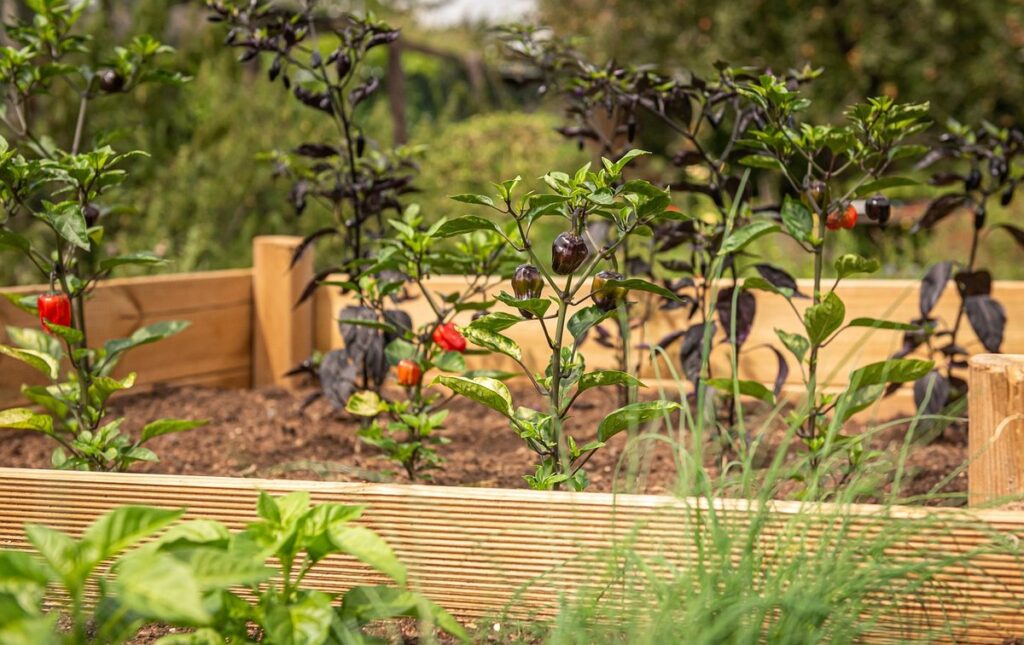
Benefits of No-Dig Raised Beds
No-dig raised beds offer numerous advantages, from reduced soil erosion and improved drainage to increased crop yields and easier maintenance for busy gardeners. Let’s explore these benefits in more detail!
Eliminating Soil Compaction and Erosion
Traditional digging methods can be detrimental to soil health, leading to compaction, erosion, and loss of essential nutrients. When we dig into the soil repeatedly, it becomes compressed, making it difficult for water and air to penetrate. This results in shallow root growth, reduced plant diversity, and decreased fertility. Moreover, the constant disturbance of the soil surface accelerates erosion, washing away topsoil and leaving behind a depleted layer.
In contrast, no-dig raised beds preserve soil health by minimizing disturbance and allowing it to retain its natural structure. By creating a barrier between the soil and the surrounding environment, raised beds prevent erosion and compaction. This also enables the formation of a thriving ecosystem within the bed, where microorganisms can thrive, breaking down organic matter and releasing nutrients for plant uptake.
To adopt this approach in your own garden, start by building no-dig raised beds using untreated wood or recycled materials. Fill them with a mix of topsoil, compost, and perlite or vermiculite to create a well-draining environment. Plant species that promote soil health, such as legumes and cover crops, to ensure a balanced ecosystem.
When planting in your no-dig raised bed, avoid tilling the soil and instead use mulch or a thin layer of compost to regulate moisture and suppress weeds. This approach will not only reduce soil erosion but also foster a vibrant and sustainable garden ecosystem.
Time-Saving and Labor-Reduced Gardening
One of the most significant advantages of no-dig raised beds is the reduced physical labor required to maintain them. Unlike traditional gardening methods that demand constant digging, tilling, and weeding, no-dig raised beds minimize the need for backbreaking work.
This approach can be a game-changer for gardeners with mobility issues or limited time on their hands. For instance, if you have arthritis or other joint problems, digging and bending can become a daunting task. No-dig raised beds eliminate this problem, allowing you to enjoy gardening without putting excessive strain on your body.
To further reduce labor, incorporate perennials into your no-dig raised bed design. These low-maintenance plants require less watering, pruning, and fertilization compared to annuals. By choosing the right mix of perennials and incorporating a self-watering system, you can enjoy a lush and thriving garden with minimal effort.
Choosing the Right Location and Materials
When deciding on a no-dig raised bed, selecting the right location and materials is crucial for success. Let’s dive into what to consider when making these key choices for your garden.
Assessing Sunlight and Drainage Requirements
When it comes to creating a thriving no-dig raised bed, selecting a location that receives sufficient sunlight and has good drainage is crucial for optimal plant growth. As a gardener, you want to ensure that your plants receive the right amount of light to photosynthesize and grow strong.
To assess the sunlight requirements, observe the area during different times of day and seasons. Most vegetables and fruits require at least 6 hours of direct sunlight per day. If your chosen location receives less than this, consider alternative locations or plant shade-tolerant varieties. Keep in mind that even if your location receives sufficient sunlight, it’s still important to consider the intensity and duration of sunlight.
Regarding drainage, look for areas with a slight slope to prevent water from accumulating in the bed. A well-draining soil mix is also essential, so avoid using areas with heavy clay or standing water. You can test the drainage by digging a small hole and observing how quickly it drains. This will help you identify potential issues before building your no-dig raised bed.
Selecting Suitable Materials for Your Raised Beds
When it comes to selecting suitable materials for your no-dig raised beds, there are several options available. Recycled plastic lumber is a popular choice due to its durability and resistance to rot, mold, and insects. However, it can be expensive and may not be suitable for extreme climates.
Wood is another option, but it requires regular maintenance to prevent rot and insect damage. Composite materials, made from a combination of wood fibers and recycled plastics, offer a middle ground between the two. They are durable and low-maintenance, but may still require occasional cleaning.
Consider your climate when choosing materials. For example, if you live in an area with high rainfall, composite or plastic lumber might be a better choice to prevent rot. On the other hand, if you’re on a tight budget, wood can be a cost-effective option. Ultimately, select materials that suit your personal preference and gardening style.
Some popular brands for raised bed materials include Trex, TimberTech, and Azek. Research each brand’s pros and cons, read reviews from other gardeners, and consider visiting local nurseries to see different options in person.
Building Your No-Dig Raised Bed
Now that you’ve chosen your perfect spot for your no-dig raised bed, let’s get started on building it. We’ll walk you through the materials and steps needed to create a thriving garden oasis.
Preparing the Site and Base Layer
Before you start building your no-dig raised bed, it’s essential to prepare the site properly. This involves removing weeds, debris, and leveling the ground to create a stable base layer for your plants to grow.
Start by clearing the area of any debris, such as branches, rocks, or old garden furniture. You can use a rake or a leaf blower to make this process easier. Next, remove any weeds that are present in the area. You can do this by hand-pulling them out, or using a tool like a hoe or a weeding fork.
Once you’ve cleared the site of debris and weeds, it’s time to level the ground. This will ensure that your no-dig raised bed is stable and even. To do this, use a spirit level and a rake to check and adjust the ground as needed. You want the ground to be perfectly flat and even before building your raised bed.
The base layer of your raised bed is crucial in supporting plant growth. It should be made up of a mix of topsoil, compost, and perlite or vermiculite. This will provide good drainage and aeration for your plants’ roots to grow. Remember to avoid using compacted soil as it can prevent water from reaching the roots of your plants.
Adding a Weed-Barrier and Filling with Compost
When building your no-dig raised bed, incorporating a weed-barrier and filling it with compost are crucial steps to prevent weed growth and create a nutrient-rich environment. A weed-barrier, typically made from landscape fabric or cardboard, acts as a physical barrier between the soil and weeds, preventing them from germinating and growing. This not only saves you time and effort but also minimizes the need for herbicides.
To install a weed-barrier, start by laying it at the bottom of your raised bed, making sure to cover the entire surface. Cut slits in the barrier to allow air and water circulation, then secure it with pins or rocks. This will prevent weeds from pushing through the fabric and allow you to focus on planting and nurturing your desired crops.
Next, fill your raised bed with a mix of compost and other organic matter. Aim for a minimum depth of 4-6 inches, but ideally, 8-12 inches for optimal growth. Use a combination of compost tea, worm castings, or aged manure to provide essential nutrients and improve soil structure.
Planting and Maintenance
Now that you’ve built your no-dig raised bed, it’s time to learn how to plant and maintain it effectively, ensuring a thriving and productive garden. This section will walk you through the essential steps for success.
Selecting Suitable Plants for No-Dig Raised Beds
When selecting plants for your no-dig raised bed, it’s essential to choose varieties that thrive in the unique conditions of this type of garden. Raised beds offer excellent drainage, warm soil temperatures, and improved accessibility – but they can also be prone to drying out and nutrient depletion.
For vegetables, opt for compact or dwarf varieties that require less space and maintenance. Leafy greens like lettuce, kale, and spinach are perfect for raised beds as they grow quickly and don’t compete with other plants for resources. Tomatoes, peppers, and cucumbers also do well in raised beds, but make sure to provide support for the latter two.
When it comes to fruits, strawberries, blueberries, and raspberries love the acidic soil conditions often found in raised beds. Flowers like marigolds, zinnias, and sunflowers can add vibrancy and attract pollinators to your garden.
To ensure healthy plants, choose varieties resistant to pests and diseases. For example, ‘Thompson Seedless’ grapes are disease-resistant and suitable for containers or small gardens. Similarly, ‘Patio’ tomatoes are compact and produce high yields without the need for support. Research specific plant needs and recommendations from local nurseries or gardening communities to make informed decisions about your no-dig raised bed’s crop selection.
Keep in mind that even with suitable plants, regular maintenance is still crucial. Be sure to water wisely, mulch around plants, and add compost as needed to maintain soil health.
Watering and Mulching Strategies
When it comes to maintaining a thriving no-dig raised bed garden, proper watering techniques are essential. Unlike traditional gardening methods, where excess water can drain away from the roots, raised beds can be prone to overwatering due to their contained environment. To avoid this common pitfall, it’s crucial to understand how often your plants need water.
As a general rule of thumb, check the soil moisture by inserting your finger into the soil up to the knuckle. If the soil feels dry, it’s time for watering. Be cautious not to overwater, as this can lead to root rot and other problems. A good way to gauge the right amount of water is to use a rain gauge or a DIY watering schedule based on weather patterns.
Mulching plays a significant role in retaining moisture in your raised bed garden. Organic mulch like wood chips or straw helps to regulate soil temperature, suppress weeds, and retain up to 50% more water than unmulched areas. By incorporating mulch into your no-dig raised bed design, you’ll not only reduce watering needs but also create a healthier environment for your plants to thrive in.
Troubleshooting Common Issues
We know things don’t always go as planned, so let’s tackle some common issues that might arise when building and maintaining your no-dig raised bed.
Dealing with Pests and Diseases
As you tend to your no-dig raised bed garden, it’s inevitable that pests and diseases will try to invade your space. Even with a sustainable gardening approach, common issues like aphids, slugs, and fungal infections can still occur. To tackle these problems effectively, it’s essential to use organic methods of control.
One effective strategy is companion planting. This involves pairing plants that repel or attract beneficial insects, thereby reducing pest pressure. For instance, basil repels aphids and whiteflies, while marigolds deter nematodes. Incorporate these companion plants into your bed design to create a balanced ecosystem. Another valuable tool in your arsenal is neem oil, which can be used to control a wide range of pests, including spider mites, mealybugs, and scale insects.
When using neem oil, always follow the recommended dilution ratio and apply it at dusk or dawn to avoid harming beneficial pollinators. For diseases like powdery mildew and root rot, focus on improving soil health through regular composting and mulching. This will create a robust defense system for your plants, making them less susceptible to disease.
Keep in mind that prevention is key: maintain good air circulation, water carefully, and avoid over-handling your plants. By combining these strategies, you’ll be well-equipped to deal with common pests and diseases in your no-dig raised bed garden.
Managing Weeds and Maintaining Soil Health
Managing weeds and maintaining soil health are crucial aspects of no-dig raised bed gardening. Weeds can quickly overgrow and suffocate your plants if left unchecked. To prevent this, use a thick layer of organic mulch like wood chips or straw to suppress weed growth. Apply the mulch around 4-6 inches deep and replenish it as needed.
Hand-weeding is another effective method for controlling weeds in no-dig raised beds. Regularly remove weeds by their roots to prevent them from regrowing. Be sure to wear gloves when handling weeds to avoid getting thorns or sap on your skin.
Maintaining soil health is equally important. To do this, incorporate regular composting and nutrient additions into your routine. Add a 2-inch layer of composted organic matter at the beginning of each growing season. You can also use fish emulsion, bone meal, or alfalfa meal as additional nutrient sources. Aim to add about 1-2 pounds per 100 square feet every 3-4 months. This will help maintain soil fertility and structure, ensuring your plants receive essential nutrients for optimal growth.
Conclusion and Future Directions
Now that we’ve explored the benefits of no-dig raised beds, let’s look ahead to what the future holds for this sustainable gardening solution.
Recapitulating the Benefits of No-Dig Raised Beds
As we’ve explored throughout this blog post, no-dig raised beds offer a multitude of benefits for gardeners seeking to adopt more sustainable practices. One of the most significant advantages is reduced labor requirements. By eliminating the need for tilling and digging, you’ll save time and energy that can be redirected towards other areas of your garden or even hobbies outside of gardening.
Improved soil health is another major perk of no-dig raised beds. Without compaction from heavy machinery, your soil will retain its natural structure, allowing roots to grow deeper and more efficiently absorb water and nutrients. This leads to healthier plants, more robust yields, and reduced need for synthetic fertilizers or pesticides.
As you’ve seen through our case studies and examples, no-dig raised beds can increase yields by up to 30% compared to traditional gardening methods. By giving your soil a chance to breathe and thrive, you’ll be amazed at the results you achieve with minimal effort. So why not give it a try? With these simple techniques, you too can experience the benefits of no-dig raised beds for yourself.
Exploring Advanced Techniques and Variations
As you’ve mastered the basics of no-dig raised beds, it’s time to take your gardening game to the next level by exploring advanced techniques and variations. By incorporating vertical gardening methods, you can maximize space and create a lush oasis even in the smallest of gardens. Try using trellises or arbors to train vining plants like peas, beans, or cucumbers to grow upwards, making the most of your bed’s depth.
You can also experiment with hydroponics by incorporating a nutrient-rich growing medium and submerging plant roots in water. This method allows for efficient water usage and higher yields. Alternatively, consider using aeroponics, which uses misting systems to deliver essential nutrients directly to the roots.
For those seeking even more creative possibilities, repurpose old pallets or containers as mini-greenhouses within your no-dig raised bed. These structures can provide a unique microclimate for sensitive plants and add an artistic touch to your garden design. As you experiment with these advanced techniques, don’t forget to monitor your soil health, adjust nutrient delivery accordingly, and keep those creative juices flowing!
Frequently Asked Questions
Can I use no-dig raised beds in areas with poor drainage?
Yes, you can! However, it’s essential to assess the site’s drainage requirements before building your no-dig raised bed. Consider installing a French drain or raised bed with built-in drainage features to ensure water doesn’t accumulate and cause damage.
How do I maintain soil health in my no-dig raised beds?
To preserve soil health, focus on adding organic matter like compost and mulch regularly. This will help retain moisture, suppress weeds, and support beneficial microbial activity. You can also consider incorporating cover crops or green manures to improve soil fertility and structure.
Can I use existing garden waste in my no-dig raised beds?
Yes! Repurposing your garden waste is a great way to reduce waste and create nutrient-rich compost for your raised bed. Simply chop the material into smaller pieces, mix it with other organic matter like leaves or straw, and let it decompose before adding it to your bed.
How do I handle pests and diseases in my no-dig raised beds?
To manage pests and diseases effectively, adopt a holistic approach that balances physical barriers, biological controls, and cultural practices. Use materials like copper tape to deter slugs and snails, introduce beneficial insects like ladybugs or lacewings, and practice crop rotation to break disease cycles.
Can I build no-dig raised beds on slopes or uneven terrain?
Yes! However, you’ll need to take extra precautions to ensure stability and prevent erosion. Use wide, heavy materials for the base layer, and consider installing a retaining wall or edging system to maintain the bed’s shape and prevent soil loss.