
Are you tired of spending hours tending to your garden, only to see weeds popping up again? Do you wish there was an easier way to keep your soil healthy and your plants thriving? Mulching is the answer. By applying a thin layer of organic material such as wood chips or leaves around your plants, you can reap numerous benefits for your garden’s health. In this article, we’ll explore the advantages of mulching in more detail, including its positive impact on soil quality, water retention, and weed suppression. We’ll also provide practical tips on how to apply mulch effectively, as well as common mistakes to avoid. By the end of this post, you’ll know exactly why mulching is a must-have technique for any garden enthusiast looking to reduce maintenance and enjoy healthier plants.
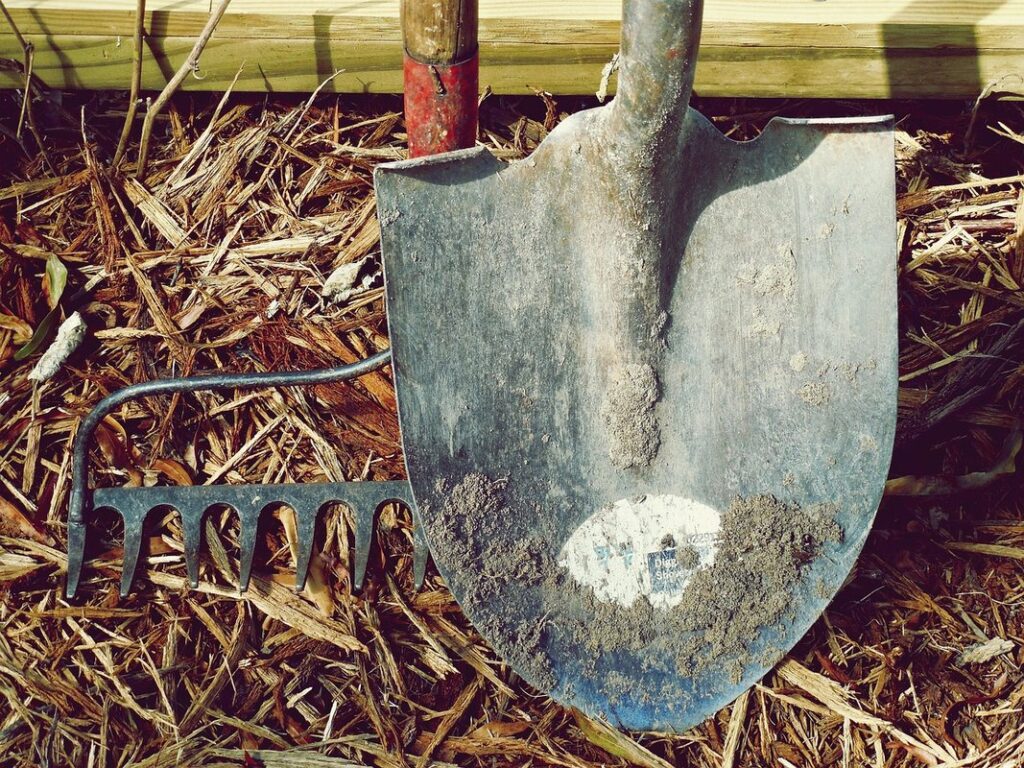
Introduction to Mulching
Mulching is a simple yet powerful tool for transforming your garden, but before we dive into its many benefits, let’s start with the basics. In this introduction, we’ll cover the fundamentals of mulching and why it’s a must-have for any gardener.
What is Mulching and Why is it Important?
When it comes to gardening, one of the most effective techniques you can use is mulching. But what exactly is mulching, and why should you be doing it? Mulching is a simple yet powerful technique that involves covering the soil with a layer of organic material such as wood chips, leaves, or straw.
This organic layer acts as a protective barrier between your plants’ roots and the surrounding environment. By retaining moisture in the soil, mulch helps to reduce evaporation and prevent drought stress. A 2-inch layer of mulch can save up to 50% of water by reducing transpiration from the soil surface. It also suppresses weeds that compete with your plants for nutrients, reducing the need for herbicides or manual weeding.
Furthermore, mulch regulates soil temperature by keeping it cooler in the summer and warmer in the winter. This helps to prevent root damage and promotes healthy plant growth. To incorporate mulching into your gardening routine, simply apply a 2-3 inch layer of organic material around your plants, leaving a small gap between the mulch and the base of the stem to prevent rotting.
History of Mulching in Gardening
Mulching has been an integral part of gardening practices for centuries, with evidence of its use dating back to ancient civilizations. In ancient Egypt, for example, mulch was used to conserve water and suppress weeds in gardens surrounding temples and palaces. Similarly, the Chinese used mulch to protect crops from extreme temperatures and retain soil moisture.
In the 18th century, European gardeners began using mulch to improve soil structure and reduce erosion. They would often use organic materials like straw, hay, or grass clippings to create a protective layer around plants. As gardening practices evolved, so did the types of materials used for mulching. Today, we have a wide range of options available, from wood chips and bark to leaves and pine needles.
Throughout history, mulching has been a simple yet effective way to improve garden health and reduce maintenance. By incorporating mulch into your gardening routine, you can enjoy numerous benefits, including reduced soil erosion, improved water retention, and suppressed weeds. Whether you’re a seasoned gardener or just starting out, understanding the history of mulching can help you make informed decisions about how to use this valuable tool in your own garden.
Benefits of Mulching for Soil Health
Mulching can have a profound impact on your garden’s soil health, and it all starts with understanding its benefits. Let’s dive into how mulch improves soil fertility and structure.
Improving Soil Structure and Fertility
As you continue to reap the rewards of mulching, let’s dive deeper into one of its most significant advantages: improving soil structure and fertility. This is where the magic happens – as organic matter breaks down, it creates a nutrient-rich haven for your plants’ roots to thrive in.
Think of mulch like a natural composting process on steroids. As it decomposes, it increases the soil’s water-holding capacity, reducing the need for frequent watering and minimizing soil erosion. This, in turn, promotes healthier root growth, allowing your plants to absorb essential nutrients more efficiently.
To harness this benefit, focus on using high-quality mulch materials like wood chips or bark. These are rich in organic matter and will break down relatively quickly, releasing valuable nutrients into the soil. Avoid using weed mats or plastic sheeting, as these can actually suffocate the soil and prevent beneficial microorganisms from doing their job.
By incorporating regular mulching into your garden routine, you’ll be rewarded with a healthier, more resilient soil ecosystem that’s better equipped to support your plants’ growth and development.
Suppressing Weeds and Reducing Erosion
As you apply mulch to your garden beds, you may notice that weeds are no longer sprouting up through the surface. This is a direct result of mulching’s ability to suppress weed growth. By acting as a barrier between the soil and light, mulch prevents weeds from germinating and growing. This reduction in weed competition means that your plants can focus on absorbing essential nutrients and water.
Mulch also plays a crucial role in reducing erosion. When rain falls or water is released from irrigation systems, it can wash away topsoil and expose underlying layers of soil. Mulch helps to hold the soil in place by creating a stable surface for the water to penetrate. By minimizing soil loss, you’re preserving the nutrient-rich topsoil that your plants rely on.
To effectively suppress weeds and reduce erosion with mulching, be sure to replenish your mulch layer regularly. Aim for a depth of 2-3 inches and maintain this layer throughout the growing season. This will ensure that your garden beds remain weed-free and erosion-resistant, allowing your plants to thrive in optimal conditions.
Benefits of Mulching for Plant Growth
Mulching can significantly boost plant growth by providing essential nutrients, improving soil structure, and regulating moisture levels. This crucial process deserves attention if you want to see your garden flourish.
Retaining Moisture and Regulating Soil Temperature
When it comes to creating an ideal environment for plant growth, mulch plays a crucial role in retaining moisture and regulating soil temperature. By applying a layer of mulch around 2-3 inches thick, you can significantly reduce the need for frequent watering. This is because mulch acts as a barrier between the soil and the atmosphere, preventing moisture from evaporating too quickly. As a result, plants are able to absorb water more efficiently, reducing stress caused by drought.
In terms of regulating soil temperature, mulch works in two ways: it keeps the soil cooler in summer and warmer in winter. During hot summer months, mulch helps insulate the soil, keeping it several degrees cooler than the surrounding air. This is especially important for plants that are sensitive to high temperatures, such as vegetables and fruits. In contrast, during cold winter months, mulch retains heat from the sun, allowing plants to continue growing even when the temperature drops. By maintaining a stable soil temperature, you can extend the growing season and promote healthy plant growth.
Supporting Healthy Root Development
When you mulch around plants, it not only suppresses weeds and retains moisture but also plays a vital role in supporting healthy root development. One of the primary functions of mulch is to act as a barrier against disease-causing microorganisms and pests that can harm plant roots.
This protective layer prevents pathogens from entering the soil through cracks or gaps, thereby reducing the risk of root rot and other diseases. Additionally, mulch helps regulate soil temperature, keeping it cooler in summer and warmer in winter, which promotes optimal root growth.
As you apply mulch around your plants, ensure that it’s at least 2-3 inches thick to allow it to effectively insulate the roots. Keep the mulch a few inches away from the plant stem to prevent moisture from accumulating and promoting fungal growth.
To further support healthy root development, consider incorporating organic matter like compost or well-rotted manure into your mulch. This will provide essential nutrients that promote robust root growth while also improving soil structure and fertility.
Types of Mulch and Their Benefits
Let’s explore the various types of mulch available, each offering unique benefits that can enhance your garden’s health and appearance. From organic to inorganic options, we’ll dive into the details.
Organic vs Inorganic Mulch: Which is Best?
When it comes to mulching, one of the most important decisions you’ll make is choosing between organic and inorganic options. Both types have their benefits and drawbacks, so let’s break them down.
Organic mulch, such as wood chips or leaves, is a popular choice for gardeners. These materials are not only biodegradable but also improve soil structure and fertility over time. They can also help suppress weeds and regulate soil temperature. However, organic mulch requires regular replenishment, which can be time-consuming. For example, if you use wood chips, you’ll need to add new layers every year or two.
Inorganic mulch, on the other hand, offers a low-maintenance solution. Plastic sheeting, for instance, is easy to install and can last for several years with minimal upkeep. However, inorganic mulch can retain heat, potentially harming plants during hot summer months. Additionally, it may not provide any long-term benefits to soil health.
Ultimately, the choice between organic and inorganic mulch depends on your specific gardening needs and preferences. If you want a more sustainable option that improves soil health, go for organic mulch. But if you’re short on time or have limited mobility, inorganic mulch might be a better fit.
Specialized Mulches for Specific Garden Conditions
When it comes to mulching, one size doesn’t fit all. Different garden conditions require specific types of mulches to thrive. If you have acidic soils, for instance, you’ll want to use a mulch that won’t exacerbate the acidity.
Organic pine straw is an excellent choice for acidic soils. It’s inexpensive and can help reduce soil pH levels over time. You can also consider using peat moss or composted bark chips, which are slightly more expensive but offer long-term benefits. On the other hand, if your garden has alkaline soils, you’ll want to use a mulch that will counteract its effects.
For alkaline soils, try using coconut coir or cypress mulch. These options help balance out the pH levels and add essential nutrients to the soil. Another consideration is drainage – if you have heavy clay soils, you may need a mulch that allows for better water penetration. In these cases, consider using wood chips or shredded bark.
It’s also worth noting that some mulches can be used in both acidic and alkaline conditions, such as well-rotted compost.
How to Apply Mulch Effectively
Now that we’ve explored the benefits of mulching, let’s dive into the practical application: learn how to apply mulch effectively around plants and garden beds. This will ensure you get the most out of this simple yet powerful gardening technique.
Preparing the Soil Before Applying Mulch
Before you start applying mulch, it’s essential to prepare the soil properly. A smooth and even surface is crucial for effective mulching. To achieve this, clear away any debris, weeds, and existing mulch from the area. This will prevent any obstructions that can interfere with the mulch’s ability to retain moisture and suppress weeds.
Next, loosen the top 6-8 inches of soil using a garden fork or spade. This will help break up any compacted soil, allowing roots to grow freely and improving water penetration. Rake the area thoroughly to create an even surface, making sure to remove any rocks or twigs that could damage your mulch or interfere with its effectiveness.
Finally, test the pH level of your soil to ensure it’s suitable for your plants’ needs. Mulch can affect soil pH, so it’s crucial to balance your mulching efforts with adjustments to the soil itself. By creating a solid foundation through proper soil preparation, you’ll set your garden up for success and maximize the benefits that mulching has to offer.
Choosing the Right Amount and Type of Mulch
When it comes to applying mulch effectively, choosing the right amount and type is crucial. Too little mulch may not provide sufficient benefits, while too much can be overwhelming for plants. As a general rule of thumb, apply 2-3 inches of organic mulch, such as wood chips or bark, around plant bases, leaving a small gap between mulch and plant stems to prevent rot.
The type of mulch you choose depends on your garden conditions. For example, if you live in an area with high rainfall, use a permeable mulch like straw or pine needles to allow excess water to drain. In contrast, dry climates benefit from denser mulches like cedar or cypress, which retain moisture.
Consider the pH level of your soil when selecting a mulch. Acid-loving plants, such as azaleas and rhododendrons, thrive in acidic environments, while alkaline-tolerant plants, like succulents, prefer well-draining mulches like gravel. Additionally, avoid using pressure-treated wood or dyed mulches, which can contaminate soil.
When introducing new mulch to your garden, begin by applying a thin layer and gradually increase the depth over time. This will help prevent overwhelming your plants and ensure optimal benefits from your mulching efforts.
Common Mulching Mistakes to Avoid
When mulching, it’s easy to fall into common pitfalls that can actually do more harm than good. Let’s take a closer look at some critical mistakes to steer clear of.
Over-Mulching: The Risks and Consequences
Over-mulching can have severe consequences on your garden’s health and productivity. When too much mulch is applied to a single area, it creates an environment that’s conducive to pest infestations. Without sufficient air circulation, the moisture trapped within the mulch fosters the growth of fungal diseases, which are detrimental to plants’ roots.
Moreover, over-mulching can lead to reduced soil oxygenation. This occurs when the organic matter in the mulch breaks down and absorbs all available oxygen, making it challenging for beneficial microorganisms to thrive. As a result, the soil’s nutrient cycle is disrupted, impacting plant growth and overall garden health.
To avoid over-mulching, monitor your garden regularly, adding small amounts of mulch as needed rather than applying a thick layer at once. Aim for 2-3 inches (5-7.5 cm) of mulch around plants, keeping a few inches of clear space between the mulch and plant stems to promote air circulation. This balanced approach will help you reap the benefits of mulching while minimizing its risks.
Under-Mulching: The Importance of Adequate Coverage
When it comes to mulching, one common mistake gardeners make is under-mulching – applying too little mulch to have a significant impact. However, adequate coverage is crucial for mulch to be effective in retaining moisture and suppressing weeds.
To put this into perspective, consider a study on the effects of different mulch amounts on soil temperature and weed growth. Researchers found that an application rate of at least 2-3 inches (5-7.6 cm) of organic mulch is necessary to significantly reduce soil temperature fluctuations and suppress weed emergence.
If you’re applying too little mulch, you may notice its effects wearing off quickly, requiring frequent reapplication. This not only wastes your time but also increases the risk of creating a favorable environment for pests and diseases.
To ensure adequate coverage, start by applying 3-4 inches (7.6-10 cm) of organic mulch to the affected area, keeping in mind that this can be adjusted based on your specific climate and soil type. Regularly replenishing your mulch will also help maintain its effectiveness over time.
Conclusion and Future Considerations
Now that you’ve learned about the numerous benefits of mulching, let’s take a look at what to expect from your garden in the long run.
Recap of Mulching Benefits and Best Practices
In conclusion to our comprehensive guide on mulching benefits in the garden, let’s recap the key takeaways and emphasize the importance of effective mulching practices. Mulching offers numerous advantages, including improved soil health, reduced water consumption, and enhanced weed suppression. By adopting the best practices outlined in this article, you can harness these benefits and create a thriving garden ecosystem.
To recap, some of the most significant benefits of mulching include:
• Improved soil temperature regulation
• Enhanced root growth and development
• Increased nutrient retention and fertility
• Reduced soil erosion and compaction
In terms of best practices, it’s essential to choose the right type of mulch for your specific garden needs. Organic materials like wood chips or bark are excellent choices, while inorganic options like plastic sheeting may be more suitable for high-traffic areas. Regularly replenishing and maintaining your mulch layer is also crucial to ensure optimal results.
By incorporating these key takeaways into your gardening routine, you’ll be well on your way to reaping the rewards of effective mulching practices.
Future Research Directions in Mulching Technology
As we conclude our exploration of mulching benefits in the garden, it’s essential to consider the future of this technology. Emerging trends and research directions are poised to revolutionize the way we approach gardening with mulch.
New materials are being developed that promise improved durability and sustainability. For instance, researchers have discovered ways to create biodegradable mulches from agricultural waste, reducing the environmental impact of traditional mulching methods. Additionally, advancements in nanotechnology are leading to the creation of mulches with enhanced water retention capabilities, minimizing the need for frequent watering.
Another area of focus is the use of digital technologies to optimize mulch application and monitoring. Sensors and drones equipped with sensors can track soil moisture levels, temperature, and other environmental factors, allowing gardeners to precisely tailor their mulching strategies. This integration of technology and nature has the potential to significantly enhance crop yields while minimizing waste.
These emerging trends and innovations hold great promise for the future of gardening.
Frequently Asked Questions
Can I use mulch in containers or indoor plants?
Yes, you can definitely use mulch for container gardens or indoor plants! In fact, it’s even more beneficial for them since they have limited root space and need extra protection from temperature fluctuations. Use a thin layer (about 1-2 inches) of organic mulch like peat moss or coconut coir to keep the soil consistently moist and regulate temperatures.
How often do I need to reapply mulch, and how will I know when it’s needed?
As a general rule, you should reapply mulch every 6-12 months or as needed. Keep an eye out for signs like dry or cracked mulch, weeds pushing through the layer, or excessive moisture retention. You can also gently rake the surface to refresh the mulch and maintain its effectiveness.
Will mulching suppress beneficial insects or microorganisms in my garden?
No, a well-maintained mulch layer should not harm beneficial insects or microorganisms. In fact, organic mulches like compost or leaf mold provide a habitat for beneficial microbes and can even improve soil health. Just make sure to maintain a balance between suppressing weeds and allowing beneficial organisms to thrive.
Can I use mulch as a substitute for fertilizer in my garden?
While mulch can improve soil fertility over time by adding nutrients, it’s not a direct replacement for regular fertilization. Mulching is more about long-term soil health and weed suppression rather than immediate nutritional benefits. Consider combining mulching with other gardening practices like composting or using organic fertilizers.
What are the best mulch options for areas prone to intense sunlight or extreme temperatures?
For regions with intense sunlight, choose a light-colored, heat-reflective mulch like straw or pine straw. In areas with extreme cold snaps, opt for a thicker layer (3-4 inches) of insulating mulch like bark chips or wood shavings. These materials will help regulate soil temperature and protect your plants from harsh conditions.