
If you’re looking for an eco-friendly way to enhance your gardening skills, making leaf mold at home is a game-changer. This rich composting process turns fallen leaves into a nutrient-dense soil amendment that’s perfect for gardens and potting mixes. By breaking down the decomposition process and learning how to accelerate it, you’ll be amazed at the benefits of using homemade leaf mold in your gardening routine. In this article, we’ll delve into the world of leaf mold making, covering its uses, benefits, and tips for speeding up the composting process. Whether you’re a seasoned gardener or just starting out, our comprehensive guide will show you how to harness the power of leaf mold and take your gardening game to the next level with this simple, cost-effective method.
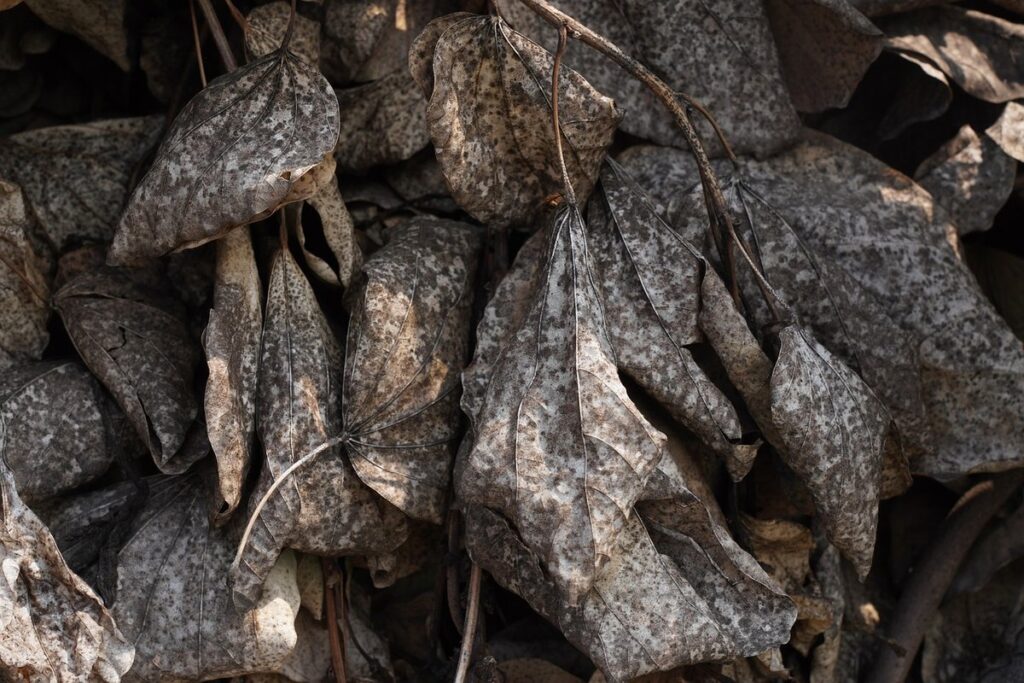
Benefits and Uses of Leaf Mold
Now that you’ve learned how to make leaf mold, let’s explore its many benefits and uses, from gardening to composting. We’ll cover some surprising advantages of this natural resource.
What is Leaf Mold?
Leaf mold is a type of compost that’s made from decomposed leaves, often mixed with other organic materials like grass clippings and kitchen waste. It’s a rich source of nutrients for plants, particularly those that thrive in acidic environments like azaleas and blueberries. Composting leaves creates a humus-rich material that improves soil structure, increases its water-holding capacity, and provides essential micronutrients.
When you make leaf mold, the resulting product is a dark brown, crumbly material with a distinct earthy aroma. Its composition is typically around 10-15% carbon and 85-90% nitrogen, making it an ideal natural fertilizer for your garden beds. Not only does leaf mold promote healthy plant growth, but it also helps to suppress pests and diseases that can harm your crops.
As an added benefit, using leaf mold in your gardening practice reduces waste by repurposing fallen leaves into a valuable resource rather than sending them to the landfill. By incorporating leaf mold into your composting routine, you’ll not only create a nutrient-rich amendment for your plants but also contribute to a more sustainable and environmentally friendly approach to gardening.
Advantages of Using Leaf Mold in Gardening
Using leaf mold in gardening offers numerous benefits that can transform your soil and improve plant growth. One of the most significant advantages is its ability to improve soil structure. Leaf mold is rich in organic matter, which increases the soil’s water-holding capacity, aeration, and overall fertility. This makes it an ideal amendment for gardens with poor or sandy soils, as it helps retain moisture and supports root development.
Another key benefit of using leaf mold is its high nutrient content. As leaves decompose, they release essential micronutrients like nitrogen, phosphorus, and potassium that support microbial life and promote healthy plant growth. Regular application of leaf mold can also increase the soil’s fertility over time, reducing the need for synthetic fertilizers.
To maximize these benefits, it’s essential to use leaf mold as part of a balanced gardening routine. Start by mixing 2-3 inches of leaf mold into the top 6-8 inches of your garden bed before planting. You can also use it as a mulch or add it to compost piles to create a nutrient-rich soil amendment. By incorporating leaf mold into your gardening practice, you’ll be on your way to creating a thriving and sustainable ecosystem.
Common Uses of Leaf Mold
Leaf mold is an incredibly versatile and valuable resource for gardeners. One of its most obvious uses is as a composting material. Rich in nutrients and microorganisms, leaf mold helps to speed up the decomposition process, reducing waste and creating a nutrient-dense fertilizer for your plants.
You can also use leaf mold as a mulch to retain moisture, suppress weeds, and regulate soil temperature. Simply apply a 2-3 inch layer around your plants or garden beds, and let the magic happen. Leaf mold also makes an excellent potting mix component, improving drainage and reducing soil compaction.
For instance, you can blend leaf mold with other compost materials like peat moss or coconut coir to create a well-balanced potting mix for indoor plants. This will not only enhance the root growth of your plants but also help prevent overwatering and underwatering issues.
Some gardeners even use leaf mold as a soil amendment, adding it directly to their existing garden beds to boost microbial activity and overall soil health. This can be particularly beneficial if you have heavy clay or sandy soils that tend to lack organic matter.
Gathering Materials for Leaf Mold
To make leaf mold, you’ll first need to gather the right materials. This includes collecting fallen leaves, a compost bin or heap, and some basic tools like a shovel and gloves.
Choosing the Right Leaves
When it comes to choosing the right leaves for making leaf mold, it’s essential to select types that are rich in nutrients and have a high carbon-to-nitrogen ratio. This ensures a well-balanced composting process and prevents odors or pests from developing.
Leaves with high water content, such as those from trees like willows or birch, can create an anaerobic environment that fosters the growth of pathogens. Avoid these types as they may ruin your leaf mold.
Instead, opt for leaves from deciduous trees like oak, maple, and beech, which have a lower water content and are rich in nutrients. These trees tend to drop their leaves en masse, making it easy to collect large quantities.
When gathering leaves, it’s also crucial to avoid contaminated or diseased foliage. Leaves with signs of pests, diseases, or weeds can spread these issues to other areas of your garden. To ensure you’re selecting clean leaves, inspect them carefully before adding them to your leaf mold pile.
Preparing Leaves for Composting
When it comes to preparing leaves for composting, there are several steps you can take to ensure they break down efficiently and effectively. First, collect a diverse range of leaf types from your yard or neighborhood. Avoid using leaves with mold, mildew, or other diseases, as these can spread to your compost pile.
Next, clean the leaves by removing any debris, twigs, or grass clippings that may be mixed in with them. You can do this by hand-sorting the leaves or by blowing them into a tarp or bin and then sifting out any unwanted material.
Once the leaves are clean, chop them into smaller pieces to increase their surface area. This will help speed up the decomposition process and prevent matting of the leaves. You can use a lawn mower or leaf shredder to chop the leaves, or simply chop them by hand with a tool like a machete or pruning shears.
By taking these simple steps, you can prepare your leaves for decomposition and create high-quality leaf mold for your garden or indoor plants.
Adding Other Organic Matter
In addition to leaves, you can also add other organic matter to enhance the composting process and benefits of leaf mold. This is often referred to as “composting with co-substrates.” Some examples of materials that complement leaf mold well are grass clippings, garden weeds, wood chips or shavings, kitchen scraps, or small amounts of manure from herbivores.
Grass clippings add nitrogen and help balance the carbon-to-nitrogen ratio. Garden weeds provide a diverse array of microorganisms. Wood chips or shavings contribute to the physical structure of the leaf mold, facilitating airflow and reducing compactness. Kitchen scraps can be added in moderation but must not include meat, dairy, or oils which attract pests.
When incorporating these materials, keep their quantities balanced to avoid overloading the mix with too much nitrogen or carbon. For instance, if you add a lot of grass clippings, balance it out by adding wood chips. This approach promotes efficient decomposition and nutrient cycling within your leaf mold pile.
The Decomposition Process
Now that you understand the basics of leaf mold, let’s dive into what happens during decomposition: microorganisms break down organic matter. This process is crucial for creating nutrient-rich compost.
Creating the Perfect Environment
To create an optimal environment for leaf mold decomposition, it’s essential to consider three key factors: moisture levels, aeration, and temperature. Aim for a moist but not waterlogged condition, as this will facilitate the breakdown of organic matter. The ideal moisture level is between 40-60% relative humidity.
Aerating the pile regularly is crucial, allowing oxygen to penetrate the composting material. This can be achieved by turning the leaf mold every few days or incorporating coarse materials like bark chips or straw. Ensure the aeration is adequate but not excessive, as this can lead to drying out and slowing down decomposition.
Temperature-wise, an ideal range for leaf mold decomposition lies between 50-60°C (122-140°F). While it’s challenging to control temperature directly, placing the pile in a shaded area during summer months will help maintain a stable temperature. Monitor your leaf mold regularly to adjust the environment as needed, striking a balance between these three factors will ensure efficient and healthy decomposition.
Monitoring and Maintaining the Pile
As you continue to maintain your leaf mold pile, it’s essential to regularly monitor its progress. This will ensure that decomposition occurs efficiently and effectively. Start by checking the temperature of the pile, ideally using a compost thermometer. The ideal temperature range for leaf mold decomposition is between 130°F (54°C) and 140°F (60°C). When you notice this range being consistently reached, it’s a sign that microbial activity is thriving.
Next, check the moisture level in your pile. Aim for a mix that’s neither too dry nor too wet. Leaf mold needs to be kept slightly damp, but not waterlogged. You can achieve this by sprinkling water over the surface or turning the pile to aerate it. Keep an eye out for pests like rodents and insects, which can be detrimental to decomposition.
Regularly inspect your leaf mold pile, looking for signs of completion such as a crumbly texture and earthy aroma. This will indicate that your leaf mold is ready to use in gardens or indoor potting mixes.
Understanding the Role of Microorganisms
Microorganisms play a vital role in breaking down organic matter and creating leaf mold. These tiny creatures are responsible for decomposing fallen leaves into a nutrient-rich soil amendment that’s perfect for gardening.
At the heart of decomposition is a complex ecosystem involving various microorganisms like bacteria, fungi, and protozoa. Bacteria, for example, break down large molecules in leaves into smaller compounds, releasing nutrients like nitrogen, phosphorus, and potassium. Fungi then secrete enzymes to further decompose these organic matter, creating an ideal environment for other microorganisms to thrive.
To create a thriving ecosystem in your leaf mold pile, it’s essential to provide the right conditions for microorganisms to grow. This includes maintaining adequate moisture, oxygen levels, and temperature. Aim for a mix of “green” leaves (high in nitrogen) and “brown” leaves (high in carbon). The ideal ratio is about 2/3 brown leaves and 1/3 green leaves. By following these guidelines and allowing your leaf mold to decompose naturally over time, you’ll create a rich soil amendment teeming with beneficial microorganisms that will improve your garden’s fertility and overall health.
Tips for Accelerating Leaf Mold Decomposition
Now that you’ve collected and prepared your leaves, let’s talk about how to speed up the decomposition process and get to that rich, dark leaf mold even faster.
Adding Carbon-Rich Materials
When adding carbon-rich materials to your leaf mold mix, you’re essentially providing an energy boost for the decomposition process. This is because these materials are high in organic carbon, which serves as a food source for the microorganisms breaking down the leaves.
Consider incorporating shredded newspaper or straw into your compost pile. Both of these materials have a high carbon-to-nitrogen ratio, making them ideal additions to enhance leaf mold decomposition. For example, shredded newspaper can be added in a 2:1 or 3:1 ratio with the leaves, while straw can be mixed in at about 10-20% of the total volume.
These materials help balance out the nitrogen-rich content of the leaves, which can otherwise lead to anaerobic conditions. By introducing these carbon-rich additives, you’re creating a more harmonious environment for decomposition to occur. This will not only speed up the process but also reduce odors and unpleasant smells.
Increasing Moisture Levels
Maintaining optimal moisture levels is crucial for accelerating the decomposition process of leaf mold. When leaves are too dry, they break down slowly due to lack of microbial activity. On the other hand, excessive moisture can lead to anaerobic conditions, causing the breakdown to slow down.
To achieve the perfect balance, aim for a damp but not soggy texture similar to that of a wrung-out sponge. You can check this by inserting your finger into the pile; if it feels dry or cracks when pressed, add water. If it’s too wet and squelches, let it sit for some time to evaporate excess moisture.
Regularly monitoring moisture levels is essential. Aim for 40-60% relative humidity in the decomposition area. To maintain this balance, you can cover the leaf pile with a breathable material like burlap or a tarp during dry spells and uncover it when it’s wet. This will help regulate temperature and retain moisture without creating anaerobic conditions.
Turning the Pile Regularly
Regularly turning the leaf mold pile is essential to ensure even decomposition and adequate aeration. This simple yet crucial step can make all the difference between a thriving compost ecosystem and a stagnant, anaerobic mess.
When you turn the pile, you introduce oxygen into the mix, which helps to speed up the decomposition process. Microorganisms feed on the organic matter, breaking it down into a rich, humus-like soil amendment. By turning the pile regularly, you prevent the formation of anaerobic zones where pathogens and pests can thrive.
As a rule of thumb, turn your leaf mold pile every 7-10 days during the active decomposition phase. This frequency may vary depending on factors like temperature, moisture levels, and the carbon-to-nitrogen ratio of the material. If you’re just starting out, it’s better to err on the side of caution and turn the pile more frequently to ensure optimal conditions.
By incorporating regular turning into your leaf mold-making routine, you’ll not only speed up decomposition but also maintain a healthy ecosystem that minimizes odors, pests, and other issues associated with composting. Remember, this is an ongoing process that requires patience and attention – but trust us, the end result will be well worth it!
Harvesting and Using Leaf Mold
Now that you’ve created a rich supply of leaf mold, it’s time to put it to good use – learn how to harvest and utilize your finished product in various ways.
Recognizing Finished Leaf Mold
When harvesting leaf mold, it’s essential to recognize when it’s fully decomposed and ready for use. This can be a bit tricky, as the decomposition process can take several months to a year or more, depending on factors like temperature, moisture, and aeration.
Look for the following signs to determine if your leaf mold is finished:
* The leaf mold has broken down into a fine, crumbly texture that resembles damp soil. It should no longer be soggy or retain its original shape.
* There’s little to no visible organic matter, such as leaves, twigs, or roots.
* The color of the leaf mold will have darkened significantly from its original greenish hue, turning into a rich brown or even almost black.
* When you turn over the pile, it should smell earthy and slightly sweet, rather than sour or unpleasant.
These indicators show that your leaf mold has reached the perfect level of decomposition. If you notice any signs of pests, odors, or unfinished decomposing material, it’s best to let it continue breaking down before using it in your garden or potting mix.
Applying Leaf Mold in the Garden
When it comes to utilizing leaf mold in your garden, there are several ways to incorporate this nutrient-rich resource into your gardening practices. One of the most straightforward methods is mulching. Simply spread a 2-3 inch layer of leaf mold around plants and trees to retain moisture, suppress weeds, and regulate soil temperature.
For more intensive uses, you can add leaf mold to your compost pile to create a high-quality nutrient-rich fertilizer for your garden beds. A general rule of thumb is to maintain a mix of 1/3 brown materials (like leaves) and 2/3 green materials (such as food waste or grass clippings). This blend will ensure optimal decomposition rates and minimize odors.
Leaf mold can also be added to potting mixes for seedlings and houseplants. Aim for a concentration of around 10-20% leaf mold, mixed with standard potting soil ingredients like peat moss or perlite. This will provide essential nutrients for healthy growth while maintaining good drainage properties.
Frequently Asked Questions
Can I use leaf mold as a standalone fertilizer, or should it be mixed with other soil amendments?
Leaf mold can be used as a standalone fertilizer, but mixing it with other soil amendments like compost or manure tea can enhance its benefits. A general rule of thumb is to mix 10-20% leaf mold with existing soil to avoid over-enriching it with nutrients.
How long does the decomposition process typically take for homemade leaf mold?
The decomposition time varies depending on factors such as temperature, moisture, and aeration. Generally, you can expect the composting process to take anywhere from 6 months to 2 years, but with proper maintenance and acceleration techniques (like turning the pile regularly), you may reach optimal quality in as little as 3-4 months.
Can I make leaf mold indoors, or is it best suited for outdoor environments?
Leaf mold can be made both indoors and outdoors. However, outdoor setups often benefit from better airflow and sunlight exposure, which can speed up decomposition. Indoor composting can work too, especially if you have a well-ventilated space with adequate light.
What’s the ideal ratio of leaves to other organic matter for optimal leaf mold production?
A general guideline is to maintain a 2:1 or 3:1 ratio of dry leaves to wet materials (like grass clippings or kitchen waste). This balance helps ensure efficient decomposition and nutrient retention in your homemade leaf mold.
Can I add weeds and diseased plants to the leaf mold pile, or will they contaminate the final product?
It’s generally not recommended to include weeds and diseased plants, as they can introduce unwanted seeds, pests, and pathogens into your compost. Instead, remove any debris or contaminants before starting the decomposition process for best results.