
When you’re tending to your small garden, turning scraps into nutrient-rich compost is a must. But with so many options available in the market, choosing the right compost bin can be overwhelming. Not only do you need to consider size and odor control, but also ease of use, especially if you’re short on space or have limited time for maintenance.
In this article, we’ll guide you through selecting the perfect compost bin for your small garden needs. We’ll cover the essential factors to consider when making a purchase, including the ideal size, features that minimize odors and mess, and user-friendly designs that make the process of creating compost as easy as possible. With our expert advice, you can turn your scraps into valuable fertilizer for your garden without breaking the bank or sacrificing style.
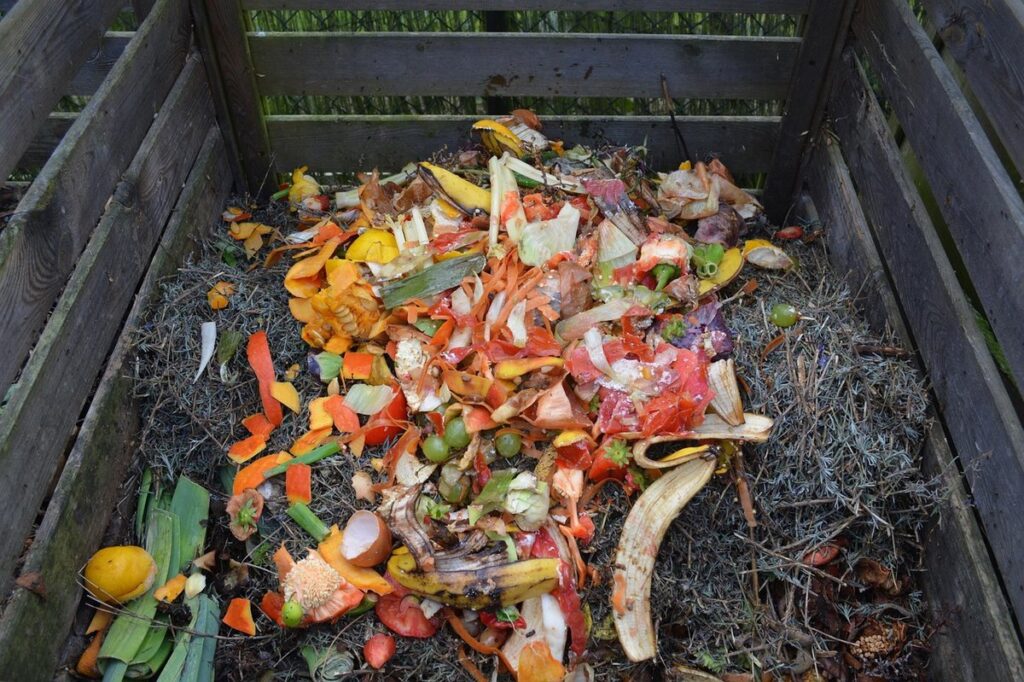
Benefits of Composting in Small Gardens
Composting is a game-changer for small gardeners, not only reducing waste but also creating nutrient-rich soil that boosts plant growth and yields. In this section, we’ll explore its benefits in more detail.
Why Compost Matters
Composting is an often-overlooked yet incredibly valuable practice that can make all the difference in small gardens. By turning kitchen scraps and yard waste into nutrient-rich compost, you’re not only reducing your environmental footprint but also creating a healthier soil ecosystem.
Let’s start with improved soil health – one of the most significant benefits of composting. Compost acts as a natural fertilizer, providing essential nutrients that promote healthy plant growth. This means fewer fertilizers and chemicals are needed to keep your plants thriving. For example, adding compost to your tomato beds can increase yields by up to 20%. It’s also a great way to improve soil structure, making it easier for water and air to reach roots.
Reducing waste is another key aspect of composting. By diverting kitchen scraps and yard trimmings from landfills, you’re minimizing the amount of greenhouse gases produced during decomposition. Plus, with a proper compost bin, odors and pests are kept at bay, making it easy to manage food waste in small gardens.
As for plant growth, compost has been shown to increase crop yields by as much as 40% compared to non-composted soil. By incorporating compost into your garden routine, you’ll be providing your plants with the optimal growing conditions they need to flourish.
Common Challenges with Small Space Composting
Composting in small spaces can be a challenging task, but it’s not impossible. One of the most common obstacles gardeners face is limited space. If you’re living in an apartment or have a tiny backyard, finding room for a compost bin can be a problem. However, there are compact and space-saving options available that can fit even the smallest of spaces.
Another challenge is odor control. No one wants to deal with unpleasant smells wafting from their compost bin. To minimize odors, make sure to maintain good airflow by turning your compost regularly and keeping it moist. You can also add odor-absorbing materials like baking soda or activated charcoal to help neutralize any lingering scents.
Pests are another common issue when composting in small spaces. Rodents, insects, and other critters can be attracted to the nutrients in your compost. To keep pests under control, use a pest-resistant bin with a secure lid or add deterrents like cayenne pepper or hot sauce to discourage them from visiting.
Ultimately, the key to successful small space composting is choosing the right bin for your needs. Consider factors like size, material, and features when selecting a bin that will keep odors at bay and pests under control.
Types of Compost Bins for Small Gardens
When it comes to choosing a compost bin for your small garden, there are several options available that cater specifically to compact spaces and varying needs. Let’s explore these specialized types of bins.
Indoor Compost Bins
For small garden owners with limited outdoor space, indoor compost bins are an ideal solution. These compact designs allow you to turn food scraps and yard waste into nutrient-rich compost without taking up valuable real estate.
When shopping for an indoor compost bin, look for models made from odor-absorbing materials such as activated carbon or zeolite. These materials can help minimize unpleasant smells, making it easier to maintain the bin in your kitchen or utility room. Some bins also feature built-in filters or ventilation systems that further reduce odors.
Consider investing in a smart compost bin with sensors and Wi-Fi connectivity. These high-tech models monitor temperature, moisture levels, and other factors to ensure optimal composting conditions. They can even send you notifications when the compost is ready for use. For example, the Compost Mate has built-in sensors that track decomposition progress and alert you when it’s time to turn or harvest your compost.
When choosing an indoor compost bin, keep in mind the space where it will be located and select a model that fits comfortably.
Outdoor Compost Bins
When it comes to outdoor compost bins for small gardens, there are several options to consider. Size is a crucial factor, as you’ll want a bin that fits comfortably into the allocated space without taking up too much room. Look for bins with adjustable widths and depths to accommodate different garden sizes.
Durability is another essential consideration, especially if you live in areas prone to harsh weather conditions. Opt for bins made from durable materials such as recycled plastic or stainless steel, which can withstand heavy rainfall and extreme temperatures.
Ease of use is also vital, particularly if you plan to use your compost bin regularly. Look for bins with simple design features like easy-open lids, removable doors, and self-emptying mechanisms that make it a breeze to add and retrieve materials. Some popular types of outdoor compost bins include tumbling composters, worm composters, and wire mesh bins.
When selecting an outdoor compost bin, remember to also consider factors such as maintenance requirements, pest control features, and aesthetics. For example, if you’re concerned about attracting pests like rodents or flies, look for bins with built-in barriers or insect-proof screens. By carefully weighing these factors, you can choose the perfect outdoor compost bin for your small garden’s unique needs.
Choosing the Best Compost Bin Size for Your Garden
When selecting a compost bin, deciding on the right size is crucial to ensure it fits your garden’s space and meets your needs. We’ll walk you through the factors to consider when choosing the perfect size for your small garden.
Measuring Your Space
Measuring your garden space is crucial to determine the ideal compost bin size that will fit comfortably without overcrowding. Start by walking around your garden and taking note of the available space where you plan to place the compost bin. Consider the dimensions of the area, including any obstructions like trees or garden paths.
To ensure an accurate measurement, take note of the length, width, and depth of the space. Use a tape measure or a long piece of string to get an exact measurement. Don’t forget to consider any overhead clearance – you’ll want to leave enough room for easy access to your compost bin.
A good rule of thumb is to choose a compost bin that takes up no more than 10-15% of the available space. This will give you ample room to turn and aerate the compost without feeling cramped or restricted. Remember, a larger compost bin may be tempting but can quickly become a nuisance if it’s too big for your garden space.
Measure twice, choose once: take your time when measuring your garden space to ensure you select a compost bin that fits perfectly, not one that will cause more problems than solutions.
Factors to Consider When Selecting a Compost Bin Size
When selecting a compost bin size for your small garden, there are several factors to consider beyond just the square footage of your space. Accessibility is a crucial consideration, as you’ll want to ensure that the bin is easy to turn and maintain, even when filled with damp or heavy materials.
Consider the location of your bin in relation to the rest of your garden. If it’s tucked away in a corner, you may prefer a smaller bin that won’t dominate the space. On the other hand, if it’s situated near a path or access point, a larger bin might be more practical for easy loading and turning.
Aesthetics also play a role in choosing the right compost bin size. While functionality is key, you’ll also want to consider how the bin will look in your garden. A smaller bin with a compact design can be an attractive addition to your space, while a larger bin may detract from the overall appearance of your garden.
Ultimately, budget constraints should not be overlooked when selecting a compost bin size. Consider not only the initial cost of the bin but also any ongoing expenses related to maintenance and replacement parts.
Key Features to Look for in a Small Garden Compost Bin
When it comes to choosing the perfect compost bin, several key features can make all the difference in small garden spaces. Let’s look at what you should prioritize.
Odor Control and Ventilation
When it comes to small garden composting, managing odors and maintaining airflow is crucial for a smooth and odor-free process. A well-designed compost bin with efficient odor control features and ventilation options can make all the difference.
Some compost bins come equipped with features such as carbon filters or activated charcoal that absorb and neutralize unpleasant smells. Others have built-in ventilation systems, like adjustable louvers or mesh panels, which provide excellent airflow and help to dissipate moisture and heat. These design elements ensure that the composting process stays odor-free and efficient.
For small garden compost bins, look for features such as:
• Adjustable vents or valves for controlling airflow
• UV-resistant materials that inhibit bacterial growth
• Moisture-wicking liners that absorb excess liquid
When choosing a compost bin with odor control and ventilation in mind, consider the size of your garden and the type of waste you’ll be composting. If you’re dealing with high amounts of kitchen scraps or manure, opt for a bin with robust ventilation features to prevent odors from spreading.
By selecting a compost bin that addresses these needs, you can create a safe and odor-free composting environment in your small garden.
Ease of Use and Maintenance
When it comes to choosing a small garden compost bin, ease of use and maintenance are crucial factors to consider. A user-friendly design can make all the difference between successfully turning kitchen scraps into nutrient-rich compost and giving up on the process altogether.
Look for bins with features like ergonomic handles that make it easy to turn the pile without straining your back or hands. Some bins even have rotating drums or tumblers that allow you to easily mix the materials without having to lift heavy loads. This not only saves time but also minimizes manual labor, making composting a more enjoyable and sustainable practice.
Another essential aspect of ease of use is accessibility. Consider bins with wide openings or hinged lids that allow for easy addition of materials, even when your hands are full. Some bins also come with built-in screens or grids to help maintain optimal moisture levels and prevent pests from getting in – just be sure to follow the manufacturer’s instructions on how to properly set them up.
Ultimately, the goal is to create a composting system that works seamlessly with your lifestyle, so don’t be afraid to research and read reviews to find the perfect bin for you.
Setting Up Your Compost Bin for Success
To get the most out of your compost bin, it’s crucial to set it up correctly from the start. Let’s dive into some essential steps for a thriving composting experience.
Location, Location, Location
When setting up your compost bin, location is crucial to its success. You’ll want to place it in an area that receives partial shade to full sun, depending on the type of compost you’re making and the climate in your region. A spot with consistent sunlight will help speed up the decomposition process, but be mindful of extreme temperatures that can cause odors or pests.
Consider the wind direction as well – a location that’s protected from strong gusts will prevent loose materials like leaves and twigs from being blown away. Make sure it’s easily accessible for you to add materials, turn the pile, and monitor its progress. Avoid placing your compost bin near water sources, downspouts, or areas where pets tend to congregate.
In small gardens, space can be limited, so think vertically when choosing a location. Mounting your compost bin against a wall or using a freestanding design that maximizes vertical space will help you make the most of your garden’s real estate.
Getting Started with Your Compost Pile
When starting your compost pile, it’s essential to begin with a solid foundation. Begin by selecting materials that are rich in nitrogen and carbon, such as vegetable scraps, leaves, and twigs. Aim for a mix of 2/3 brown materials (dried leaves, straw) and 1/3 green materials (food waste, grass clippings).
As you add layers to your pile, create a pyramid shape with the brown materials at the base and the green materials on top. This allows for good airflow and helps prevent moisture buildup. Avoid overmixing or compacting the pile, as this can lead to anaerobic conditions that slow down decomposition.
Regularly monitor temperature and moisture levels in your compost pile by inserting a thermometer 3-4 inches deep into the center of the pile. Aim for temperatures between 130°F and 140°F (54°C – 60°C) and maintain a consistent moisture level, like a damp sponge. By following these steps, you’ll be well on your way to creating nutrient-rich compost for your small garden.
Troubleshooting Common Issues in Small Garden Composting
If you’re experiencing problems with your small garden compost, don’t worry – we’ve got some practical solutions to get your composting back on track. Let’s tackle common issues and their fixes.
Managing Odors and Pest Infestations
As you begin composting in your small garden, you may encounter some common issues that can be frustrating and discouraging. Two of the most pressing problems are odors and pest infestations. These issues not only create unpleasant surroundings but also compromise the quality of your compost.
To tackle odor issues, ensure that your compost bin has adequate airflow. A well-ventilated bin allows for oxygen to circulate, which helps in speeding up decomposition and reducing the buildup of foul-smelling gases. Regularly turning or aerating the pile is also essential to maintain a healthy balance of microorganisms. If you notice strong odors persisting despite these measures, it may be due to too many kitchen scraps or high nitrogen levels.
To prevent pest infestations, choose a compost bin with secure latches and a tight-fitting lid. Keep your compost pile away from direct sunlight, which attracts pests like flies and rodents. Adding a layer of brown materials like straw or cardboard at the bottom of the bin can also help absorb excess moisture, making it less appealing to pests.
When managing pest infestations, you must act quickly to prevent further damage. For instance, if you notice ants crawling around your compost pile, sprinkle some cayenne pepper around the area to deter them. Regularly inspecting your compost for signs of pests and taking prompt action can save you from a major headache in the long run.
By choosing the right compost bin with adequate ventilation and secure latches, along with implementing good composting practices, you can minimize the likelihood of odors and pest infestations. This will help create an ideal environment for your compost to decompose efficiently, resulting in nutrient-rich soil for your small garden.
Tips for Maintaining a Healthy Compost Pile
Maintaining optimal conditions within your compost pile is crucial to ensure it breaks down efficiently and produces high-quality nutrient-rich soil. To achieve this, you should prioritize regular turning of the pile. Aim to turn it every 7-10 days during the active decomposition phase, which typically lasts several weeks.
Monitoring temperature is another vital aspect of maintaining a healthy compost pile. As microorganisms break down organic matter, they produce heat, and temperatures can rise to over 160°F (71°C). This is a good indication that your compost is working properly. However, if the temperature exceeds 180°F (82°C), it may be a sign that there’s too much carbon in the pile.
To maintain an ideal balance of carbon-to-nitrogen ratios, ensure you’re adding a mix of ‘green’ materials (high in nitrogen) and ‘brown’ materials (high in carbon). A general rule of thumb is to aim for a 2:1 or 3:1 ratio of brown to green materials. This will help regulate the decomposition process and minimize odors.
By following these guidelines, you’ll be able to create an optimal environment for composting, allowing your small garden to thrive on nutrient-rich soil produced from your very own compost pile.
Frequently Asked Questions
Can I use a compost bin for indoor plants if it’s specifically designed for outdoor gardens?
Yes, many compost bins are versatile and can be used indoors or outdoors, as long as they’re placed in a well-ventilated area to prevent odors. However, consider the size of your indoor space and choose a compact bin that fits snugly without taking up too much room.
How often should I turn my compost pile?
The frequency of turning depends on the type of compost bin you have and the materials being used. For active bins with aerating features, turn every 1-2 weeks to maintain oxygen flow and speed up decomposition. For passive bins or those with minimal aeration, turn once a month to ensure even decomposition.
What if I live in an area with high winds or extreme weather conditions? Can I still use an outdoor compost bin?
Yes, but choose a sturdy bin designed for heavy winds and harsh weather conditions. Look for bins made from durable materials like metal or thick plastic, and consider anchoring them securely to the ground to prevent tipping.
How do I know if my compost pile is too wet or dry?
Check your compost’s moisture level by sticking your hand into the pile. If it feels damp but not soggy, you’re good to go. If it’s too wet, add more brown materials (like dried leaves) to absorb excess moisture. If it’s too dry, add more green materials (like kitchen scraps).
Can I compost meat, dairy, and oily foods in my bin?
No, these types of food waste can attract pests and create unpleasant odors. Stick to composting plant-based materials like fruit and vegetable peels, tea bags, and coffee grounds for best results. If you do encounter meat, dairy, or oily waste, bury it deep within the pile or add it in small amounts with plenty of carbon-rich materials to neutralize odors.