
If you’re an avid plant enthusiast, chances are you’ve come across the stunning Monstera deliciosa with its unique holes and splits in its leaves. But have you ever wondered about the fascinating phenomenon behind these striking features? Monstera fenestration is a natural process that has intrigued botanists and collectors alike, and for good reason – it’s not just aesthetically pleasing but also tells us something about the plant’s adaptability and resilience.
In this article, we’ll delve into the world of Monstera fenestration, exploring its origins, causes, and care requirements. We’ll cover everything from how to identify these unique plants to tips on growing and maintaining them in your own home or greenhouse. Whether you’re a seasoned horticulturist or just starting out on your plant parenthood journey, this article will provide you with the knowledge and confidence to cultivate these stunning plants. By the end of it, you’ll be well-equipped to appreciate the beauty and complexity of Monstera fenestration.
The Origins of Monstera Fenestration
Monstera fenestration is a relatively recent discovery, and its unique characteristics have sparked both excitement and curiosity among plant enthusiasts. In this section, we’ll explore where this phenomenon first emerged and how it’s been studied.
What is Monstera Deliciosa?
At its core, Monstera deliciosa is a tropical plant native to Central and South America. Specifically, it’s found in countries such as Mexico, Costa Rica, Panama, and Ecuador, where the humid climate and warm temperatures allow it to thrive. This species of monstera is known for its unique characteristics, including its large, glossy leaves with characteristic fenestrations – or holes.
The Monstera deliciosa plant can grow quite large, reaching heights of up to 8 feet in ideal conditions. Its stems are woody and thick, allowing it to support the weight of its substantial leaves. In its natural habitat, this plant climbs up trees using aerial roots, making it an integral part of the rainforest ecosystem.
The leaves of Monstera deliciosa are what make it so distinct. As mentioned earlier, they feature fenestrations that allow light to pass through and give the plant a somewhat ‘swiss cheese’ appearance. These holes also serve as a defense mechanism against herbivores, providing protection for the plant’s delicate leaves.
In terms of care, Monstera deliciosa prefers bright, indirect light and high humidity levels – much like its native habitat. With proper care and attention, this plant can bring a touch of tropical charm to any indoor space.
History of Monstera Breeding
The history of Monstera breeding is a fascinating tale that spans over two decades. In the 1970s and 1980s, plant enthusiasts and breeders began experimenting with crossing different Monstera species to create new hybrids. One such breeder, a Dutch nurseryman named Jan de Beer, is often credited with developing some of the first fenestrated varieties.
De Beer’s work laid the foundation for modern Monstera breeding. He experimented with crossing M. deliciosa and M. adansonii, resulting in the creation of the popular ‘Albo-Variegata’ variety. This breakthrough sparked a wave of interest among breeders, who began to focus on developing more fenestrated and variegated varieties.
By the 1990s and early 2000s, breeders had made significant strides in developing new Monstera hybrids with increasingly complex leaf patterns. Today, enthusiasts can choose from a wide range of fenestrated varieties, each with its unique characteristics. This rapid evolution is a testament to the power of selective breeding and the passion of plant enthusiasts worldwide.
What is Monstera Fenestration?
So, you want to know what makes a Monstera’s leaves so unique? This section will break down the fascinating phenomenon of fenestration in these beautiful plants.
Definition and Explanation
Monstera fenestration is a unique phenomenon that occurs when certain Monstera species develop rounded holes or “windows” on their leaves. This striking feature is not just aesthetically pleasing but also has significant effects on the plant’s growth and development.
At its core, monstera fenestration is a result of natural adaptation, allowing plants to thrive in low-light environments. As light filters through these openings, it increases photosynthesis rates, enabling Monstera species to conserve energy and grow more efficiently. In fact, studies have shown that plants with fenestrations exhibit up to 30% higher chlorophyll content than those without.
Monstera fenestration differs from other types of leaf variegation in its unique formation process. Unlike striped or spotted patterns, which are caused by genetic variations, monstera fenestration is the result of actual holes created through cellular breakdown. This distinctive characteristic has captivated plant enthusiasts and botanists alike, sparking ongoing research into the intricacies of this fascinating phenomenon.
When it comes to cultivating Monstera species with fenestrations, be sure to provide them with sufficient light, ideally filtered or indirect, to avoid burning their leaves. Regular pruning can also help maintain the desired shape and promote healthy growth.
Visual Identification
One of the most striking features of Monstera fenestration is its unique visual identification. To understand what this means, let’s dive into some real-life examples and observations.
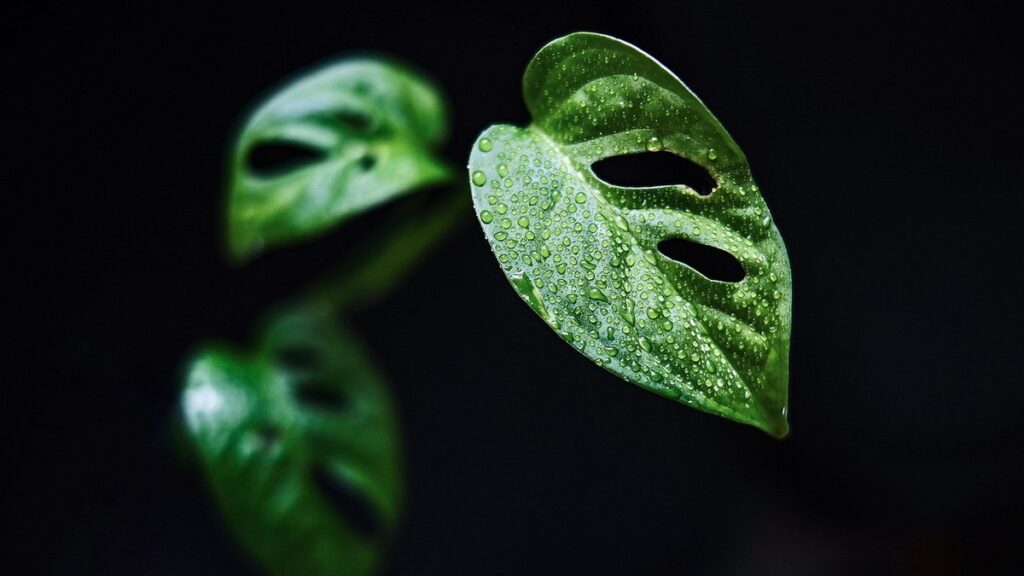
The characteristic holes and splits in the leaves are a result of natural evolution, allowing for increased photosynthesis and sunlight penetration. As you gaze upon a mature Monstera plant, you’ll notice large, irregularly-shaped holes that resemble windows or tears in the leaf surface. These gaps can range from small, almost imperceptible slits to deep, gaping fissures.
When observing Monstera fenestration in photos or videos, look for these distinctive features:
• Irregularly shaped holes with varying sizes and orientations
• Deep splits or fissures that split the leaves into distinct sections
• Thicker leaf margins around the edges of the holes, which can appear more robust compared to the surrounding tissue
• Leaf undersides often exhibiting a lighter green or almost translucent color due to reduced chlorophyll
By learning to recognize these visual characteristics, you’ll be able to identify Monstera fenestration with ease and appreciate its unique beauty.
Factors Contributing to Monstera Fenestration
As you delve into the world of monstera fenestration, it’s essential to understand what factors contribute to this unique phenomenon in your beloved plants. Let’s explore some key contributors together!
Light Exposure
When it comes to Monstera fenestration, light exposure plays a crucial role in shaping the extent and pattern of leaf hole formation. In general, Monsteras prefer bright, indirect light to develop their signature fenestrations. However, the type and intensity of lighting can significantly impact the size, distribution, and overall appearance of the holes.
For instance, plants grown under intense direct sunlight often exhibit larger, more irregularly shaped fenestration patterns. This is because the strong light triggers a response in the plant to develop thicker, waxy leaves with larger openings to allow for maximum light penetration. On the other hand, low-light conditions tend to result in smaller, less frequent holes.
To promote healthy fenestration, Monsteras typically require east- or west-facing windows that filter out intense rays. A south-facing window can also work, but be sure to provide a sheer curtain or shade to prevent scorching. Avoid direct sunlight, especially during peak hours, as this can cause damage and impede growth.
When growing indoors, consider using grow lights to supplement natural light conditions. This will not only help promote fenestration but also overall plant health.
Watering and Humidity
When it comes to caring for monstera plants with fenestration, proper watering and humidity management are crucial. Over-watering can lead to root rot, while under-watering can cause stress that exacerbates the appearance of fenestration. To strike a balance, ensure the soil is consistently moist but not waterlogged.
Maintaining optimal humidity levels between 50-70% will also contribute to healthier leaves and reduced fenestration. You can achieve this by placing your monstera near a humidifier or grouping plants together to create a microclimate. Alternatively, you can mist the leaves regularly with a spray bottle filled with distilled water.
Some practical tips for caring for your monstera with fenestration include:
* Checking the soil moisture daily during hot summer months
* Adjusting your watering schedule based on seasonal changes in humidity and temperature
* Avoiding exposing your plant to extreme temperatures or drafts
By paying attention to these factors, you can promote healthy growth and minimize the appearance of fenestration in your monstera.
Caring for Monstera Plants with Fenestration
To keep your Monstera with fenestration thriving, learn how to water, fertilize, and prune these unique plants with special care requirements. Proper maintenance is key to stunning foliage growth.
Propagation and Repotting
When it’s time to propagate and repot your Monstera plant with fenestration, you’ll want to do so with care. This is because the roots of Monsteras are notoriously delicate, making them prone to damage during these processes.
To minimize this risk, start by choosing a healthy stem cutting or division from your existing plant. Cut just above a node using a clean and sharp tool to avoid crushing any sensitive tissue. Place the cutting in a well-draining potting mix and keep it consistently moist but not waterlogged.
When repotting, gently remove the plant from its container, taking care not to disturb the roots as much as possible. Inspect the roots for signs of damage or rot and trim any affected areas with sterile scissors. Gently spread out the roots in their new pot, making sure to leave enough space for growth. Keep in mind that Monsteras can take a while to establish themselves after repotting, so be patient.
It’s also worth noting that repotting can be an excellent opportunity to inspect and clean any dead or decaying leaves on your Monstera plant. Remove these as needed to keep the plant healthy and promote new growth.
Pruning and Training
Pruning and training Monstera plants with fenestration is an art that requires patience and attention to detail. To maintain their unique shape and promote healthy growth, it’s essential to prune your Monstera regularly. Remove any dead or damaged leaves, as these can create an entry point for pests and diseases. Also, trim back long vines to encourage branching and prevent the plant from becoming leggy.
When pruning, use clean and sharp tools to avoid spreading diseases. Cut just above a node (the small stem from which a leaf emerges) to encourage new growth. For Monstera plants with fenestration, it’s best to prune in a way that maintains the natural pattern of holes and fenestrations. You can also train your Monstera to grow along a trellis or other support using twine or wire. This will not only keep the plant tidy but also encourage vertical growth and make the most of its space.
Remember, pruning is an ongoing process, and it’s better to prune small amounts regularly rather than waiting for the plant to become overgrown.
Benefits and Drawbacks of Monstera Fenestration
As you weigh the decision to bring monstera fenestration into your home, it’s essential to consider both its advantages and disadvantages for a healthy indoor ecosystem.
Aesthetic Appeal
One of the most significant benefits of monstera fenestration is its unique aesthetic appeal. These plants are not only low-maintenance but also add a touch of tropical elegance to any indoor space. Their stunning fenestrations, which resemble tiny windows or holes, create a sense of drama and visual interest that’s hard to find with other houseplants.
In recent years, monstera fenestration has become increasingly popular in interior design, thanks to its versatility and adaptability to various decorating styles. From modern lofts to traditional living rooms, these plants can seamlessly integrate into any space, bringing a touch of the exotic and the unexpected.
If you’re looking to add a monstera fenestration to your home or office decor, consider pairing it with a statement piece of furniture or bold-colored walls to create a striking contrast. Alternatively, place it in a corner or against a neutral-colored wall to let its natural beauty shine through. With proper care and attention, these plants can thrive for years to come, providing a unique and captivating focal point that’s sure to spark conversations and admiration.
Care Challenges
Caring for Monstera plants with fenestration can be a bit more challenging than regular Monstera varieties. One of the key concerns is their increased sensitivity to light fluctuations. While Monstera plants typically thrive in bright, indirect light conditions, those with fenestration require a bit more TLC. This means avoiding direct sunlight during peak hours and providing some shade during intense periods.
Additionally, Monstera fenestration are more susceptible to humidity changes than regular Monstera. They prefer high humidity levels, but fluctuations can cause them to droop or develop brown spots. To mitigate this risk, make sure to maintain a consistent level of humidity around your plant by placing it on a tray filled with water and pebbles or using a humidifier nearby.
Another challenge you might encounter is overwatering, which can lead to root rot in Monstera fenestration. With their delicate leaves and holes for air exchange, these plants are more prone to waterlogged soil. To avoid this issue, check the moisture level of the soil regularly and adjust your watering schedule accordingly.
Common Mistakes to Avoid when Growing Monstera Fenestration
When growing Monstera fenestration, it’s easy to fall into bad habits that can harm your plant. Let’s cover some common mistakes to avoid for a healthier and happier monstera.
Overwatering and Underwatering
When it comes to growing Monstera fenestration, one of the most critical aspects is watering. Getting this right can be a challenge, but don’t worry – we’ve got you covered. Overwatering and underwatering are two common mistakes that can be detrimental to your plant’s health.
Overwatering occurs when the soil is consistently waterlogged, causing roots to rot and increasing the risk of fungal diseases. This is often due to watering too frequently or not allowing enough time for the soil to dry out between waterings. On the other hand, underwatering leads to a lack of moisture in the soil, causing stress to the plant.
To find the right balance, start by checking the soil moisture regularly. Stick your finger into the soil up to the first knuckle, and if it feels dry, it’s time to water. However, don’t overdo it – allow the top inch or two of soil to dry out between waterings. It’s also essential to consider factors like temperature, humidity, and pot size when determining watering frequency.
Monitor your plant’s response to your care routine and adjust accordingly. Remember that Monstera fenestration is a forgiving plant, but neglecting its watering needs can lead to unsightly droopy leaves or worse – root rot.
Insufficient Light or Extreme Conditions
When growing Monstera fenestration, it’s easy to overlook the importance of providing optimal light conditions. While these plants can thrive in a range of environments, extreme light exposure can lead to unsightly damage. Direct sunlight, for instance, can cause the beautiful fenestrations on your Monstera’s leaves to become scorched and discolored.
Conversely, low-light environments may not be beneficial either. This is because Monstera fenestration requires bright, indirect light to undergo photosynthesis effectively. Without sufficient light, growth slows down, and the plant may begin to develop leggy stems in search of more illumination.
To avoid these issues, place your Monstera fenestration near an east- or west-facing window for optimal results. If you’re using grow lights, ensure they provide a balanced spectrum that mimics natural sunlight. Avoid placing your plant directly under skylights or south-facing windows during peak sun hours. Instead, consider filtering the intense light with a sheer curtain or shade to prevent damage. By doing so, you’ll be able to enjoy the stunning fenestrations on your Monstera’s leaves for years to come.
Conclusion and Final Thoughts
As we’ve explored the fascinating world of Monstera fenestration, it’s essential to summarize our key takeaways. By understanding how this unique trait allows plants to thrive in low-light environments, you can better appreciate the complexity of plant evolution. When selecting a Monstera for your home or office, remember that a few leaves with fenestrations don’t necessarily mean the plant is getting enough light. Instead, focus on the overall health and appearance of the plant, as well as its ability to photosynthesize. With this knowledge, you’ll be better equipped to provide the right conditions for your Monstera to flourish, even in a room without an abundance of natural light.
Frequently Asked Questions
Can I grow Monstera fenestration plants indoors without any special equipment?
Yes, you can successfully grow Monstera fenestration plants indoors with proper care. Make sure to provide them with bright, indirect light and maintain a humid environment by misting the leaves regularly. Use a well-draining potting mix and repot your plant every 1-2 years as it grows.
How do I know if my Monstera plant is developing fenestration naturally or due to excessive humidity?
Monitor your plant’s growth closely, and if you notice any unusual splits or holes in the leaves, research how Monstera plants in similar environments are growing. If your plant has more pronounced fenestration, it may be a sign of adaptation to its environment.
What’s the best way to propagate Monstera fenestration plants to ensure successful growth?
To propagate Monstera fenestration successfully, use stem cuttings with at least two nodes. Remove lower leaves, and then plant the cutting in moist potting mix, keeping it warm (around 75-85°F) until roots develop.
Can I still grow a healthy Monstera fenestration if my indoor space lacks natural light?
While Monstera fenestration plants prefer bright light, they can adapt to low-light conditions. However, their growth might be slower and more challenging. Consider using grow lights or placing the plant near an east- or west-facing window for optimal results.
How do I prevent overwatering when caring for my Monstera fenestration with its increased demand for moisture?
Check your plant’s moisture levels regularly by sticking a finger into the soil, and water only when it feels dry to the touch. Avoid getting water on the leaves or crown to prevent fungal diseases, and use a well-draining potting mix to reduce the risk of root rot.