
As a nature lover and gardener, you’re probably no stranger to the joy of attracting birds into your garden. But did you know that by incorporating bird-friendly hedges into your landscape design, you can create a haven for local wildlife and support biodiversity in your area? Planting the right type of hedge can be a game-changer for birds, providing food, shelter, and habitat for countless species. In this comprehensive guide, we’ll walk you through the steps to choose, design, plant, and maintain bird-friendly hedges that will make your garden a sanctuary for feathered friends and other wildlife. Whether you’re a seasoned gardener or just starting out, our expert advice will show you how to create a thriving ecosystem in your own backyard.
Benefits of Bird-Friendly Hedges
When you plant a bird-friendly hedge, not only do you create a haven for local wildlife, but you also reap the rewards for yourself and your community. Let’s explore some of these wonderful benefits together!
Attracting Birds and Biodiversity
Attracting birds and biodiversity is one of the most significant benefits of bird-friendly hedges. These hedges play a vital role in supporting local ecosystems by providing essential resources for various bird species. By incorporating native plants, shrubs, and trees into your hedge, you’ll be creating a thriving haven that meets the needs of your feathered friends.
When it comes to food, bird-friendly hedges offer an array of fruits, berries, seeds, and insects that provide sustenance throughout the year. For instance, planting pyracantha or cotoneaster will attract birds with their juicy berries, while lavender or rosemary will draw in pollinators for nectar-rich flowers.
In addition to food, these hedges also offer shelter from harsh weather conditions, predators, and human disturbance. Dense foliage provides a safe haven for birds to nest, raise their young, and escape extreme temperatures. For example, plant native shrubs like hazel or dogwood that provide dense cover, allowing birds to feel secure in your garden.
Remember, creating a bird-friendly hedge is not just about aesthetics; it’s also about supporting the local ecosystem and preserving biodiversity.
Reducing Urban Heat Island Effect
When you choose bird-friendly hedges for your garden, you’re not only creating a haven for wildlife, but also contributing to a more sustainable and livable urban environment. One of the significant benefits of these hedges is their ability to mitigate the urban heat island effect.
This phenomenon occurs when built-up areas absorb and retain heat from the sun, leading to higher temperatures than surrounding rural areas. By incorporating bird-friendly hedges into your garden design, you can help reduce this effect in several ways:
* Leafy branches and foliage provide natural shade, blocking direct sunlight and reducing the amount of heat absorbed by buildings and pavement.
* Dense planting helps retain moisture in the soil, which evaporates more slowly, cooling the surrounding air.
* Birds that inhabit these hedges contribute to local pest control, reducing the need for pesticides and other chemicals that can exacerbate urban heat island effects.
By installing bird-friendly hedges, you’re not only supporting biodiversity but also creating a more comfortable living environment for yourself and your community.
Choosing Bird-Friendly Hedge Species
When selecting a hedge species for your garden, you’ll want to choose one that provides sustenance and shelter for our feathered friends. Let’s explore some bird-friendly options together!
Native vs. Non-Native Plants
When it comes to choosing bird-friendly hedge species, one crucial decision is whether to opt for native or non-native plants. Both have their advantages and disadvantages when it comes to attracting birds.
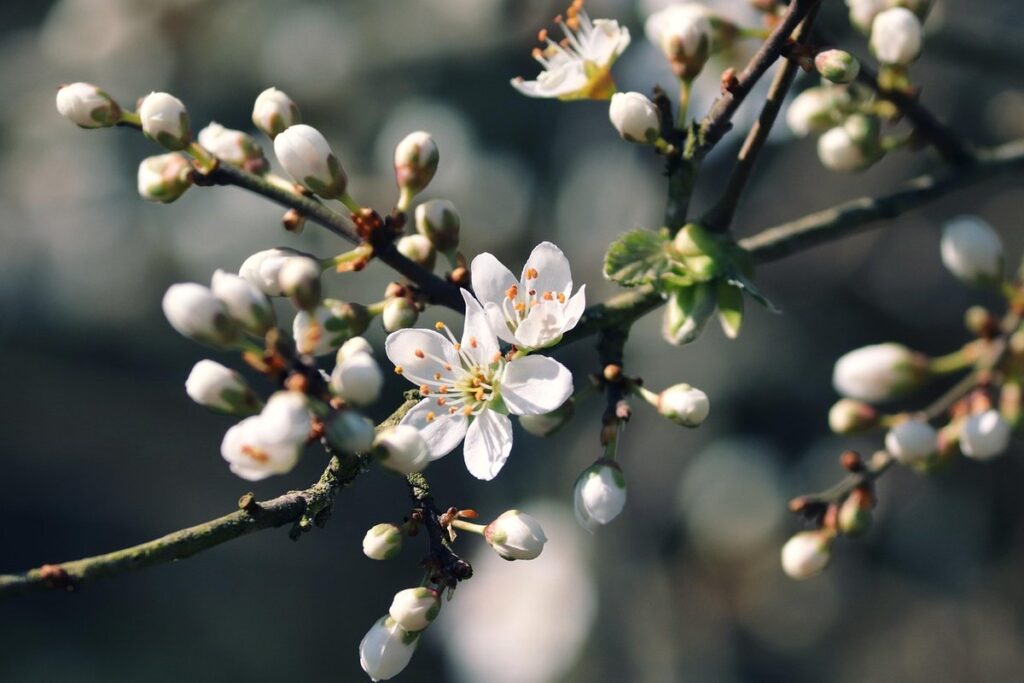
Native plants are typically more beneficial for local wildlife as they provide a food source and shelter that’s specifically tailored to the area’s unique ecosystem. They often require less maintenance and care since they’re adapted to the local climate, soil type, and pest population. For example, in the UK, native hawthorn (Crataegus monogyna) and blackthorn (Prunus spinosa) are highly valued for their berries, which provide a crucial source of nutrition for birds during winter months.
On the other hand, non-native plants can also offer benefits, such as year-round interest or vibrant colors. However, they often require more maintenance and may attract pests that could harm local wildlife. Additionally, non-native plants may not provide the same level of support for native insects, which are essential food sources for many bird species.
When deciding between native and non-native plants, consider your specific region’s ecosystem and the birds you want to attract. Planting a mix of both can create a diverse and resilient habitat that supports local wildlife throughout the year.
Considerations for Plant Selection
When selecting plant species for your bird-friendly hedge, there are several key factors to consider. First and foremost, you’ll want to choose plants that are hardy enough to thrive in your local climate and soil conditions. This means considering the plant’s native range, as well as its tolerance of frost, drought, and other environmental stressors.
Growth rate is another crucial consideration. A hedge that grows too quickly can become unruly and difficult to maintain, while one that grows too slowly may not provide adequate shelter or food for birds. Look for species with a moderate growth rate, typically between 30-60cm per year, which will allow you to maintain a neat and tidy appearance without sacrificing bird-friendly benefits.
Maintenance needs are also essential to consider. Some plants require regular pruning, while others can become invasive if not properly managed. Be sure to choose species that fit within your maintenance schedule and won’t cause problems in the long term.
Designing and Planting Bird-Friendly Hedges
When it comes to creating a bird-friendly hedge, selecting the right plants is just the first step. In this next part of our guide, we’ll walk you through designing and planting your perfect haven for wildlife.
Hedge Shape and Size Matters
When designing and planting bird-friendly hedges, it’s essential to consider the shape and size of the hedge to provide habitat diversity for our feathered friends. A well-designed hedge can offer shelter, food, and breeding sites for birds, making it a haven for wildlife.
The shape of the hedge plays a crucial role in attracting different bird species. For example, a hedge with a mix of dense shrubs and open spaces will attract birds that prefer open areas, such as skylarks and meadow pipits, while a densely planted hedge with tall trees will appeal to birds that like dense cover, like blackbirds and thrushes.
In terms of size, a hedge that’s too small may not provide enough habitat for birds, while one that’s too large can be overwhelming. A good rule of thumb is to plant hedges that are around 3-4 meters tall and 1-2 meters wide. This will allow you to create a diverse range of habitats within the same hedge, from dense shrubs to open spaces with flowers and grasses.
Remember, it’s all about creating layers and textures in your hedge design. By incorporating different plant species with varying heights, densities, and growth habits, you’ll be able to provide a welcoming habitat for birds to thrive in.
Planting Techniques for Success
When planting bird-friendly hedge species, it’s essential to get the foundation right. Proper soil preparation is crucial for optimal growth and health. Before planting, test the pH level of your soil and amend it if necessary. Most native plant species prefer slightly acidic to neutral soil conditions. If your soil is heavy clay or sandy, add organic matter like compost or well-rotted manure to improve its structure.
When spacing hedge plants, consider the mature size of each species and leave enough room for growth. A general rule of thumb is to space them 30-60 cm apart, depending on their expected spread. This will also help prevent overcrowding, which can lead to disease and pests.
Aftercare is just as important as planting. Water your hedge regularly during its first year, especially during hot or dry spells. Mulch around the base to retain moisture and suppress weeds. Prune your hedge annually to maintain shape and promote healthy growth. By following these simple steps, you’ll be well on your way to creating a thriving bird-friendly hedge that will attract wildlife to your garden for years to come.
Maintenance and Care of Bird-Friendly Hedges
To keep your bird-friendly hedges thriving, it’s essential to understand how to properly maintain them, from pruning to pest control. We’ll walk you through the basics.
Seasonal Tasks for a Healthy Hedge
As the seasons change, it’s essential to adjust your maintenance routine for a healthy and thriving bird-friendly hedge. During spring, focus on pruning back last year’s growth to make way for new shoots. This will help maintain the hedge’s shape, promote air circulation, and prevent disease from spreading.
Summer months are ideal for regular watering, but be mindful not to overwater, as this can lead to root rot and other problems. Additionally, keep an eye out for weeds like bindweed or Japanese knotweed, which can outcompete your desired plants. Use a combination of physical removal and targeted herbicides to control these invasive species.
Autumn brings the opportunity to add beneficial plants like berries or seeds that will attract birds during the colder months. Also, take this time to clean up any debris or dead plant material from the hedge’s base, which can harbor pests and diseases.
In winter, protect your hedge from extreme temperatures by applying a layer of mulch or straw around the base. This will help retain moisture, suppress weeds, and regulate soil temperature. Regularly inspect your hedge for signs of damage or stress, making adjustments as needed to ensure it remains healthy and attractive throughout the year.
Managing Pests and Diseases
As you cultivate a bird-friendly hedge in your garden, it’s essential to be aware of potential pests and diseases that can impact its health. Common issues include aphids, spider mites, and scale insects, which can weaken plants and make them more vulnerable to disease. To prevent infestations, maintain good hygiene by regularly inspecting your hedge for signs of pests or damage. Remove any affected leaves or stems, and consider introducing natural predators like ladybugs or lacewings to control populations.
For diseases, fungal infections are a common concern in damp environments. Regular pruning can help improve air circulation and reduce the risk of fungal growth. Apply organic fungicides or copper-based products as necessary. Root rot is another issue, often caused by overwatering or poor drainage. Inspect your hedge’s roots and adjust watering schedules accordingly.
To keep your bird-friendly hedge thriving, monitor its health closely and address any issues promptly. Regular maintenance will help prevent pest and disease problems from arising in the first place. By staying vigilant and taking proactive measures, you can create a haven for wildlife that remains healthy and vibrant throughout the seasons.
Troubleshooting Common Issues
If you’re experiencing problems with your bird-friendly hedge, don’t worry – we’ve got some expert advice to help you troubleshoot common issues and get your garden back on track. We’ll walk through potential problems and their solutions.
Identifying and Addressing Problems
As you create your bird-friendly hedge haven, it’s essential to be prepared for potential issues that may arise. Keep an eye out for signs of pest infestations, such as holes in the leaves, stems, or flowers, or noticeable damage to the hedge itself. Common culprits include insects like aphids, caterpillars, and slugs.
If you notice any problems, address them promptly to prevent further damage. For example, if you spot aphid colonies on your lavender plants, spray them with a mild soap solution or neem oil. To maintain good health, also watch out for disease outbreaks, which can be caused by factors like overwatering, poor air circulation, or weak plant stock.
Regular maintenance is key to keeping your bird-friendly hedge healthy and thriving. This includes tasks like pruning, watering, and fertilizing at the right times. For instance, prune your hedges in late winter or early spring to promote new growth and prevent shading out smaller plants underneath. With a little care and attention, you can enjoy a lush, vibrant haven for birds and other wildlife in your garden.
Long-Term Consequences of Poor Care
If you neglect or poorly maintain your bird-friendly hedge, it can have far-reaching consequences that go beyond just its appearance. One of the most significant long-term effects is the degradation of the local ecosystem. When hedges are not properly maintained, they become more susceptible to pests and diseases, which can spread quickly and harm other plants in the surrounding area.
As a result, biodiversity within your garden may also suffer. A healthy bird-friendly hedge provides food, shelter, and breeding grounds for various bird species. Poor maintenance can lead to the loss of these essential resources, causing some birds to migrate or even become extinct locally.
In extreme cases, neglecting your hedge can even contribute to soil erosion and water pollution. When hedges are not properly trimmed, dead leaves and branches can clog drainage systems, leading to flooding and the spread of invasive species that can harm local wildlife. Regular pruning, however, is essential in maintaining the health and structure of your bird-friendly hedge, ensuring it continues to thrive and support the local ecosystem.
Conclusion
Now that you’ve learned how to create a bird-friendly haven, let’s summarize the key takeaways from our hedge-planting journey together.
Recap of Key Takeaways
Creating a bird-friendly hedge requires careful planning and attention to detail. To recap, let’s review some of the key points we’ve discussed throughout this article.
First and foremost, selecting the right plant species is crucial for attracting birds to your garden. Native plants that provide berries, seeds, or nectar are ideal choices. For example, consider planting hawthorn, blackthorn, or crab apple trees for their berry-rich foliage. These plants not only attract birds but also support local pollinators.
Another essential aspect is the structure and layout of your hedge. A diverse array of plant species can be incorporated to create a layered effect, with taller plants at the back and shorter ones in front. This provides perches and shelter for birds, as well as opportunities for nesting and foraging.
Regular maintenance also plays a vital role in maintaining a healthy bird-friendly hedge. Pruning should be done carefully to avoid damaging the plant’s natural habitat or removing essential food sources. It’s essential to prune during the dormant season when plants are less susceptible to disease and pests.
Additionally, consider incorporating other features that complement your hedge, such as bird feeders, birdbaths, or insect hotels. These additions can further enhance your garden’s biodiversity and provide a welcoming environment for local wildlife.
Incorporating these key elements will help you create a thriving bird-friendly haven in your garden. Remember to adapt your approach based on the specific needs of your climate and region. By doing so, you’ll be well on your way to establishing a vibrant ecosystem that supports and delights the birds visiting your garden.
Frequently Asked Questions
Can I still create a bird-friendly hedge if my garden is small or has limited space?
Yes, even with limited space, you can still plant a bird-friendly hedge by selecting compact or dwarf varieties of native plants that are specifically designed for smaller gardens. Consider using a hedging system with multiple layers to maximize space and provide habitat for birds.
How do I ensure my bird-friendly hedge is accessible for maintenance during different seasons?
Make sure to plan your hedge design with regular maintenance in mind, taking into account factors like winter pruning, spring planting, and summer watering schedules. Leave enough space between plants for easy access, and consider using raised beds or platforms for easier upkeep.
What if I have existing non-native hedges that are not bird-friendly – can I still make them beneficial?
While it’s best to start with native species, you can still create a bird-friendly environment by incorporating native plants into your existing hedge. Consider planting native shrubs or trees alongside your existing non-native varieties, and ensure they receive regular maintenance to promote biodiversity.
How do I identify potential pests and diseases in my bird-friendly hedge?
Keep an eye out for signs of pests like aphids, slugs, or snails, as well as fungal diseases that can affect native plants. Regularly inspect your hedge during seasonal checks, and use organic methods whenever possible to minimize harm to the environment.
Can I combine bird-friendly hedges with other landscape features to create a more comprehensive wildlife habitat?
Yes, integrating bird-friendly hedges with other landscape elements like water features, native meadows, or rock gardens can help create a thriving ecosystem that supports local biodiversity. By combining these features, you’ll provide birds and other wildlife with multiple resources for survival and reproduction.