
Imagine waking up to a sea of vibrant colors, surrounded by the gentle hum of bees and the soothing songs of birds. A wildflower meadow in your garden is not only a feast for the eyes, but it also brings numerous benefits for wildlife, the environment, and your mental health. By creating a haven for local flora and fauna, you’ll be contributing to the preservation of biodiversity and reducing your carbon footprint.
In this article, we’ll show you how to plant and maintain a thriving wildflower meadow in your garden. We’ll cover everything from selecting the perfect spot and choosing the right mix of wildflowers to tips on how to keep it looking its best throughout the seasons. By following our expert advice, you’ll be well on your way to creating a stunning oasis that’s teeming with life and beauty.
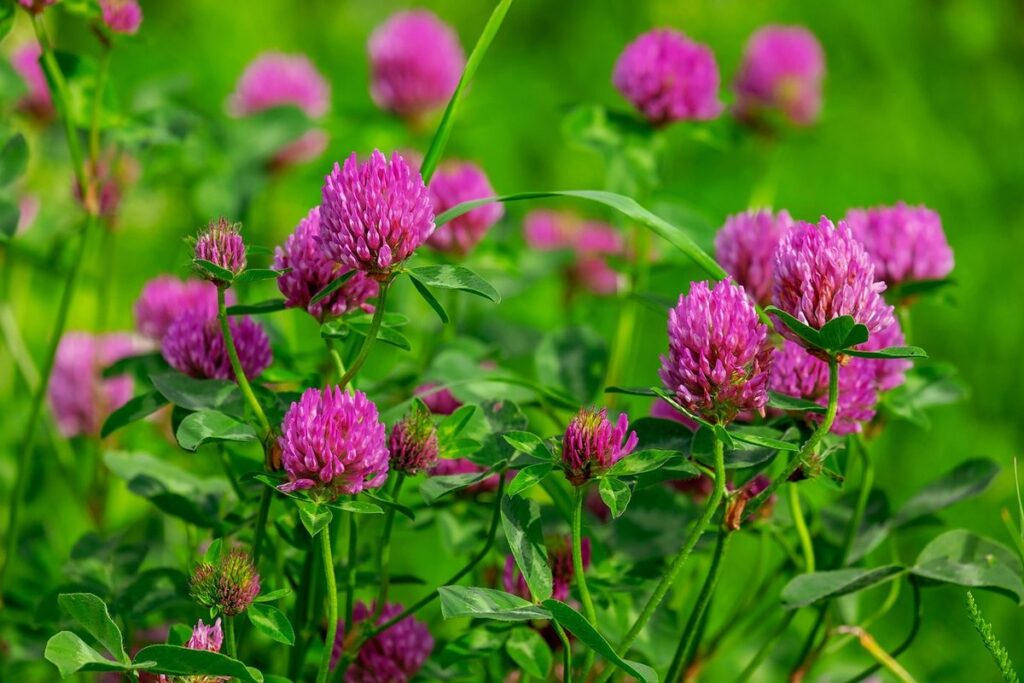
Planning a Wildflower Meadow
Before you start sowing those seeds, let’s take a closer look at planning your wildflower meadow, from choosing the right spot to preparing the soil.
Choosing the Right Location
When it comes to creating a thriving wildflower meadow in your garden, selecting the right location is crucial. You need to consider factors such as sunlight, soil type, and accessibility to ensure that your meadow receives the best conditions for growth.
Sunlight is one of the most critical elements to think about when choosing a location for your wildflower meadow. Most wildflowers require at least six hours of direct sunlight per day, so it’s essential to choose an area that gets plenty of sun. Consider areas with south-facing slopes or open spaces that receive full sun.
Soil type is another vital factor to consider. Wildflowers prefer well-drained soil, so if your garden has heavy clay or waterlogged soils, it might not be the best spot for a wildflower meadow. You can also test the pH level of your soil and choose a location with suitable acidity or alkalinity levels.
Lastly, accessibility is important for maintenance and enjoyment purposes. Make sure the area you choose is easily accessible, so you can tend to your meadow regularly without any hassle. Consider areas near paths or walkways to make it easy to visit your wildflower meadow whenever you want.
Selecting the Right Flowers
When selecting flowers for your wildflower meadow, it’s essential to consider the specific conditions of your garden. Start by assessing your climate: does your region experience hot summers, cold winters, or a moderate temperate climate? This will help you choose flowers that are adapted to these conditions.
Next, think about the quality of your soil. Does it drain well, or is it prone to waterlogging? Different wildflowers thrive in different soil types, so choose flowers that suit your garden’s soil characteristics. For example, if your soil is heavy clay, opt for drought-tolerant flowers like knapweed or black knapweed.
Another crucial factor is bloom time. You’ll want a mix of flowers that bloom at different times to ensure a continuous display throughout the growing season. Consider a combination of early-blooming flowers like bluebells and primroses, mid-summer blooms like cornflower and yarrow, and late summer flowers like aster and sedum.
When selecting individual flowers, consider their growth habits as well: some spread quickly through underground rhizomes, while others grow upright. This will help you create a balanced composition that minimizes maintenance and maximizes visual impact.
Preparing the Site
Before you can plant your wildflower meadow, it’s essential to prepare the site. This involves clearing existing vegetation, loosening the soil, and removing any debris. Start by assessing the area and removing any large trees or shrubs that could compete with your wildflowers for resources.
Next, clear the existing vegetation using a strimmer or lawn mower. You can also use glyphosate-based weed killers to kill off unwanted plants, but be sure to follow safety guidelines and take precautions to avoid overspray. Once you’ve cleared the area, loosen the soil to a depth of about 8-10 inches. This will help your wildflowers establish themselves quickly.
Be ruthless when clearing debris – anything from old garden furniture to broken pots can harbor pests or diseases that could harm your new meadow. Remove any weeds or debris by hand or with a rake, and consider using a tarp or sheeting to suppress weeds and retain moisture in the soil until your wildflowers are established.
Planting a Wildflower Meadow
To create a beautiful and thriving wildflower meadow, let’s dive into the process of planting these stunning flowers, starting from scratch. We’ll cover the essential steps to get you underway.
Sowing Seeds
Sowing wildflower seeds is an exciting step in creating your own meadow. To ensure a lush and diverse display of flowers, it’s essential to scatter the seeds evenly and give them good contact with the soil.
To start, choose a suitable area for sowing by selecting a spot that receives the right amount of sunlight for the specific wildflowers you’re using. Clear any debris or weeds from the area, as these can compete with your new plants for resources.
Use a spreader to scatter the seeds evenly across the designated space. Aim for a density of about 10-15 seeds per square foot to encourage healthy growth and prevent overcrowding. To avoid clumping, consider using a seed mix that includes a variety of wildflowers, which will naturally disperse as they grow.
For best results, sow your wildflower seeds in late winter or early spring, when the soil is workable but still moist. This allows the seeds to germinate and establish themselves before the heat of summer.
Mulching and Watering
Mulching is an essential step in creating a thriving wildflower meadow. A 2-3 inch layer of organic mulch helps retain moisture, suppress weeds, and regulate soil temperature. Choose a mulch that’s locally sourced and free from weed seeds to prevent invasive species from taking over. As you spread the mulch, make sure to keep it a few inches away from the base of the plants to avoid suffocating them.
Watering is another critical aspect of wildflower meadow maintenance. Wildflowers are adapted to survive with minimal watering, but they still need consistent moisture during their first year after planting. Water your meadow deeply once or twice a week, depending on weather conditions. Avoid overwatering, which can lead to root rot and other problems.
To maintain optimal conditions, monitor your meadow’s soil moisture by inserting a finger into the soil up to the knuckle. If it feels dry, it’s time for watering. Also, keep an eye out for signs of pests or diseases, and take action promptly if you notice any issues. By following these tips, you’ll be well on your way to creating a lush and vibrant wildflower meadow in your garden.
Avoiding Weeds and Pests
When creating a wildflower meadow in your garden, it’s essential to be aware of common weeds and pests that can damage the delicate ecosystem. One of the most notorious weeds is bindweed, which can strangle your wildflowers and prevent them from thriving. To control bindweed, simply pull it out by hand or use a hoe to remove as much of the root system as possible.
Another problematic weed is creeping thistle, which can spread quickly and crowd out your native wildflowers. Regular mowing can help keep its growth under control, but be sure to remove the entire plant to prevent re-growth. Additionally, consider using mulch or compost to suppress weeds and retain moisture in the soil.
Some common pests that target wildflower meadows include slugs and snails, which can leave unsightly holes in your blooms. To deter them, use crushed eggshells or copper tape around the perimeter of your meadow. For larger insects like aphids and bees, consider introducing beneficial insects like ladybugs and lacewings to keep their populations under control.
Maintenance and Care
To keep your wildflower meadow thriving, it’s essential to understand how to properly maintain and care for these delicate flowers throughout the growing season and beyond. Regular upkeep ensures their continued beauty.
Seasonal Tasks
Maintaining a healthy wildflower meadow requires regular attention throughout the seasons. As the growing season begins, inspect your meadow for signs of disease or pests. Be on the lookout for aphids, slugs, and snails, which can quickly spread and damage your flowers.
In the spring, deadhead spent blooms to encourage new growth and prevent seed production. Use scissors or pinch off fading flowers at the base to promote healthy regrowth. This will also help maintain the meadow’s natural appearance and prevent self-seeding.
Summer is a great time for pruning. Remove any overgrown stems or dead vegetation to allow sunlight to reach remaining blooms. Cut back perennials like coneflowers and black-eyed susans to about one-third of their height. This will control their spread and promote new growth.
Regularly inspect your meadow for signs of disease, such as powdery mildew or rust. Take action quickly by applying fungicides or removing affected plants. By staying on top of these seasonal tasks, you’ll be rewarded with a vibrant, thriving wildflower meadow that brings joy to your garden all season long.
Dealing with Changes in Weather
As you tend to your wildflower meadow, it’s essential to be flexible and adapt to changes in weather patterns. Droughts can be particularly challenging for these delicate flowers, so make sure to water them deeply but infrequently during dry spells. Aim to provide about 1-2 inches of moisture per week, either through rain or irrigation.
On the other hand, heavy rainfall can cause soil erosion and flooding in your meadow. To mitigate this, consider installing a French drain or raised bed to improve drainage. Also, be mindful of waterlogging, which can lead to root rot and plant death. If you notice standing water after a storm, remove any excess moisture by gently raking the soil.
Extreme temperatures can also impact your wildflowers. During heatwaves, provide some shade for sensitive plants using a trellis or umbrella. Conversely, during cold snaps, protect your meadow with a layer of mulch to insulate the soil and retain moisture. By being attentive to these weather fluctuations, you’ll be better equipped to support the unique needs of your wildflower meadow throughout the seasons.
Encouraging Biodiversity
When creating a wildflower meadow in your garden, it’s essential to encourage biodiversity to attract a variety of beneficial insects and wildlife. One way to do this is by incorporating native plants that are adapted to your local climate and soil conditions. These plants will provide the necessary food, shelter, and breeding grounds for pollinators, birds, and other animals.
Avoid using pesticides in your meadow, as they can harm or kill these beneficial species. Instead, adopt integrated pest management (IPM) techniques that promote ecological balance and use natural methods to control pests when needed. You can also create a habitat for beneficial insects by providing sheltered spots with rocks, logs, or other debris.
In addition, consider creating a source of water in your meadow, such as a shallow dish or birdbath, to attract visiting birds and other wildlife. Planting flowers that provide nectar-rich blooms will also draw in pollinators like bees and butterflies. By implementing these strategies, you’ll create a thriving ecosystem within your wildflower meadow that supports biodiversity and attracts an array of beneficial insects and animals.
Designing Your Wildflower Meadow
Now that you have a clear idea of what wildflowers are suitable for your meadow, let’s dive into designing a beautiful and thriving space. We’ll cover the essential elements to consider when creating a stunning wildflower meadow in your garden.
Considering Your Aesthetic Goals
When designing your wildflower meadow, it’s essential to define your aesthetic goals from the start. What do you want your meadow to look like? A vibrant display of color, a calming natural atmosphere, or perhaps something in between?
Consider the impact you want your meadow to have on your garden and its surroundings. Do you envision a whimsical, playful space that attracts bees and butterflies, or a serene oasis that invites relaxation? Perhaps you’re aiming for a balance between the two.
To help guide your decision-making process, ask yourself: What’s the style of my home and garden? Am I drawn to classic English country gardens, modern minimalist designs, or something more eclectic? Answering these questions will give you a better understanding of what type of wildflower meadow would suit your taste and complement your existing landscape. By clarifying your aesthetic goals, you’ll be able to make informed decisions about the types of plants to choose, how to shape and maintain your meadow, and ultimately create a space that brings you joy and fulfillment.
Incorporating Native Plants
When it comes to designing your wildflower meadow, incorporating native plants is one of the most crucial decisions you’ll make. Not only do they thrive in local conditions, but they also provide a haven for beneficial wildlife, adding depth and charm to your garden.
Native plants have adapted over centuries to the specific climate, soil, and weather patterns of your region, making them incredibly resilient and low-maintenance. They’re less likely to require water, fertilizers, or pesticides, which means you’ll save time, money, and resources in the long run. Plus, by choosing native species, you’re supporting local biodiversity and promoting ecological balance.
By planting native wildflowers, shrubs, and grasses, you’ll attract a variety of beneficial wildlife, such as pollinators like bees and butterflies, birds, and even small mammals. These visitors will not only add visual interest to your meadow but also contribute to the health and productivity of your garden.
When selecting native plants for your wildflower meadow, consider factors like soil type, sun exposure, and moisture levels to ensure you choose species that thrive in your specific conditions. Research local nurseries or online resources to find reliable sources of native plant seeds, tubers, or seedlings.
Creating a Natural Border
When it comes to creating a natural border for your wildflower meadow, the possibilities are endless. You can use native plants that complement the surrounding landscape, adding an extra layer of depth and interest to your garden. For example, if you have a meadow filled with tall grasses and wildflowers, consider planting low-growing shrubs or perennials like lavender or coneflower along the edge.
Rocks are another great option for creating a natural border. You can use fieldstones or larger boulders to create a visually appealing boundary that blends seamlessly into the surrounding landscape. Not only do rocks provide a beautiful contrast to the soft, flowing grasses and wildflowers, but they also help to stabilize the soil and prevent erosion.
Another material you can use is reclaimed wood or branches. Simply arrange them in a way that creates a natural-looking border, and consider adding some native plants or groundcovers to fill in any gaps. This type of border adds warmth and texture to your meadow, while also providing a habitat for beneficial insects and small wildlife.
When selecting materials for your natural border, be sure to choose items that are locally sourced and sustainable. This will not only reduce your environmental impact but also create a more authentic look that blends in with the surrounding landscape. With a little creativity, you can create a stunning natural border that enhances the beauty of your wildflower meadow while minimizing its environmental footprint.
Benefits of Wildflower Meadows
As you bring life and beauty to your garden, let’s explore the many rewards that a thriving wildflower meadow can provide. From wildlife habitats to low-maintenance landscaping.
Wildlife Habitat Creation
Creating a wildlife habitat is one of the most rewarding aspects of establishing a wildflower meadow in your garden. By incorporating a diverse range of wildflowers and plants, you can create a haven for local bees, butterflies, and birds.
Research has shown that wildflower meadows support an average of 20-50 times more species than traditional lawn care systems. This is because the variety of flowers attracts a wider range of pollinators, which in turn support other wildlife such as birds and hedgehogs. For example, bees are attracted to lavender, coneflowers, and cosmos, while butterflies love marigolds, sunflowers, and zinnias.
To create a thriving habitat for wildlife in your meadow, consider the following tips:
* Plant native species that are specific to your region
* Incorporate a mix of annuals and perennials to provide nectar-rich flowers throughout the growing season
* Leave some areas of the meadow unmanicured to allow plants to seed and propagate naturally
* Avoid using pesticides or herbicides, which can harm beneficial insects and wildlife
By following these tips, you can create a beautiful and biodiverse wildflower meadow that supports local wildlife and adds beauty to your garden.
Environmental Benefits
Maintaining a wildflower meadow in your garden not only adds beauty to your outdoor space but also provides numerous environmental benefits. One of the most significant advantages is the improvement of soil health. Wildflowers have deep taproots that help to break up compacted soil, allowing air and water to penetrate deeper into the earth. This improves drainage, reduces erosion, and increases the overall fertility of the soil.
Wildflower meadows are also highly effective at sequestering carbon from the atmosphere. According to a study by the Royal Horticultural Society, a single hectare of wildflowers can store up to 20 tonnes of CO2 per year. By incorporating wildflowers into your garden, you’re contributing to global efforts to reduce greenhouse gas emissions.
In addition to soil health and carbon sequestration, wildflower meadows also play an important role in climate regulation. They provide a habitat for beneficial insects such as bees, butterflies, and ladybugs, which help to pollinate plants and regulate pest populations. By creating a wildflower meadow, you’re supporting local biodiversity and contributing to the overall health of your ecosystem.
Mental Health Benefits
Spending time in nature has long been recognized for its therapeutic benefits. Having a wildflower meadow in your garden can be particularly beneficial for mental health, serving as a natural stress-reliever and mood-booster. The vibrant colors, soothing scents, and serene atmosphere of these meadows can help reduce anxiety levels by encouraging relaxation.
Research suggests that exposure to natural environments, such as wildflower meadows, can decrease cortisol levels (the primary stress hormone) and improve overall mental well-being. Moreover, the peaceful ambiance created by a meadow’s gentle rustling and buzzing wildlife can calm your mind and promote feelings of tranquility. To maximize these benefits, consider incorporating native plant species that are rich in nectar, attracting pollinators like bees and butterflies.
By allowing your wildflower meadow to flourish, you’ll not only be creating a haven for local wildlife but also cultivating an oasis for mental rejuvenation. Take time each day to sit amidst the blooms and breathe in the fresh air – it’s a simple yet effective way to unwind and recharge.
Frequently Asked Questions
How do I maintain a balance between native wildflowers and invasive species in my meadow?
Native plants are essential for biodiversity, but they can sometimes be overpowered by invasive species. To prevent this, create a diverse mix of flowers that attract beneficial insects, which will help control weed populations. Regularly monitor your meadow and remove any unwanted growth.
Can I plant wildflowers in poor soil, or do I need to improve the quality first?
Wildflowers can thrive in poor soil, but they’ll perform better with good drainage and nutrient-rich conditions. Before planting, amend your soil with compost or well-rotted manure to create a fertile environment for your flowers.
What are some tips for mulching and watering my wildflower meadow during hot summer months?
During dry spells, water your meadow deeply but infrequently to encourage deep root growth. Use organic mulch like wood chips or bark to retain moisture and suppress weeds. Be cautious not to over-mulch, as this can lead to suffocation of the flowers.
How do I deal with areas in my meadow that are prone to erosion?
To prevent soil loss and erosion, create shallow trenches or ditches around vulnerable areas. Plant hardy grasses or sedges along these edges to stabilize the soil and reduce water runoff.
Are there any specific considerations for creating a wildflower meadow in shaded areas of my garden?
While most wildflowers require full sun, some species can tolerate partial shade. Research low-light tolerant flowers like foxgloves, primroses, or violets that will still provide color and interest to your shaded area.
Can I integrate a wildflower meadow into an existing lawn, or do I need to create a separate section?
Yes! You can incorporate a wildflower meadow into your existing lawn by choosing low-maintenance flowers like clover or creeping thyme. This way, you’ll still enjoy the benefits of a wildflower meadow without creating a separate area.