
Starting an herb garden from scratch can be intimidating, especially if you’re new to gardening. But don’t let that stop you – growing your own herbs is a great way to add fresh flavors to your cooking and bring some life to your outdoor space. The first step in creating a thriving herb garden is choosing the right location, one that gets plenty of sunlight and has good air circulation. Next, select easy-to-grow herbs like basil, mint, or parsley that can tolerate some mistakes. In this article, we’ll take you through the basics of setting up an herb garden for beginners, including how to troubleshoot common issues and keep your plants healthy all season long.
Choosing the Right Location
When it comes to growing a thriving herb garden, selecting the perfect location is crucial for your plants’ success. In this next part of our guide, we’ll show you how to choose a spot that will give your herbs the best chance to flourish.
Understanding Sunlight Requirements
When it comes to growing herbs, sunlight is one of the most critical factors to consider. Different herbs require varying amounts of direct and indirect sunlight to thrive, so understanding their specific needs will help you choose the perfect location for your garden.
Some herbs like basil, mint, and lemongrass love full sun and can tolerate up to 6 hours of direct sunlight per day. Others like parsley, cilantro, and dill prefer partial shade and can do well with just 2-3 hours of indirect sunlight. Still, there are some herbs that don’t need much sunlight at all, such as chives and tarragon.
To assess your garden’s sun exposure, observe the area at different times of day. Look for any shadows cast by nearby structures or trees, and note the direction they face. If you have a south-facing wall, it will receive direct sunlight most of the day. East- and west-facing areas receive softer, indirect light.
When selecting a location, consider the herb’s specific needs. For instance, if you’re growing herbs that require full sun, choose a spot with at least 6 hours of direct sunlight per day. If you have limited space or want to grow shade-loving herbs, opt for an area with partial shade. By understanding your garden’s sun exposure and selecting the right location, you’ll be well on your way to creating a thriving herb garden.
Preparing Your Soil
When it comes to creating a thriving herb garden, preparing the soil is one of the most crucial steps. Herbs need well-draining and fertile soil to grow optimally, and neglecting this aspect can lead to disappointing results.
Before planting, test your soil to determine its pH level, which should be slightly acidic to neutral (6.0-7.0). Most herbs prefer a slightly acidic environment, but some like rosemary and thyme are more tolerant of alkaline conditions. You can purchase a DIY soil testing kit or send a sample to a lab for analysis.
Also, check the drainage of your soil by pouring water onto it – if it takes longer than 30 minutes to drain, you may need to improve its structure with organic matter like compost or well-rotted manure. Add 2-3 inches of compost or well-rotted manure to your soil and mix it in thoroughly. This will not only improve drainage but also provide essential nutrients for your herbs.
By taking these simple steps, you’ll be creating a solid foundation for your herb garden to thrive.
Selecting Easy-to-Grow Herbs
When selecting herbs for your garden, it’s essential to choose varieties that are easy to grow and require minimal maintenance, saving you time and effort in the long run. Let’s explore some low-maintenance herb options perfect for beginners!
Popular Beginner-Friendly Herbs
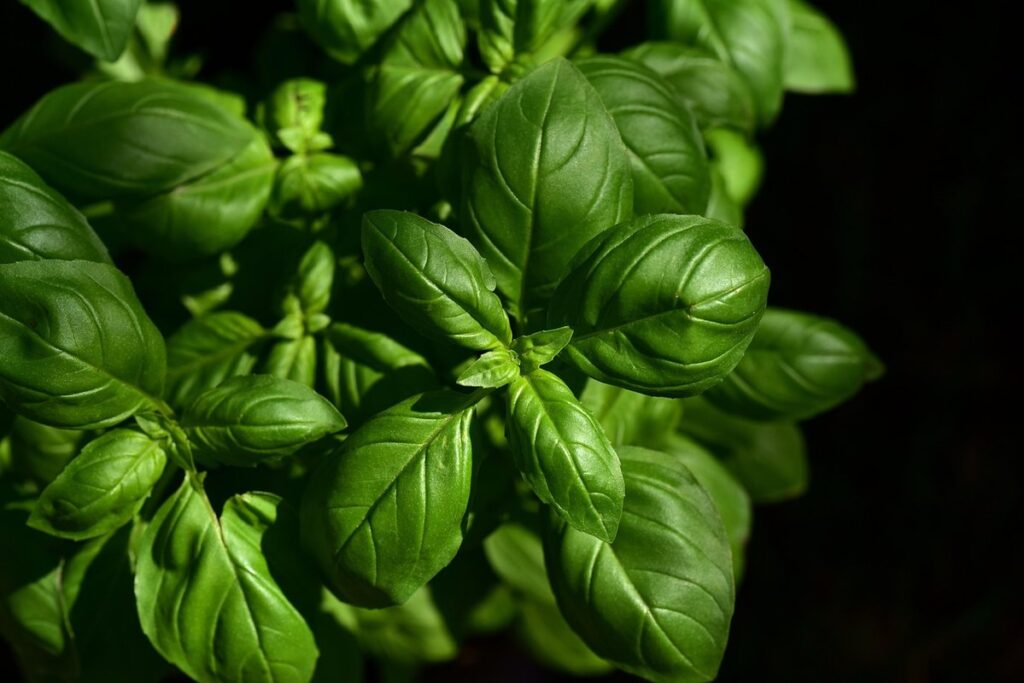
When it comes to creating a thriving herb garden as a beginner, you’ll want to start with popular herbs that are easy to grow and require minimal maintenance. One of the most recognizable and versatile herbs is basil. This sweet and fragrant herb is perfect for adding flavor to Italian dishes, pesto sauces, and caprese salads. With proper care, basil can thrive in warm weather conditions and requires regular pruning to promote bushy growth.
Another beginner-friendly herb is mint, which is known for its cooling properties and refreshing flavor. Mint is easy to grow and can be used in a variety of dishes such as cocktails, salads, and desserts. However, it’s essential to keep an eye on this herb as it can quickly spread beyond your garden borders. To prevent overgrowth, consider growing mint in containers.
Cilantro, parsley, and rosemary are also excellent choices for beginners. Cilantro has a short growth cycle and is often used in Mexican and Asian dishes. Parsley adds a fresh flavor to salads and soups, while rosemary is perfect for roasted meats and vegetables. When using these herbs, remember that cilantro has a shorter shelf life and parsley needs regular watering.
Herb Variety Selection Tips
When selecting herbs for your garden, it’s essential to consider your local climate, available space, and desired flavors. Start by choosing varieties that thrive in your region. For example, if you live in a hot and dry climate, opt for drought-tolerant herbs like rosemary, thyme, or oregano.
Consider the mature size of each herb plant to ensure they won’t overcrowd your space. Basil, for instance, can grow quite large, so provide it with a trellis or prune regularly. On the other hand, compact varieties like parsley or mint are perfect for small spaces.
Think about disease resistance and pest tolerance as well. Some herbs, such as sage and rosemary, have natural defense mechanisms that repel pests. Others, like mint and lemongrass, can be quite aggressive in their spread, so keep them contained to avoid taking over your garden.
Finally, choose herbs with fragrances you enjoy. Planting a mix of herbs with varying scents will create a sensory experience in your garden. For example, pairing the pungency of garlic with the sweetness of lavender or rosemary can be quite pleasing.
Preparing the Garden Bed
Before you start planting, it’s essential to prepare your garden bed for a thriving herb garden. This involves clearing out any debris and loosening the soil to create a healthy foundation.
Planning Your Herb Garden Layout
Planning an efficient garden layout is crucial for maximizing space and promoting healthy growth in your herb garden. As a beginner, it’s essential to create a layout that allows for easy access and maintenance. Consider the mature size of each plant when planning your layout, as over-crowding can lead to disease and pests.
Group plants with similar growing requirements together to simplify watering and fertilizing tasks. For example, group herbs like basil and mint in one area, which require more frequent watering, near a water source. Similarly, place heat-loving herbs like rosemary and thyme in a location that receives direct sunlight.
Leave enough space between plants for easy access and pruning. A general rule of thumb is to provide at least 6-8 inches of clearance between each plant. This will also help prevent overcrowding, which can lead to reduced air circulation and increased risk of disease. By planning your layout carefully, you’ll be able to enjoy a thriving and productive herb garden with minimal maintenance efforts.
Soil Amendments and Mulching
When it comes to creating a thriving herb garden, the foundation you lay is crucial. This is where soil amendments and mulching come into play. Adding organic matter like compost or manure can significantly improve soil fertility and structure, making it easier for your herbs to grow.
Compost, in particular, is a powerhouse when it comes to nourishing your soil. It’s rich in nutrients that promote healthy root growth, increase water retention, and even suppress pests and diseases. You can buy compost at your local nursery or make your own using kitchen scraps and yard waste. If you’re new to gardening, consider starting with store-bought compost for a quick fix.
Mulching is another essential step in maintaining a healthy herb garden. It’s simple: spread a 2-3 inch layer of organic mulch (like bark chips or straw) around your plants to retain moisture and suppress weeds. This saves you time and energy by reducing the need for frequent watering and weeding.
Planting and Caring for Herbs
When it comes to planting and caring for herbs, a few simple steps can make all the difference between a thriving garden and one that struggles to survive. Let’s dive into the details of herb care!
Transplanting Seedlings vs. Direct Sowing
When it comes to planting herbs, you have two main options: transplanting seedlings versus direct sowing seeds in the garden bed. While both methods have their advantages and disadvantages, understanding when and how to use each can make a big difference in the success of your herb garden.
Transplanting seedlings allows for more control over the growing conditions and enables you to harden off seedlings before exposing them to outdoor weather. This is especially useful for delicate herbs like basil or mint that prefer warmer temperatures and consistent moisture. However, transplanting can be a bit tricky, as it requires careful handling of the roots and soil to minimize shock.
Direct sowing seeds, on the other hand, can save time and resources but often results in lower germination rates and slower growth. If you’re direct sowing seeds, make sure to sow them at the right depth (usually 2-4 times their thickness) and water gently but thoroughly after sowing. Some herbs like cilantro, dill, and fennel do well when direct sown, as they prefer cooler temperatures and can tolerate some moisture stress.
In general, it’s a good idea to start seeds indoors 4-6 weeks before the last frost date in your area for transplanting seedlings outdoors. If you’re new to herb gardening, starting with easier-to-grow herbs like parsley or rosemary can help build your confidence and skills.
Watering and Fertilization Tips
As you nurture your herb garden, it’s essential to understand the delicate balance between watering and fertilizing. Herbs need consistent moisture, but overwatering can be detrimental to their growth.
When it comes to watering, consider the soil type of each herb variety. For instance, basil prefers well-draining soil and may need more frequent watering, while rosemary is drought-tolerant and should be watered sparingly. Climate also plays a significant role; herbs in hot, dry climates require more water than those in cooler, humid areas.
As for fertilizing, it’s crucial to provide your herbs with essential nutrients regularly. You can opt for organic or synthetic options. Organic choices like compost tea or fish emulsion are eco-friendly and promote healthy soil biota. Synthetic fertilizers, on the other hand, offer faster results but may contain harsh chemicals that harm beneficial microorganisms in the soil.
Aim to fertilize your herbs every 1-2 weeks during the growing season. Start with a balanced fertilizer (10-10-10 NPK) and adjust as needed based on plant responses. Keep in mind that some herbs, like mint and lemongrass, require more frequent fertilization due to their rapid growth rates.
Troubleshooting Common Issues
Don’t worry, mistakes will happen when starting your herb garden. This section tackles common problems and offers practical solutions to get you back on track and growing again.
Identifying Pests and Diseases
As you tend to your herb garden, it’s essential to be aware of common pests and diseases that can affect your plants. Keep an eye out for aphids, tiny sap-sucking insects that can distort leaves and stems. Spider mites are another issue, causing fine webbing on the undersides of leaves. Check for signs of powdery mildew, a white, powdery coating on leaves that can lead to leaf drop if left untreated.
To monitor for infestation or infection, inspect your plants regularly, looking for unusual growths, discoloration, or an unusual sticky substance on leaves. Check the undersides of leaves and stems, as pests often hide in these areas. If you notice any issues, act quickly by spraying soapy water or neem oil to control aphids and spider mites.
Be aware of root rot, a fungal disease that causes roots to decay, leading to plant collapse. Avoid overwatering, which can exacerbate the problem. To prevent root rot, ensure good air circulation around your plants and use well-draining potting mix.
Regularly inspect your herb garden for these signs, and address any issues promptly to keep your plants healthy and thriving.
Addressing Common Problems
As you start cultivating your herb garden, you might encounter some common problems that can be frustrating to deal with. One of the most noticeable issues is poor growth, which can be due to inadequate light, water, or nutrients. To address this, make sure your herbs are getting enough direct sunlight and adjust their watering schedule accordingly.
Another issue many beginners face is yellowing leaves, often caused by overwatering. To fix this, reduce the frequency of watering and ensure good air circulation around your plants. Pruning can also help maintain the overall health of your herb garden. Remove any damaged or discolored leaves to prevent the spread of disease.
Some herbs like basil are prone to bolting, which means they start flowering prematurely. To prevent this, keep your basil plants in a cooler environment and ensure consistent moisture levels. You can also try using natural remedies like neem oil or garlic spray to deter pests that may trigger premature flowering.
If you notice any of these issues in your herb garden, don’t panic! They are common problems that can be easily solved with the right adjustments to your care routine.
Harvesting and Preserving Herbs
Now that you’ve grown your herbs, it’s time to enjoy them! This section will walk you through the process of harvesting and preserving your fresh harvest for year-round enjoyment.
Timing and Techniques for Harvesting
When it comes to harvesting herbs, timing is everything. Different herbs have varying growth cycles and optimal harvesting times. For example, basil and mint are typically ready to harvest within 6-8 weeks of planting, while rosemary and thyme take longer, requiring around 12-18 months to reach maturity.
To avoid damaging the plants, it’s essential to learn how to harvest individual leaves or stems correctly. For soft-stemmed herbs like mint, basil, and cilantro, pinch off the top sets of leaves with your fingers, leaving about an inch of stem intact. This will encourage bushy growth and prevent the plant from flowering.
For hardier herbs like rosemary and thyme, you can harvest individual stems by cutting them at the base of the plant using scissors or pruning shears. Be sure to cut just above a node (where a leaf meets the stem), as this will help the plant continue to grow new shoots.
Regular harvesting also promotes healthy growth and prevents the plants from flowering, which can reduce their potency.
Drying, Freezing, and Other Preservation Methods
Preserving fresh herbs allows you to enjoy their flavors and aromas throughout the year. You can dry, freeze, or create herb butters and oils for storage.
Air-drying is a simple method where you tie herbs in small bunches and hang them upside down in a warm, dry place. This method works well for delicate herbs like mint and basil. Oven-drying is another option; preheat your oven to its lowest temperature setting (usually around 150°F), then place the herbs on a baking sheet and dehydrate for 1-2 hours.
Freezing is an excellent way to preserve herbs, especially those with high water content like cilantro and parsley. Chop the herbs finely and store them in airtight containers or freezer bags. You can also make herb ice cubes by mixing chopped herbs with olive oil and freezing them in ice cube trays.
When it comes to making herb butters and oils, simply mix softened butter with chopped fresh herbs and whip until combined. Store in airtight containers in the fridge for up to 2 weeks. For herb oils, steep fresh or dried herbs in a neutral oil like grapeseed or olive oil for several days before straining and storing.
Proper storage is key to maintaining flavor and aroma. Keep your preserved herbs away from light, heat sources, and moisture. Store them in a cool, dark place or the fridge to preserve their potency. Use clean utensils when handling preserved herbs to prevent contamination.
Expanding Your Herb Garden
Now that you have a thriving herb garden, it’s time to think about growing your collection – literally! We’ll show you how to expand your garden to include new herbs and more space for them to flourish.
Propagation Methods for Beginners
As you start to expand your herb garden, learning basic propagation methods is essential to increase yields and multiply your favorite herbs. Let’s dive into three easy-to-use techniques perfect for beginners: stem cuttings, division, and leaf propagation.
Stem Cuttings are an excellent way to propagate many popular herbs like basil, rosemary, and thyme. To take a cutting, simply snip off a healthy stem section from the mother plant, making sure it has at least two sets of leaves. Remove lower leaves, leaving only a few at the top, and dip the cut end into rooting hormone powder or liquid. Plant the cutting in moist soil, keeping it warm and humid until roots develop.
Division is another method used for herbs like mint, lemongrass, and oregano. Carefully dig up the entire plant, gently separating the individual stems and replant them immediately. Water well and keep the soil consistently moist during the first few weeks after transplanting.
Leaf Propagation works best with herbs like basil, mint, and parsley. Gently twist or cut off a healthy leaf from the mother plant, making sure it has a small stem attached. Plant the leaf in a pot filled with moistened soil, keeping it warm and humid until roots develop.
Adding Companion Plants and Focal Features
As you continue to expand and refine your herb garden, it’s time to think about adding some extra elements that will not only enhance its aesthetic appeal but also provide additional benefits for your herbs. One of the most effective ways to do this is by incorporating companion plants.
Companion planting involves pairing different plants together to create a mutually beneficial environment. Some popular companion plants for herbs include basil, mint, and rosemary, which repel pests like aphids and whiteflies that can harm your herbs. On the other hand, flowers like marigolds and nasturtiums attract pollinators like bees and butterflies that help with cross-pollination.
To add some visual interest to your herb garden, consider incorporating focal features like trellises, obelisks, or self-watering planters. These can be used to support climbing herbs like mint and rosemary, or to create a centerpiece for your garden. Not only will these elements add color and texture to your garden, but they’ll also help keep your plants organized and promote healthy growth.
Frequently Asked Questions
How do I prepare my herb garden for the winter months?
Yes, preparing your herb garden for winter involves taking steps to protect your plants from frost damage and promoting healthy root growth during the dormant season. This may include mulching around the base of your plants, cutting back overgrown stems, and bringing potted herbs indoors to a bright, cool location.
What are some common pests that can affect my herb garden?
Some common pests that can affect your herb garden include aphids, whiteflies, and spider mites. To prevent infestations, practice good gardening hygiene, such as removing weeds and debris, and use physical barriers like fine mesh to keep pests away. If an infestation occurs, treat the affected plants with neem oil or insecticidal soap.
Can I grow multiple herbs together in one bed?
Yes, many herbs benefit from being grown alongside each other, as they can provide mutual support and pest control benefits. Some popular herb combinations include basil and mint, rosemary and thyme, and parsley and dill. When planting multiple herbs together, be sure to leave enough space for proper air circulation and growth.
How do I troubleshoot nutrient deficiencies in my herb garden?
Nutrient deficiencies can manifest as yellowing leaves or stunted growth in your herb plants. To troubleshoot the issue, inspect your soil for signs of nutrient depletion, such as compacted or depleted soil structure. Add organic matter like compost or well-rotted manure to improve soil fertility and correct pH imbalances.
Can I grow herbs indoors using hydroponics?
Yes, hydroponic systems can be an effective way to grow herbs indoors, particularly if you have limited space or want to maintain a consistent level of humidity. To set up a successful indoor hydroponic system, choose easy-to-grow herbs like basil and mint, select a reliable nutrient solution, and ensure good air circulation around your plants to prevent fungal diseases.