
Are you growing rosemary in your garden but struggling to keep it looking its best? Maybe it’s time for a prune, but you’re not sure where to start. Rosemary pruning can seem intimidating, especially when you’re worried about hurting the plant or reducing its fragrance and flavor. But with the right techniques, you can keep your rosemary thriving all season long.
In this article, we’ll dive into the world of expert rosemary care, covering everything from pruning techniques to companion planting strategies. We’ll also explore pest control methods that will help protect your plants from common problems like root rot and aphids. Whether you’re a seasoned gardener or just starting out, our tips and tricks will show you how to provide the best care for your rosemary plants, so they can grow strong and healthy all year round.
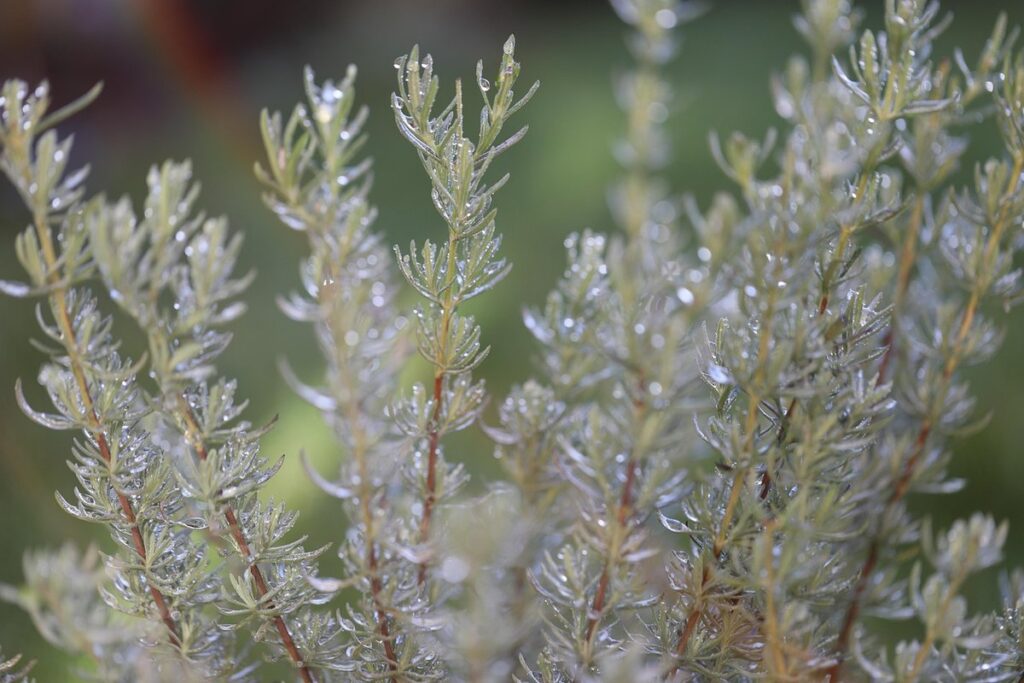
Understanding Rosemary’s Needs
To care for rosemary properly, it’s essential to understand its unique needs and preferences when it comes to pruning and maintenance. This section will help you tailor your approach to support healthy growth.
Choosing the Right Time to Prune
When it comes to pruning rosemary, timing is everything. You see, rosemary’s growth cycles and climate conditions play a significant role in determining the best time for pruning. As a general rule, spring is considered an ideal time to prune rosemary. This is because new growth begins to emerge during this season, making it easier to shape your plant and encourage bushy growth.
However, if you live in a region with mild winters, summer can be a good time to prune rosemary as well. Just be sure to prune during the cooler part of the day to prevent shock to the plant. On the other hand, fall pruning can be beneficial for plants that have grown too leggy or are showing signs of stress.
It’s essential to avoid pruning rosemary in mid-summer when it’s producing flowers. This is because pruning during this time can reduce the plant’s ability to produce seeds and may even lead to reduced foliage growth. By taking into account your climate and rosemary’s growth cycles, you’ll be able to prune at the right time and keep your plant healthy and thriving.
Identifying Healthy vs. Damaged Growth
When examining your rosemary plant, it’s essential to distinguish between healthy growth and damaged areas. Healthy growth should be firm, yet pliable, with a vibrant green color. On the other hand, damaged growth may appear yellowed, wilted, or brittle.
To identify signs of stress, look for areas where the leaves are smaller than usual or have a distorted shape. This could indicate that your rosemary is struggling to obtain enough water or nutrients. Check the soil moisture by sticking your finger into it – if it feels dry, it’s time to water. Be cautious not to overwater, as this can lead to root rot.
Inspect your plant for any signs of pests, such as spider mites, mealybugs, or scale. These unwanted visitors can be recognized by their presence on the undersides of leaves or stems. Regularly inspecting your rosemary will help you catch any potential problems early on and prevent them from spreading.
Keep an eye out for diseases like root rot, leaf spot, or powdery mildew – these often manifest as yellowing leaves, black spots, or a white, powdery coating. By knowing what to look for, you can take action promptly to address any issues that arise, ensuring your rosemary remains healthy and thriving.
Basic Pruning Techniques
To keep rosemary looking its best, you’ll want to learn some basic pruning techniques that promote healthy growth and prevent the plant from becoming leggy. Let’s start with the fundamentals of how to prune your rosemary effectively.
Hand Pruning Tools and Techniques
When it comes to pruning rosemary, having the right tools for the job is essential. You’ll want to invest in a few basic hand pruners and loppers that will help you tackle even the most overgrown bushes with ease.
First, let’s talk about hand pruners. Look for ones with sharp blades and comfortable grips. These are perfect for snipping off individual stems or making more precise cuts on smaller branches. Loppers, on the other hand, are ideal for cutting thicker stems up to 1 inch in diameter. When using loppers, be sure to grip the handles firmly and make a clean cut just above a growth node.
In addition to these essentials, you may also want to consider investing in pruning shears or secateurs with long handles, which can help you reach those hard-to-prune areas without straining your back. When using any of these tools, be sure to sanitize them regularly to prevent the spread of disease and keep your rosemary healthy.
To minimize damage when pruning, make clean cuts just above a growth node, and avoid tearing or ripping the stems, which can cause stress to the plant.
Top vs. Bottom Pruning
When it comes to pruning rosemary, many gardeners are unsure about whether to focus on the top growth or lower stems. Understanding the benefits of each approach will help you choose the right method for your plant.
Top pruning involves removing the top growth of the rosemary plant, typically cutting back the tips by 2-3 inches. This technique encourages bushy growth and can be beneficial for compact varieties or when you want to control the size of the plant. However, over-pruning can lead to bare stems and decreased yields. If your rosemary is becoming leggy or woody, top pruning may be just what it needs.
On the other hand, bottom pruning focuses on removing lower stems and branches to promote new growth from the base. This method is ideal for larger or older plants that need rejuvenation. By cutting back lower growth, you allow air and light to penetrate deeper into the plant, stimulating new stem production and improving overall health. Consider bottom pruning if your rosemary has become leggy or woody over time.
In general, top pruning is suitable for compact varieties, while bottom pruning is better suited for larger plants that need rejuvenation.
Advanced Pruning Strategies
Now that you’ve mastered the basics of rosemary pruning, it’s time to take your skills to the next level by learning advanced techniques for shaping and maintaining your rosemary plants.
Thin, Shape, and Refine
Thinning out congested branches is an essential step in rosemary pruning. To begin, inspect your plant and identify areas where stems are overlapping or growing inwards. Remove the thickest stems from these areas to create space for air circulation and sunlight penetration. This will also help prevent disease and pest issues.
To thin more effectively, cut back entire sections of branches, cutting about one-third to one-half of the stem at a 45-degree angle just above a leaf node. Make your cuts close to the base of the plant to encourage new growth from below. Leave smaller stems intact to maintain the plant’s overall shape and structure.
As you thin, consider shaping your rosemary into its desired form – whether that’s a compact sphere or an upright shrub. Prune any stray stems or branches that deviate from the central axis, using clean cuts just above a leaf node to promote healthy growth.
When refining your rosemary’s appearance, look for areas with uneven stem lengths or sparse foliage. Target these areas by cutting back longer stems and removing weak or spindly growth.
Air Circulation and Sunlight Management
When pruning rosemary, it’s essential to consider the impact on air circulation and sunlight penetration within the plant. Pruning can either improve or hinder these conditions, depending on how you approach it.
Air circulation is crucial for preventing disease in rosemary plants. When stems are densely packed, moisture becomes trapped, creating an ideal environment for fungal growth. By pruning selectively, you can thin out congested areas and promote better airflow. For instance, cut back long stems to encourage bushy growth and create a more open structure.
On the other hand, sunlight penetration is often compromised when rosemary plants are too dense or overgrown. Prune branches that are growing inward or crossing each other, allowing direct sunlight to reach interior leaves. This not only promotes healthy growth but also prevents the development of leggy stems. Aim for a balance between air circulation and sunlight management by pruning regularly and maintaining an open, airy shape.
Companion Planting and Mulching
To make the most of your rosemary plant, it’s essential to choose the right companion plants and use effective mulching techniques to create a thriving garden ecosystem. This section shares expert tips on both.
Beneficial Companions for Rosemary
When it comes to companion planting with rosemary, you’ll be delighted to know that this versatile herb has several beneficial companions that can enhance its growth and overall health. By pairing rosemary with the right plants, you can create a harmonious garden ecosystem that repels pests, attracts beneficial insects, and even improves soil health.
One of the most effective ways to utilize companion planting with rosemary is by incorporating basil and mint into your garden. These herbs not only complement rosemary’s fragrance but also help repel pests like aphids and whiteflies, which can damage the plant’s delicate leaves. You can intersperse basil or mint plants among your rosemary bushes or create a separate bed for these beneficial companions.
Other companion plants that pair well with rosemary include marigold, chamomile, and oregano. These plants have natural pest-repelling properties that can help protect your rosemary from common garden pests like nematodes and spider mites. By planting these herbs alongside your rosemary, you’ll be creating a balanced ecosystem that promotes healthy growth and reduces the need for chemical pesticides.
Effective Mulching Techniques
When it comes to rosemary pruning and care, mulching plays a crucial role in maintaining a healthy and thriving plant. Mulch helps retain moisture, suppress weeds, and regulate soil temperature, creating an ideal environment for your rosemary to grow.
There are various types of mulch available, but when it comes to organic options, bark chips, wood shavings, or straw are excellent choices. These materials break down over time, adding nutrients to the soil as they decompose. On the other hand, inorganic mulches like plastic sheeting or gravel have their own advantages – they’re durable and require little maintenance.
To apply mulch effectively, create a 2-3 inch layer around your rosemary plant, keeping it 6-8 inches away from the stems. This allows for good air circulation while preventing moisture loss. You can also use a combination of organic and inorganic materials to achieve the best results. For example, you could top-dress with a thin layer of compost or worm castings for added nutrients.
Remember to reapply mulch as needed, replenishing it after heavy rainfall or periods of drought. By incorporating effective mulching techniques into your rosemary care routine, you’ll be well on your way to growing a robust and fragrant herb plant.
Pest Control and Disease Prevention
To keep your rosemary healthy and thriving, it’s essential to be on the lookout for pests and diseases that can quickly spread and cause damage. Learn how to prevent common issues in this section.
Common Pests Affecting Rosemary
Rosemary is a low-maintenance herb that can be prone to pest infestations if not properly cared for. One of the most common pests affecting rosemary plants are spider mites, which appear as tiny, moving dots on the leaves and stems. These pesky insects feed on the plant’s sap, causing yellowing or bronzing of the foliage. To detect spider mite issues early on, inspect your rosemary regularly for fine webbing between the stems and leaves.
Mealybugs are another common pest that targets rosemary, appearing as white, cottony masses on the stems and leaves. These insects feed on the plant’s sap, causing stunted growth and yellowing of the foliage. Aphids can also be a problem, especially if your rosemary is in an area with high humidity or near other plants that are susceptible to aphid infestations.
To develop an effective treatment plan for these pests, start by isolating the affected plant to prevent the issue from spreading to other nearby herbs. Next, inspect the plant thoroughly and remove any heavily infested areas. For severe infestations, consider using insecticidal soap or neem oil to kill the pests. Regularly monitoring your rosemary’s condition will help you catch any issues early on, reducing the need for harsh chemicals and ensuring a healthy, thriving plant.
Strategies for Preventing Root Rot and Other Diseases
Overwatering is one of the most common mistakes gardeners make when caring for their rosemary plants. When a rosemary plant sits in waterlogged soil for too long, its roots begin to rot, leading to root decay and ultimately, the death of the plant. This condition, known as root rot, can be caused by various factors, including poor drainage, high humidity, or an overabundance of moisture.
To prevent root rot, make sure your rosemary plants are sitting in well-draining soil. If you’re planting in a container, use a potting mix specifically designed to drain excess water quickly. Check the soil daily and avoid watering if it’s already moist from recent rainfall. Regular pruning can also help improve air circulation around the plant, reducing the likelihood of root rot.
In addition to root rot, rosemary plants are susceptible to other diseases like powdery mildew and downy mildew. These fungal infections thrive in humid environments and can be prevented by providing good air circulation around your plants. Regularly inspect your rosemary for signs of disease and take action promptly if you notice any issues.
When pruning your rosemary, disinfect your tools between cuts to prevent the spread of disease. Remove any affected branches or leaves immediately to prevent further damage. By following these simple steps and being mindful of potential problems, you can help keep your rosemary plants healthy and thriving.
Frequently Asked Questions
How Often Should I Prune My Rosemary Plant After Initial Pruning?
Pruning is not a one-time task, but an ongoing process to maintain your rosemary’s health and appearance. For optimal growth, prune your rosemary plant every 4-6 weeks during the growing season (spring-fall). This will help control its shape, promote bushy growth, and encourage new stem production.
What If I Prune Too Much of My Rosemary Plant?
Over-pruning can stress your rosemary plant, making it more susceptible to disease and pests. To avoid this, prune only what’s necessary to maintain the desired shape and size. Remove any dead or damaged branches first, then trim back the tips to encourage new growth.
Can I Prune My Rosemary in Extreme Weather Conditions?
No, it’s generally not recommended to prune rosemary during extreme weather conditions like intense heat or cold snaps. Instead, wait for milder weather when your plant is less stressed. This will help minimize damage and ensure a smooth recovery.
How Do I Know If My Rosemary Plant Needs Additional Support After Pruning?
If you’ve pruned your rosemary heavily, it may become top-heavy and require staking to prevent collapse. Check your plant regularly after pruning, and provide support if necessary using soft ties or plant stakes. This will help maintain its structure and promote healthy growth.
What Happens If I Don’t Prune My Rosemary at All?
If you neglect to prune your rosemary, it may become leggy and unmanageable. In severe cases, overgrown branches can even break off in the wind, causing damage or loss of the plant. Regular pruning is essential for maintaining a healthy, bushy shape and encouraging new growth.