
When planting tomatoes from seed, one of the most critical steps is getting those tiny seeds to germinate. Unfortunately, many gardeners struggle with slow or inconsistent germination times, which can set back your entire crop. But don’t worry – optimizing tomato seed germination time is easier than you think. To start, it’s essential to understand what affects germination in the first place. Factors like soil temperature, moisture levels, and even seed quality all play a role in determining how quickly those seeds sprout. In this article, we’ll dive into the factors that impact tomato seed germination time, provide tips for optimizing your results, and offer expert advice on how to get your tomatoes off to a healthy start.
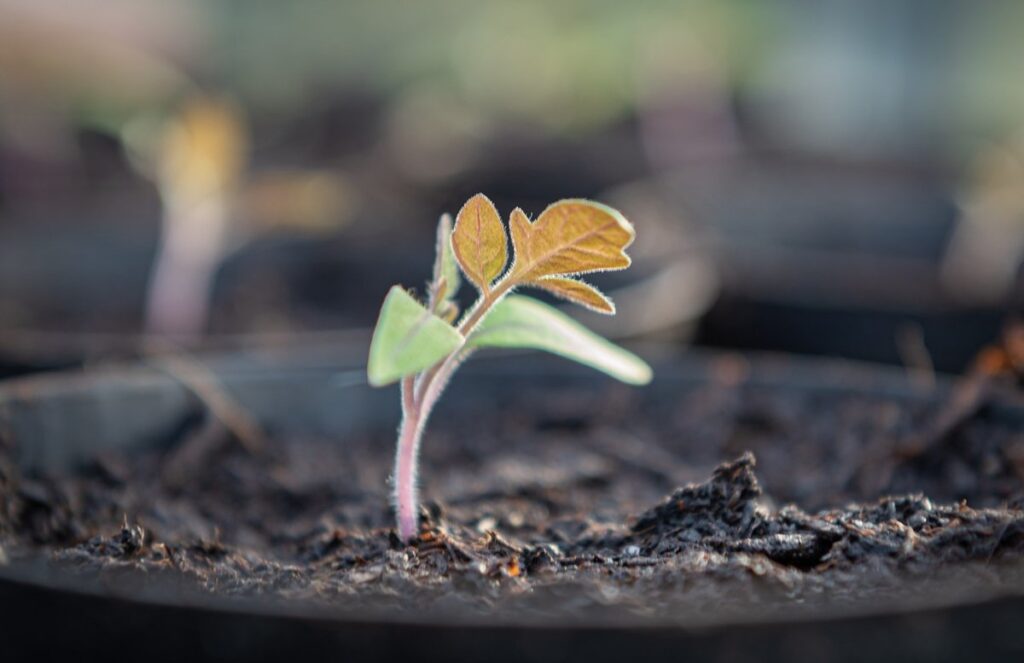
Understanding Tomato Seed Germination
Let’s dive into the specifics of tomato seed germination, including the optimal conditions and temperature ranges for successful sprouting. This process is crucial for healthy plant growth.
Factors Affecting Germination
Tomato seed germination is influenced by several factors that affect its speed and success. Temperature plays a crucial role, with optimal temperatures ranging from 65°F to 75°F (18°C to 24°C). Below 55°F (13°C), seeds may not germinate, while above 85°F (29°C), they may develop deformed roots or shoots.
Moisture is also essential, as tomato seeds require consistent and adequate water supply. Overwatering can lead to rotting of the seedlings, while underwatering may prevent germination. It’s essential to maintain a fine balance between moisture levels and soil temperature.
Light is another critical factor, with some studies showing that light exposure can reduce germination rates by up to 50%. Seedlings grown in low-light conditions tend to be weaker and more susceptible to disease. To promote healthy growth, provide seedlings with indirect sunlight or use grow lights for optimal results.
Keep in mind that some tomato varieties are more tolerant of temperature fluctuations than others. Research the specific requirements of your chosen variety to ensure successful germination.
Optimal Germination Conditions
Tomato seeds require optimal conditions to germinate successfully. The ideal temperature for tomato seed germination is between 65°F (18°C) and 75°F (24°C). This range allows the embryo to break dormancy and emerge from the seed coat within 7-14 days.
Maintaining high humidity levels, around 80-90%, during the first week of germination is crucial. You can achieve this by covering the container with a clear plastic bag or placing it in a humid greenhouse. This helps prevent water loss and keeps the soil consistently moist.
Monitor the temperature and adjust it accordingly to maintain optimal conditions. A consistent temperature above 60°F (15°C) will ensure successful germination, even if it takes longer than expected. In contrast, temperatures below 55°F (13°C) may slow down or inhibit germination altogether.
By providing the right temperature and humidity levels, you can create an environment that fosters healthy seed germination, giving your tomato plants a strong start to growth.
Germination Time: How Long Does it Take?
Now that you’ve learned how to check for viability and prep your seeds, let’s dive into one of the most critical steps in growing tomatoes from seed: understanding germination time.
Average Germination Periods
When it comes to germinating tomato seeds, understanding average germination periods is crucial for successful growth. The type of tomato seed you’re working with can significantly impact the germination time.
Heirloom tomatoes typically take around 7-14 days to sprout, while hybrid varieties usually germinate within 6-10 days. Cherry tomatoes, being a smaller and more delicate variety, often germinate in as little as 5-7 days.
It’s essential to note that these are general estimates, and actual germination times may vary depending on factors such as seed quality, soil temperature, moisture levels, and growing conditions. To optimize germination, ensure the seeds are sown at a depth of about ¼ inch and kept consistently moist during the first few weeks.
If you’re using an indoor starting setup, consider using a propagation tray or cell pack to maintain optimal temperatures (around 70-80°F) and humidity levels. With proper care and attention, your tomato seeds should be sprouting within the expected timeframe. Be patient and monitor your seeds closely for signs of germination, as this will give you an idea of when they’ll be ready to transplant into larger containers or directly into the garden.
Factors Affecting Germination Speed
When it comes to germinating tomato seeds, several factors can influence the speed of germination. The quality of the seed itself is one such factor. Fresh and high-quality seeds will generally germinate faster than old or low-quality ones. This is because fresh seeds have a higher viability rate and are more likely to produce healthy seedlings.
Storage conditions also play a crucial role in determining germination speed. Seeds stored in cool, dry places tend to germinate faster than those exposed to heat, moisture, or direct sunlight. Temperature fluctuations can cause the seeds to go dormant, further slowing down germination. For optimal results, store your tomato seeds in an airtight container at room temperature (around 60-70°F).
Handling practices also impact germination speed. Seeds that are not handled gently may suffer damage, which can delay or even prevent germination. When sowing, make sure to plant the seeds about ¼ inch deep and maintain consistent moisture levels until they sprout. By being mindful of these factors, you can create an environment conducive to faster germination and set your tomato seedlings up for success.
Preparing Seeds for Germination
Before we dive into planting those tomato seeds, let’s make sure they’re ready to germinate by properly preparing them for growth. This involves a few simple steps to maximize success.
Seed Selection and Storage
When it comes to achieving optimal germination rates with tomato seeds, selecting high-quality seeds and storing them properly are crucial steps. High-quality seeds have a higher chance of germinating successfully, while poor storage conditions can lead to reduced viability and lower germination rates.
To select the best seeds, look for reputable seed suppliers that offer open-pollinated or hybrid varieties suitable for your climate and region. Check the seed packet or label for information on seed freshness, as older seeds may have lower germination rates. You can also store your own saved seeds from previous seasons, but be sure to follow proper storage techniques.
Proper storage involves keeping seeds in a cool, dry place away from direct sunlight and moisture. Store seeds in airtight containers or envelopes, such as glass jars or zip-top bags, and label them with the seed variety and date stored. A consistent refrigerator temperature between 32°F and 40°F (0°C to 4°C) is ideal for long-term storage.
When storing seeds for extended periods, it’s essential to check their viability periodically by conducting a simple germination test using water. This will ensure that your seeds remain viable and ready for planting when you’re ready to sow them.
Seed Scarification and Stratification
To improve germination rates and get your tomato seeds off to a healthy start, you may need to perform seed scarification and stratification. Scarification involves making small scratches on the seed coat to help water penetrate and facilitate germination, while stratification simulates winter conditions by mimicking the cold temperatures required for some seeds to break dormancy.
Scarifying tomato seeds can be as simple as gently scratching the surface with a nail file or sandpaper. This should be done carefully, however, to avoid damaging the embryo inside the seed. A few drops of vinegar added to the water before soaking the seeds can also help weaken the seed coat and make it more permeable.
Stratification is typically required for tomato varieties that are naturally adapted to temperate climates, which often experience a period of winter chill. For these seeds, place them in a plastic bag or airtight container with a damp paper towel and refrigerate at 35-45°F (2-7°C) for 30-60 days before transferring to warmer conditions. This process helps break the seed’s dormancy, allowing it to germinate more readily when planted outdoors.
Environmental Factors Influencing Germination
When it comes to growing tomatoes, understanding how environmental factors affect germination is crucial for successful seed starting. Let’s explore the key conditions that influence tomato seed germination rates.
Temperature and Light Requirements
When it comes to germinating tomato seeds, temperature and light play crucial roles in determining their success. Tomato seeds typically prefer warmer temperatures between 65°F (18°C) and 75°F (24°C) for optimal germination. However, some growers have reported successful germination at temperatures as low as 55°F (13°C) or as high as 85°F (29°C).
If you’re using a grow light, it’s essential to provide the right spectrum of light for tomato seedlings. Most grow lights emit a balanced spectrum that includes blue and red LEDs. The blue spectrum promotes healthy root growth, while the red spectrum encourages leaf development. Keep in mind that direct sunlight can be too intense for young seedlings.
In terms of duration, tomato seeds typically require 12-14 hours of light per day. However, some growers have achieved success with 24-hour lighting cycles. To create an ideal environment, consider using a timer to regulate the light cycle and maintain consistent temperatures between 65°F (18°C) and 75°F (24°C). This will help promote healthy germination and prevent fungal diseases that thrive in warmer conditions.
Humidity and Soil Conditions
Maintaining optimal humidity levels and soil conditions is crucial during the germination process of tomato seeds. High humidity helps to keep the soil consistently moist, allowing the seedlings to emerge without drying out. The ideal relative humidity for tomato seed germination ranges between 70-90%. If the air is too dry, the soil may become parched, causing the seeds to struggle or even fail to sprout.
On the other hand, excessive moisture can lead to fungal growth and root rot, which can be detrimental to the developing seedlings. A well-draining potting mix can help prevent waterlogged conditions and ensure that excess moisture is not retained in the soil. When sowing tomato seeds, make sure to keep the soil consistently moist during the first week after germination. After that, you can gradually reduce watering as the plants develop their root system.
Check the soil’s moisture by sticking your finger into it up to the knuckle. If the top inch of soil feels dry, it’s time to water. Keep in mind that different potting mixes and containers may require varying levels of watering, so observe your tomato seedlings’ response to adjust your care accordingly.
Troubleshooting Common Issues
If you’re experiencing trouble getting your tomato seeds to germinate, don’t worry – we’ve got some common issue solutions to help you get back on track. We’ll walk through potential problems and their fixes together.
Delayed or Failed Germination
Delayed germination can be frustrating, especially when you’re eager to start growing your tomato seedlings. One common reason for delayed germination is poor seed quality. This can be due to old seeds, improper storage, or low-quality seeds from the outset. To check if your seeds are still viable, perform a simple paper towel test: moisten a paper towel with water, place a few seeds on it, and seal in a plastic bag. Check for germination after 7-10 days. If most seeds don’t sprout, it’s likely time to purchase new seeds.
Inadequate moisture is another culprit behind delayed or failed germination. Tomato seeds need consistent moisture to activate enzymes that break down the seed coat and initiate growth. Make sure your soil mix remains moist but not waterlogged, as this can cause roots to rot before they’ve even emerged. If you’re using a potting mix specifically designed for seed starting, it should have adequate drainage properties. For optimal results, maintain a relative humidity of 80-90% during the germination period.
In extreme cases, failed germination might be due to factors like temperature fluctuations or inadequate light exposure.
Encouraging Healthy Seedling Growth
After your tomato seeds have germinated, it’s essential to encourage healthy seedling growth. Proper transplanting and care will help your seedlings thrive, increasing their chances of becoming robust and productive plants.
When transplanting seedlings, handle them gently to avoid damaging the delicate roots or leaves. Use a well-draining potting mix and a container that is at least 1-2 inches larger than the seedling’s current pot. Water thoroughly after transplanting, and make sure the soil isn’t too wet or dry.
To promote healthy growth, provide your seedlings with adequate light, temperatures between 65-70°F (18-21°C), and moderate watering. Avoid overwatering, which can lead to fungal diseases and root rot. Keep the soil consistently moist but not waterlogged. Use a balanced fertilizer once seedlings have two sets of leaves to provide essential nutrients.
Transplant your seedlings outdoors when they have 2-3 sets of leaves and the weather is suitable for them. Harden off the seedlings by gradually exposing them to outdoor conditions over the course of 7-10 days before transplanting them outside. This will help prevent shock and ensure a smooth transition.
Tips for Successful Tomato Planting
Now that you’ve got a good understanding of tomato seed germination, let’s dive into some practical tips to ensure your plants thrive and produce an abundance of delicious fruit.
Sowing Seeds at the Right Time
Sowing tomato seeds at the right time is crucial to ensure optimal germination and growth. Climate plays a significant role in determining when to sow tomato seeds. In regions with mild winters, you can start sowing seeds as early as 6-8 weeks before the last frost date. However, if your area experiences harsh winters, it’s best to wait until the soil temperature has warmed up to at least 55°F (13°C).
Soil temperature also affects germination rates. Tomato seeds typically germinate within 7-14 days when the soil is between 70°F (21°C) and 80°F (27°C). Consider using a thermometer or planting indoors where you can control the temperature.
Daylight hours are another critical factor to consider. Tomato seedlings require at least 6 hours of direct sunlight per day to develop strong roots. If your climate has shorter daylight hours, use grow lights to supplement natural light and ensure your seedlings receive sufficient illumination. By considering these factors, you’ll be able to sow tomato seeds at the right time, giving them a head start on the growing season.
Caring for Seedlings After Transplanting
After carefully transplanting your seedlings into larger containers, it’s essential to provide them with optimal care to ensure healthy growth and a bountiful harvest. Watering is the most critical aspect of post-transplant care, as seedlings are more susceptible to water stress.
Water your seedlings gently but thoroughly after transplanting, making sure not to wash away any newly formed roots. Avoid overwatering, which can lead to root rot and other problems. Instead, check the soil moisture daily by inserting a finger into the top inch of soil. If it feels dry, water; if it’s still damp, wait another day.
Fertilize your seedlings 1-2 weeks after transplanting with a balanced fertilizer (10-10-10 NPK). Follow the instructions on the label for application rates to avoid burning your plants’ tender roots. As for pest management, keep an eye out for common tomato pests like aphids and whiteflies. Use neem oil or insecticidal soap to control infestations, following the product’s guidelines carefully.
By providing your seedlings with proper care after transplanting, you’ll be well on your way to growing a thriving and productive tomato crop. Remember to monitor your plants closely for any signs of distress and adjust your care routine accordingly.
Frequently Asked Questions
Can I use any type of soil for tomato seed germination?
Yes, you can use a seed starting mix specifically designed for germinating seeds. This type of mix is typically sterile and has the right pH balance to promote healthy seedling growth. Avoid using regular potting soil, as it may contain bacteria or fungi that can harm your seedlings.
What happens if my tomato seeds don’t germinate within the average period?
Don’t panic! If your seeds haven’t germinated after 7-10 days at optimal temperatures, check for any issues with temperature, moisture, or seed quality. You can try giving them a little more heat (around 80°F/27°C) to stimulate germination. Also, ensure that you’re providing the right amount of light – most tomato seeds require indirect light during germination.
How do I know if my seedlings are receiving enough humidity?
Check for signs of moisture stress such as wrinkled leaves or water-stressed roots. Make sure your propagation tray or pot has adequate drainage to prevent waterlogged soil. To maintain optimal humidity levels, cover the seedlings with a clear plastic bag or cloche until they’re about 2-3 inches tall.
Can I use any method for scarifying or stratifying my tomato seeds?
No, not all methods are suitable for every type of seed. For tomato seeds specifically, gentle sanding or nicking can help improve germination rates. Avoid using hot water or high-pressure methods that might damage the seed coat. Always research specific techniques tailored to your seed variety and species.
What’s a good rule of thumb for sowing multiple seeds in one pot?
Sow 2-3 tomato seeds about 1/4 inch apart in small pots (around 1-2 inches deep). This allows you to thin out the seedlings later on, promoting healthy growth and minimizing competition between plants.