
Are you tired of relying on multiple trees to produce a decent apple harvest? Self-pollinating apple tree varieties are here to revolutionize your home garden. These amazing trees can thrive and produce delicious fruit all on their own, eliminating the need for cross-pollination. But what exactly makes self-pollinating apple trees so special, and how do you choose and care for them?
In this article, we’ll dive into the benefits of growing self-pollinating apple trees in your garden. We’ll explore the top varieties to consider, provide tips on how to select the perfect tree for your space, and share expert advice on how to grow and care for these versatile fruit trees. From planting to pruning, we’ve got you covered. Whether you’re a seasoned gardener or just starting out, this article is packed with practical information to help you get started with self-pollinating apple tree varieties.
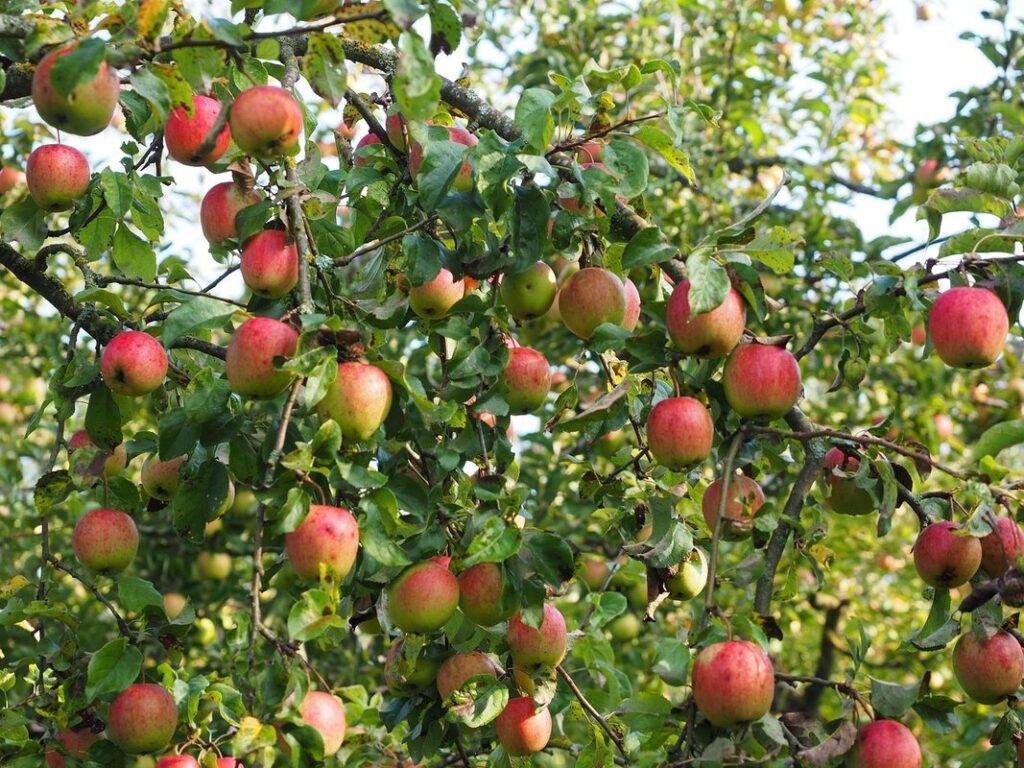
Introduction to Self-Pollinating Apples
Welcome to our guide on self-pollinating apple trees, where we’ll start by introducing you to these incredible varieties that require minimal maintenance and care. These remarkable trees are perfect for home gardeners!
What are Self-Pollinating Apple Trees?
If you’re an avid gardener or an aspiring one, chances are you’ve come across terms like self-pollinating apple trees. But what exactly do they mean? In simple terms, self-pollinating apple trees are those varieties that can produce fruit without the need for cross-pollination from another tree. This means you don’t need to have multiple trees nearby to encourage pollination.
One of the primary benefits of self-pollinating apple trees is their ease of cultivation. They’re perfect for small gardens or spaces where growing multiple trees might be challenging. Moreover, these trees are generally more productive and require less maintenance compared to their cross-pollinated counterparts.
Some popular varieties of self-pollinating apple trees include ‘Red Delicious’, ‘Gala’, and ‘Granny Smith’. These trees not only produce delicious fruits but also have a compact growth habit, making them ideal for smaller spaces.
Keep in mind that while self-pollination is possible, it’s still essential to plant multiple trees of the same variety nearby to ensure proper pollination and increased fruit production.
Importance of Pollination in Apple Trees
Pollination is the unsung hero of apple tree reproduction. Without it, our beloved apples wouldn’t be possible. When an apple tree produces flowers, it’s not just a matter of beauty; it’s also a vital step towards fruit production. The process of pollination involves the transfer of pollen from one tree to another, allowing for fertilization and ultimately, the growth of apples.
However, not all apple trees are created equal when it comes to pollination. Non-self-pollinating varieties require cross-pollination from another tree with a different genotype to produce fruit. This can be challenging, especially for gardeners who only have space for one tree or live in areas where bees and other pollinators may not be present.
In fact, studies have shown that up to 20% of apple trees fail to produce fruit due to inadequate pollination. But don’t worry – self-pollinating varieties offer a convenient solution. They can produce apples on their own, reducing the need for multiple trees and ensuring a bountiful harvest.
Choosing the Right Self-Pollinating Apple Tree Variety
When selecting a self-pollinating apple tree variety, consider factors such as climate, soil type, and available space to ensure optimal growth. This section will guide you through the decision-making process.
Factors to Consider When Selecting a Variety
When selecting a self-pollinating apple tree variety, there are several key factors to consider. Climate is one of the most critical factors, as different varieties thrive in specific temperature and moisture ranges. For example, if you live in a warm climate, look for varieties that are heat-tolerant and resistant to sun scald. On the other hand, cooler climates require varieties that can withstand frost.
Soil type is another crucial consideration. Apple trees prefer well-draining soil with a pH between 6.0 and 6.5. If your soil is heavy clay or sandy, choose a variety that’s tolerant of those conditions. For instance, ‘Red Delicious’ and ‘Gala’ are good options for acidic soils.
Lastly, think about the characteristics you want in your apples. Do you prefer sweet, tart, or crunchy fruit? Some varieties, like ‘Honeycrisp’, are known for their exceptional sweetness, while others, such as ‘Granny Smith’, offer a more tart taste. Consider what you’ll use your apples for – eating fresh, baking, or making cider – and choose a variety that meets those needs.
Make sure to check the specific growing conditions for your chosen variety to ensure success in your garden.
Top Self-Pollinating Apple Varieties for Home Gardens
If you’re looking to grow self-pollinating apple trees at home, there are several popular varieties that thrive with minimal maintenance. One of the most widely cultivated is the ‘Red Delicious’ variety. This tree produces large, crisp apples with a distinctive red skin and sweet flavor profile. It’s relatively low-maintenance, with good disease resistance and moderate growth rate.
Another top choice for home gardens is the ‘Gala’ apple tree. Known for its vibrant orange-red color and sweet taste, it’s a favorite among fruit enthusiasts. Gala trees are also known to produce multiple crops per year, making them an excellent option for those looking to harvest apples frequently. However, they do require regular pruning to maintain their shape and promote healthy growth.
The ‘Granny Smith’ variety is another self-pollinating apple tree that excels in home gardens. Its tart flavor profile and crisp texture make it perfect for snacking and baking. This tree has excellent disease resistance and a relatively slow growth rate, making it suitable for smaller spaces.
Growing and Caring for Self-Pollinating Apple Trees
Now that you have your self-pollinating apple tree, it’s time to learn how to grow and care for it properly. This section will cover the essential tips and techniques for maintaining a healthy and thriving self-pollinating apple tree.
Planting and Pruning Techniques
When planting your self-pollinating apple tree, it’s essential to consider its mature size and ensure there is enough space between trees for optimal growth. A general rule of thumb is to plant at least 20-25 feet apart, but this can vary depending on the specific variety. Dig a hole that is twice as wide and just as deep as the root ball, and mix in some organic matter like compost or well-rotted manure to improve soil structure.
Proper pruning techniques are also crucial for promoting healthy growth and fruit production. Remove any dead, diseased, or damaged branches during dormancy to prevent further damage and encourage new growth. Prune any crossing or rubbing branches to allow sunlight to reach the fruiting wood. Aim for a balanced canopy shape with an open center, which will promote even air circulation and reduce disease susceptibility.
Timing is also key; prune your tree in late winter or early spring before new growth begins, and avoid over-pruning, as this can stress the tree and impact its ability to produce fruit.
Pest and Disease Management Strategies
When it comes to growing self-pollinating apple trees, managing pests and diseases is crucial for their overall health and productivity. Common pests that affect these trees include aphids, codling moths, and spider mites, while diseases like powdery mildew, scab, and fire blight are also prevalent.
To prevent pest infestations, it’s essential to maintain a clean growing environment by removing weeds and debris from around the tree. Regularly inspect your trees for signs of pests, such as sticky honeydew droplets or tiny eggs on the leaves. For more severe infestations, use organic pesticides like neem oil or insecticidal soap.
For disease management, practice good hygiene by disinfecting pruning tools between cuts and remove any infected branches to prevent further spread. Fungicides can also be applied as a preventative measure during peak growing seasons. Consider implementing integrated pest management (IPM) strategies that combine physical barriers, cultural controls, and organic pesticides to minimize chemical use.
Keep in mind that prevention is key – take prompt action at the first sign of an issue to avoid costly damage down the line. With regular monitoring and proper care, your self-pollinating apple trees will thrive for years to come.
Harvesting and Enjoying Your Self-Pollinating Apples
Now that you’ve grown your self-pollinating apple trees, it’s time to harvest and enjoy their delicious fruit. Learn how to pick, store, and savor your homegrown apples.
Tips for Optimal Harvest Timing
When it’s time to harvest your self-pollinating apples, it can be tricky to determine when they’re at their peak ripeness. One of the most important factors is the skin color and texture of the fruit. A ripe apple will typically have a yellow or red skin that’s smooth and even, depending on the variety. The apple should also feel slightly soft to the touch but still firm enough to hold its shape.
To assess the quality of your apples, check for any signs of bruising or damage. Avoid picking apples with any visible blemishes or bruises, as they may not store well or be suitable for eating fresh. Another way to determine if an apple is ripe is to gently twist it; a ripe apple will come off the tree easily.
It’s also essential to check the stem end of the apple for any signs of ripeness. A ripe apple will have a slightly indented stem where it was attached to the branch.
Using Your Homegrown Apples: Recipes and Ideas
The harvest is finally here, and you’re enjoying the sweet taste of success from your self-pollinating apple tree variety! But now that you have a bounty of fresh apples, it’s time to get creative with them. Here are some delicious recipes and preservation techniques to make the most of your homegrown apples.
Start by experimenting with classic pies and crisps, but don’t be afraid to think outside the box. Try using your apples in savory dishes like stews or salads for a burst of flavor. Make a batch of apple cider vinegar or preserve sliced apples in a sugar syrup to enjoy throughout the year. If you’re feeling adventurous, try making apple butter or chutney to add a tangy twist to your meals.
To get started with preserving, begin by sterilizing jars and equipment to ensure your goodies stay fresh for months to come. Then, follow simple recipes like canning sliced apples in a syrup made from sugar, water, and lemon juice. Alternatively, try dehydrating sliced apples to make crispy snacks or adding them to oatmeal or yogurt for a healthy breakfast boost.
When it comes to recipes, the possibilities are endless! Try using apples in place of pears in your favorite jam recipe or experiment with adding spices like cinnamon and nutmeg to create unique flavor combinations. Don’t be afraid to get creative and come up with your own signature apple dishes – after all, that’s what makes homegrown food so special!
Common Challenges and Solutions in Self-Pollinating Apple Trees
When growing self-pollinating apple trees, you may encounter challenges such as limited fruit set and inconsistent yields. We’ll explore common issues and practical solutions to help you overcome these obstacles.
Dealing with Reduced Fruit Set or Non-Fruiting
Dealing with reduced fruit set or non-fruiting can be frustrating for self-pollinating apple tree enthusiasts. Fortunately, there are several troubleshooting steps you can take to identify and address the issue. First, ensure that your tree is receiving sufficient sunlight and nutrients. Inadequate light or poor soil quality can significantly impact fruit production.
Next, inspect your tree’s pollination needs. While self-pollinating varieties require less attention than cross-pollinated trees, they may still benefit from manual pollination to stimulate fruit set. Use a small brush to transfer pollen from the anther to the stigma of nearby flowers. This technique is particularly effective for varieties like ‘Red Delicious’ and ‘Gala’.
Another common cause of reduced fruit set is temperature fluctuations. Apple trees require consistent temperatures between 65°F and 85°F (18°C and 30°C) during the blossoming period. If your area experiences sudden cold snaps or heatwaves, this can disrupt pollination and impact fruit production.
By understanding these potential causes and taking proactive steps to address them, you can increase your chances of successful fruit set and enjoy a bountiful harvest from your self-pollinating apple tree.
Managing Soil Nutrient Deficiencies
When it comes to maintaining healthy self-pollinating apple trees, ensuring they receive adequate nutrients is crucial. Nutrient deficiencies can manifest in various ways, from stunted growth and reduced fruit production to more severe issues like leaf scorch or tree death.
One common deficiency affecting self-pollinating apple trees is nitrogen (N) insufficiency. Nitrogen promotes healthy foliage growth, so a lack of it may result in pale leaves, slow growth rates, or even premature defoliation. To address this, incorporate organic matter like compost or well-rotted manure into the soil. You can also apply a balanced fertilizer during the growing season.
Other essential nutrients include phosphorus (P) and potassium (K). Phosphorus promotes root development and fruit production, while potassium aids overall tree health and resistance to disease. Regular soil testing will help identify specific deficiencies; once you’ve pinpointed the issue, choose a targeted supplement accordingly.
Conclusion: Maximizing Your Self-Pollinating Apple Tree’s Potential
Now that you’ve learned how to choose and care for your self-pollinating apple tree, let’s discuss how to maximize its potential and get the most fruit from it.
Recap of Key Takeaways
To ensure success with your self-pollinating apple tree variety, remember that proper planting and care are essential. This includes selecting a suitable location with adequate sunlight and well-draining soil. Also, be aware of the mature size of the tree to prevent overcrowding.
Choose varieties that fit your climate and desired fruit characteristics, such as taste, texture, and color. Researching specific requirements for each variety will help you make an informed decision. For instance, some self-pollinating apple trees are more resistant to certain diseases than others.
In addition to selecting the right tree, regular maintenance is crucial. This includes pruning and fertilizing annually, which will promote healthy growth and fruit production. Keep in mind that over-pruning can be detrimental to your tree’s overall health.
Make sure to water your self-pollinating apple tree consistently, especially during its first year after planting. Aim for about 1 inch of water per week, either from rain or irrigation. Mulching around the base will also help retain moisture and suppress weeds.
Lastly, monitor your tree regularly for signs of pests or diseases. Regular inspections can help catch issues early on, preventing them from becoming more severe problems. Keeping a record of your tree’s growth and maintenance can be helpful in tracking its progress and identifying potential issues before they arise.
Frequently Asked Questions
Can I grow self-pollinating apple trees in containers or must they be planted in the ground?
Yes, you can grow self-pollinating apple trees in containers, but make sure to choose a variety that is suitable for container growing. This will also limit the tree’s root growth and potentially affect fruit production.
How do I prevent soil nutrient deficiencies in my self-pollinating apple tree?
Regularly test your soil pH and nutrient levels to identify any potential issues. Fertilize your tree according to its specific needs, taking care not to over-fertilize. Mulch around the base of the tree to retain moisture and suppress weeds.
What should I do if my self-pollinating apple tree is not producing fruit?
Check for signs of pest or disease infestations, which can significantly impact fruit production. Also, ensure that your tree is receiving adequate sunlight (at least 6 hours a day) and watered consistently throughout the growing season.
Can self-pollinating apple trees be grafted onto existing rootstocks?
Yes, many self-pollinating varieties can be grafted onto established rootstocks, which can improve tree vigor and fruit production. However, choose rootstocks that are compatible with your climate and soil conditions to avoid potential grafting issues.
How often should I prune my self-pollinating apple tree for optimal growth and fruit production?
Prune your self-pollinating apple tree annually during its dormant season (winter or early spring) to maintain a balanced shape, promote healthy growth, and encourage fruiting. Prune no more than one-third of the tree’s canopy at a time to avoid over-pruning stress.