
Are you an aspiring orchard owner or simply looking to grow your own delicious apples at home? You’re in luck because not all apple trees require a partner to produce fruit! Some popular varieties are self-pollinating, which means they can thrive and bear fruit without another tree nearby. This is great news for gardeners who want to reduce maintenance requirements and increase their chances of getting more fruit set.
In this article, we’ll dive into the world of self-pollinating apple trees and explore some popular varieties that are perfect for backyard or orchard growing. We’ll also cover how to grow them successfully and provide tips on what to expect when it comes to pollination and fruit production. Whether you’re a seasoned gardener or just starting out, this article will give you the lowdown on self-pollinating apple trees and help you make the most of your gardening space.
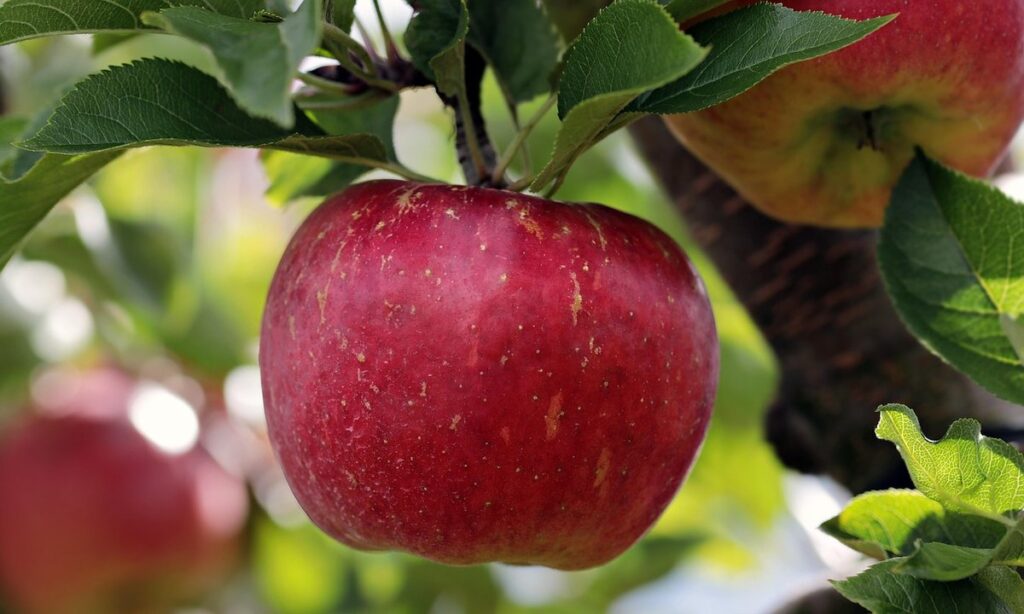
What are Self-Pollinating Apple Trees?
Apple trees can be self-pollinating, but what does that really mean for growers and gardeners like you? Let’s take a closer look at how this affects your apple tree.
Understanding Pollination Basics
Pollination is the process by which plants reproduce, and it’s a crucial aspect of understanding self-pollinating apple trees. In simple terms, pollination occurs when pollen from the male reproductive part of a flower fertilizes the female reproductive part, allowing for seed production. Apple trees, like many other fruit-bearing plants, rely on pollinators to facilitate this process.
Pollinators like bees, butterflies, and even some species of bats and moths play a vital role in transferring pollen between flowers. Without these pollinators, apple trees would struggle to reproduce successfully. This is why gardeners often notice an increase in fruit production when they introduce bee-friendly plants or install beehives nearby.
However, not all plants require external help to reproduce. Some self-pollinating varieties can transfer their own pollen from the male stamen to the female stigma without assistance from pollinators. But even among these self-pollinating varieties, some may benefit from a little extra help to ensure optimal fruit production.
Types of Apple Tree Pollination Systems
When it comes to pollination systems, apple tree varieties can be categorized into two main types: self-pollinating and cross-pollinating. Self-pollinating trees, also known as self-fertile trees, are capable of producing fruit on their own without the need for another tree’s pollen. These trees contain both male and female reproductive organs, allowing them to pollinate themselves.
On the other hand, cross-pollinating trees, or those that are cross-fertile, require the presence of another apple tree variety nearby to produce fruit. This is because they lack one or more necessary reproductive organs. Cross-pollination allows for a wider range of genetic diversity and can result in higher yields and better-quality fruit.
Some popular self-pollinating varieties include ‘Red Delicious’, ‘Gala’, and ‘Granny Smith’. However, it’s essential to note that even though these trees are self-fertile, they may still benefit from having another tree nearby. This is because cross-pollination can lead to increased pollination efficiency and better fruit set.
Benefits of Self-Pollinating Apple Trees
So, what makes self-pollinating apple trees so great? In this next part, we’ll explore some key benefits of growing these low-maintenance and independent fruiting wonders.
Reduced Maintenance Requirements
Growing self-pollinating apple trees offers numerous advantages, especially when it comes to reduced maintenance requirements. One of the primary benefits is that these trees don’t rely on pollinators like bees, butterflies, and other insects for fertilization. This independence from external pollinators means that backyard gardeners and commercial orchardists can significantly reduce their maintenance efforts.
For instance, self-pollinating apple trees require less pruning to encourage cross-pollination, as they are not reliant on the presence of multiple trees or pollinators in close proximity. Additionally, these trees need fewer applications of pest control measures since they’re not susceptible to pests and diseases that often target cross-pollinated trees.
By growing self-pollinating apple trees, gardeners can also save time and resources by reducing the number of visits needed for maintenance. This is especially beneficial for commercial orchardists who have larger operations and more land to manage. With reduced maintenance requirements, they can focus on other aspects of their business while minimizing costs associated with manual labor and equipment.
Increased Fruit Set and Yield
When you choose self-pollinating apple trees for your orchard, one of the most significant benefits is increased fruit set and yield. Unlike cross-pollinating varieties that rely on external pollinators like bees to produce fruit, self-pollinating trees can thrive without any additional help.
Self-pollinating apple tree varieties tend to produce more consistent and higher yields over time. For instance, ‘Red Delicious’ and ‘Gala’ are popular self-pollinating varieties known for their high yield potential. They can produce an average of 20-30 bushels per year, with some trees yielding up to 40 bushels or more in ideal conditions.
This increased fruit production is due to the tree’s ability to pollinate itself efficiently. Self-pollination allows the tree to focus its energy on producing fruit rather than relying on external pollinators. As a result, you can expect a more reliable and bountiful harvest from your self-pollinating apple trees.
Identifying Self-Pollinating Apple Tree Varieties
So, you’ve determined that your apple tree is self-pollinating – but which varieties fit the bill? Let’s explore some popular self-pollinating options.
Popular Varieties
When it comes to self-pollinating apple tree varieties, there are several popular options that are easy to grow and produce delicious fruit. For example, ‘Red Delicious’, ‘Gala’, and ‘Granny Smith’ are all well-known for their ability to pollinate themselves.
These varieties have distinct characteristics that make them ideal for gardeners of all skill levels. The ‘Red Delicious’ tree, for instance, produces large, heart-shaped fruits with a classic red skin. It grows relatively quickly, reaching maturity within 5-7 years, and is known for its high yields. On the other hand, the ‘Gala’ tree produces smaller fruits with a sweet, crisp flavor. It’s a bit more finicky than ‘Red Delicious’, requiring slightly warmer temperatures to thrive.
The ‘Granny Smith’ tree is another popular choice among self-pollinating varieties. Its green apples are known for their tart flavor and firm texture, making them perfect for cooking and baking. All three of these varieties are relatively low-maintenance and can be grown in a range of climates, from cool temperate to mild subtropical regions.
When selecting a self-pollinating apple tree variety, consider factors like climate, soil type, and desired fruit flavor profile. These popular options provide a great starting point for gardeners who want to grow delicious apples with minimal fuss.
Factors to Consider When Choosing a Variety
When choosing a self-pollinating apple tree variety, several factors come into play. Consider the climate you’re growing in – some varieties thrive in cooler temperatures while others prefer warmer conditions. For instance, ‘Red Delicious’ and ‘Gala’ excel in temperate climates with moderate winters, whereas ‘Anna’ and ‘Dorsett Golden’ are more tolerant of heat.
Soil type is another crucial consideration. If your soil is alkaline or has poor drainage, choose a variety that’s more adaptable to these conditions, such as ‘Granny Smith’ or ‘McIntosh’. Conversely, if you have well-draining acidic soil, ‘Honeycrisp’ and ‘Fuji’ may be better suited.
Lastly, think about the fruit traits you desire – flavor profile, texture, size, and color. Some varieties excel in specific categories: ‘Braeburn’ is prized for its sweet-tart taste, while ‘Cripps Pink’ boasts an exceptional crunch. Research your region’s typical frost patterns and apple scab issues to narrow down options further. By weighing these factors, you’ll be able to select the perfect self-pollinating variety for your orchard.
Growing Self-Pollinating Apple Trees
Growing self-pollinating apple trees can be a rewarding experience for home gardeners, as these trees are capable of producing fruit without cross-pollination. Let’s explore how to grow them effectively.
Planting and Care Requirements
When planting and caring for self-pollinating apple trees, it’s essential to provide them with the right conditions to thrive. Start by choosing a spot that receives full sun (at least 6 hours of direct sunlight) and has well-draining soil. Space multiple trees about 20-25 feet apart, as this will allow for proper air circulation and prevent overcrowding.
Water your apple tree regularly, providing about 1 inch of water per week, either through rainfall or irrigation. During its first year, the tree will require more frequent watering, especially during hot summer months. As it matures, reduce watering to once a month during the dormant season.
Pruning is another crucial aspect of self-pollinating apple trees’ care. Prune your tree annually in late winter or early spring to promote healthy growth and encourage fruit production. Remove any dead, diseased, or damaged branches, as well as weak or crossing limbs.
Fertilize your apple tree once a year with a balanced fertilizer (10-10-10 NPK). Apply it in early spring, following the manufacturer’s instructions for application rates.
Tips for Optimizing Pollination Efficiency
Optimizing pollination efficiency is crucial for maximizing fruit production in self-pollinating apple trees. While these trees can produce fruit on their own, they still require some assistance to ensure a bountiful harvest. One technique is hand-thinning, which involves removing weak or diseased branches to promote healthy growth and encourage the tree to focus its energy on producing quality fruit.
Another method is staking, where you provide support for the tree’s branches using stakes or trellises. This helps prevent damage from wind and ensures that the tree’s limbs are not weighed down by excessive fruit production. Regular maintenance and monitoring are also essential to optimize pollination efficiency. Check your tree regularly for signs of pests or diseases, and take action promptly if you notice any issues.
By implementing these techniques and maintaining a healthy apple tree, you can maximize its potential for fruit production and enjoy a bountiful harvest year after year.
Challenges and Considerations
While growing your own apple tree can be a rewarding experience, it’s essential to consider some challenges that might arise when choosing self-pollinating varieties. Let’s take a closer look at what you need to know.
Potential Drawbacks of Self-Pollinating Trees
While self-pollinating apple trees may seem like an attractive option for home gardeners and orchardists alike, there are potential drawbacks to consider. One of the main concerns is reduced genetic diversity. Since these trees can produce viable seeds without cross-pollination, they tend to rely on their own internal resources for reproduction rather than drawing from a broader gene pool.
As a result, self-pollinating apple trees may have lower resistance to disease and pests. Without the benefits of cross-pollination, which introduces new genetic traits that help combat external threats, these trees may be more susceptible to common apple tree diseases like powdery mildew or scab. Additionally, self-pollinating varieties can struggle with changing environmental conditions such as climate fluctuations.
To mitigate this risk, consider planting multiple self-pollinating varieties side by side, which can provide some level of genetic diversity through within-variety cross-pollination. This approach, however, should not be considered a substitute for proper pruning and disease management practices.
Strategies for Mitigating Risks
If you’re considering planting an apple tree in your backyard, it’s essential to understand that while some varieties are self-pollinating, others may require cross-pollination. This can be a challenge, especially if you live in an area with limited space or have multiple trees of the same variety.
To mitigate these risks, grafting is a viable option. By grafting scions from different varieties onto a single rootstock, you can create a tree that’s self-fertile and produces fruit consistently. This method allows for more control over the pollination process and reduces the reliance on external factors.
Another strategy to promote air circulation and prevent disease is pruning. Regular pruning helps maintain an open canopy, reducing the likelihood of fungal diseases and pests that thrive in stagnant environments. When pruning your apple tree, focus on removing any dead or diseased branches, as well as those growing towards the center of the tree.
By adopting these strategies, you can balance the benefits of self-pollination with potential drawbacks and enjoy a bountiful harvest from your apple tree.
Conclusion
In conclusion, understanding whether your apple tree is self-pollinating can make a big difference in its productivity and overall health. While some varieties are indeed self-sufficient when it comes to pollination, others may require a little extra help from a nearby tree or even a gentle nudge from you yourself. If you’ve been wondering why your apple tree isn’t producing fruit, it might be worth investigating whether cross-pollination is the key to unlocking its full potential.
To make the most of this knowledge, consider planting multiple trees in close proximity if yours is a non-self-pollinating variety. This will not only ensure that your trees have someone to share the pollination duties with but also add visual interest and depth to your garden. By taking this simple step, you can enjoy a bountiful harvest and reap the rewards of your labor – literally!
Frequently Asked Questions
How do I identify self-pollinating apple tree varieties suitable for my climate?
When choosing a self-pollinating variety, consider the temperature range, humidity levels, and sunlight requirements specific to your area. Research local nurseries or online resources to find cultivars that thrive in your climate. Look for keywords like ‘drought-tolerant’ or ‘cold-hardy’ to ensure your tree can adapt to the conditions.
Can I grow multiple self-pollinating apple trees together, even if they’re different varieties?
Yes, you can still benefit from growing multiple self-pollinating trees together, as some varieties may cross-pollinate with each other. However, it’s essential to choose varieties that have similar growth habits and bloom times for optimal pollination.
What are some potential drawbacks of self-pollinating apple trees compared to traditional varieties?
While self-pollinating trees offer convenience, they may not produce fruit as consistently or in large quantities as cross-pollinated varieties. Additionally, some self-pollinating trees can be more prone to disease due to their closed-pollen system.
How do I maximize pollination efficiency for my self-pollinating apple tree?
To optimize pollination, ensure your tree receives full sun (at least 6 hours of direct sunlight) and has a well-draining soil mix. Regular pruning can also promote healthy growth and increase fruit production. Keep an eye out for pests or diseases that may impact pollination.
Can I graft a self-pollinating apple tree onto a different rootstock, and will this affect its performance?
Yes, you can graft a self-pollinating variety onto another rootstock. However, this might impact the tree’s growth rate, disease resistance, or overall productivity. Research the compatibility of your chosen rootstock with the specific self-pollinating variety to ensure successful integration.