
Are you tired of using the same old cucumber variety for your homemade pickles, only to end up with lackluster results? Well, we’ve got exciting news for you! When it comes to crafting unique and delicious pickles, choosing the right cucumber variety can make all the difference. From classic dill to specialty options like Japanese-style “Sour Pickling Cucumbers”, there’s a world of flavors and textures waiting to be explored.
In this article, we’ll delve into the best cucumber varieties for pickling, including popular options and specialty gems that will elevate your homemade pickles to new heights. We’ll cover how to choose the perfect cucumbers for your recipes, as well as tips on growing and preparing them for maximum flavor and crunch. Whether you’re a seasoned pickle-maker or just starting out, get ready to discover the secret to making the most mouthwatering pickles yet!
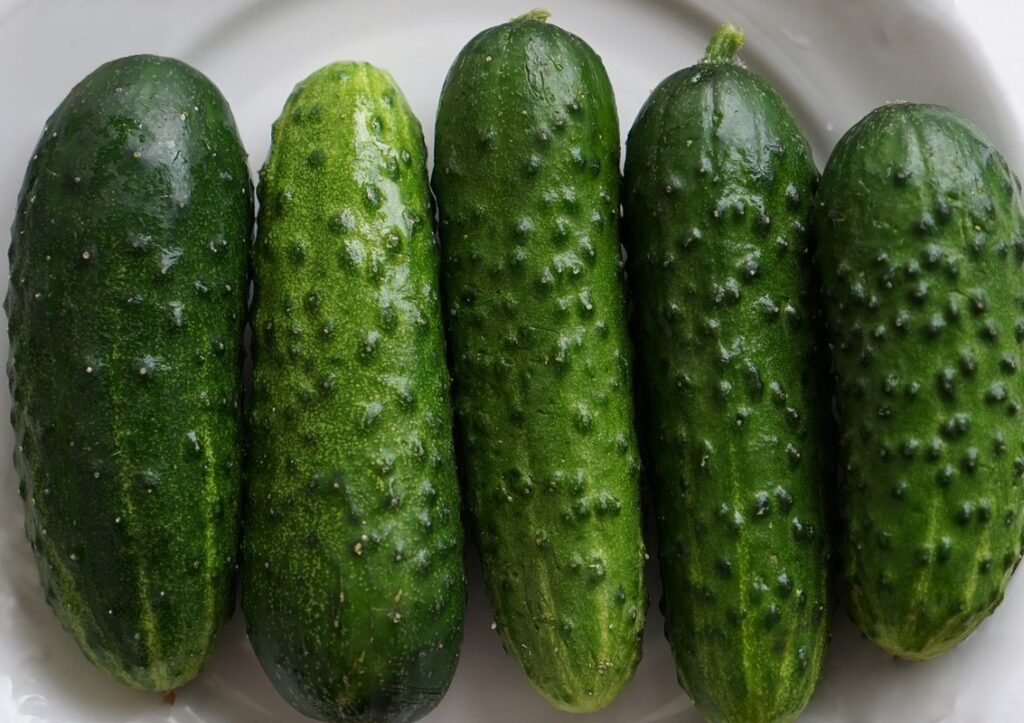
Choosing the Right Variety
When it comes to pickling, not all cucumbers are created equal. In this next part of our guide, we’ll help you choose the perfect variety for your favorite recipes.
Factors to Consider
When selecting a cucumber variety for pickling, there are several key factors to consider. First and foremost, disease resistance is crucial. Sudden wilt, powdery mildew, and scab can all be devastating to a pickling crop. Look for varieties that have built-in resistance or tolerance to these common issues.
Climate adaptability is also essential. If you live in an area with extreme temperatures, choose a variety that’s bred specifically for your region. Some popular picks like ‘Dill Pickling’ and ‘Salad Bush’ thrive in cooler climates, while ‘Sour Pickling’ excels in warmer zones.
Yield potential is another critical consideration. A high-producing variety will save you time and effort in the long run. For example, ‘Bush Pickle’ produces an astonishing 10-12 cucumbers per plant, making it a top choice for serious picklers. On the other hand, compact varieties like ‘Salad Bush’ are ideal for small spaces or containers.
Ultimately, consider your specific needs and circumstances when selecting a cucumber variety for pickling. By choosing the right combination of disease resistance, climate adaptability, and yield potential, you’ll be well on your way to enjoying a bountiful harvest of crunchy, flavorful pickles.
Popular Pickling Cucumber Varieties in the US
When it comes to pickling cucumbers, you’ll find that some varieties are more suitable than others. In the US, several popular pickling cucumber varieties have gained popularity among gardeners and farmers due to their unique characteristics. One of these is the Kirby cucumber. This compact variety is perfect for pickling, growing up to 5-6 inches in length and having a high sugar content that enhances its flavor.
Another widely grown variety is the Pickle Rick or Polish pickle cucumber. It’s known for its cylindrical shape, reaching lengths of about 4-6 inches, making it ideal for canning and pickling purposes. Its crunchy texture also makes it an excellent choice for fresh eating.
Lastly, there’s the Hothouse cucumber, which thrives in warmer climates. While often used as a snack or added to salads, its long length (around 8-10 inches) also makes it suitable for slicing and pickling. However, be aware that this variety has a slightly higher water content compared to other varieties.
Regardless of the variety you choose, make sure to grow them in well-draining soil with adequate sunlight for optimal results.
Growing Conditions for Pickling Cucumbers
For pickling cucumbers, you’ll want to focus on providing them with warm temperatures and adequate moisture, which will encourage healthy growth and prevent bitter flavors.
Ideal Climate and Soil Requirements
When it comes to growing pickling cucumbers, understanding their ideal climate and soil requirements is crucial for achieving optimal results. Pickling cucumbers thrive in full sun to partial shade, with a minimum of 6 hours of direct sunlight per day. This allows them to receive the necessary warmth and light for healthy growth.
Temperature-wise, pickling cucumbers prefer a warm climate with temperatures ranging from 65°F to 85°F (18°C to 30°C). They can tolerate some heat stress but may become vulnerable to disease in extreme temperatures above 90°F (32°C).
In terms of soil requirements, pickling cucumbers prefer well-draining, fertile soil with a pH range of 6.0 to 7.0. The ideal soil should have a mix of sand and silt for good drainage and water retention. A balanced fertilizer with a ratio of 10-10-10 (nitrogen-phosphorus-potassium) will provide the necessary nutrients for healthy growth.
To maintain optimal growing conditions, ensure your garden receives sufficient moisture, especially during the first few weeks after transplanting. Mulching around the plants can help retain soil moisture and regulate soil temperature.
Tips for Maximizing Yields
To maximize yields and grow pickling cucumbers successfully, it’s essential to create an ideal environment for them. Start by providing a trellis or a fence for the plants to climb on. This will not only save space but also make harvesting easier. Train the vines to wrap around the support by gently twining them around it.
Pruning is another crucial aspect of growing pickling cucumbers. Remove any weak or spindly growth, and trim the plant to encourage bushy growth. This will prevent the plant from putting too much energy into producing long vines instead of fruit. You can remove about 1/3 of the top growth to promote branching and increase yields.
Water your cucumber plants deeply but infrequently to encourage deep root growth. Aim for about 1 inch of water per week, either through rain or irrigation. This will also help prevent overwatering, which is a common mistake many gardeners make when growing cucumbers. By following these simple tips, you’ll be well on your way to growing healthy and productive pickling cucumber plants.
Common Pickling Cucumber Varieties
When it comes to pickling, some cucumber varieties shine brighter than others. Let’s take a look at the most popular and flavorful options for making delicious homemade pickles.
Kirby and Cornichon
When it comes to pickling cucumbers, two popular varieties that often get mentioned are Kirby and Cornichon. While both have their own unique characteristics, they’re used for slightly different purposes.
Kirby cucumbers are known for their short, stout shape and blocky appearance. They’re ideal for dill pickles because of their compact size, which allows for even slicing and consistent flavor distribution. Additionally, Kirby cucumbers hold their shape well when pickled, making them a great choice for classic dill pickle recipes.
On the other hand, Cornichon cucumbers are smaller still, often being around 1-2 inches in length. Their slender shape and bright green color make them perfect for small-batch or specialty pickling projects. Cornichons have a more delicate flavor profile compared to Kirby’s robust taste, which makes them well-suited for sweet pickle recipes or infused with herbs like tarragon.
In terms of preparation, both varieties are relatively easy to work with. Simply slice them thinly and soak in a brine solution to achieve your desired level of sourness.
English and Slicing Cucumbers
When it comes to pickling cucumbers, you may be considering English and slicing cucumbers as viable alternatives. While both types are delicious and can add crunch to salads, they have some key differences that set them apart for pickling purposes.
English cucumbers, also known as hothouse or seedless cucumbers, have a thinner skin and a more delicate flavor profile compared to their slicing counterparts. Their smaller size and more tender flesh make them ideal for snacking and sandwiches, but they can be a bit too fragile for traditional pickling methods.
Slicing cucumbers, on the other hand, are typically longer and thicker than English cucumbers, with a firmer texture that holds up well to slicing and salting. They have a more robust flavor and a slightly sweet undertone, making them a popular choice for snacking and salads.
When it comes down to pickling, slicing cucumbers tend to produce better yields and hold their shape better than English cucumbers. However, if you’re looking for a milder taste and a more delicate crunch in your pickles, English cucumbers can still be used with some adjustments to the pickling time and method.
Specialty Pickling Cucumber Varieties
If you’re looking for a unique twist on traditional pickles, you’ll love exploring these specialty cucumber varieties specifically bred for their exceptional pickling qualities.
Armenian and Japanese Cucumbers
Armenian and Japanese cucumbers may not be as well-known as some of their European counterparts, but they offer unique flavors and textures that are perfect for pickling. One of the most notable differences between Armenian and other varieties is their seedlessness – yes, you read that right! These cucumbers are bred to have almost no seeds at all, which makes them ideal for slicing or using in recipes where a smooth texture is desired.
The flavor profile of Armenian cucumbers is also worth mentioning. They tend to be more delicate and sweet than other varieties, with a hint of bitterness that adds depth to pickling liquids. In Japanese cucumbers, on the other hand, you’ll find a slightly more pronounced sweetness and a crisper texture that holds up beautifully in jars.
In terms of uses, Armenian cucumbers are great for traditional dill pickles or bread-and-butter style pickles, while Japanese cucumbers work well in Asian-inspired recipes like Korean-style kimchi or Japanese sunomono. To get the most out of these varieties, be sure to choose them at their peak ripeness – a good rule of thumb is to look for firm, unblemished skin and a slight give when pressed.
Other Heirloom and Specialty Options
In addition to the popular pickling cucumber varieties we’ve discussed so far, there are many other heirloom and specialty options worth exploring. These unique cucumbers can add exciting flavors and textures to your pickled creations.
Consider ‘Dill Pickle’ or ‘Gherkin’ for their characteristic dill flavor profiles, perfect for adding an extra layer of depth to traditional pickling recipes. You could also experiment with the Japanese ‘Shintosa’, which boasts a crunchy texture and sweet flavor.
Other options like the ‘Kirby’ cucumber, known for its small size and tender skin, can add a burst of freshness to your pickles. The ‘Cornichon’ variety, originating from France, is prized for its tiny size and strong tangy flavor, making it ideal for adding a sophisticated twist to your pickling creations.
To get the most out of these specialty varieties, try pairing them with complementary flavors like garlic, mustard seeds, or fresh herbs. Don’t be afraid to experiment and combine different options to create unique flavor profiles that suit your taste preferences.
Preparing Cucumbers for Pickling
Before you start pickling, make sure your cucumbers are prepared properly to ensure a crunchy and delicious final product. Here’s how to slice, salt, and clean them.
Harvesting at the Right Time
When it comes to pickling cucumbers, timing is everything. Harvesting them at the right moment can make all the difference in achieving that perfect tangy flavor and crunchy texture. To determine if your cucumbers are ready for pickling, consider their size, color, and texture.
For optimal pickling, look for cucumbers that are between 6-8 inches long and have a slender, cylindrical shape. They should be firm to the touch, with a slightly yielding stem end. Avoid overripe or wilted cucumbers, as they can become too soft and prone to spoilage during the pickling process.
Check the color of your cucumbers as well – for most varieties, a pale yellow or creamy white skin is ideal. Some varieties, like ‘Kirby’ or ‘Sour Pickling’, may retain their green color even after reaching maturity. Regardless of color, make sure they’re free from any soft spots or blemishes.
In terms of texture, gently squeeze the cucumber – it should yield slightly to pressure but still have some firmness to it. If it’s too hard or too soft, it’s not yet ready for pickling. By carefully selecting cucumbers that meet these criteria, you’ll be well on your way to creating deliciously crunchy and flavorful pickles.
Cleaning and Preparation Techniques
Cleaning and preparing cucumbers for pickling is an essential step to ensure they retain their crunch and flavor. Begin by gently washing the cucumbers under cold running water to remove any dirt or debris. Next, use a clean vegetable brush to scrub away any stubborn impurities.
Once clean, trim both ends of each cucumber using a sharp knife or kitchen shears. This helps to create an even surface area for pickling and prevents the cucumber from becoming misshapen during the process. You can also remove the blossom end (the end with the stem) if it’s not tender; this is particularly important if you’re using a variety like ‘Sour Pickling’ or ‘Dill Pickling’, which tend to have a slightly tougher skin.
To remove excess moisture, wrap the cucumbers in a clean towel and let them sit for about 30 minutes. This helps to reduce the risk of mold growth during pickling. If you’re short on time, you can also use a salad spinner or even just pat them dry with paper towels.
Frequently Asked Questions
Can I use any cucumber variety for pickling, or are there specific types that work better?
While you can technically pickle most cucumber varieties, some work much better than others due to their size, shape, and flavor profile. Look for cucumbers with a higher water content and a more neutral taste, as these will yield the best results.
How do I determine if my pickling cucumbers are ripe and ready for harvesting?
Check for optimal ripeness by gently tugging on the cucumber stem. If it comes off easily, the cucumber is likely ready to harvest. Additionally, check for a glossy appearance and a slight give when pressed – these signs indicate that your cucumbers are at their peak flavor and texture.
Can I grow pickling cucumbers in containers or do they require a lot of space?
Pickling cucumbers can thrive in containers as long as you provide them with adequate support and sufficient sunlight. Opt for a container that’s at least 5-gallons in size, and make sure it has good drainage to prevent waterlogged soil.
How do I store pickled cucumbers to keep them fresh for an extended period?
To maintain the quality of your pickles, store them in a cool, dark place with minimal exposure to air. Transfer them to airtight containers or glass jars and keep them refrigerated at a consistent temperature below 40°F (4°C). This will help slow down the fermentation process.
What are some common mistakes people make when growing pickling cucumbers, and how can I avoid them?
Some common errors include inadequate spacing, insufficient sunlight, and poor soil quality. To avoid these issues, ensure you’re planting your cucumbers in well-draining soil with a pH between 6.0-7.0, provide at least 8 hours of direct sunlight daily, and space them 2-3 feet apart to promote healthy growth.