
Dahlias are one of the most rewarding summer flowers to grow, but their beauty is fleeting. As the weather starts to cool down, these vibrant blooms begin to fade, and their tubers need protection from harsh winter conditions. If you’re like many dahlia enthusiasts, you’re probably wondering how to save your precious plants for another growing season. Overwintering dahlias requires some planning and care, but with the right techniques, you can keep your tubers safe from damage, pests, and diseases. In this article, we’ll cover expert tips on preparing dahlias for winter storage, including garage or shed storage, outdoor storage pits, frost protection methods, and pest control measures tailored to your region. Whether you’re a seasoned gardener or just starting out with dahlias, keep reading to learn how to protect these stunning flowers and bring them back to life come springtime.
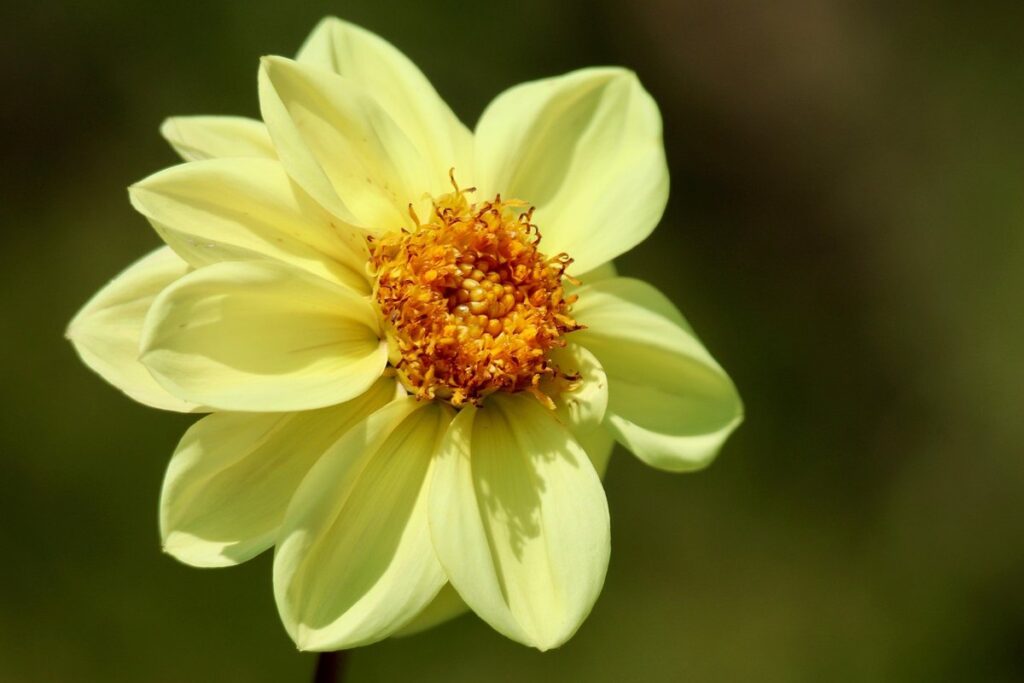
Understanding Dahlias and Overwintering
To successfully overwinter dahlias, it’s essential to understand their unique needs and growth patterns, which can be quite different from other flowers. Let’s break down what makes dahlias special and how that affects their winter care.
What are Dahlias?
Dahlias have become increasingly popular among gardeners in recent years due to their vibrant blooms and versatility. These showy flowers come in an array of shapes, sizes, and colors, ranging from compact bedding varieties to towering border plants. With over 40 species to choose from, growers can pick the perfect dahlia for their unique garden style.
However, despite their beauty and popularity, dahlias are notoriously finicky when it comes to extreme temperatures and weather conditions. Prolonged exposure to frost or freezing temperatures can be detrimental to these tender perennials. This is why overwintering becomes crucial for dahlia enthusiasts. If not properly cared for during the off-season, these plants may struggle to survive the winter months, resulting in reduced blooms or even plant loss.
To ensure a successful harvest next year, growers must prioritize proper overwintering techniques.
The Importance of Overwintering Dahlias
Overwintering dahlias is crucial to protect these beautiful flowers from harsh winter conditions. During this time, tubers can be vulnerable to damage or even death due to extreme temperatures, pests, and diseases that thrive in cold weather.
One of the primary reasons for overwintering dahlias is to shield them from freezing temperatures. Dahlias are sensitive to frost, and prolonged exposure can cause irreparable harm. If you live in an area prone to heavy snowfall, it’s essential to take extra precautions to prevent waterlogged soil and potential tuber rot.
Pests like slugs and snails are also more active during winter, making them a significant threat to dahlias. Diseases such as powdery mildew and root rot can spread quickly in damp conditions. By overwintering your dahlias, you’ll significantly reduce the risk of these issues affecting your plants come spring.
To ensure the health and well-being of your dahlia tubers, it’s essential to choose a suitable location for storage, ideally with minimal temperature fluctuations and good air circulation. Wrap each tuber individually in paper bags or breathable containers to maintain humidity and prevent drying out.
Preparing Dahlias for Winter
As we approach winter, it’s essential to prepare your dahlias for dormancy, and that starts by cutting back stalks to prevent damage from harsh weather conditions. This section will guide you through the process.
Cleaning Up After Blooming Season
As we approach the end of the blooming season, it’s essential to clean up after our dahlia plants. Deadheading, which involves removing spent blooms, is crucial for maintaining plant health and encouraging new growth. Cut back the dead flowers to just above a leaf node, taking care not to damage any nearby buds or stems. This will direct the plant’s energy towards developing tubers for next year’s bloom.
Allowing foliage to die back naturally also plays a vital role in overwintering dahlias. Resist the temptation to tidy up the plants by cutting back leaves and stems too early, as this can weaken the tuber and make it more susceptible to rot. Instead, let the foliage yellow and wither on its own, which will help transfer nutrients back into the tubers.
Regular maintenance throughout the growing season is key to ensuring your dahlias thrive come springtime. Water deeply but infrequently to encourage deep root growth, fertilize lightly in the summer months, and provide support as needed to prevent stems from toppling over. By following these simple tips, you’ll be rewarded with a vibrant display of blooms next year.
Digging and Storing Tubers
Digging up dahlia tubers can be a bit of a challenge, but it’s essential for their survival through winter. To start, wait until the first frost has killed off the foliage, making it easier to dig without damaging the tubers. Use a fork to carefully loosen the soil around the base of the plant, working your way down to the tuber.
Once you’ve exposed the tubers, gently lift them out of the ground, taking care not to damage any of the smaller tubers or crown buds. Clean off as much of the excess soil as possible using a soft brush or gentle hosing. This will help prevent rot and mold from developing during storage.
For storing, use cardboard boxes or paper bags filled with slightly damp peat moss or vermiculite. The aim is to maintain a consistent moisture level, but not so wet that it causes rot. Store the containers in a cool, dark place like a basement or garage. Aim for temperatures between 40-50°F (4-10°C) to slow down growth and prevent new tubers from forming.
Overwintering Methods
To successfully overwinter dahlias, you’ll need to choose a method that suits your climate and space constraints, whether it’s drying tubers, storing roots in a cool place, or propagating new plants from cuttings.
Garage or Shed Storage
When it’s time to bring your dahlia tubers indoors for overwintering, storing them in a garage or shed can be an excellent option. To set up the space properly, start by selecting a cool and dry area with minimal light. This will help prevent any new growth from starting.
For optimal storage, use ventilated containers specifically designed for root vegetables like dahlias. Make sure to line the container with a breathable material such as newspaper or paper bags to keep the tubers clean and dry. Pack the tubers snugly but not tightly, leaving about an inch of space between each one. This will prevent moisture from building up.
It’s crucial to maintain optimal temperature and humidity levels during storage. Aim for temperatures between 35°F (2°C) and 45°F (7°C), with a relative humidity of around 60-70%. This will help your dahlias enter dormancy smoothly, conserving energy and resources until spring arrives. Keep the containers away from direct sunlight and avoid stacking them too high to prevent moisture buildup.
Outdoor Storage Pits or Tunnels
Creating an outdoor storage pit or tunnel is a great way to overwinter dahlias, providing protection from harsh weather conditions and pests. When selecting a site for your storage pit or tunnel, choose a location with good drainage and partial shade to prevent waterlogged soil.
To design the pit, consider a square or rectangular shape, with dimensions of at least 4′ x 6′. This will provide enough space for multiple dahlias and allow for easy access. The pit should be approximately 2-3 feet deep to accommodate the root systems of your dahlias. You’ll need some basic materials such as wooden boards, soil, compost, and a waterproof tarp or plastic sheet.
Use a mix of topsoil and compost to create a suitable environment for your dahlias. Add a layer of organic matter like leaf mold or well-rotted manure to improve soil fertility and structure. Cover the pit with the tarp or plastic sheet, securing it with stones or weights to prevent it from blowing away in strong winds. This will provide a protected microclimate for your dahlias, allowing them to survive the winter months.
Protecting Dahlias from Winter Risks
As you prepare dahlias for a cozy winter rest, let’s dive into protecting them from potential winter risks that could damage your plants. We’ll cover essential precautions to keep your blooms safe and healthy.
Frost Protection Methods
When winter’s chill starts to set in, it’s essential to protect your dahlia plants from frost damage. The right protection methods can make all the difference between a healthy, thriving plant come spring and one that’s damaged beyond repair.
Mulching is an effective way to shield dahlias from frost. Apply a 4-6 inch layer of organic mulch around the base of the plant, keeping it several inches away from the crown (where the stem meets the roots). This will help insulate the soil, preventing damage from sudden temperature drops. Bringing potted dahlia plants under cover is another option, either into a greenhouse or a cold frame. Wrap individual stems with burlap or fleece for added protection if necessary.
Timing is crucial when applying these methods. Wait until temperatures consistently drop below freezing before taking action. For most regions, this will be around late October to early November. To determine the right time for your specific area, check local weather forecasts and frost advisories. By taking proactive steps to protect your dahlias from winter’s wrath, you’ll ensure a beautiful display of blooms come next summer.
Pest Control Measures
Pests can be a significant threat to dahlias during winter, and it’s essential to take proactive measures to protect them. Rodents, such as mice and rats, are common culprits that can damage tubers by gnawing on them. To deter rodents, you can use repellents like peppermint oil or ultrasonic devices that emit a high-frequency sound undetectable to humans but unpleasant for rodents.
Slugs and snails are another pest concern during winter, as they can feed on the leaves and stems of dahlias. Copper tape around the plant’s base can prevent slugs from climbing up the stem, while beer traps or pitfall traps can capture them effectively. You can also use physical barriers like fine mesh or fleece to cover the plants, preventing pests from reaching them.
It’s crucial to inspect your dahlias regularly for signs of pest infestation and take action promptly if you notice any damage.
Overwintering Dahlias in Different Regions
As you prepare to bring your dahlias back year after year, it’s essential to know how to overwinter them correctly for your specific region. We’ll break down the steps for different climates and zones.
Northern Hemisphere Overwintering Strategies
In the Northern Hemisphere, where winters can be harsh and unforgiving, dahlias need extra care to survive. When choosing an overwintering strategy for your dahlias, consider the climate in your region. If you live in areas with mild winters (USDA zones 8-10), you can treat your dahlia tubers as tender perennials. Cut back the foliage after the first frost and dig up the tubers before the ground freezes. Store them in a cool, dark place with minimal moisture.
In colder regions (USDA zones 4-7), take more drastic measures to protect your dahlias. Dig up the tubers and store them in a protected location like a garage or basement with consistent temperatures between 35°F to 45°F (2°C to 7°C). Keep the tubers dry, as moisture can cause rot.
For those with limited storage space, consider dividing the dahlia tubers immediately after harvesting. This will give you smaller sections to store, reducing the risk of overwintering problems.
Keep in mind that some dahlias, such as ‘Bishop of Llandaff’ and ‘Cafe au Lait’, are naturally more cold-hardy than others. If you have a particularly hardy variety, you can get away with minimal protection in cooler climates.
Southern Hemisphere Overwintering Considerations
Growing dahlias in the southern hemisphere presents unique overwintering challenges due to the reversed seasons. In regions like Australia, New Zealand, and South Africa, the summer months bring scorching heat, while winters can be mild but still pose a threat to delicate dahlia tubers.
To adapt your overwintering strategy, timing is crucial. In these countries, it’s essential to lift dahlias 2-4 weeks after the first frost, or when the soil temperature drops below 10°C (50°F). This ensures you’re harvesting tubers before they become too damaged by extreme cold.
Protection from heat stress during summer dormancy is also vital. Mulch around plants to retain moisture and regulate soil temperature. Additionally, be mindful of potential pests like slugs, snails, and rodents that thrive in the warmer months.
In regions with mild winters, such as parts of California and Chile, dahlias may need protection from extreme heat during summer dormancy. Use shade cloth or row covers to shield plants from intense sunlight and prevent tuber damage. Regularly inspect your plants for signs of stress, pests, or diseases, and take prompt action if necessary. By considering these regional nuances, you’ll be better equipped to overwinter dahlias successfully in the southern hemisphere.
Common Mistakes to Avoid
To successfully overwinter dahlias, it’s essential you avoid making some common mistakes that can be detrimental to their survival. We’ll cover these pitfalls in this crucial section below.
Incorrect Storage Conditions
When storing dahlias over winter, it’s easy to overlook some crucial details that can spell disaster for your tubers. One common mistake is exposing them to improper temperature conditions. This can range from freezing temperatures to being too warm, which causes the tubers to rot or become dormant prematurely.
Adequate humidity is also critical, but many gardeners neglect to provide sufficient moisture. This can cause the tubers to dry out and shrivel, making them prone to disease and pests. To avoid this, store dahlias in a cool, dark place with high humidity – ideally between 40-50%. A propagation tray or a sealed container filled with damp peat moss will help maintain the necessary moisture levels.
Temperature fluctuations can also be detrimental. Avoid storing dahlias near heating vents, radiators, or drafty windows, as these can cause sudden temperature drops or increases that can shock the tubers. Keep them away from direct sunlight, which can cause the soil to dry out rapidly.
By paying attention to these simple details and providing optimal storage conditions, you’ll be able to keep your dahlias healthy and thriving until spring arrives.
Failing to Inspect Tubers Regularly
Regular inspections of dahlias throughout the growing season and before storing them overwinter are crucial to prevent pest and disease issues. Pests like aphids, whiteflies, and slugs can go unnoticed until they’ve caused significant damage, compromising the plant’s ability to thrive during storage.
Before bringing dahlias into storage, inspect each tuber for signs of pests or diseases. Look for tiny holes, frass (insect droppings), or actual insects on the surface. Check for fungal growth, soft spots, or discoloration that could indicate root rot.
It’s also essential to monitor your dahlias during the growing season for any unusual growth patterns or symptoms. Be vigilant about watering and pruning habits as these can sometimes lead to pest or disease issues.
If you do find pests or diseases on your dahlias, take action immediately. Remove affected areas, treat the plant with organic or chemical controls, and maintain a clean environment to prevent re-infestation.
Conclusion
Now that you’ve learned the ins and outs of dahlias overwintering, it’s time to put your newfound knowledge into practice. With these steps, you’ll be able to protect your beloved dahlia tubers from winter’s chill and ensure they bloom beautifully again next season. Remember, successful overwintering requires patience, attention to detail, and a bit of care. Don’t be discouraged if some of your tubers don’t make it – after all, it’s not uncommon for even experienced gardeners to lose a few.
In summary, the key to successful dahlias overwintering lies in providing the right environment, using the right techniques, and having realistic expectations. By following these steps, you’ll be well on your way to enjoying vibrant dahlia blooms year after year. Take the time to properly store and care for your tubers, and they’ll reward you with stunning flowers that will brighten up any garden.
Frequently Asked Questions
How do I know if my dahlias are ready to be dug up for winter storage?
After the first frost, check your dahlias’ foliage for signs of decay or damage. If most of the leaves have turned yellow and dropped off, it’s a good indication that the tubers are mature enough to be harvested.
What is the ideal temperature range for storing dahlias overwintering in a garage or shed?
The storage area should maintain temperatures between 40°F (4°C) and 50°F (10°C), which mimics the natural soil conditions. Avoid placing dahlias near heating vents, radiators, or areas with direct sunlight to prevent damage.
Can I use recycled materials for creating an outdoor storage pit or tunnel?
Yes, you can repurpose old containers, wooden crates, or plastic sheets to build a protective shelter for your dahlias. Just ensure the structure is sturdy enough to withstand wind and weather conditions, and that it allows for adequate air circulation to prevent moisture buildup.
How often should I inspect my stored dahlias during the winter months?
Regularly inspect your stored tubers every 2-3 weeks to monitor their condition. Check for signs of rot, pests, or mold growth, and address any issues promptly to prevent damage.