
Are you looking for a stunning addition to your small garden or yard? Look no further than the dwarf cherry blossom tree! Not only do these beautiful trees produce gorgeous pink and white blooms in the spring, but they’re also surprisingly easy to care for. In this article, we’ll delve into the benefits of growing dwarf cherry blossom trees, including their compact size and impressive beauty. We’ll also cover how to properly care for your tree, from watering and pruning to protecting it from pests and diseases. Whether you’re a seasoned gardener or just starting out, our guide will walk you through everything you need to know to grow a thriving dwarf cherry blossom tree in even the smallest of spaces.
What is a Dwarf Cherry Blossom Tree?
If you’re new to dwarf cherry blossom trees, let’s start from the beginning and explore what makes these beautiful trees so unique and popular. In this section, we’ll break down the basics of what a dwarf cherry blossom tree is.
Characteristics of Dwarf Cherry Blossom Trees
Dwarf cherry blossom trees are compact and manageable alternatives to their standard counterparts. In terms of size, they typically grow between 6-15 feet tall and wide, making them ideal for small gardens, patios, or even containers. Their growth habit is also more controlled, with a narrow, upright shape that requires minimal pruning.
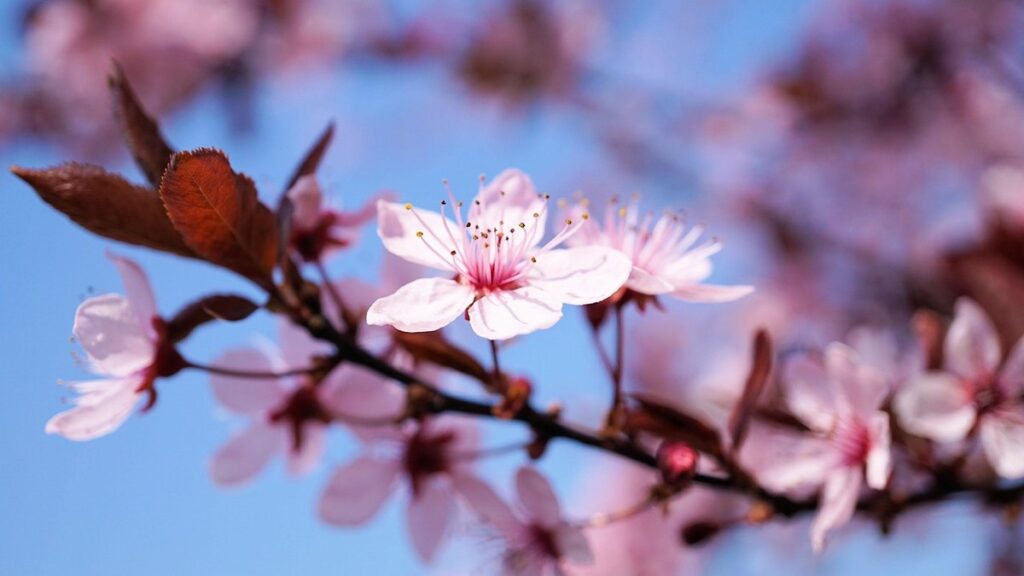
The foliage of dwarf cherry blossom trees is similar to their standard counterparts, featuring dark green leaves with serrated edges. However, the smaller size means there’s less foliage overall, which can be beneficial for gardens with limited space. One of the most distinctive features of these trees is their flowers – showy pink or white blooms that appear in early spring and attract pollinators.
When selecting a dwarf cherry blossom tree, consider factors like climate hardiness, soil type, and sunlight requirements to ensure the best growth conditions. With proper care, these compact trees can thrive for decades, providing seasonal interest and beauty to your outdoor space. Regular watering, fertilization, and pruning will help maintain their shape and promote healthy growth.
Benefits of Growing Dwarf Cherry Blossom Trees
Growing a dwarf cherry blossom tree is an excellent choice for gardeners of all skill levels. One of the primary benefits of these trees is their compact size, which makes them perfect for small spaces such as balconies, patios, or rooftops. They can thrive in containers and even indoors with proper care.
Another advantage of growing a dwarf cherry blossom tree is its low maintenance requirements. Unlike larger trees that require regular pruning and care, dwarf cherry blossoms are relatively easy to maintain. They need minimal watering, fertilization, and pest control, making them an excellent choice for busy gardeners or those new to gardening.
Their ability to thrive in small spaces also makes them ideal for urban areas where space is limited. These trees can tolerate a range of soil conditions and can even grow in poor soil, making them adaptable to various environments. Additionally, dwarf cherry blossom trees are relatively disease- and pest-free, reducing the need for chemicals or pesticides.
With proper care, your dwarf cherry blossom tree will bloom beautifully in the spring, providing stunning displays of pink and white flowers that attract pollinators and add beauty to your space.
History and Origin of Dwarf Cherry Blossom Trees
Let’s dive into the fascinating history behind these stunning trees, where we’ll explore how they originated and their evolution over time. This journey will take us back to ancient Japan and beyond.
Origins of Cherry Blossom Trees
Cherry blossom trees have a rich history that spans thousands of years. Their origin can be traced back to East Asia, specifically Japan and Korea, where they are native to the region’s temperate climates. These beautiful trees were highly prized for their stunning flowers and symbolic meaning.
In Japan, cherry blossoms (known as “sakura” in Japanese) have been celebrated for centuries as a symbol of the fleeting nature of life. The trees were highly valued for their beauty, and their blooms were eagerly anticipated every spring. In fact, Japan’s iconic Cherry Blossom Festival (Hanami) has its roots in ancient tradition, dating back to the 8th century.
The introduction of cherry blossom trees to new regions is a fascinating story. Japanese immigrants brought these trees to the United States in the late 19th and early 20th centuries, where they quickly gained popularity as ornamental plants. Today, you can find cherry blossom trees thriving in gardens and parks across North America.
Understanding the history and origin of cherry blossom trees not only adds depth to their beauty but also provides valuable context for caring for these magnificent trees. By appreciating their rich cultural heritage, you can better understand how to provide optimal care and conditions for your dwarf cherry blossom tree to flourish.
Development of Dwarf Varieties
The development of dwarf varieties of cherry blossom trees is a remarkable story that showcases the dedication and expertise of plant breeders. These compact trees are not naturally occurring but rather the result of deliberate breeding programs aimed at reducing their size while preserving their beautiful blooms.
To create these miniature marvels, scientists used various techniques such as grafting, pruning, and cross-pollination to manipulate the genetic makeup of cherry blossom trees. The goal was to produce varieties that could thrive in small spaces without sacrificing any of the tree’s signature features. Through rigorous selection and testing, breeders identified desirable traits like compact growth habits, smaller leaves, and fewer branches.
One key strategy used in breeding dwarf cherry blossom trees is called “dwarfing rootstock.” This involves grafting a piece of stem from a mature tree onto a specialized root system that naturally inhibits the tree’s growth. This approach allows growers to control the size of the tree while maintaining its desirable characteristics. Today, there are many popular dwarf cherry blossom varieties available for gardeners and landscapers to choose from, each with its unique features and benefits.
Growing Conditions for Dwarf Cherry Blossom Trees
To ensure your dwarf cherry blossom tree thrives, it’s essential to understand its specific growing conditions, which vary slightly from traditional cherry blossom trees. Let’s dive into what makes these tiny trees tick.
Climate and Soil Requirements
To grow a healthy and thriving dwarf cherry blossom tree, it’s essential to provide it with the right climate and soil conditions. First, let’s talk about temperature requirements. Dwarf cherry blossom trees prefer cooler temperatures, typically between 35°F (2°C) and 75°F (24°C). They can tolerate some frost but may be damaged by prolonged exposure to extreme cold.
When it comes to sunlight, these trees require full sun to partial shade. They need at least six hours of direct sunlight per day to produce an adequate amount of flowers and maintain their shape. However, if you live in a region with extremely hot summers, providing some afternoon shade can help prevent scorching.
Moisture is also crucial for the health of your dwarf cherry blossom tree. It prefers well-drained soil that’s consistently moist but not waterlogged. Aim to provide about 1 inch (2.5 cm) of water per week, either through rainfall or irrigation. Be cautious not to overwater, as this can lead to root rot and other problems.
If you live in an area with heavy clay or poorly draining soil, consider amending it with organic matter like compost or well-rotted manure. This will help improve drainage and aeration, making it easier for your tree’s roots to breathe and absorb nutrients.
Planting and Care Instructions
When planting and caring for your dwarf cherry blossom tree, it’s essential to follow some specific guidelines to ensure its optimal growth and health. First, choose a location with well-draining soil and full sun to partial shade conditions. Plant the tree at the same depth as it was in the pot, watering thoroughly after planting.
Regular pruning is crucial for maintaining the shape and promoting healthy growth of your dwarf cherry blossom tree. Prune in late winter or early spring, removing any dead, diseased, or damaged branches. For a more compact form, prune annually to maintain a diameter of around 6-8 feet. Don’t forget to fertilize your tree once a year with a balanced, slow-release fertilizer.
Pest management is also vital for the health and longevity of your dwarf cherry blossom tree. Regularly inspect your tree for signs of pests such as aphids, whiteflies, or spider mites. Use organic pest control methods whenever possible, and treat any infestations promptly to prevent damage to your tree. By following these care instructions, you’ll be able to enjoy the beautiful blooms and stunning foliage of your dwarf cherry blossom tree for years to come.
Common Uses of Dwarf Cherry Blossom Trees
Whether you’re a seasoned gardener or just starting out, you’ll want to know how versatile dwarf cherry blossom trees can be in your yard and beyond. We explore their many uses next!
Ornamental Value
One of the most significant advantages of dwarf cherry blossom trees is their exceptional ornamental value. These compact trees are not only a delight to behold but also emit an intoxicating fragrance that fills the air with sweetness. In the spring, they burst forth with vibrant pink or white blooms that attract a flurry of pollinators, such as bees and butterflies, creating a whimsical scene that’s both visually stunning and beneficial for the environment.
Their beauty is not limited to their showy flowers; dwarf cherry blossom trees also have an attractive shape and foliage, making them a perfect addition to any garden or landscape design. Their small stature allows them to thrive in smaller spaces, such as containers or courtyards, while still providing a significant impact on the visual appeal of the area.
In addition to their aesthetic value, these trees also attract beneficial pollinators, which is essential for maintaining a healthy ecosystem. By incorporating dwarf cherry blossom trees into your garden, you can create a thriving environment that not only looks beautiful but also supports local wildlife.
Landscaping Ideas
When it comes to landscaping ideas with dwarf cherry blossom trees, the possibilities are endless. One of the most versatile ways to incorporate these stunning trees is by using them as a focal point in small gardens. Their compact size makes them perfect for tight spaces, and their beautiful blooms will draw attention away from any surrounding areas.
Consider planting a single tree in a corner of your garden or along a walkway to create a breathtaking entrance. The blossoms’ vibrant colors and delicate petals will add a touch of elegance to even the smallest of gardens. If you’re short on space, don’t worry – dwarf cherry blossom trees can thrive in containers just as well as they do in the ground.
In fact, container gardening is an excellent way to showcase these beautiful trees year-round. Simply choose a large planter or urn and fill it with a well-draining potting mix. Plant your tree, water thoroughly, and place it in a spot that receives at least 4-6 hours of direct sunlight per day. With proper care, your dwarf cherry blossom tree will bloom beautifully for years to come.
Health Benefits and Symbolism of Cherry Blossom Trees
Beyond their stunning beauty, cherry blossom trees hold significant meaning and provide a range of health benefits for those who cultivate them in their gardens. Let’s explore these advantages together.
Cultural Significance
Cherry blossom trees have been imbued with deep cultural significance and symbolism across various countries and traditions. In Japan, for example, these stunning trees represent the fleeting nature of life and the arrival of spring. The tradition of “Hanami,” or cherry blossom viewing parties, is a cherished national pastime, where people gather to admire and appreciate the blossoms’ brief yet breathtaking beauty.
In Korea, cherry blossoms are associated with love, romance, and new beginnings. They’re often featured in traditional Korean weddings as a symbol of the couple’s love and commitment. In China, the plum blossom (a close relative of the cherry blossom) is revered for its beauty and spiritual significance.
In the United States, cherry blossom trees are a beloved gift from Japan, symbolizing friendship and peace. The National Cherry Blossom Festival in Washington D.C. celebrates this special bond with parades, concerts, and food festivals.
Physical Health Benefits
Being around cherry blossom trees has been linked to numerous physical health benefits. Research suggests that exposure to these trees can reduce cortisol levels, leading to a decrease in stress and anxiety. In fact, studies have shown that simply walking among cherry blossoms can lower blood pressure and heart rate within minutes. The calming effect of the trees’ beauty is thought to trigger the parasympathetic nervous system, promoting relaxation.
In addition to reducing stress, being around cherry blossom trees has also been linked to improved mood. The vibrant colors and sweet fragrance of the blossoms release endorphins, which are natural mood-boosters. A study found that hospital patients who gazed at cherry blossom images had significantly lower levels of anxiety and depression than those who didn’t. To harness these benefits in your own life, consider taking a stroll under a cherry blossom tree or simply placing a few branches in your home as a reminder of nature’s calming power. Even small moments around these trees can have a profound impact on both physical and mental well-being.
Common Problems and Pests Affecting Dwarf Cherry Blossom Trees
Dwarf cherry blossom trees, while low-maintenance, can still be susceptible to certain problems and pests that may impact their health and appearance. Expect common issues like disease, pests, and environmental stressors to be discussed here.
Diseases and Pests to Watch Out For
When it comes to dwarf cherry blossom trees, there are several diseases and pests that can affect their health. One of the most common issues is powdery mildew, a fungal disease that causes white powder to form on the leaves and stems. This can be prevented by ensuring good air circulation around the tree, watering at the base rather than overhead, and using fungicides if necessary.
Aphids are another common pest that can harm dwarf cherry blossom trees. These small insects feed on sap, causing curled or distorted leaves, and can also spread plant viruses. To manage aphid infestations, use neem oil or insecticidal soap to control the population, and introduce natural predators like ladybugs or lacewings.
Spider mites are another type of pest that can affect dwarf cherry blossom trees. These tiny arachnids feed on sap, causing yellowing leaves and fine webbing. To manage spider mite infestations, use miticides and ensure good air circulation around the tree. Regularly inspect your tree for signs of pests or diseases, and take action promptly to prevent damage.
To maintain healthy dwarf cherry blossom trees, keep an eye out for these common issues and take steps to prevent them. By monitoring your tree regularly and addressing any problems promptly, you can enjoy its beauty and blooms for years to come.
Prevention and Control Methods
Preventing and controlling problems that affect dwarf cherry blossom trees requires a multi-faceted approach. To begin with, good gardening hygiene is essential. This includes regularly inspecting your tree for signs of pests or diseases, and taking prompt action if you notice anything amiss. For example, be sure to prune your tree correctly to prevent damage to branches and encourage healthy growth.
Organic pest control methods can also be an effective way to manage problems without harming the environment. Consider using neem oil or insecticidal soap to control aphids, whiteflies, and other pests that target dwarf cherry blossom trees. Additionally, introducing beneficial insects such as ladybugs or lacewings can help control pest populations naturally.
To prevent disease from taking hold, make sure your tree is receiving adequate air circulation and water drainage. Avoid overwatering, which can create a conducive environment for fungal diseases to develop. By implementing these prevention and control methods, you can reduce the risk of problems affecting your dwarf cherry blossom tree and keep it healthy and thriving.
Conclusion: Embracing the Beauty of Dwarf Cherry Blossom Trees
In conclusion, dwarf cherry blossom trees are not only beautiful additions to any landscape, but they’re also relatively low-maintenance and easy to care for. By choosing a variety that suits your climate and space constraints, you can enjoy vibrant blooms every spring without the hassle of larger trees. Don’t be afraid to get creative with your planting – consider pairing dwarf cherry blossoms with other flowering shrubs or plants for a stunning display of color. With proper care, these tiny trees will thrive in even the smallest spaces, bringing joy and serenity to your outdoor oasis.
As you continue to nurture and enjoy your dwarf cherry blossom tree, remember that their beauty is not limited to just one season. Their unique, delicate branches add interest and texture to your landscape year-round, making them a great choice for gardeners who want to extend the blooming season in their yard.
Frequently Asked Questions
Can I grow a dwarf cherry blossom tree in a container?
Yes, dwarf cherry blossom trees can thrive in containers as long as they receive enough sunlight (at least 6 hours of direct sunlight) and well-draining soil mix. Choose a container that is at least 1-2 feet wider and deeper than the tree’s root ball to accommodate its mature size.
How often should I water my dwarf cherry blossom tree?
Water your dwarf cherry blossom tree regularly during its first year, providing about 1 inch of water per week. Established trees need less frequent watering (about once a month), but make sure not to overwater or underwater, as this can lead to root rot and other issues.
Can I prune my dwarf cherry blossom tree in the fall?
Yes, pruning your dwarf cherry blossom tree in the fall can help maintain its shape, promote healthy growth, and encourage blooming. However, avoid heavy pruning during extreme weather conditions (e.g., frost or heatwaves) as this can stress the tree further.
How do I protect my dwarf cherry blossom tree from pests?
Regularly inspect your tree for signs of pests like aphids, whiteflies, and spider mites. Use organic methods whenever possible, such as introducing beneficial insects or spraying neem oil, to control infestations without harming the environment.
Can I grow multiple dwarf cherry blossom trees together?
Yes, growing multiple dwarf cherry blossom trees together can create a stunning display of blooms in your yard! Just make sure to plant them at least 6-8 feet apart to allow for proper air circulation and space for growth.