
Lavender is one of those lovely plants that can bring a serene touch to any garden, but have you ever wondered if it spreads too far? Lavender’s growth habits and spread mechanisms are quite fascinating, and understanding them can help you cultivate and control its spread in your own garden. As it turns out, lavender can be a bit of a wanderer, making its way through soil and water to new areas, which can sometimes lead to unintended consequences for local ecosystems.
In this article, we’ll delve into the ins and outs of lavender’s spread, exploring its various mechanisms and potential impacts on the environment. We’ll also offer practical tips on how to cultivate and control its growth in your garden, so you can enjoy the benefits of this beautiful plant without worrying about it taking over. Whether you’re a seasoned gardener or just starting out, understanding lavender’s spread habits will help you make informed decisions about how to care for this lovely flower.
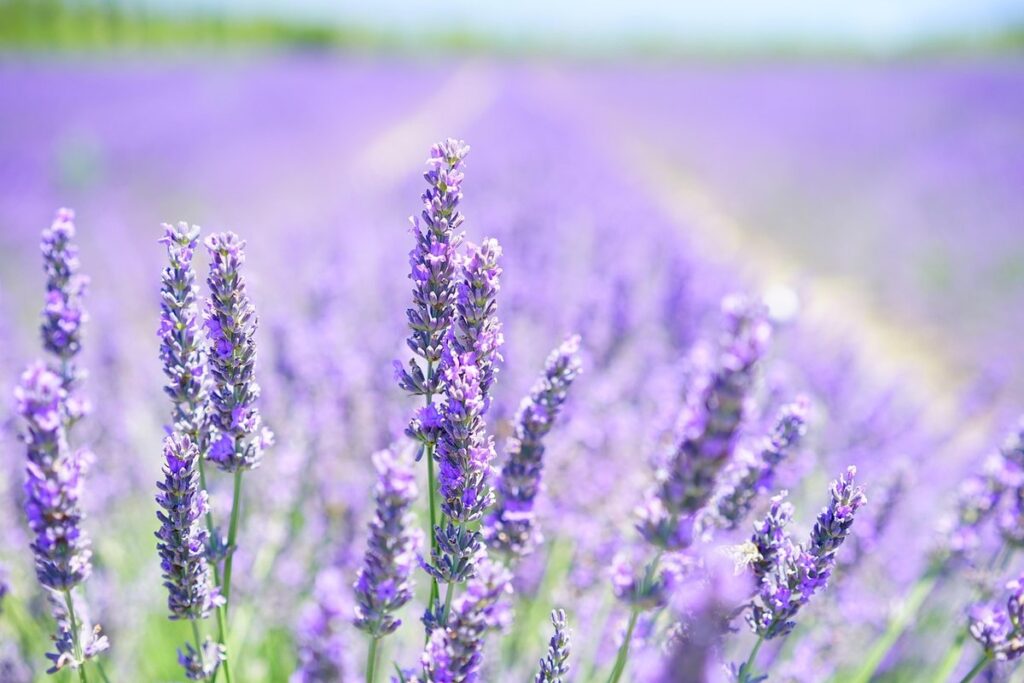
Understanding Lavender Growth Habits
Lavender can be a bit tricky to manage, especially when it comes to its tendency to spread and form new plants. Let’s take a closer look at how lavender growth habits affect its spreading behavior.
Native Habitat and Climate Requirements
Lavender is typically found growing wild in dry to medium-textured soils and well-drained areas. Its native habitat ranges from Mediterranean regions to parts of Africa and Asia, where it thrives in full sun and low humidity. This environment has led to the development of specific growth patterns and climate requirements for lavender.
In its natural state, lavender tends to form dense colonies due to its ability to spread through underground stolons. However, this spreading habit can be influenced by factors such as soil quality, temperature, and available sunlight. For instance, a well-draining soil with a pH between 6.0 and 7.0 will promote healthy root growth, while too much moisture can lead to root rot.
Understanding these native habitat and climate requirements is crucial when growing lavender in your garden. To encourage spreading, make sure to plant multiple stems close together, allowing them to develop stolons and form a robust colony. Also, avoid overwatering, as this can prevent the formation of new growths and limit the plant’s ability to spread. By replicating its natural environment, you can promote healthy growth and encourage your lavender plants to thrive.
Propagation Methods and Seed Dispersal
Lavender propagation can be achieved through various methods, including cuttings, division, and seed dispersal. Cuttings involve taking stem sections from mature plants, removing lower leaves, and rooting them in well-draining soil or a propagation medium. This method is ideal for producing new plants with similar characteristics to the parent plant.
Division involves separating established lavender roots into smaller sections, each containing a few shoots. This technique promotes healthy root development and allows multiple plants to grow from a single mature lavender plant. Seeds can be dispersed through natural processes like wind or animals, but human intervention often facilitates this process through intentional sowing or harvesting.
Seeds are produced in lavender flowers and typically contain two cotyledons. To propagate using seeds, collect fresh seed pods, dry them thoroughly, and sow them on the surface of a well-draining medium. Covering the seeds with a thin layer of soil will help retain moisture during germination. Proper care and conditions can increase the chances of successful seed dispersal in lavender plants.
Factors Influencing Lavender Spread
Several factors can influence whether lavender spreads, including soil type, moisture levels, and neighboring plant species. Let’s take a closer look at these influences.
Soil Quality and pH Tolerance
Soil quality and pH tolerance play significant roles in determining lavender’s ability to spread. Lavender is generally adapted to grow well on alkaline soils with a pH range of 6.0-7.5, but it can tolerate some acidity and other soil conditions with proper care.
When planted in areas with poor drainage or compacted soil, lavender may struggle to establish a strong root system, hindering its ability to spread. Well-draining soil, on the other hand, allows lavender roots to expand freely, enabling the plant to thrive and potentially spread more easily.
Lavender can also adapt to different soil types, such as clay, loam, or sand. However, it tends to perform best in areas with good air circulation, moderate moisture levels, and full sun exposure. By understanding these factors and taking steps to optimize soil conditions, gardeners can help promote healthy lavender growth and encourage its spread.
To improve soil quality for lavender cultivation, consider incorporating organic matter like compost or well-rotted manure into the existing soil. This will help increase the soil’s water-holding capacity, fertility, and overall structure, creating an ideal environment for lavender to thrive.
Moisture and Watering Habits
Lavender’s ability to spread is also influenced by its watering habits. As a drought-tolerant plant, lavender can survive with minimal water, but it does require some moisture to thrive. The ideal watering schedule for lavender is to provide about 1 inch of water per week, either through rainfall or irrigation.
If the soil feels dry to the touch, it’s time to water your lavender plant. However, be careful not to overwater, as this can lead to root rot and other problems. In regions with high humidity, lavender may require more frequent watering to prevent moisture from accumulating in the leaves and causing fungal diseases.
Lavender roots grow best in well-draining soil with a pH between 6.0 and 7.0. To promote healthy root growth, make sure your lavender plant is planted in a spot that receives full sun and has good air circulation. This will help prevent waterlogged soil and root decay.
By striking the right balance between drought tolerance and moisture requirements, you can encourage healthy growth and spread of your lavender plant.
Spread Mechanisms in Lavender
So, how does lavender spread from one place to another? We’ll explore the different mechanisms that help this lovely plant propagate and grow in new areas.
Stolon Formation and Runners
Lavender’s ability to spread is also facilitated by its remarkable capacity for stolon formation and runner production. These horizontal stems are responsible for the plant’s propagation and colonization of new areas. Stolons are long, flexible branches that grow along the surface, often rooting at their tips to produce new plants.
As these stolons develop, they can stretch several inches or even feet from the parent plant, creating a network of interconnected lavender colonies. Runners, on the other hand, are shorter stems that emanate from the base of the plant and can give rise to new rosettes. They often grow more slowly than stolons but play a crucial role in establishing a dense mat of lavender plants.
To encourage stolon formation and runner production, it’s essential to provide your lavender with suitable growing conditions, including full sun, well-draining soil, and moderate watering. Regular pruning can also stimulate the growth of new stems and enhance the plant’s ability to spread. By understanding and cultivating these natural processes, you can enjoy a lush, expansive lavender display that attracts pollinators and adds beauty to your garden.
Rhizome Development and Vegetative Reproduction
Lavender plants have an impressive ability to spread and propagate through various mechanisms. One of these methods is through rhizome development, which plays a crucial role in vegetative reproduction. Rhizomes are underground stems that grow horizontally from the parent plant, producing new shoots and roots as they go. These underground runners allow lavender plants to produce multiple offspring without relying on seed production.
As the rhizomes mature, they start to develop adventitious roots, enabling them to anchor themselves firmly in the soil. This process allows the new shoots to become established independently of the parent plant, creating a vast network of interconnected lavender plants. By promoting healthy root development and providing optimal growing conditions, gardeners can encourage their lavender plants to produce more rhizomes, effectively multiplying their stock.
To facilitate successful rhizome development in your lavender plants, ensure they receive sufficient water and nutrients throughout the growing season. Regular pruning also helps maintain a balanced root-to-shoot ratio, which is essential for effective vegetative reproduction.
Impact on Ecosystems
When lavender does spread, it can have significant effects on local ecosystems. Let’s explore how its invasive properties impact native plant and animal populations.
Competition with Native Species
Lavender’s ability to spread can have significant implications for native ecosystems. When lavender invades an area, it can outcompete native vegetation for resources such as water and nutrients. This can lead to a shift in the composition of plant species in the invaded ecosystem.
In some regions, invasive lavender has been known to alter soil chemistry and reduce biodiversity. For example, lavender’s deep taproot allows it to access deeper layers of soil, giving it an advantage over native plants that have more shallow root systems. This can lead to a dominance of lavender in the area, suppressing native species and altering ecosystem dynamics.
To mitigate the risks associated with invasive lavender, it’s essential to be mindful of its potential for spread. When planting lavender in your garden, choose cultivars that are less likely to become invasive, such as ‘Hidcote’ or ‘Munstead’. Regularly monitor your plants for signs of invasiveness and take steps to control their spread before it becomes a problem. By being proactive and taking steps to prevent the spread of lavender, you can help protect native ecosystems and preserve biodiversity.
Ecological Consequences of Invasive Lavender
When lavender spreads beyond its intended boundaries, it can have far-reaching ecological consequences. One of the primary concerns is the alteration of soil quality. Invasive lavender species can outcompete native vegetation for water and nutrients, leading to changes in soil chemistry and structure. This can result in reduced fertility, increased erosion, and decreased biodiversity.
Nutrient cycling is also disrupted by invasive lavender. As these plants dominate an area, they deplete the soil of essential nutrients, making it difficult for other species to thrive. In some cases, this can lead to a shift from nutrient-rich topsoil to barren, nutrient-poor subsoil.
Wildlife habitats are another casualty of invasive lavender spread. These plants can crowd out native vegetation that provides food and shelter for local wildlife, leading to population declines or even extinctions. For example, in some regions, invasive lavender has been linked to the decline of pollinator species such as bees and butterflies.
If you suspect that lavender is spreading beyond its intended boundaries, it’s essential to take action. Remove any invasive plants, restore native vegetation, and implement measures to prevent re-invasion. This may involve altering water sources, installing barriers, or employing targeted herbicides.
Cultivating and Controlling Lavender Spread
Now that you know lavender can spread, let’s dive into how to cultivate and control its growth, ensuring it thrives in your garden without taking over.
Methods for Containing Lavender Growth
If you’re looking to contain lavender growth in your garden or landscape, there are several methods you can try. Pruning is one of the most effective ways to control lavender spread. This involves cutting back the stems by about a third after they finish blooming in the summer. Not only will this help keep the plant from taking over, but it will also promote new growth and encourage more blooms.
Another approach is to mow or trim the lavender regularly. By keeping the stems at a manageable height, you can prevent them from flowering and spreading seeds. This method works best for English lavender varieties, which tend to be more compact than other types.
Using barriers around your lavender plants can also help contain their spread. You can try planting them in containers with good drainage or creating a physical barrier using materials like wood or metal edging. Additionally, you can consider growing non-spreading varieties of lavender, such as ‘Hidcote’ or ‘Munstead’, which are bred specifically for compact growth and require minimal maintenance.
Best Practices for Propagation and Establishment
When cultivating and propagating lavender, it’s essential to follow best practices that minimize the risk of unwanted spread. This not only helps maintain a controlled environment but also prevents potential harm to surrounding ecosystems.
To start, choose healthy, disease-free mother plants with well-developed roots. Select varieties that are compact or dwarf, as they tend to be less invasive. Cuttings from these plants can then be taken during the spring and summer months when growth is most vigorous. Remove lower leaves and dip the cut ends in rooting hormone before planting them in a well-draining medium.
Monitor your propagated plants closely for signs of overgrowth, and prune regularly to maintain shape and size. Mulching around the base also helps suppress weeds that could potentially outcompete lavender for resources. Regular water and fertilization will encourage healthy growth without promoting excessive spread. Be aware that some varieties may still exhibit invasive tendencies despite these precautions; keep an eye on their behavior and take steps accordingly.
Conclusion and Future Research Directions
Now that we’ve explored the ins and outs of lavender spreading, let’s summarize our findings and discuss potential avenues for future research on this topic.
Recap of Key Points
In conclusion to our exploration of lavender’s spread, it’s essential to revisit the key findings on its growth habits and potential ecological impacts. Lavender is a semi-evergreen shrub that typically grows 1-3 feet tall, spreading through underground stolons and producing new shoots. Factors influencing its spread include soil quality, moisture levels, and proximity to other lavender plants.
In areas with optimal growing conditions, lavender can quickly colonize an area, potentially leading to the formation of dense stands or even invasive populations. However, this is less likely in regions with poor soil quality or inadequate water supply. To mitigate potential ecological impacts, consider planting single-species clusters rather than large batches, and choose varieties bred for compact growth.
Our research highlights the importance of understanding local climate conditions and soil types when introducing lavender to a new area. By doing so, you can minimize the risk of unwanted spread and ensure that your lavender plants thrive.
Recommendations for Further Study
While this blog post has provided an in-depth examination of lavender’s spreading behavior, there are still many areas where further research is needed to better understand and manage this phenomenon. One key area for future investigation is the impact of different environmental conditions on lavender spread. For instance, how does temperature, soil quality, or water availability influence lavender’s ability to propagate? Answering these questions could provide valuable insights into how gardeners can control or even encourage desirable spreading behavior in their own plantings.
Researchers should also explore the genetic factors that contribute to lavender’s spreading abilities. Are there specific varieties of lavender that are more prone to spread than others? What underlying genetic mechanisms allow lavender to adapt and thrive in new environments? By delving deeper into these questions, we can gain a better understanding of how to breed or select lavender plants that meet our specific needs.
Ultimately, further research will help us develop effective strategies for managing lavender’s spreading behavior, whether it’s to prevent invasive growth or promote desired propagation.
Frequently Asked Questions
Can I completely prevent lavender from spreading if I don’t want it to take over my garden?
You can’t entirely stop lavender from spreading, but you can control its growth by regularly pruning or dividing the plant. Make sure to remove any stolons that try to escape and replant them in a contained area.
How does soil quality affect lavender’s spread, and what kind of conditions should I provide for my plants?
Good drainage is crucial for preventing root rot and promoting healthy growth. If your soil lacks nutrients or has poor structure, consider adding organic matter like compost to improve its fertility and porosity.
Is it possible to grow non-invasive lavender varieties that won’t outcompete native species in their ecosystem?
While there aren’t any completely “invasive-free” lavender varieties, some cultivars are bred for better behavior. Look for plants labeled as ‘non-spreading’ or ‘ compact’, which tend to have shorter rhizomes and less aggressive growth.
How do I propagate lavender using cuttings, and what’s the best time to take stem cuttings?
Lavender can be propagated through stem cuttings in spring or summer when new growth is vigorous. Cut 3-4 inch sections from healthy stems, remove lower leaves, and plant them in well-draining soil. Keep the soil consistently moist until roots develop.
Can I grow lavender in containers, and what are some tips for container gardening with this plant?
Lavender thrives in containers provided they have good drainage and sufficient root space. Choose a large pot (at least 6-8 inches deep) filled with well-draining mix, and water carefully to avoid overwatering, which can lead to root rot.