
Growing your own lemon tree can be a rewarding experience, not only for its unique flavor but also for its numerous health benefits. Lemons are rich in vitamin C and antioxidants, making them an excellent addition to any home garden. However, cultivating a healthy and productive lemon tree requires attention to detail and the right techniques.
In this article, we’ll guide you through choosing the perfect variety of lemon tree, from dwarf to standard sizes, as well as essential pruning and pest management techniques. By following these simple tips, you can ensure your citrus tree thrives and provides a bountiful harvest year after year. Whether you’re an experienced gardener or just starting out, our expert advice will help you grow a productive lemon tree that adds value to your home and culinary creations.
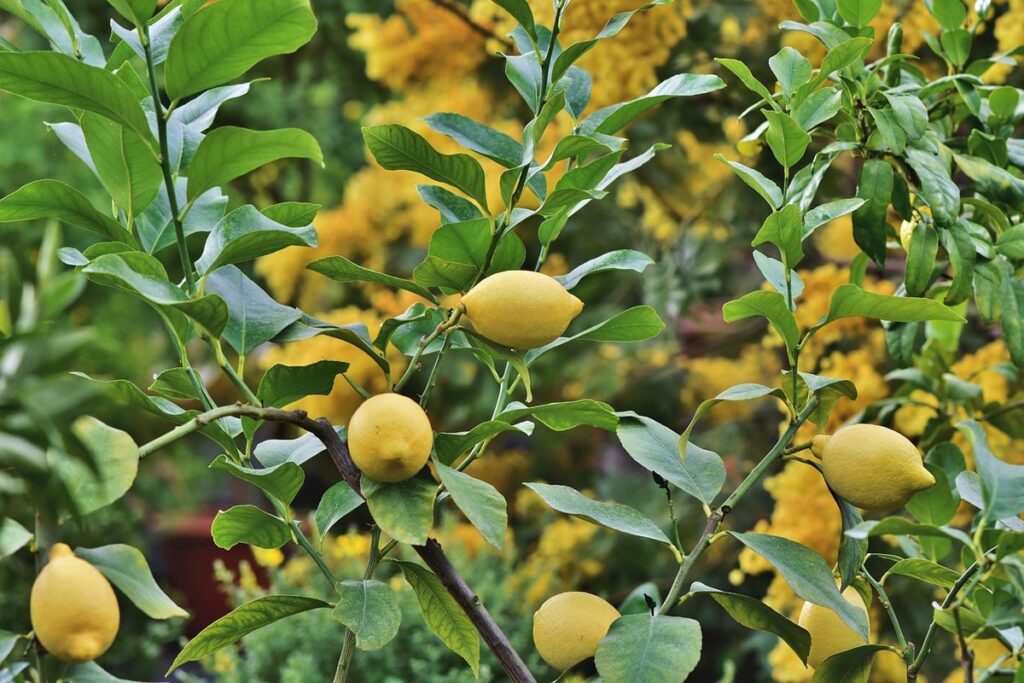
Choosing the Right Variety and Environment
When it comes to growing a healthy lemon tree, selecting the right variety for your climate is crucial. You’ll also need to provide the optimal environment for your tree to thrive in.
Selecting the Best Lemon Tree Species
When it comes to growing a healthy lemon tree, selecting the right species is crucial. There are several types of lemon trees available, each with its unique characteristics, climate tolerance, growth rate, and fruit quality. Some popular varieties include Eureka, Lisbon, and Meyer.
The Eureka lemon tree is known for its high acidity and is often used in cooking and baking. It’s a fast-growing tree that thrives in warm climates and can tolerate frost, making it an excellent choice for gardeners in USDA zones 9-11. On the other hand, the Lisbon lemon tree produces more juice and is often preferred by commercial growers. However, it’s slower growing and more sensitive to frost.
Meyer lemons are a cross between a lemon and an orange, producing sweeter fruit with a lower acidity level. They’re relatively small in size and can thrive in containers or small spaces. When choosing the best lemon tree species for your garden, consider factors such as climate tolerance, growth rate, and desired fruit quality.
Some popular dwarf varieties include ‘Dwarf Washington’ and ‘Dwarf Meyer’, which are compact and produce fruit within a shorter time frame. These smaller trees can be grown in containers or small spaces, making them ideal for urban gardeners.
Ultimately, the best lemon tree species for you will depend on your specific climate, available space, and desired fruit quality. Be sure to research each variety’s unique characteristics before making a selection.
Understanding Lemon Tree Hardiness Zones
When growing a lemon tree, it’s essential to choose a variety that thrives in your region. The hardiness zone of your area plays a significant role in determining the suitability of a lemon tree for your garden. Hardiness zones are designated based on the average annual extreme minimum temperature, which ranges from -50°F in Zone 1 to 70°F in Zone 11.
To determine if a lemon tree is suitable for your region, check its hardiness zone rating. For example, a dwarf Meyer lemon tree (Citrus x meyeri) is typically rated for zones 8-10, indicating it can tolerate temperatures as low as 15°F to 20°F (-9°C to -7°C). On the other hand, a more cold-tolerant variety like ‘Maringa’ can handle temperatures as low as 0°F (-18°C).
When choosing a lemon tree, also consider its temperature, humidity, and sunlight requirements. Lemon trees prefer warm temperatures between 64°F (18°C) and 90°F (32°C), high humidity (above 50%), and full sun to partial shade. Make sure your garden provides the necessary conditions for your chosen variety to thrive.
Planting and Initial Care
To get your lemon tree off to a strong start, you’ll need to focus on planting it properly and giving it the right care during its first few weeks of growth. This includes selecting the right location and watering technique.
Preparing the Soil
When it comes to growing a healthy lemon tree, preparing the soil is one of the most critical steps. Lemons prefer well-draining soil with a slightly acidic pH between 6.0 and 7.0. If your soil falls outside this range, it’s essential to amend it before planting.
To determine your soil’s pH level, you can purchase a DIY testing kit or send a sample to a lab for analysis. Based on the results, you may need to add sulfur or lime to adjust the pH. For example, if your soil is too alkaline (high in pH), adding elemental sulfur can help bring it down.
It’s also crucial to ensure adequate drainage. Lemons don’t like standing water, which can lead to root rot and other issues. To improve drainage, you can mix in some perlite or sand with the native soil. This will allow excess water to flow through easily.
When selecting a location for your lemon tree, choose an area with full sun (at least 6 hours of direct sunlight) and ensure good air circulation to prevent fungal diseases. By getting the soil conditions right from the start, you’ll set your lemon tree up for success and give it the best chance to thrive.
Transplanting a Young Lemon Tree
When transplanting a young lemon tree from its container to the ground, it’s essential to handle it with care and avoid disturbing its delicate roots. Start by choosing a location that provides full sun and well-draining soil, as these are crucial for a healthy lemon tree.
To begin the transplant process, gently remove the tree from its container using a soft-bristled brush or your fingers to loosen any stuck roots. Once the tree is free, inspect the root ball to ensure there are no damaged or circling roots that could impede growth. If necessary, use a sterile tool to carefully trim these away.
Next, dig a hole in the chosen location that’s at least twice as wide and just as deep as the root ball. Add organic matter like compost or well-rotted manure to improve soil fertility and drainage. Gently place the lemon tree into its new home, taking care not to compact the soil around the roots.
By transplanting your young lemon tree with care and attention to its delicate roots, you’ll be giving it the best chance of a healthy, thriving start in life. This thoughtful approach will help minimize stress and ensure your citrus tree grows strong and robust.
Watering and Fertilization Strategies
Now that you’ve planted your lemon tree, let’s focus on providing it with the right amount of water and nutrients to promote healthy growth. We’ll explore effective watering and fertilization strategies for a thriving citrus tree.
Proper Watering Techniques
Watering is an essential aspect of growing a healthy lemon tree. The right amount of water is crucial for preventing overwatering and underwatering conditions that can harm the tree’s growth. To determine the ideal watering schedule, consider the climate you live in, as this affects the soil’s moisture levels. In hot climates with high temperatures, your lemon tree may need more frequent watering to compensate for increased evaporation. Conversely, cooler climates require less water.
Soil type is another vital factor when it comes to watering. Well-draining soils dry out faster than heavy clay or sandy soils. To combat this, increase the frequency of watering for trees growing in poorly draining soil. However, it’s just as crucial not to overwater a tree with well-draining soil.
Another tip for efficient watering is monitoring your lemon tree’s maturity stage. Younger trees require more frequent watering, as they’re still developing their root systems. As the tree matures and becomes more drought-tolerant, reduce the frequency of watering.
When managing drought conditions, inspect the soil daily to gauge moisture levels. When water does become necessary, apply it deeply but infrequently to encourage deep root growth. Water at the base of the tree rather than overhead to avoid wasting water through evaporation and runoff.
Fertilizing for Optimal Growth
Lemon trees require a balanced diet of essential nutrients to thrive. Nitrogen (N), phosphorus (P), and potassium (K) are the primary macronutrients that lemon trees need to grow strong and healthy. Nitrogen promotes leaf growth, while phosphorus supports root development and fruit production. Potassium helps regulate water balance and maintain overall tree health.
To create a balanced fertilizer plan for your lemon tree, start by choosing a fertilizer that provides equal parts of N-P-K (e.g., 10-10-10). You can apply a citrus-specific fertilizer in early spring when new growth begins to emerge. As the tree matures, you can switch to a more concentrated formula or use a slow-release fertilizer to avoid over-fertilizing.
Timing is crucial: avoid fertilizing during extreme weather conditions like intense heat, drought, or heavy rainfall. Instead, apply fertilizer when your tree needs it most – usually after pruning or repotting. For optimal growth, water and fertilize your lemon tree regularly, but not excessively, as this can lead to nutrient burn or root damage.
Pruning and Training Techniques
To keep your lemon tree thriving, it’s essential to prune and train its branches regularly, learning how to shape and maintain a healthy, productive tree.
Understanding Lemon Tree Pruning Objectives
When it comes to growing a healthy lemon tree, pruning is an essential practice that serves multiple objectives. The primary purpose of pruning is to promote healthy growth by removing dead, diseased, or damaged branches, which can help prevent the spread of disease and encourage new growth.
Another key objective of pruning is to increase fruit production. By carefully selecting and removing select branches, you can direct the tree’s energy towards producing more lemons. For instance, if your lemon tree has a dense canopy, removing some of the interior branches can allow for better air circulation and sunlight penetration, both of which are essential for optimal fruiting.
Regular pruning also helps maintain the shape of your lemon tree, keeping it compact and well-defined. This is particularly important for container-grown trees or those with limited space. By pruning regularly, you can keep your lemon tree looking its best while also encouraging healthy growth and maximizing fruit production.
Pruning Tools and Techniques
When it comes to pruning your lemon tree, having the right tools and techniques is essential for promoting healthy growth and preventing disease. Let’s start with the basics: pruning tools.
You’ll need a few essential items in your arsenal, including hand pruners (also known as secateurs) and loppers. Hand pruners are perfect for cutting smaller branches and stems, while loppers are better suited for thicker branches. Make sure to choose high-quality tools that fit comfortably in your hands.
Now, let’s talk techniques. When pruning your lemon tree, the goal is to maintain a strong, balanced shape. Start by removing any dead or diseased branches, as these can spread disease and reduce the tree’s overall health. Next, cut back any overgrown branches to about two-thirds of their length. This will help control the tree’s size while encouraging new growth.
Remember to always make clean cuts at a 45-degree angle, just above a bud or a lateral branch. This will promote healthy growth and prevent water from collecting on the cut end, which can lead to rot. With practice, you’ll be pruning like a pro in no time!
Pest and Disease Management
To keep your lemon tree thriving, it’s essential to be aware of common pests and diseases that can affect its growth. We’ll cover how to prevent and manage these issues in this section.
Common Pests and Diseases Affecting Lemon Trees
As you tend to your lemon tree, it’s essential to be aware of common pests and diseases that can affect its health. In different climates, you may encounter various issues, but there are some widespread problems to watch out for.
Aphids, whiteflies, and mealybugs are notorious pests that feed on lemon tree sap, causing curled or distorted leaves. To manage these infestations, use neem oil or insecticidal soap, targeting the undersides of leaves where they often congregate. Regularly inspect your tree’s foliage, pruning infected areas to prevent further damage.
Root rot and leaf spot diseases are prevalent in wet climates. Root rot can be caused by overwatering or waterlogged soil, while leaf spot is often a result of fungal infections. To prevent these issues, ensure good air circulation around the tree and avoid getting water on the trunk. If you notice symptoms, treat with fungicides according to the product’s instructions.
In warmer climates, scale insects can be a significant problem, as they secrete honeydew that attracts other pests. Regularly inspect your tree for signs of infestation, using a soft-bristled brush or cloth to remove them.
Integrated Pest Management Strategies
When it comes to growing a healthy lemon tree, integrated pest management (IPM) strategies are crucial for maintaining its overall well-being. IPM involves a holistic approach that combines cultural controls, biological controls, and chemical controls to prevent pests and diseases from taking hold.
Cultural controls include practices like pruning, watering, and fertilizing your lemon tree in a way that promotes healthy growth and resilience. For example, making sure the soil drains properly can help prevent root rot, which is often caused by overwatering. Biological controls involve introducing beneficial insects or microorganisms to the ecosystem, such as ladybugs or Trichogramma wasps, which prey on pests like aphids or whiteflies.
Monitoring your tree regularly for signs of pests and diseases is also essential in preventing infestations from getting out of hand. Keep an eye out for yellowing leaves, black spots, or cottony patches, which can indicate the presence of pests or diseases. By taking a proactive approach to pest management, you can enjoy a thriving lemon tree that produces plenty of juicy fruit.
Advanced Techniques for Maximum Production
Now that you’ve mastered the basics of growing a healthy lemon tree, it’s time to take your skills to the next level with expert techniques to maximize production. Let’s dive into some advanced methods to supercharge your citrus harvest!
Pollination and Cross-Pollination
Lemon trees, like many citrus varieties, rely on pollination to produce fruit. While they’re capable of self-pollination, cross-pollination often results in healthier and more abundant fruit production.
Self-pollination occurs when the lemon tree’s flowers are pollinated by its own anthers (the male reproductive part). This method is relatively common, especially in indoor conditions where bees and other pollinators are scarce. However, self-pollination can lead to reduced fruit quality and quantity.
Cross-pollination, on the other hand, involves transferring pollen from one lemon tree’s anthers to another tree’s stigma (the female reproductive part). This process is crucial for maximum production, as it allows trees to combine their genetic material and produce more robust fruits. To facilitate cross-pollination, gardeners can either plant multiple lemon trees nearby or introduce a pollinator tree, such as an orange or lime, into the area.
Hand-pollination is another technique that promotes fruit production in lemon trees. This involves collecting pollen from one flower’s anthers and gently brushing it onto another flower’s stigma. For effective hand-pollination, make sure to target the center of the stigma, where the pollen can effectively fertilize the ovules.
To increase the chances of successful pollination, plant multiple lemon trees in close proximity (about 10-15 feet apart). Ensure good air circulation among the trees to prevent fungal diseases that can harm flowers and reduce fruit production. By incorporating these techniques into your lemon tree care routine, you’ll be well on your way to maximizing your harvest and enjoying an abundance of juicy lemons.
Frequently Asked Questions
What is the ideal temperature range for a lemon tree to thrive indoors?
Lemon trees typically prefer daytime temperatures between 65-75°F (18-24°C) and nighttime temperatures around 55-60°F (13-16°C). Avoid placing your tree near drafty windows or air conditioning vents, as this can cause sudden changes in temperature that might stress the tree.
How often should I fertilize my lemon tree for optimal growth?
Fertilize your lemon tree every 2-3 months during the growing season (spring-fall) with a balanced citrus fertilizer. Dilute the fertilizer according to the manufacturer’s instructions, as overfertilization can cause more harm than good. This will help maintain healthy foliage and promote fruiting.
Can I grow a lemon tree in a container year-round, or is it best suited for warmer climates?
While lemons love warmth, they can thrive in containers indoors with proper care. Choose a large container with good drainage and provide enough light (direct sunlight for at least 4-6 hours). Water carefully to prevent root rot, and fertilize regularly to maintain nutrient levels.
How do I know if my lemon tree is receiving enough water?
Check the soil moisture by sticking your finger into the top inch of soil. If it feels dry, it’s time to water. Avoid overwatering, which can lead to root rot and other problems. A general rule of thumb is to water when the top 1-2 inches of soil feel dry.
What are some common pests that affect lemon trees, and how can I prevent them?
Common pests like aphids, whiteflies, and mealybugs can harm your lemon tree. Use neem oil or insecticidal soap to control infestations. Regularly inspect your tree for signs of pests, and maintain a clean environment by removing weeds and debris that might attract unwanted visitors.