
Are you considering bringing some tropical charm into your home or garden with a bamboo plant? These incredibly versatile and low-maintenance plants can add a touch of elegance to any space, but they do require proper care. Choosing the right bamboo species for your climate, planting it correctly, and providing adequate care are all crucial steps in keeping your plant healthy and thriving.
In this comprehensive guide, we’ll walk you through everything you need to know about bamboo plant care, from selecting the perfect variety to troubleshooting common issues. You’ll learn how to properly water, fertilize, prune, and more – giving you the confidence to create a stunning bamboo display that brings joy and serenity to your surroundings. Whether you’re a seasoned gardener or just starting out, our expert tips will have you growing happy, healthy bamboo plants in no time.
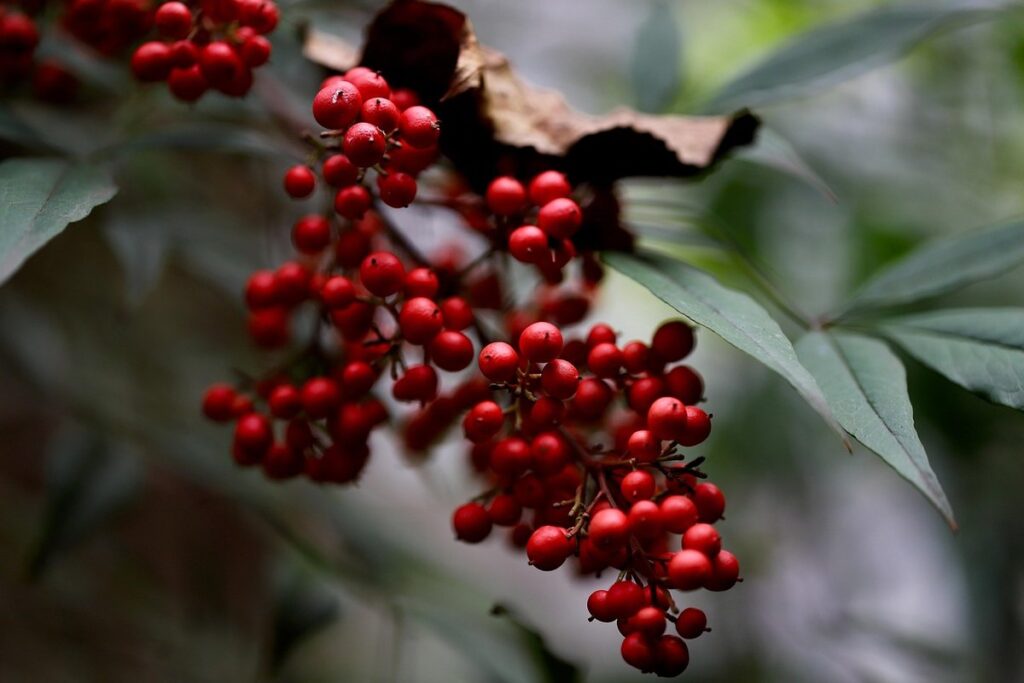
Choosing the Right Bamboo Species
When it comes to bamboo plant care, selecting the right species is crucial for your home’s unique environment. We’ll break down the key factors to consider when choosing a bamboo that thrives in your space.
Understanding Bamboo Types
When it comes to bamboo plant care, understanding the different types of bamboo is crucial in selecting the right one for your space and lifestyle. There are two main categories: clumping and running varieties. Clumping bamboo plants grow in a more compact manner, with stems that tend to cluster together rather than spreading out.
These types of bamboo are ideal for smaller gardens or containers as they require less maintenance and can thrive in a variety of environments. Examples of popular clumping bamboo species include the Fargesia rufa and the Borinda angustissima. On the other hand, running bamboo varieties can spread rapidly and may not be suitable for small spaces.
They are often used for erosion control or as a natural screen in larger areas. The Moso bamboo is an example of a running variety that can grow up to 30 feet per year. Knowing the differences between clumping and running bamboo will help you choose a species that fits your needs, allowing you to create a beautiful and low-maintenance bamboo garden at home.
Considering Environmental Factors
When choosing a bamboo species, it’s essential to consider the environmental factors that will impact its growth and health. Climate plays a significant role in determining which bamboo species will thrive in your home. For instance, tropical bamboos like Bambusa tulda require high humidity levels, making them ideal for bathrooms or kitchens with moisture-rich environments. On the other hand, subtropical and temperate bamboos such as Phyllostachys nigra prefer well-drained soil and can tolerate dry spells.
Light requirements are also crucial when selecting a bamboo species. Some varieties like Fargesia rufa prefer dappled shade to full sun, while others like Borinda angustissima require direct sunlight for optimal growth. It’s essential to research the specific light needs of your chosen bamboo species and ensure it receives the right amount of illumination.
In addition to climate and lighting, consider the humidity levels in your home. If you live in a dry climate, you may need to mist your bamboo regularly or use a humidifier to maintain an optimal humidity level for its growth. By taking these environmental factors into account, you can choose the perfect bamboo species that will thrive in your unique environment.
Preparing the Soil
Before bringing home your new bamboo plant, it’s essential to prepare its future living space by creating a healthy environment for it to thrive. This means getting your soil just right.
Understanding Bamboo Soil Needs
Bamboo plants are highly sensitive to their surroundings, and one of the most crucial factors is the soil condition. To create an optimal environment for your bamboo plant, it’s essential to understand its specific needs.
First and foremost, bamboo prefers slightly acidic to neutral soil pH levels, ranging from 6.0 to 7.0. If your soil is too alkaline or too acidic, it can lead to nutrient deficiencies and other problems. To check the pH level of your soil, you can purchase a DIY testing kit or send a sample to a lab for analysis.
In terms of nutrients, bamboo requires a balanced mix of nitrogen (N), phosphorus (P), and potassium (K). A general-purpose potting mix with added fertilizers will work well, but make sure to choose one that is slow-release and water-soluble. This will help prevent over-fertilization, which can damage your plant.
When preparing the soil for your bamboo plant, also consider adding organic matter like compost or worm castings. These natural amendments not only provide essential nutrients but also improve soil structure and drainage. Aim to mix in 10-20% of these materials into the top 6-8 inches of soil for optimal results.
Removing Old Plants or Debris
Removing old plants or debris from the planting area is crucial to give new bamboo plantings the best possible start. When preparing a site for new bamboo, it’s essential to thoroughly clear the area of any remnants from previous plantings. This includes removing dead or dying stalks, as well as any debris like roots, leaves, and stems.
Take care to dig up all old roots and rhizomes, which can spread disease or competition to your new bamboo. You may also want to remove any leftover mulch or soil amendments that were used in the previous planting. This will give you a clean slate for your new bamboo plants.
Before replanting, inspect the site for any signs of pests or diseases. Remove any infested or diseased material to prevent the problem from spreading. This will also help ensure healthy growth and development of your new bamboo plantings. With a clear site and no competition, your new bamboo should thrive in its new environment.
Planting and Transplanting Techniques
When it comes to bringing your bamboo plant into its prime, knowing the right planting and transplanting techniques is crucial. This involves selecting the perfect location and timing for these delicate procedures.
Digging the Right Size Hole
Digging a hole that’s too small can be catastrophic for your bamboo plant. The root system of bamboo is surprisingly extensive, and if it doesn’t have enough room to grow, the plant will struggle to thrive. A general rule of thumb is to dig a hole that’s 2-3 times wider and just as deep as the bamboo rhizome or root ball.
When digging, make sure the soil is loose and well-draining. Avoid compacting the soil as you work, which can cause water to accumulate and lead to root rot. If your soil is heavy clay or prone to waterlogging, consider adding organic matter like compost or perlite to improve drainage.
Don’t be tempted to dig shallow holes, thinking it will save time and effort. This approach may seem convenient, but it’ll ultimately harm your plant in the long run. The roots of bamboo can grow up to 6 feet deep, so give them plenty of space to expand. If you’re unsure about the size of the hole or how to prepare the soil, consider consulting with a local nursery or gardening expert for guidance.
Handling Rhizomes During Transplantation
When handling rhizomes during transplantation, it’s essential to be gentle yet firm. Rhizomes are highly sensitive to damage and can quickly become stressed if not handled correctly. To minimize the risk of injury, carefully loosen the surrounding soil using a fork or spade before lifting the plant out of its container.
Once the rhizome is exposed, gently wash away any loose soil with lukewarm water, taking care not to break off any of the delicate nodal roots. These tiny roots are responsible for establishing new shoots and should be treated with extra care during transplantation.
To promote healthy establishment, it’s crucial to handle the rhizomes carefully when dividing or separating them. Use a sharp, sterile knife to make clean cuts through the rhizome, taking care not to crush or bruise any of the sensitive tissue. This will help prevent disease and ensure that new shoots develop quickly after transplanting.
When replanting, bury the rhizome with the growing tip facing upwards, and gently firm the surrounding soil around it. Water well to settle the soil and provide adequate moisture for establishment. By following these steps, you’ll be well on your way to successfully transplanting bamboo rhizomes into a thriving new home.
Watering and Fertilization Techniques
When it comes to giving your bamboo plant a boost, proper watering and fertilization are crucial. Let’s dive into some effective techniques to keep your bamboo thriving.
Bamboo’s Water Requirements
Bamboo plants need consistent moisture to thrive, but it’s not just about pouring water into their pots willy-nilly. Overwatering is a common mistake that can be detrimental to your bamboo’s health. To get it right, you need to understand the ideal watering schedule for your type of bamboo.
Most bamboo species prefer to dry out slightly between waterings, which means checking the soil moisture by sticking your finger into the soil up to the first knuckle. If the soil feels dry, it’s time to water. The frequency will depend on factors like climate, humidity, and pot size. In general, water your bamboo once or twice a week in hot weather, and every 10-14 days in cooler months.
Be mindful of signs of underwatering: yellowing leaves, droopy stems, and a change in leaf color. On the other hand, overwatering can cause roots to rot, leading to soft, mushy stems that may collapse. To avoid this, ensure good drainage by repotting your bamboo with a well-draining potting mix or using a pot with sufficient holes for excess water to escape. Monitor your bamboo’s response and adjust the watering schedule accordingly.
Choosing Organic Fertilizers
When it comes to fertilizing your bamboo plant, you want to choose options that are safe for use around pets and children. Chemical fertilizers can be harsh on the environment and even toxic to humans and animals. That’s why it’s essential to explore organic fertilizer alternatives.
Some popular organic fertilizer options include compost tea, fish emulsion, and bone meal. Compost tea is a liquid solution made by steeping compost in water, which provides beneficial microbes that promote healthy plant growth. Fish emulsion, on the other hand, is derived from fish waste and acts as a slow-release fertilizer. Bone meal is a natural source of phosphorus that promotes root development.
When selecting an organic fertilizer, read labels carefully to ensure they are free from chemicals and synthetic additives. You can also make your own compost at home using kitchen scraps and yard waste. This not only reduces waste but also provides a nutrient-rich soil amendment for your bamboo plant. Remember to always follow the instructions on the label or consult with a gardening expert if you’re unsure about which fertilizer is best for your plant.
Pruning and Maintenance Techniques
To keep your bamboo plant thriving, it’s essential to prune and maintain it regularly, which we’ll cover in detail below, including when and how to do it effectively. This section will walk you through the necessary techniques.
Correct Pruning Techniques
When it comes to pruning your bamboo plant, it’s essential to use the right techniques to avoid damaging the rhizome and promote healthy growth. To cut back dead stalks, start by removing any dead or damaged culms (stems) as close to the ground as possible. This will help prevent the spread of disease and encourage new growth.
For shaping your bamboo plant, identify the desired shape or size you want it to maintain. For example, if you want a compact plant, prune the top third of the tallest stalks to control height. When pruning, make clean cuts just above a node (the joint where a leaf meets the stem) using sharp, sterile pruning tools.
To prevent damage to the rhizome, avoid cutting too close to it, and always cut at an angle rather than straight across. This will help water and nutrients flow freely through the plant. Regular pruning not only maintains your bamboo’s appearance but also promotes healthy growth and prevents pest and disease issues from arising in the future.
Removing Pests and Diseases
Bamboo plants are susceptible to various pests and diseases that can weaken their growth and spread infections to other nearby plants. Some common pests affecting bamboo include scale insects, mealybugs, spider mites, and aphids. These tiny creatures feed on the sap of the plant, causing damage to leaves, stems, and roots.
To identify infested areas, look for yellowing or distorted leaves, sticky substance (honeydew), or actual pests visible on the plant. For organic pest control methods, use neem oil spray to suffocate the insects, insecticidal soap, or horticultural oil to coat them. You can also introduce natural predators like ladybugs or lacewings that feed on these pests.
As for diseases, bamboo is prone to fungal infections such as fusarium wilt, root rot, and leaf spot. Regularly inspect your plant for symptoms of overwatering, which can lead to root rot, or blackening leaves. To prevent the spread of disease, ensure good air circulation, maintain a balanced water schedule, and avoid using overhead watering methods that splash water onto foliage.
In addition to these preventative measures, there are several natural remedies you can try to combat fungal diseases. For example, baking soda can be used as a fungicide to control mildew and leaf spot, while garlic extract has antifungal properties that can help fight off infections.
Common Problems and Solutions
As you continue on your bamboo plant care journey, it’s inevitable that you’ll encounter some common issues – don’t worry, we’ve got you covered! This section will walk you through the most frequently encountered problems and their easy-to-implement solutions.
Troubleshooting for Beginner Gardeners
As a beginner gardener, it’s not uncommon to encounter some common problems when caring for your bamboo plant. Don’t worry, we’ve got you covered! Let’s tackle the most frequent issues and provide practical solutions.
Yellowing leaves can be a sign of overwatering or underwatering. Check your watering schedule and ensure you’re providing the right amount of moisture. If the soil feels dry to the touch, it’s time for a drink. On the other hand, if the water is collecting in the saucer, it might be too much. Prune any affected leaves to prevent further damage.
Stunted growth can result from inadequate light or poor air circulation. Make sure your bamboo plant is placed in a spot with bright indirect light and has enough space around it for air to circulate freely. This will encourage healthy growth and prevent fungal diseases.
Pest infestations, such as spider mites or mealybugs, can be treated with insecticidal soap or neem oil. Regularly inspect your plant and catch any issues early on. Keep your environment clean, and avoid over-fertilizing, which can attract pests.
Advanced Care Techniques for Experienced Gardeners
As an experienced gardener, you’re likely looking to take your bamboo plant care skills to the next level. Let’s dive into some advanced techniques for propagating, pest control, and maintaining a thriving ecosystem around your bamboo plantings.
To propagate bamboo plants, try using the “layering” method. This involves bending a long branch down to the ground, securing it with a rock or wire, and waiting for roots to develop over time. You can also use division, where you carefully separate established clumps into individual plants, making sure each section has at least one growing rhizome.
For natural pest control, consider introducing beneficial insects like bees, butterflies, and ladybugs, which feed on pests that harm bamboo. Another method is to use neem oil or insecticidal soap to control scale, mealybugs, and spider mites without harming the environment.
To maintain a thriving ecosystem around your bamboo plantings, incorporate companion planting by growing herbs and flowers nearby. These can attract beneficial insects, repel pests, and enhance soil health. For example, basil repels aphids and attracts pollinators, while marigolds repel nematodes that can harm bamboo.
Frequently Asked Questions
Can I grow bamboo indoors with limited natural light?
Yes, it’s possible to grow bamboo indoors, but you’ll need to provide bright, indirect light or invest in high-intensity grow lights. East- or west-facing windows are ideal for indoor bamboo growth. Choose a compact clumping variety like Fargesia or Borinda, which require less sunlight than running varieties.
How often should I water my newly planted bamboo?
Water your newly planted bamboo regularly during the first few weeks after planting, but make sure not to overwater. Check the soil moisture by sticking your finger into the soil up to the first knuckle. Water when the top inch of soil feels dry to the touch. Bamboo prefers moist soil but can be drought-tolerant once established.
What are some common pests that affect bamboo plants?
Aphids, spider mites, and scale insects often infest bamboo plants. Regularly inspect your plant for signs of pests, such as white cottony patches or sticky honeydew on the leaves. Use neem oil or insecticidal soap to control infestations and remove any affected areas to prevent further damage.
Can I propagate new bamboo plants from rhizomes?
Yes, you can propagate new bamboo plants by dividing the rhizome during transplanting. This method works best for clumping varieties. When digging up the rhizome, make sure each section has at least two nodes (the joints where the leaves meet the stem). This will increase your chances of successful propagation and create healthy new plants.
How often should I fertilize my bamboo plant?
Fertilize your mature bamboo plant 1-2 times a year with an organic fertilizer. Choose a balanced formula that includes nitrogen, phosphorus, and potassium (N-P-K). Follow the manufacturer’s instructions for application rates to avoid overfertilizing, which can damage the plant’s roots or cause it to grow too quickly.