
Are you fascinated by exotic fruits and looking to add some variety to your garden? Look no further than the Asian pear tree! Native to China, this stunning tree produces not one but two crops of delicious fruit per year. With its unique characteristics and impressive yields, it’s no wonder why many gardeners are turning to the Asian pear for its exceptional taste and versatility.
In this article, we’ll take you on a journey through the world of Asian pears, covering everything from growing and caring for these trees to managing pests and diseases. We’ll also share some mouth-watering recipes that will make your taste buds dance with joy! Whether you’re a seasoned gardener or just starting out, our expert guide is packed with valuable tips and tricks to help you get the most out of your Asian pear tree.
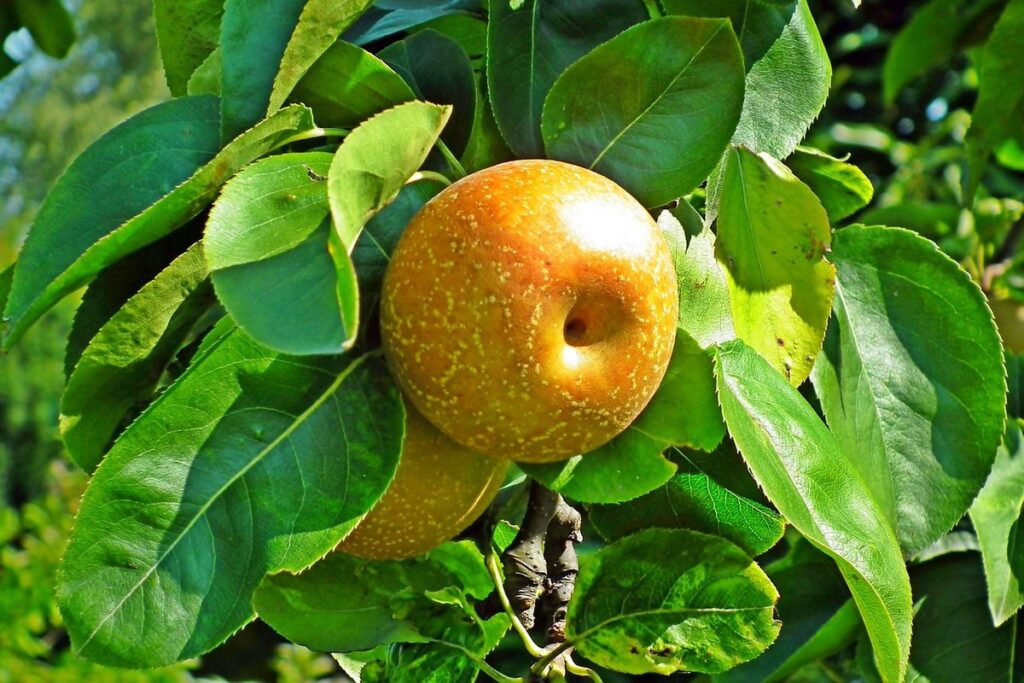
Characteristics and Types of Asian Pear Trees
When it comes to choosing the perfect Asian pear tree, understanding its characteristics and types is essential for selecting a variety that thrives in your climate and meets your needs. Let’s explore the key features of these beautiful trees.
Origin and History of Asian Pears
Asian pear trees have a rich history that spans over 3,000 years, originating from the mountainous regions of China. The fruit was highly valued for its sweet and juicy flavor, making it a staple in Chinese cuisine. In fact, Asian pears were considered a luxury item during the Song Dynasty, only available to the wealthy. As trade routes expanded, the fruit was introduced to Japan, Korea, and eventually Europe.
In the early 20th century, Asian pear trees were first introduced to the United States by nurserymen who recognized their potential for commercial cultivation. However, it wasn’t until the 1960s that they gained popularity among backyard growers and enthusiasts. Today, Asian pears are enjoyed worldwide for their unique flavor profile and versatility in cooking.
Interestingly, Asian pear trees have been selectively bred over centuries to enhance desirable traits such as size, color, and sugar content. This selective breeding has resulted in a wide range of cultivars, each with its own distinct characteristics. If you’re new to growing Asian pears, look for varieties like ‘Shinko’ or ‘Nijisseiki’, which are known for their sweet flavor and compact growth habit.
Common Varieties of Asian Pears
Asian pears are known for their diverse range of flavors and textures, with many varieties to choose from. The most popular types include Shinko, Chojuro, Nijisseiki, Hosui, and Shinseiki. Each variety offers a unique taste experience.
Shinko Asian pears have a sweet flavor profile with hints of honey and citrus notes. They are crunchy and firm in texture, making them perfect for snacking. Chojuro varieties have a slightly sweeter taste than Shinko, but retain the same crisp texture.
Nijisseiki is another widely cultivated variety that has a balanced sweetness level. Its unique feature lies in its tender skin which is typically left on during harvesting. Hosui Asian pears are characterized by their sweet flavor with an undertone of acidity, making them well-suited for salads and desserts.
For those who prefer sweeter varieties, Shinseiki offers an intense sweetness experience. To grow these popular varieties, gardeners should consider factors such as climate, soil type, and sun exposure when selecting the best location for planting Asian pear trees.
Physical Characteristics of Asian Pear Trees
Asian pear trees are known for their unique physical characteristics that set them apart from other fruit-bearing trees. When it comes to growth habits, these trees can grow quite large, with some varieties reaching heights of over 20 feet (6 meters). However, they also have a wide range of smaller cultivars that make great options for smaller spaces or container gardens.
Their leaf structure is another distinctive feature of Asian pear trees. The leaves are typically deciduous, meaning they fall off in the autumn, and have a distinctive serrated edge. They are also quite large, measuring up to 6 inches (15 cm) long and wide. When it comes to fruit size, Asian pears are known for their compact, round shape and small to medium size, ranging from 2-5 pounds (1-3 kg).
In terms of physical appearance, the bark on an mature Asian pear tree is typically grayish-brown in color and develops a rugged texture over time. The overall growth habit of these trees is often described as upright and spreading, making them a great option for adding shade or structure to a garden.
Growing and Caring for an Asian Pear Tree
As you nurture your Asian pear tree, learning how to properly care for its specific needs is crucial for a bountiful harvest, which we’ll explore in this section. With these tips, you’ll be well on your way to a thriving and productive tree.
Planting and Soil Requirements
When planting an Asian pear tree, it’s essential to choose a location that provides the right conditions for growth. Look for full sun to partial shade, as these trees prefer temperatures between 35°F and 75°F (-1°C and 24°C). Avoid areas with standing water or where water tends to collect, as this can lead to root rot.
The soil type is also crucial for an Asian pear tree’s health. They prefer well-draining, slightly acidic soil with a pH between 6.0 and 7.0. If your soil is heavy clay or sandy, consider amending it with organic matter like compost or manure to improve its structure.
When planting, dig a hole twice as wide and just as deep as the root ball. Gently remove the tree from its container and place it in the hole. Backfill with soil, making sure not to compact it too much. Water thoroughly to settle the soil. Mulch around the base to retain moisture and suppress weeds.
By following these steps, you’ll give your Asian pear tree a strong start and set it up for long-term success.
Watering and Fertilization Needs
Watering an Asian pear tree requires attention to its specific needs. Typically, it prefers well-draining soil and receives around 1 inch of water per week through rainfall or irrigation. During the first year after planting, ensure consistent moisture levels by watering every 3-4 days in hot weather. As the tree matures, reduce watering frequency to once a week during dry periods.
Fertilization is crucial for healthy growth and fruit production. Feed your Asian pear tree with a balanced fertilizer (10-10-10 NPK) in early spring when new growth begins. Follow up with a second application of citrus or fruit-tree specific fertilizer in mid-summer. Avoid over-fertilizing, as this can cause more harm than good.
Some essential nutrients to consider are magnesium and potassium, which promote healthy root development and fruit set. You can use Epsom salt to provide magnesium (1 tablespoon per 10 feet of tree height) or apply a potassium-based fertilizer according to the product’s instructions. Remember to fertilize only when necessary, as excessive nutrient intake can harm your Asian pear tree.
Pruning and Training Techniques
To promote healthy growth, increase fruit production, and maintain tree shape, regular pruning and training techniques are essential for your Asian pear tree. Pruning involves cutting back branches to control the tree’s size, remove diseased or damaged areas, and encourage a strong, central leader.
When pruning, it’s crucial to remove no more than 25% of the tree’s canopy in one season to avoid stressing the tree. Remove any dead, diseased, or damaged branches completely, making clean cuts just above a growth node. Thin out select branches to allow for better air circulation and sunlight penetration. This will help prevent disease and promote even fruiting.
For training, use techniques like tip grafting or espalier to control the tree’s shape and direct its growth. Tip grafting involves attaching a small portion of stem to the main trunk, promoting new growth in the desired direction. Espalier involves training branches along a trellis or support system. Regular pruning and training will help maintain your Asian pear tree’s health, productivity, and aesthetic appeal.
Pest and Disease Management for Asian Pear Trees
To ensure a healthy and thriving Asian pear tree, it’s essential to stay on top of pest and disease management to prevent common issues from taking hold. This section covers key signs, prevention methods, and treatments for pests and diseases that target your tree.
Common Pests Affecting Asian Pear Trees
Asian pear trees can be susceptible to various pests that can cause significant damage if left unchecked. One of the most common and damaging pests affecting Asian pear trees is the codling moth (Cydia pomonella). These moths lay their eggs on the fruit, which then hatch into larvae that feed on the flesh of the pear, causing it to become misshapen and unpalatable.
Another pest that can affect Asian pear trees is spider mites. These tiny arachnids suck the sap from the leaves, causing them to turn yellow or brown and eventually drop off the tree. To manage these pests effectively, it’s essential to monitor your tree regularly for signs of infestation.
Here are some practical tips to help you identify and control these common pests:
* Regularly inspect your tree for signs of codling moth damage, such as tiny holes in the skin of the fruit or the presence of caterpillars.
* Use row covers or fine mesh to prevent adult moths from reaching your tree.
* Apply insecticidal soap or horticultural oil to control spider mites and other pests.
It’s also crucial to practice good garden hygiene, such as removing weeds and debris that can attract pests.
Fungal Diseases of Asian Pear Trees
Asian pear trees can be susceptible to various fungal diseases that can have severe consequences if left untreated. One of the most common fungal diseases affecting Asian pear trees is powdery mildew. This disease manifests as a white, powdery coating on leaves and fruit, causing them to become distorted and eventually drop from the tree.
Another serious threat to Asian pear trees is fire blight, caused by the bacterium Erwinia amylovora. Fire blight appears as blackened branches, shriveled flowers, and fruit with a distinctive “shepherd’s crook” shape. This disease can be devastating if not treated promptly, often resulting in the loss of entire branches or even the tree itself.
To prevent fungal diseases like powdery mildew and fire blight, it’s essential to maintain good air circulation around your Asian pear tree. You can achieve this by pruning nearby plants and thinning out foliage. Regular watering and fertilization practices also play a crucial role in keeping your tree healthy and resilient.
Organic and Integrated Pest Management (IPM) Techniques
As an Asian pear tree owner, you’re likely no stranger to dealing with pests and diseases that can affect your trees’ health. Fortunately, there are effective organic and Integrated Pest Management (IPM) techniques that can help minimize chemical use while still keeping your trees safe. One popular method is using neem oil, a natural pesticide derived from the seeds of the neem tree. When applied to infested areas or as a preventative measure, neem oil can disrupt pest development, preventing infestations.
Beneficial insects also play a vital role in IPM. Encourage them by creating a diverse and thriving ecosystem around your trees. For example, ladybugs and lacewings are known predators of common Asian pear pests like aphids and caterpillars. Planting nectar-rich flowers near your trees can attract these beneficial insects, which will then help maintain a balance in the ecosystem.
To implement IPM effectively, it’s essential to monitor your trees regularly for signs of pests or diseases. By catching issues early, you can take targeted action using organic methods like neem oil and beneficial insects before problems escalate. This approach not only reduces chemical use but also promotes long-term tree health and resilience.
Harvesting and Enjoying Your Asian Pear Tree
Now that your Asian pear tree is thriving, it’s time to reap the rewards of your labor: harvesting and enjoying the delicious fruit it produces. Learn how to pick and preserve your pears for maximum flavor and enjoyment.
When to Expect Fruit Ripeness
As you approach the harvest season for your Asian pear tree, it’s essential to know when to pick the fruit at its peak ripeness. One of the most critical factors is observing the color change of the fruit. Typically, Asian pears will turn from green to a yellow or golden hue as they ripen. However, some varieties may retain their green skin even after ripening.
To determine if your Asian pear tree is ready for harvest, check for softness and slight give when gently squeezed. A ripe Asian pear should yield to pressure but still feel firm. Avoid over-ripened fruit that’s too soft or mushy, as it will not store well and may spoil quickly. Optimal picking times are usually in late summer to early fall, around 90 to 120 days after flowering.
Be cautious of the stem end, which may turn from green to brown or reddish-brown color as the fruit ripens. This indicates that the fruit is almost ready for harvest. Keep an eye on your tree’s specific needs and adjust your harvesting schedule accordingly. Remember, Asian pears are a bit tricky to time perfectly – but with patience and observation, you’ll get it right!
Storage and Handling Tips
Proper storage and handling of harvested Asian pears are crucial to maintaining their quality and extending shelf life. When harvesting, select fruits that are slightly soft to the touch but still firm, as they will continue to ripen off the tree.
To store Asian pears, keep them away from direct sunlight and heat sources, which can cause spoilage and over-ripening. Store them in a cool, well-ventilated area with a consistent temperature between 32°F and 50°F (0°C and 10°C). You can also use a fruit bag or breathable cloth to store them, but avoid plastic bags that trap moisture.
When handling Asian pears, be gentle to avoid bruising the skin. Wash the fruits gently before storing to remove any dirt or debris. To prevent spoilage, check on your stored pears regularly and remove any that are overripe or showing signs of decay.
Some popular storage methods include cold storage for up to 3 months or refrigeration to maintain freshness for several weeks. By following these simple tips, you can enjoy your Asian pear tree’s bounty well into the fall season and beyond.
Recipes and Culinary Uses
Asian pears are an incredibly versatile fruit, and their sweet, buttery flavor makes them a joy to work with in the kitchen. Whether you’re looking for ideas for desserts or savory dishes, we’ve got you covered.
One of the most popular uses for Asian pears is in baking. Try using them in place of apples in a classic apple crisp recipe – the result is a deliciously sweet and tender dessert that’s perfect for fall nights. You can also use Asian pears to make a delicious pear cake, similar to a pound cake but with the added moisture and flavor of the pears.
In savory applications, Asian pears pair beautifully with cheese and charcuterie boards. Slice them thinly and serve alongside a wedge of creamy brie or a block of tangy cheddar for a surprisingly elegant snack. You can also use them in salads – try pairing sliced Asian pears with mixed greens, crumbled goat cheese, and a drizzle of balsamic glaze for a refreshing summer salad.
Asian pears are also delicious when poached or roasted – try tossing sliced pears with a bit of oil, salt, and pepper and roasting them in the oven until tender and caramelized.
Frequently Asked Questions
Can I grow an Asian pear tree in a container if I don’t have enough space for a full-sized tree?
Yes, you can grow an Asian pear tree in a container, making it perfect for small gardens or balconies! Choose a dwarf or semi-dwarf variety and use a large container with good drainage to ensure the roots have room to spread. Make sure to provide plenty of sunlight and prune regularly to maintain shape.
How long does it take for an Asian pear tree to start producing fruit after planting?
Typically, it takes 2-5 years for an Asian pear tree to mature and produce its first crop of fruit. However, some dwarf varieties can bear fruit within a year or two. Be patient, as proper care and regular pruning will help your tree reach optimal production.
What are the ideal climate conditions for growing an Asian pear tree?
Asian pear trees prefer well-draining soil and full sun to partial shade. They thrive in temperatures between 35°F (2°C) and 95°F (35°C), making them suitable for USDA Hardiness Zones 5-9. If you live in a cooler or warmer climate, choose varieties that are specifically bred for your region’s conditions.
How often should I water my Asian pear tree, especially during hot summer months?
Water your Asian pear tree regularly, providing about 1 inch of water per week, either from rainfall or irrigation. During hot summer months, increase watering frequency to prevent drought stress, but avoid overwatering, which can lead to root rot and other problems.
Can I use organic pest control methods for managing pests that affect my Asian pear tree?
Yes! Organic pest control methods are an excellent way to manage common pests like aphids, codling moths, and spider mites without harming the environment or your family. Use neem oil, horticultural soap, or introduce beneficial insects to maintain a balanced ecosystem in your garden.