
Cherry blossom trees have long been a source of wonder and inspiration for many, with their breathtaking beauty and rich cultural significance. If you’re one of the lucky few who’ve had the chance to witness these stunning trees in bloom, you know exactly what we mean. But even if you haven’t seen them up close, learning about cherry blossom trees can be just as rewarding. Not only are they a treat for the eyes, but they also have a rich history and numerous health benefits that make them a popular choice for gardeners and wellness enthusiasts alike.
In this article, we’ll delve into the fascinating world of cherry blossom trees, exploring their types, care requirements, and cultural significance. We’ll also share some expert tips on how to troubleshoot common problems and maximize the benefits of these incredible trees. Whether you’re a seasoned gardener or just starting out, by the end of this article, you’ll be well-equipped to grow your own cherry blossom tree and appreciate its beauty for years to come.
What are Cherry Blossom Trees?
Let’s get started on your journey to understanding these beautiful trees! This section will give you a solid foundation on what cherry blossom trees are, their unique characteristics, and why they’re so loved worldwide.
Origin and History of Cherry Blossom Trees
Cherry blossom trees have a rich and fascinating history that spans thousands of years. Originating from East Asia, specifically China, Japan, and Korea, these beautiful trees were highly valued for their stunning flowers and fruit. In fact, cherry blossoms are considered one of the most iconic symbols of spring in many Asian cultures.
In Japan, for example, cherry blossom viewing parties, known as Hanami, have been a beloved tradition since the 8th century. The trees were often planted along rivers and streams to create stunning displays of pink and white flowers. Over time, cherry blossoms became a symbol of the fleeting nature of life and the arrival of spring.
In the United States, cherry blossom trees were introduced in the early 20th century as a gift from Japan to commemorate the friendship between the two countries. Today, Washington D.C.’s National Cherry Blossom Festival is one of the most popular events celebrating these beautiful trees. With their stunning flowers and rich history, it’s no wonder that cherry blossom trees have become a popular choice for parks and gardens around the world.
Types of Cherry Blossom Trees
Cherry blossom trees come in an array of species, each with its unique characteristics and growth habits. Among the most popular varieties is the Japanese Cherry (Prunus serrulata), known for its stunning pink blooms that cover the tree in early spring. This deciduous tree grows up to 30 feet tall and thrives in zones 5-8.
The Kwanzan Cherry (Prunus serrulata ‘Kwanzan’) is another popular species, recognized by its vibrant red flowers and compact growth habit. It reaches a height of around 15 feet and tolerates cooler temperatures, making it suitable for USDA zones 5-9.
In contrast, the Weeping Higan Cherry (Prunus subhirtella ‘Fukienensis’) features delicate white blooms that cascade downwards from its slender branches. This small to medium-sized tree grows up to 20 feet tall and prefers well-drained soil in zones 6-8. Each variety has its specific needs and conditions for optimal growth, so it’s essential to research the best-suited species for your climate and garden space.
For instance, if you live in a warmer region, consider planting a Yoshino Cherry (Prunus x yoshinoensis), which can thrive in zones 5-9. By selecting the right variety for your environment, you’ll be able to enjoy the beauty of cherry blossoms year after year.
Characteristics and Features of Cherry Blossom Trees
When it comes to identifying a cherry blossom tree, understanding its key characteristics is essential. Knowing what to look for can make all the difference in tree identification.
Appearance and Growth Habit
Cherry blossom trees are stunning in their appearance and growth habit. They can grow to varying heights, typically ranging from 10 to 30 feet (3-9 meters) tall, with a spread of around 15 to 25 feet (4.5-7.6 meters). Their shape is often described as slender and upright, with a broad, rounded crown at the top.
The leaves of cherry blossom trees are typically dark green in color, alternate on the branches, and have a pointed tip. They can grow up to 2 inches (5 cm) long and are covered with soft hairs, giving them a velvety texture. The tree’s bark is grayish-brown, becoming fissured and rough with age.
In terms of growth habit, cherry blossom trees tend to form a single leader, with branches that grow out from the trunk in an outward direction. They can produce a dense canopy of foliage, providing excellent shade and making them a popular choice for landscaping purposes. Regular pruning is essential to maintain their shape and promote healthy growth. By understanding these characteristics, you’ll be better equipped to care for your own cherry blossom tree.
Flowers and Blooming Habits
Cherry blossom tree flowers are renowned for their delicate appearance and vibrant colors. These iconic blooms typically last around 2-4 weeks, but this duration can vary depending on factors such as weather conditions, temperature fluctuations, and the specific variety of the tree.
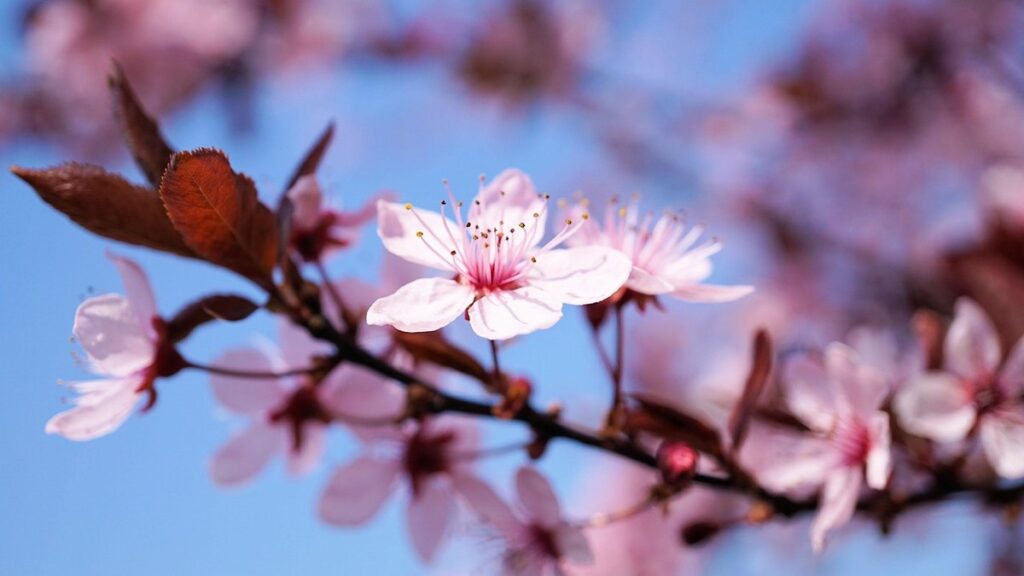
During peak blooming seasons, usually late March to early April in temperate climates, cherry blossom trees display an explosion of color. Their flowers come in a range of hues, including pale pink, deep crimson, and white. Each flower is small, measuring around 1-2 inches in diameter, with five petals that resemble tiny cups.
Cherry blossom trees are known to bloom in clusters, often on the branches closest to the ground. When choosing a location for your tree, consider the sun’s direct path to ensure optimal blooming conditions. A spot with full sun will encourage more frequent and prolonged flowering periods.
Some popular cherry blossom tree varieties include ‘Kwanzan’, ‘Shirofugen’, and ‘Yoshino’. These cultivars showcase varying shades of pink and white blooms.
Care and Maintenance of Cherry Blossom Trees
To keep your beautiful cherry blossom tree thriving, it’s essential to provide regular care and maintenance, which we’ll cover in detail here. This includes tasks like pruning and watering.
Planting and Soil Requirements
When planting a cherry blossom tree, it’s essential to choose a location with ideal conditions for growth. Cherry blossom trees prefer well-draining soil that is rich in organic matter. Aim for a slightly acidic to neutral soil pH, ranging from 6.0 to 7.0. If your soil is too alkaline or heavy clay, consider amending it with compost or perlite to improve drainage.
When selecting a location, also keep in mind the sunlight requirements of cherry blossom trees. They prefer full sun to partial shade, especially when they’re young. Aim for at least six hours of direct sunlight per day to encourage healthy growth and blooms. Be mindful of nearby structures that may cast shade on your tree, such as houses or fences.
Before planting, inspect your soil for any signs of nutrient deficiencies or compaction. If necessary, add organic matter like compost or well-rotted manure to improve soil fertility and structure. Proper soil preparation will help your cherry blossom tree establish a strong root system and thrive in its new environment.
Watering and Pruning Techniques
Watering is essential for cherry blossom trees, especially during their first year of growth. A young tree requires about 1 inch of water per week, either from rainfall or irrigation. To achieve this, you can water your tree once a week during hot and dry weather, but reduce the frequency to every two weeks during cooler months. Be cautious not to overwater, as this can lead to root rot and other problems.
Proper pruning is also crucial for maintaining healthy growth in cherry blossom trees. Prune your tree annually, removing any dead, diseased, or damaged branches. This helps prevent the spread of disease and encourages new growth. Cut back branches that grow too close to power lines or other structures to maintain a safe clearance zone. Remove any suckers (shoots growing from the base of the tree) as they can divert energy away from the main tree.
When pruning, use sharp, clean tools to avoid spreading diseases. Make cuts just above an outward-facing bud, about 1/4 inch above it, and at a slight angle to promote better healing. Avoid heavy pruning during extreme weather conditions or when the tree is under stress.
Health Benefits of Cherry Blossom Trees
You’ll be delighted to know that cherry blossom trees aren’t just a feast for your eyes, but also offer numerous health benefits that can improve your overall well-being. Let’s explore these surprising advantages together.
Air Quality and Pollution Reduction
Cherry blossom trees are not only breathtakingly beautiful but also play a crucial role in improving air quality and reducing pollution levels in urban areas. These magnificent trees have the ability to absorb pollutants and toxins from the air, making them an essential component of any city’s green infrastructure.
Research has shown that cherry blossom trees can remove up to 12% of particulate matter (PM) from the air, which is a significant reduction considering the impact of PM on respiratory health. Moreover, they are also known to absorb ozone, nitrogen dioxide, and sulfur dioxide, all of which contribute to poor air quality.
If you’re looking to incorporate cherry blossom trees into your urban landscape, consider planting them in areas with high foot traffic or near industrial sites where pollution is a concern. Not only will these trees provide aesthetic value, but they’ll also help purify the air and improve public health. By incorporating more of these remarkable trees into our cities, we can work towards creating cleaner, healthier environments for ourselves and future generations.
Stress Relief and Mental Well-being
Cherry blossom trees have long been celebrated for their breathtaking beauty and symbolic significance, but did you know that they also offer a range of stress-relieving benefits? Studies have shown that spending time under the canopy of these stunning trees can reduce anxiety levels by up to 28% and lower cortisol levels (the primary stress hormone) by as much as 40%.
One reason for their calming effects lies in the unique combination of oxygen, negative ions, and scent released by cherry blossom trees. These factors work together to slow down heart rates, calm the mind, and even reduce symptoms of depression. For example, a study conducted in Japan found that patients who spent just 30 minutes under a cherry blossom tree before surgery experienced reduced stress levels and required fewer painkillers post-op.
To harness the therapeutic benefits of these beautiful trees for yourself, try taking a stroll through a nearby park or garden featuring cherry blossoms during peak bloom. Bring along a journal to record your thoughts and emotions – you might be surprised at how peaceful you feel!
Cultural Significance of Cherry Blossom Trees
Cherry blossom trees have been woven into the fabric of many cultures around the world, symbolizing new life and beauty. Let’s explore their unique significance in different societies.
Symbolism and Traditions
Cherry blossom trees have been imbued with profound symbolic meanings across various cultures and traditions. In Japan, for instance, these trees are celebrated as symbols of the fleeting nature of life, emphasizing the importance of living each moment to its fullest potential. During Hanami festivals, people gather to admire the blossoms, often viewing them as a reminder to cherish the beauty in life’s brief and fragile existence.
In Korea, too, cherry blossom trees hold significant meaning, representing the arrival of spring and new beginnings. The trees are also seen as a symbol of the country’s rich history and cultural heritage. In Chinese culture, plum blossoms, closely related to cherry blossoms, represent perseverance and courage in the face of adversity.
For many cultures, cherry blossom trees evoke feelings of hope, renewal, and beauty. When it comes to incorporating these symbolic meanings into your life, try hosting a small Hanami-inspired gathering with friends or family to appreciate the fleeting nature of life’s joys. You can also use the blossoming season as an opportunity to reflect on your own personal growth and renewal. By embracing these cultural traditions, you can cultivate a deeper appreciation for the beauty and significance of cherry blossom trees.
Celebrations and Festivals
Cherry blossom trees have become an integral part of various celebrations and festivals around the world. In Japan, for instance, the blooming of cherry blossoms marks the beginning of spring and is celebrated with great fervor during the Hanami festival. During this time, people gather under the beautiful blooming trees to enjoy food, drinks, and music.
In other parts of Asia, such as South Korea and Taiwan, cherry blossom festivals are also a significant part of their culture. These festivals often feature parades, traditional performances, and delicious local cuisine. In the United States, cities like Washington D.C., New York, and San Francisco host Cherry Blossom Festivals to celebrate the trees’ beauty.
If you’re planning to attend one of these festivals, here are a few tips: arrive early to secure a good spot under the blooming trees; try local food stalls offering traditional delicacies; and don’t forget your camera to capture the stunning scenery. These celebrations not only showcase the natural beauty of cherry blossom trees but also highlight their cultural significance in different societies. By attending one of these festivals, you’ll gain a deeper appreciation for the importance of cherry blossom trees in various cultures.
Troubleshooting Common Issues with Cherry Blossom Trees
Don’t worry if your beautiful cherry blossom tree is struggling – we’ve got you covered. This next part will walk you through fixing common issues to keep your tree thriving.
Pests and Diseases
Cherry blossom trees can be susceptible to various pests and diseases that can impact their health and appearance. Among the most common issues are aphids, spider mites, and scale insects, which can cause curled or distorted leaves, stunted growth, and sticky honeydew droplets on the tree’s surface. To prevent these problems, ensure your tree is receiving adequate water and nutrients, as stress can weaken its defenses.
Regularly inspect your cherry blossom tree for signs of infestation, such as white cottony patches on branches (indicative of mealybugs) or yellowing leaves with black spots (a symptom of leaf spot fungus). If you do encounter pests or diseases, treat the affected areas promptly. For instance, neem oil can help control aphid and scale populations, while insecticidal soap is effective against spider mites.
To maintain a healthy balance in your garden ecosystem, consider introducing beneficial insects like ladybugs or lacewings to prey on pests naturally. Regular pruning and sanitation practices can also reduce the risk of disease transmission. Keep an eye out for early warning signs and address issues before they escalate into more severe problems.
Nutrient Deficiencies and Soil Problems
When it comes to maintaining healthy cherry blossom trees, it’s essential to pay attention to nutrient deficiencies and soil problems. A lack of essential nutrients can impact the tree’s overall health, causing leaves to turn yellow, wilt, or drop prematurely.
Common nutrient deficiencies in cherry blossom trees include nitrogen, iron, magnesium, and potassium. Nitrogen deficiency often appears as yellowing leaves with green veins, while an iron deficiency causes leaves to develop a scorched appearance. Magnesium deficiency can cause curling or twisting of young leaves, while potassium deficiency leads to weak growth and stunted development.
To address soil problems, start by testing your soil pH levels and nutrient content. Based on the results, amend the soil with organic matter such as compost or manure to improve its structure and fertility. Additionally, consider using fertilizers specifically formulated for cherry blossom trees to provide essential nutrients like nitrogen, phosphorus, and potassium.
Be aware of common pollutants in urban areas like heavy metals and salts, which can harm your tree’s roots. Consider implementing strategies to reduce pollution around the tree, such as installing a rain garden or using organic mulch.
Some specific nutrient deficiencies that require attention include boron deficiency, which causes growth abnormalities, and manganese deficiency, which leads to stunted development. If you notice any unusual symptoms, consult with a local nursery or gardening expert for guidance on addressing specific nutrient deficiencies in your cherry blossom tree.
Frequently Asked Questions
Can I grow a cherry blossom tree in my region, regardless of climate or weather conditions?
While cherry blossom trees generally prefer temperate climates with mild winters, some varieties can tolerate cooler temperatures. If you live in an area with harsh winters, research cold-hardy varieties and take necessary precautions to protect your tree from extreme weather conditions.
How often should I water a newly planted cherry blossom tree?
Newly planted cherry blossom trees require consistent moisture during their first year of growth. Water them regularly, but avoid overwatering, which can lead to root rot and other issues. Aim for about 1 inch of water per week, either from rain or irrigation.
Can cherry blossom trees be grown in containers or indoors?
Yes, cherry blossom trees can thrive in containers or indoor settings with proper care. Choose a large container (at least 14-16 inches deep) with good drainage and use a well-draining potting mix to prevent waterlogged soil. Provide sufficient light, water, and nutrients to support healthy growth.
How do I troubleshoot nutrient deficiencies in my cherry blossom tree?
To identify nutrient deficiencies, inspect your tree’s leaves for signs of stress or disease. Look for yellowing leaves, stunted growth, or other abnormal symptoms. Test the soil pH and adjust it if necessary. Fertilize your tree regularly with a balanced fertilizer to promote healthy growth.
Can I propagate a cherry blossom tree from seed?
While you can try propagating a cherry blossom tree from seed, this method can be challenging and unpredictable. Seeds may not produce trees that retain their parent’s desirable characteristics. For more reliable results, consider grafting or purchasing a grafted tree from a reputable nursery.