
Transplant shock is one of those gardening mysteries that can leave even the most experienced growers scratching their heads. It’s frustrating to see seedlings that were doing so well suddenly start to wilt, drop their leaves, and struggle with nutrient deficiencies after being transplanted into a new pot or garden bed. As any gardener knows, preventing transplant shock is key to ensuring the health and success of your young plants. In this article, we’ll take a closer look at what causes transplant shock in seedlings and share expert tips on how to prevent it. From pre-transplant care to post-transplant recovery strategies, we’ll cover everything you need to know to minimize the risk of transplant shock and give your seedlings the best chance at thriving.
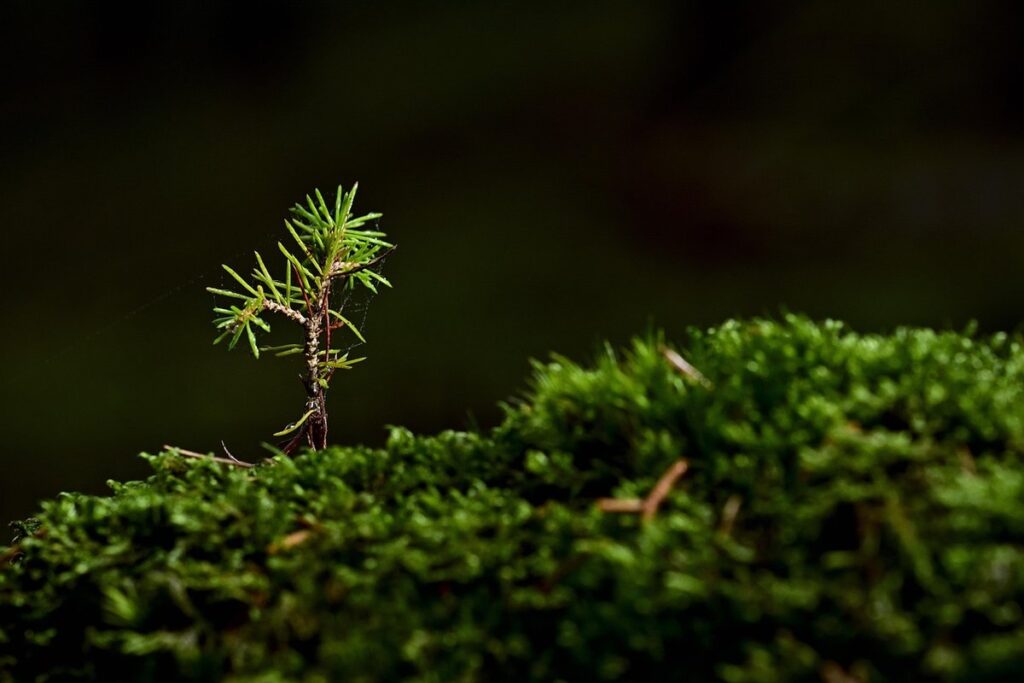
Understanding Transplant Shock
Transplant shock occurs when seedlings struggle to adapt to a new environment, and it’s crucial to understand the causes behind this common issue. Let’s break down what contributes to transplant shock in your young plants.
What is Transplant Shock?
Transplant shock is a complex physiological reaction that occurs when seedlings are suddenly removed from their original growing medium and placed into a new environment. This sudden change can be extremely stressful for young plants, causing them to struggle with the transition. As a result, seedlings may exhibit a range of symptoms, including yellowing or drooping leaves, stunted growth, and even death.
When transplant shock occurs, it’s not just the physical change that causes stress – it’s also the disruption to the plant’s delicate ecosystem. Seedlings have developed specific relationships with their original growing medium, such as the type of bacteria present in the soil, which helps them thrive. When they’re transplanted into a new medium, these relationships are disrupted, causing a ripple effect throughout the plant’s system.
To put this into perspective, consider that seedlings may lose up to 90% of their root system during transplanting due to mechanical injury or shock. This loss can be devastating for young plants, which rely heavily on their root system for nutrient uptake and water absorption.
Factors Contributing to Transplant Shock
Transplant shock in seedlings can be caused by several factors that may seem minor but have a significant impact on the young plant’s health. One of the primary contributors is root disturbance. When you transplant a seedling, its roots are inevitably disturbed, and this can cause stress to the plant. To minimize root damage, make sure to handle the seedling gently during the transplanting process, and avoid exposing the roots to air for too long.
Temperature fluctuations also play a significant role in transplant shock. Seedlings prefer temperatures between 65-75°F (18-24°C) for optimal growth. When they’re exposed to sudden changes in temperature, it can cause them to go into shock. To prevent this, ensure you acclimate the seedling to its new environment by gradually adjusting the temperature.
Inadequate watering is another common mistake that can lead to transplant shock. Seedlings need consistent moisture, especially during the first few weeks after transplanting.
Causes of Transplant Shock
Understanding what causes transplant shock is crucial to saving your seedlings. Let’s dive into the possible reasons behind this common issue that can devastate young plants.
Root Disturbance and Damage
When seedlings are transplanted, their delicate roots can be easily damaged, disrupting their ability to absorb water and nutrients from the new growing medium. This physical damage is a common cause of transplant shock, as the roots struggle to recover and adapt to the new environment.
The roots of seedlings are particularly vulnerable during transplanting due to the trauma caused by handling, exposure to air, and changes in temperature and humidity. Even gentle handling can cause micro-tears in the root system, leading to reduced water uptake and nutrient absorption. For example, if you’ve recently repotted a seedling that’s been in its original pot for several weeks, it may have developed a well-established root network that’s suddenly severed during transplanting.
To mitigate this risk, handle seedlings with care when transplanting them into larger containers or directly into the ground. Avoid exposing their roots to air by minimizing handling and making clean cuts just above the soil line. Also, ensure the new potting mix is moist but not waterlogged, as this can exacerbate root damage.
Changes in Environment
When transplanting seedlings, it’s essential to consider the environmental changes they’ll be subjected to. Seedlings are incredibly sensitive to temperature fluctuations, humidity shifts, and light exposure variations during and after transplanting. This sensitivity can further exacerbate transplant shock.
For instance, if a seedling is moved from a warm greenhouse or indoor environment to direct sunlight outdoors without acclimation, it may experience extreme stress. Similarly, sudden changes in humidity can cause seedlings to become waterlogged or dehydrated, leading to root damage and increased susceptibility to disease.
To minimize the impact of environmental changes on your seedlings, ensure that you harden them off gradually before transplanting. This involves moving them outdoors or to a shaded area for increasing periods each day to acclimate them to new conditions. Also, choose a location with stable temperatures and humidity levels to reduce stress on the seedling during and after transplanting. By taking these precautions, you can help your seedlings recover from transplant shock more effectively.
Symptoms of Transplant Shock
When transplanting seedlings, it’s essential to recognize the warning signs of distress. Look for droopy leaves, yellowing foliage, and stunted growth as indicators that your seedling is experiencing transplant shock.
Wilting and Leaf Drop
Wilting and leaf drop are two of the most common symptoms of transplant shock in seedlings. When a seedling is suddenly transferred from its original potting mix to a new environment, it can experience root disturbance, leading to a range of reactions. One of the primary reasons for wilting is that the roots are unable to adjust quickly enough to absorb water and nutrients from the new soil.
This can be exacerbated by changes in temperature, humidity, or light exposure, which can cause further stress to the seedling. For example, if you transplant your seedlings into a spot with direct sunlight, they may experience scorching of their delicate leaves, leading to wilting.
Leaf drop is another common symptom of transplant shock. This can occur when the seedling is unable to cope with the sudden change in environment and begins to shed its leaves as a defense mechanism. To minimize wilting and leaf drop, make sure to handle your seedlings gently during transplanting and provide them with optimal growing conditions, including adequate light, water, and nutrients.
If you notice that your seedlings are experiencing wilting or leaf drop, take action immediately by adjusting their environment to match their needs. Check the soil moisture and adjust watering accordingly, and consider providing additional support such as a trellis for seedlings that need extra stability.
Yellowing Leaves
When you notice yellowing leaves on your newly transplanted seedlings, it’s essential to consider the possibility of nutrient deficiencies or water stress related to transplant shock. This is because the transition from a controlled environment like a nursery to an open field can be quite challenging for young seedlings.
During this period, seedlings often experience stress due to changes in temperature, humidity, and light exposure. As a result, they may not absorb essential nutrients from the soil efficiently, leading to yellowing leaves. For example, if your seedling is lacking nitrogen, it may exhibit pale or yellowish foliage.
Water stress can also contribute to yellowing leaves in seedlings experiencing transplant shock. Overwatering or underwatering can cause nutrient deficiencies, further exacerbating the issue. To prevent this, ensure you’re watering your seedlings correctly: check the soil moisture by inserting a finger into the soil up to the first knuckle. If it feels dry, it’s time for a drink.
In addition to monitoring water levels, consider adding a balanced fertilizer to the soil once a week to provide your seedling with essential nutrients.
Prevention Strategies
To minimize the risk of transplant shock, it’s essential to implement some simple yet effective prevention strategies when transferring your seedlings to a new container. Let’s explore these crucial steps together.
Pre-Transplant Care
Providing seedlings with optimal growing conditions is essential to ensure they’re robust enough to withstand the transplant process. This includes giving them the right amount of light, water, and nutrients. Seedlings that are leggy or weak due to insufficient light may struggle during transplantation, making it more likely for them to experience transplant shock.
Harden off your seedlings before transplanting by gradually exposing them to outdoor conditions over a period of 7-10 days. This can be done by moving them from their indoor environment to a shaded area outdoors and then gradually increasing their exposure to direct sunlight. By acclimating your seedlings to outdoor conditions, you’ll reduce the shock they experience when transplanted into a new pot.
Using suitable transplant pots and growing mediums is also crucial. Choose pots that are at least 1-2 inches larger than the seedling’s root ball, and opt for a well-draining medium like a mix specifically designed for seedlings. Avoid using regular garden soil as it can compact in the pot, causing root damage during transplantation. By selecting the right equipment from the start, you’ll make the transplant process smoother and less likely to cause shock.
Post-Transplant Care
Proper post-transplant care is crucial to help your seedlings recover from transplant shock. This phase can be just as critical as the initial transplantation process itself. To ensure a smooth transition, make sure to provide adequate watering for your seedlings.
Watering requirements may vary depending on the specific needs of your plants and their environment. A good rule of thumb is to check the soil moisture daily by inserting your finger into the soil up to the knuckle. If the soil feels dry at this depth, it’s time to water. However, be cautious not to overwater, which can lead to root rot and other problems.
In addition to watering, ensure that your seedlings are receiving optimal light conditions. Most seedlings require direct sunlight for 12-14 hours a day during the first week after transplanting. After this initial period, reduce the exposure to direct sunlight to prevent scorching of leaves.
Monitor your plants closely for signs of pests or diseases. Regularly inspect the leaves and stems for any unusual growths, spots, or discoloration. Early detection is key in preventing these issues from spreading and causing further damage to your seedlings.
Managing Transplant Shock in Specific Crops
When it comes to specific crops, transplant shock can manifest differently and may require tailored approaches for prevention and recovery. Let’s explore common issues in major plant types.
Vegetable Seedlings
Vegetable seedlings are often at high risk for transplant shock due to their fast-paced growth and need for ample nutrients. To begin with, consider the delicate balance between nutrient uptake and growth rate. When seedlings are forced to grow rapidly, they can exhaust their stores of essential micronutrients, making them more vulnerable to stress.
To mitigate this issue, it’s crucial to provide your seedlings with optimal growing conditions prior to transplanting. Ensure that the soil pH is within a suitable range for the specific vegetable variety, and maintain consistent moisture levels. You can also enhance nutrient uptake by using balanced fertilizers or liquid feeds. For example, if you’re growing lettuce or spinach, which require high amounts of calcium and magnesium, incorporate these nutrients into your pre-transplant regimen.
When handling seedlings with rapid growth rates, remember to inspect for signs of nutrient deficiency before transplanting. Be on the lookout for pale coloration, stunted growth, or reduced yields – all indicators that your plants may be struggling to adapt to new conditions.
Flowering Plant Seedlings
Flowering plant seedlings are particularly delicate when it comes to transplant shock. This is because they have already invested energy into producing flowers and seeds, making them more vulnerable to stress. When you transplant flowering plant seedlings, make sure to handle their roots gently to avoid causing further damage.
One key aspect of caring for flowering plant seedlings after transplanting is providing support. For example, if you’re growing tall varieties like sunflowers or hollyhocks, provide stakes to prevent them from toppling over in the wind. This will help minimize stress and promote healthy growth.
When it comes to optimal growing conditions, ensure that your flowering plant seedlings receive bright, indirect light and maintain a consistent temperature between 65-75°F (18-24°C). Water them thoroughly after transplanting, but make sure not to overwater, which can exacerbate transplant shock. By providing the right support and environment, you’ll be able to minimize stress and help your flowering plant seedlings recover quickly from transplant shock.
Keep in mind that different species of flowering plants have unique needs, so research specific requirements for your variety.
Troubleshooting Transplant Shock
If you’re noticing symptoms of transplant shock, don’t worry – we’ll walk you through some common issues and how to identify their causes. Let’s troubleshoot together!
Identifying the Cause of Transplant Shock
Identifying the underlying cause of transplant shock is crucial to preventing it in future. This includes monitoring weather conditions, soil quality, and pest/disease presence.
When a seedling is transplanted, it’s vulnerable to environmental stressors that can exacerbate transplant shock. Monitoring the weather conditions can help you identify potential issues. For instance, sudden changes in temperature or humidity can cause seedlings to experience extreme stress. If possible, try to time your transplant during mild weather conditions when the risk of extreme temperatures is lower.
Checking soil quality is also essential. Seedlings that are transplanted into poor-quality soil may struggle to establish themselves and become more susceptible to transplant shock. Look for signs of compacted or waterlogged soil, which can be detrimental to seedling growth. Regularly testing your soil pH and nutrient levels can help you identify areas for improvement.
Pests and diseases can also contribute to transplant shock by weakening the seedling’s immune system. Keep an eye out for common pests like aphids, whiteflies, and spider mites, as well as diseases such as powdery mildew or root rot. By being proactive in monitoring these factors, you can take steps to prevent transplant shock and give your seedlings a healthy start.
Recovery Strategies for Affected Seedlings
If you’ve caught transplant shock early on, it’s not uncommon for seedlings to bounce back with proper care. However, this will require some adjustments to their daily routine. Start by reviewing the watering schedule and adjust as necessary. Overwatering can exacerbate transplant shock symptoms, causing roots to rot, so ensure the soil isn’t too moist.
On the other hand, underwatered seedlings may benefit from a more consistent moisture level. You can also consider using a self-watering pot or tray to help maintain optimal hydration levels. If you suspect nutrient deficiencies are contributing to your seedling’s distress, now is the time to supplement their diet with a balanced fertilizer. This can be administered directly through foliar sprays or added to the soil.
Some gardeners opt for repotting affected seedlings into fresh growing medium, which can provide an instant boost of nutrients and improved drainage. To minimize transplant shock risk when repotting, make sure to gently handle the roots, avoid compacting the new soil, and water sparingly after the transfer.
Conclusion: Optimizing Transplant Success
By understanding the causes and symptoms of transplant shock in seedlings, you can now take proactive steps to minimize its occurrence. To optimize transplant success, make sure to handle seedlings gently during transfer, avoid over-watering, and provide a suitable growing environment after replanting. This includes adequate light, air circulation, and a well-draining medium. For example, if transplanting into a larger pot, choose a mix specifically designed for containers with good water retention properties.
Incorporating these precautions can significantly increase the chances of successful transplantation. Moreover, it’s essential to monitor seedlings closely after transplanting, ensuring they receive enough light and water to recover from any stress caused during the process.
Frequently Asked Questions
Can transplant shock be completely avoided?
Yes, while it’s not possible to eliminate the risk of transplant shock entirely, there are steps you can take to minimize its occurrence. By carefully monitoring your seedlings’ health and adjusting your transplant techniques accordingly, you can reduce the likelihood of transplant shock.
What if I notice symptoms of transplant shock too late? Can my seedling still recover?
It depends on the severity of the shock. If caught early, some seedlings can recover with proper care and attention. However, if transplant shock has caused significant damage to your plant’s roots or leaves, recovery may be more challenging.
How do I know if my seedling is experiencing root disturbance during transplanting?
Look for signs such as wilting, leaf drop, or yellowing leaves shortly after transplanting. Root disturbance can also cause a decrease in growth rate. To minimize this risk, handle the roots gently and avoid exposing them to air for extended periods.
Can I use a similar potting mix when repotting my seedling?
While using a similar potting mix is a good starting point, it’s essential to consider the specific needs of your seedling. Different crops have varying requirements for nutrients, pH levels, and moisture content. If you’re unsure about the best potting mix for your plant, consult with a gardening expert or conduct further research.
What are some post-transplant care strategies to help my seedlings recover from transplant shock?
Increase humidity around your seedlings using a cloche or misting system, provide adequate light and water, and maintain consistent temperatures. Avoid over-fertilizing, as this can cause more harm than good during the recovery process.