
If you’re looking to add a pop of color and vibrancy to your tropical or modern outdoor space, incorporating marigolds into your lanai design is an excellent idea. Not only do these bright flowers bring a lively atmosphere to your area, but they also serve as a natural way to attract beneficial insects and improve soil health. However, choosing the right location, designing your marigold arrangement thoughtfully, and providing proper care are crucial steps in ensuring their success next to your lanai. In this article, we’ll delve into the world of marigolds and provide expert tips on how to select the perfect spot, create a stunning design, and care for these beautiful flowers so they thrive and bring you joy all season long.
Choosing the Right Location for Your Marigolds
When it comes to planting marigolds next to your lanai, choosing the right location is crucial for their growth and health. Consider factors like sunlight and drainage in this important decision.
Selecting a Sunny Spot
When it comes to growing marigolds next to your lanai, selecting a sunny spot is crucial for their health and vibrant blooms. Marigolds require at least six hours of direct sunlight per day, making them ideal for areas that receive full sun.
To determine if the spot you’ve chosen has optimal sun exposure, observe the area during different times of the day. Note how much sunlight reaches the space between 10 am and 4 pm, when the sun is highest in the sky. A south-facing lanai is usually the sunniest spot in most homes, but consider other factors like nearby obstructions or shade from trees.
If your lanai receives partial shade, you can still grow marigolds, but they might not produce as many flowers. To maximize their growth, choose a variety that’s tolerant of partial shade, such as ‘African Sunset’ or ‘Lemon Drop’. When selecting the perfect spot, also consider the soil quality and drainage, as these factors will impact your marigolds’ overall health and performance.
Avoiding Overexposure to Heat
When placing marigolds next to your lanai, it’s essential to consider the potential risks associated with excessive heat. One of the primary concerns is scorching, which can cause unsightly damage to the leaves and flowers. This issue arises when the intense heat from direct sunlight causes the plant’s moisture to evaporate rapidly, leading to dehydration.
Areas prone to overheating include south-facing walls, patios, and walkways that receive direct afternoon sun. In such locations, marigolds may require more frequent watering to compensate for increased evaporation rates. A good rule of thumb is to check the soil daily during hot weather, and water only when necessary. To avoid scorching, consider relocating your marigolds to a shadier spot or providing some afternoon shade using umbrellas or other shading devices.
Keep in mind that marigolds prefer well-draining soil and can be sensitive to heat-related stress. By recognizing potential overheating issues and taking preventive measures, you can ensure your marigolds thrive in their new location next to your lanai.
Planting Marigolds Next to Lanai: Design Considerations
When planting marigolds next to your lanai, consider the design and layout to ensure a harmonious blend of these vibrant flowers with your outdoor space. Let’s dive into the key considerations for a beautiful combination.
Incorporating Marigolds into Your Outdoor Space
When incorporating marigolds into your outdoor space next to lanai, the design possibilities are endless. Whether you’re going for a tropical, modern, or traditional look, these vibrant flowers can add a pop of color and texture that enhances your existing design.
In a tropical-inspired setting, pair marigolds with lush greenery and bold foliage to create a jungle-like atmosphere. For example, plant them alongside palms, hibiscus, and bird of paradise to mimic the exotic feel of a Hawaiian or Caribbean island.
For a modern design, use marigolds as a focal point in a container garden or hanging basket to add visual interest. Combine them with sleek lines, minimalist planters, and a limited color palette to create a clean and sophisticated look.
In traditional settings, incorporate marigolds into your perennial beds or borders to add a burst of brightness and whimsy. Mix them with classic plants like roses, hydrangeas, and boxwood for a timeless and elegant feel.
To get started, consider the mature size of your marigold plants (around 18-24 inches tall) and choose a location that receives at least six hours of direct sunlight per day. Plant them in well-draining soil and enjoy their vibrant blooms throughout the growing season!
Integrating with Existing Decor
When integrating marigolds into your existing lanai decor, it’s essential to choose a planter that complements both the flowers and the surrounding design. Consider using planters made from natural materials like terracotta or wood, which will blend seamlessly with tropical themes. For a more modern look, opt for sleek glass or ceramic containers in neutral tones.
To add visual interest, incorporate marigolds into a vertical garden. This will not only save space but also create a stunning display of colors and textures. You can use a trellis or a wall-mounted planter to train the marigold vines to climb upwards, adding a whimsical touch to your lanai.
When selecting planters, remember that marigolds have relatively shallow roots, so smaller containers are suitable. This flexibility makes it easy to incorporate them into existing decor without overwhelming the space. By choosing the right planter and incorporating marigolds into your design, you can create a beautiful and harmonious display that showcases these vibrant flowers.
Care and Maintenance of Marigolds Next to Lanai
To keep your marigolds thriving next to your lanai, regular care and maintenance are essential, including watering, pruning, and fertilizing as needed. Proper care will ensure they continue to bloom beautifully.
Watering Needs for Optimal Growth
When it comes to growing marigolds next to lanai, providing the right amount of water is crucial for optimal growth. Overwatering can be just as detrimental as underwatering, so it’s essential to strike a balance.
Water marigolds when the top inch of soil feels dry to the touch, usually every 2-3 days during hot summer months. The frequency may decrease in cooler seasons. A general rule of thumb is to water deeply but infrequently to encourage deep root growth.
Some signs of overwatering include yellowing leaves, soft stems, and a foul odor from the roots. On the other hand, underwatered marigolds will have wilted leaves and stems that snap easily. To avoid these issues, check the soil moisture by inserting your finger into the soil up to the first knuckle.
If you’re unsure when to water, observe your marigold’s natural growth pattern and adjust your watering schedule accordingly. This will help prevent common mistakes and ensure your marigolds thrive next to lanai.
Fertilizing Your Marigolds
To ensure your marigolds thrive next to your lanai, fertilization is crucial. Marigolds are heavy feeders and require regular nutrient-rich food to produce vibrant blooms and sturdy growth. As a general rule of thumb, start with a balanced fertilizer that contains nitrogen (N), phosphorus (P), and potassium (K). A 10-10-10 or 20-20-20 formula is suitable for marigolds.
As your plants grow and reach different stages, adjust the fertilization schedule accordingly. For young seedlings, use a water-soluble fertilizer at half the recommended strength to prevent burning their delicate roots. Once they’re established, switch to a slow-release granular fertilizer that provides sustained nutrition over several months.
To promote blooming, apply a high-phosphorus fertilizer (10-20-10) once a month during the active growing season. This will encourage your marigolds to produce more flowers and maintain their vibrant color. Be mindful not to overfertilize, as this can lead to weak stems and fewer blooms in the long run.
Monitor your plants’ response to fertilization by observing changes in growth rate, leaf color, and flowering frequency. Adjust your fertilization schedule based on these observations to ensure optimal results.
Common Issues and Troubleshooting for Marigolds Next to Lanai
If you’re growing marigolds next to your lanai, you may encounter some issues. Let’s tackle common problems like pests, diseases, and poor growth together.
Identifying Common Pests and Diseases
Marigolds are generally low-maintenance plants, but they can still be susceptible to common pests and diseases that can impact their growth and appearance. One of the most prevalent issues is aphids, which feed on plant sap and secrete a sticky substance called honeydew that attracts ants and promotes mold growth. Whiteflies are another frequent problem, as they suck the sap from leaves and transmit viral diseases.
To prevent infestations, keep your marigolds healthy by watering them regularly and providing sufficient sunlight. You can also use neem oil or insecticidal soap to repel aphids and whiteflies. For root rot, which is usually caused by overwatering, ensure that the pot has good drainage holes and don’t let the soil become waterlogged.
Some signs of root rot include yellowing leaves, soft stems, and a sour smell from the soil. If you notice any of these symptoms, stop watering your marigold immediately and repot it in fresh soil. Regularly inspect your plants for pests and diseases, and take action as soon as you spot any issues.
It’s also crucial to maintain good gardening practices such as proper sanitation, crop rotation, and using organic pest control methods whenever possible. These techniques can help prevent infestations before they become severe and make it easier to treat affected plants.
Dealing with Extreme Weather Conditions
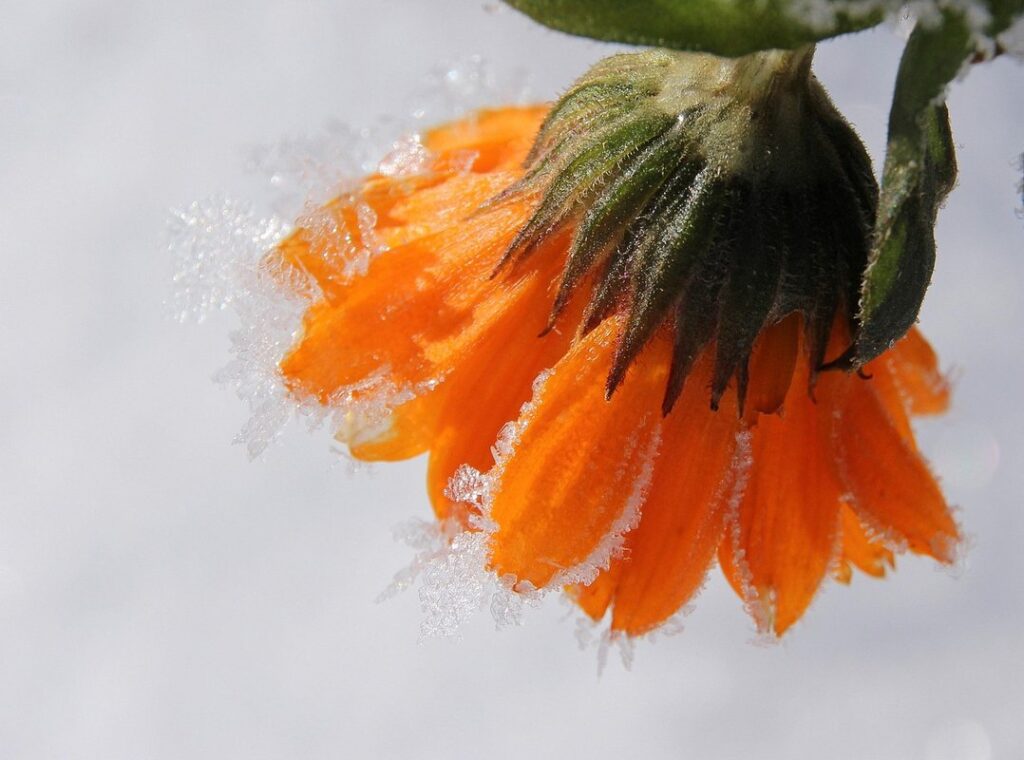
Marigolds are known for their resilience and ability to thrive in various conditions. However, they can be vulnerable to extreme weather conditions that may damage the plants or reduce their growth. Heavy rainfall can lead to root rot and waterlogged soil, while strong winds can cause damage to the stems and leaves. Frost can also be detrimental to marigolds, causing damage to the plant’s tissues and reducing its ability to photosynthesize.
To protect your marigolds from extreme weather conditions, you can take a few precautions. For heavy rainfall, ensure that your lanai has good drainage to prevent waterlogged soil. You can also install a rain cover or use a waterproof sheet to shield the plants from excessive rain. During strong winds, consider using windbreaks or trellises to provide support and protection for the stems.
It’s also essential to prepare your marigolds for frost by bringing them indoors or covering them with a layer of insulation material. You can also mulch around the base of the plants to insulate the soil and prevent damage from cold temperatures. By taking these measures, you can ensure that your marigolds continue to thrive next to your lanai even in extreme weather conditions.
How Marigolds Benefit Your Lanai’s Ecosystem
When it comes to lanai landscaping, marigolds offer a multitude of benefits for your ecosystem, from pest control to pollinator attraction. Let’s dive into these advantages in more detail.
Attracting Beneficial Insects
Marigolds are known for their vibrant flowers and ability to repel nematodes, but did you know that they also attract beneficial insects? These tiny visitors can pollinate your plants, serving as a natural aid for seed production, while also controlling pest populations. This dual benefit is one of the most valuable advantages of having marigolds next to your lanai.
One way marigolds attract these beneficial insects is through their bright, sunny flowers that provide nectar and pollen. These attract visitors like bees, butterflies, and lacewings, which are all crucial for pollination. In fact, studies have shown that areas with marigold plantings see a 40% increase in pollinator activity. This boost to your lanai’s ecosystem can lead to healthier plants and more productive gardening.
To encourage beneficial insects on your lanai, try planting marigolds among other flowers that also attract these visitors. Consider companion planting alongside herbs like basil or mint, which are natural insect magnets. Also, keep your lanai free from pesticides and herbicides to create a safe haven for these beneficial insects to thrive.
Enhancing Soil Health
Marigolds have long been celebrated for their vibrant blooms and pest-repelling properties, but they also play a crucial role in enhancing soil health next to your lanai. One of the key ways marigolds contribute to this is through their impressive root system – specifically, their deep taproots.
These taproots can extend several feet underground, breaking up compacted soil as they go and bringing essential nutrients to the surface. This process not only improves drainage but also allows other plants’ roots to grow deeper and wider, promoting a healthier ecosystem. By incorporating marigolds into your lanai’s garden, you’re essentially aerating the soil and giving it a natural boost of nutrients.
As a result, the surrounding plants will benefit from improved soil quality, leading to stronger growth and more vibrant blooms. It’s also worth noting that marigolds are drought-tolerant, which means they can thrive in areas with poor soil quality or limited water supply, making them an excellent choice for lanai gardens where resources might be scarce. By planting marigolds next to your lanai, you’re investing in a healthier, more resilient garden ecosystem.
Potential Problems and Precautions When Planting Marigolds Next to Lanai
While marigolds bring numerous benefits when planted next to lanai, there are also some potential issues to consider before making them a part of your outdoor space. We’ll explore these cautions here.
Allergies and Toxicity Concerns
When planting marigolds next to lanai, it’s essential to be aware of potential allergies and toxicity concerns associated with these vibrant flowers. Marigolds contain pyrethrins, a natural insecticide that can cause skin irritation, allergic reactions, or even respiratory issues in some individuals.
If you’re sensitive to pyrethrins or experience any discomfort after handling marigolds, take the following precautions:
* Wear protective gloves and eyewear when planting or pruning marigolds.
* Avoid touching your face or eyes after handling marigold plants or soil contaminated with pyrethrin residue.
* If skin irritation occurs, rinse the affected area with soap and water immediately.
Additionally, some marigold species contain saponins, a compound that can be toxic to pets if ingested in large quantities. Keep an eye on your furry friends when they’re around marigolds, and ensure they don’t eat any fallen leaves or flowers.
By taking these simple precautions, you can enjoy the many benefits of marigolds next to lanai while minimizing potential risks.
Protecting Nearby Plants from Competition
When planting marigolds next to lanai, it’s essential to consider the impact of competition between these two plants for water and nutrients. Marigolds are vigorous growers that can outcompete nearby plants if not managed properly. This can lead to a decline in the health and growth of other plants, resulting in an unbalanced ecosystem.
To protect nearby plants from competition, it’s crucial to ensure they receive adequate water and nutrient supply. One way to achieve this is by implementing a drip irrigation system that targets specific areas around lanai, reducing water wastage and preventing marigolds from competing for resources. You can also use mulch or compost around the base of lanai plants to retain moisture and provide essential nutrients.
Regular monitoring of both marigold and lanai plant health will help you identify any signs of competition. By taking proactive measures, such as adjusting watering schedules or providing supplemental fertilizers, you can maintain a balanced ecosystem that allows all plants to thrive. This way, you can enjoy the benefits of having marigolds next to lanai while protecting nearby plants from unwanted competition.
Frequently Asked Questions
Can I plant marigolds next to my lanai if it’s partially shaded?
Yes, you can still grow marigolds in partially shaded areas, but they might not bloom as vibrantly or produce as many flowers as those in full sun. Consider using a trellis or other support to maximize sunlight exposure.
How often should I water marigolds planted next to my lanai during extreme heat?
Water your marigolds regularly, especially during hot weather, to prevent soil drying out and promote healthy growth. Water them deeply once or twice a week, depending on the climate and soil type.
Are there any specific precautions I should take when fertilizing marigolds near other plants in my lanai area?
Yes, when fertilizing marigolds, use a balanced fertilizer that won’t burn nearby plants’ roots. Also, avoid overfertilizing, as this can damage the soil’s ecosystem and harm beneficial insects.
Can marigolds be grown in containers or pots next to my lanai, and what are some considerations?
Yes, you can grow marigolds in containers, but ensure they have good drainage holes to prevent waterlogged soil. Choose a container that is at least 6-8 inches deep to accommodate the marigold’s root system.
How do I protect marigolds from pests and diseases when growing them next to my lanai?
To minimize pest and disease issues, plant marigolds with companion plants like basil or mint, which can repel pests. Also, keep an eye out for signs of disease and treat promptly with organic fungicides or insecticidal soap if necessary.
Can I grow different varieties of marigold together next to my lanai, and are there any benefits to doing so?
Yes, you can grow different varieties of marigolds together, which can enhance pollination and create a more diverse ecosystem. Consider mixing tall and short varieties for visual interest and to attract various beneficial insects.