
Hibiscus flowers have been a source of fascination for many cultures around the world, not just because of their vibrant beauty but also due to their incredible diversity and functions. If you’re interested in learning more about these stunning plants, then this article is perfect for you! We’ll be delving into the fascinating world of hibiscus flowers, exploring their unique anatomy, which includes everything from the delicate petals to the sturdy stem. But that’s not all – we’ll also be discussing how pollination occurs in these beautiful blooms and why they’re culturally significant across many communities.
From a more practical perspective, we’ll discuss the environmental importance of hibiscus flowers, including their ability to support local wildlife and act as natural air purifiers. By understanding the various parts and functions of the hibiscus flower, you’ll gain a new appreciation for these incredible plants and perhaps even discover some uses that you never knew existed!
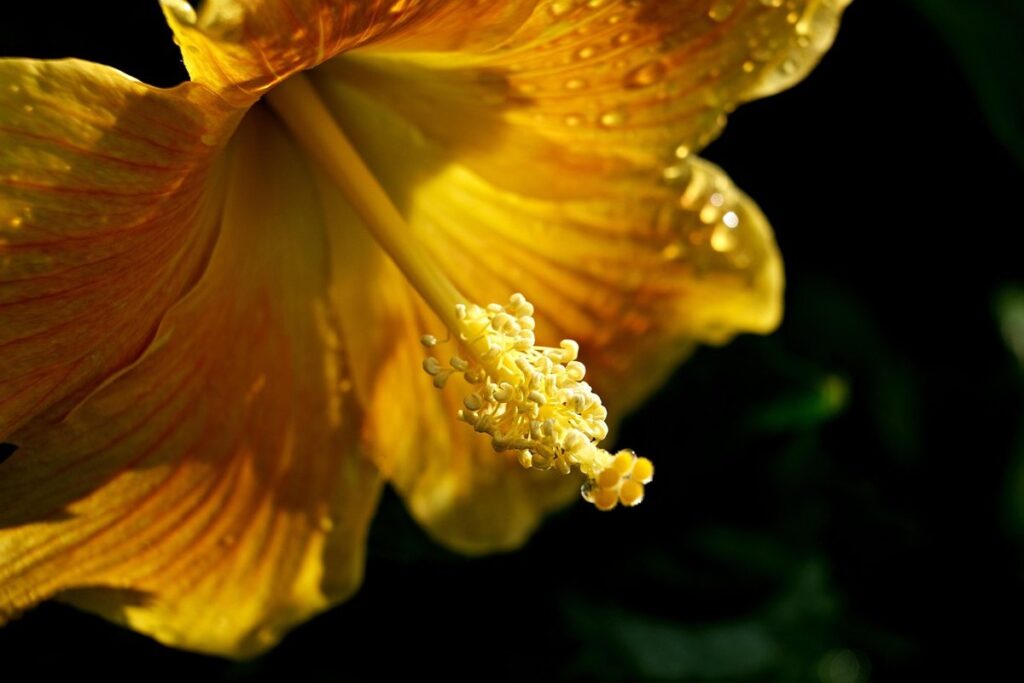
Understanding the Anatomy of Hibiscus Flowers
Let’s take a closer look at the intricate parts that make up a hibiscus flower, from the delicate petals to the reproductive centers. This detailed breakdown will give you a deeper appreciation for these stunning blooms.
Introduction to Hibiscus Flower Structure
The hibiscus flower’s unique structure is one of its most fascinating features. As a composite flower, it belongs to a group of plants that produce multiple types of flowers on the same stem. This classification explains why you often see hibiscus flowers with numerous smaller blooms clustered together, giving them their characteristic appearance.
This composite structure plays a significant role in the flower’s functions. The small, individual flowers within the cluster are actually composed of two different types: tubular flowers and strap-shaped ones. The tubular flowers serve as the reproductive organs, responsible for producing nectar that attracts pollinators like bees and butterflies. Meanwhile, the strap-shaped flowers provide support to the tubular ones and help maintain the flower’s overall shape.
Understanding this unique structure is essential if you’re looking to grow hibiscus plants effectively. By recognizing how these tiny flowers work together, you can appreciate their intricate role in attracting pollinators and ultimately producing those vibrant, large blooms we all love. Next, let’s explore the functions of each part more closely, including the stamens, pistils, and even the stem itself!
Key Components of Hibiscus Flowers: Petals, Sepals, and Stamen
When you examine a hibiscus flower closely, you’ll notice that it’s made up of several key components: petals, sepals, and stamen. These parts work together to attract pollinators, protect the reproductive organs, and facilitate seed production.
The showy petals are responsible for attracting pollinators like bees, butterflies, and hummingbirds. They come in a variety of colors and shapes, with each species boasting its unique combination. For example, the bright orange petals of Hibiscus coccineus attract hummingbirds, while the delicate pink petals of Hibiscus syriacus draw in bees.
The sepals, often mistaken for petals, play a crucial role in protecting the reproductive organs from damage and disease. They form a protective cup around the flower’s reproductive parts, ensuring their safety and promoting healthy seed production.
The stamen, composed of filaments and anthers, are responsible for producing pollen. This vital component is essential for fertilization to occur, leading to seed production. In essence, the petals lure in pollinators, while the sepals shield the reproductive organs, and the stamen produces the pollen needed for seed formation.
By understanding these key components of hibiscus flowers, you’ll appreciate their intricate beauty and importance in attracting pollinators and ensuring seed production.
Functions of Hibiscus Flowers: Pollination, Reproduction, and Seed Dispersal
Hibiscus flowers have evolved incredible mechanisms to ensure their survival, including pollination, reproduction, and seed dispersal processes that are essential for their growth and development.
These vital functions play a crucial role in the life cycle of hibiscus plants.
Attracting Pollinators: The Role of Nectar and Scent in Hibiscus Flowers
Hibiscus flowers have evolved to attract pollinators such as bees, butterflies, and hummingbirds through their nectar and scent production. These colorful flowers produce a large amount of nectar, which is rich in sugar and attracts a variety of pollinators. The scent of hibiscus flowers, particularly the sweet fragrance of the Hawaiian variety, also plays a crucial role in attracting pollinators.
As bees and butterflies visit the flower to feed on nectar, they inadvertently transfer pollen from one plant to another, facilitating the reproduction process. This mutualistic relationship between plants and pollinators is essential for the survival of both species. Without this process, hibiscus flowers would not be able to reproduce successfully.
To attract more pollinators to your hibiscus garden, try planting a mix of different varieties that bloom at various times. Also, avoid using pesticides, which can harm or repel pollinators. By creating a welcoming environment for these beneficial insects, you’ll not only ensure the health and productivity of your plants but also contribute to the local ecosystem’s biodiversity.
Reproduction and Seed Production in Hibiscus Flowers
Reproduction and seed production in hibiscus flowers is a fascinating process that showcases the intricate relationships between its various parts. When it comes to fertilization, hibiscus flowers rely on pollinators like bees, butterflies, and hummingbirds to transfer pollen from the anthers of one flower to the stigma of another. This crucial step triggers a series of biochemical reactions within the plant, ultimately leading to seed development.
As the ovules in the ovary receive pollen, they undergo fertilization, resulting in embryonic seeds. The ovary itself grows and matures, producing the fruit that will eventually contain the seeds. However, successful reproduction also depends on the flower’s shape and structure. The large, showy petals create a landing platform for pollinators, while the stamens provide the necessary pollen source.
To encourage healthy seed production in your hibiscus plants, ensure they receive adequate light, water, and nutrients. Deadheading spent flowers can also stimulate additional blooms and increase the chances of successful fertilization. By understanding the intricate mechanisms behind hibiscus flower reproduction, you’ll be better equipped to care for these beautiful plants and appreciate their unique characteristics.
Economic and Cultural Significance of Hibiscus Flowers
Hibiscus flowers have been a vital part of many cultures for centuries, not only adding beauty to gardens but also holding significant economic value. Let’s dive into their fascinating cultural and economic importance.
Culinary Uses of Hibiscus: Tea, Jam, and More
Hibiscus flowers have been a staple ingredient in various cuisines worldwide for centuries. One of the most popular uses of hibiscus is in tea form, where it’s steeped in hot water to create a caffeine-free beverage rich in vitamins and minerals. This refreshing drink is a staple in many African and Asian cultures, often enjoyed as a relaxing afternoon pick-me-up or as a digestive aid after meals.
In addition to its soothing qualities, hibiscus flowers are also used to make jams, sauces, and chutneys that add a burst of flavor to various dishes. For example, Mexican cuisine features a sweet and tangy hibiscus jam called “jamaica,” often paired with grilled meats or as a topping for yogurt or ice cream. Similarly, Indian chefs use hibiscus flowers to create a spicy and sour chutney that complements the rich flavors of curries.
These culinary products not only add flavor to meals but also contribute significantly to local economies. In many communities, small-scale farmers cultivate hibiscus flowers as a cash crop, providing an alternative source of income for rural families. By supporting local artisans who produce hibiscus-based goods, consumers can help preserve traditional practices while promoting sustainable livelihoods.
Cosmetic and Medicinal Applications of Hibiscus
Hibiscus extracts have been increasingly incorporated into various cosmetic products due to their potential benefits for the skin. These extracts are rich in antioxidants, which help neutralize free radicals and reduce oxidative stress. As a result, hibiscus-based creams and lotions can provide anti-aging properties, such as reducing fine lines and wrinkles. Moreover, the astringent properties of hibiscus make it an effective ingredient in soaps for controlling acne and balancing skin pH.
In traditional medicine, hibiscus flowers and leaves are used to treat various ailments, including high blood pressure, diabetes, and digestive issues. The flowers contain anthocyanins, which have been shown to help lower cholesterol levels and reduce inflammation. Hibiscus tea, made by infusing dried flowers in hot water, is a popular remedy for digestive problems, such as constipation and bloating.
When using hibiscus extracts or tea for medicinal purposes, it’s essential to consult with a healthcare professional first, especially if you have any underlying health conditions or are taking medication. Additionally, consider combining hibiscus with other natural remedies to enhance its effects. For instance, pairing hibiscus with turmeric can boost anti-inflammatory properties and provide relief from joint pain.
Environmental and Ecological Importance of Hibiscus Flowers
Hibiscus flowers play a vital role in supporting local ecosystems, providing habitat for pollinators and serving as a food source for various wildlife species. They’re also used to maintain soil quality and prevent erosion.
Habitat Creation and Ecosystem Support by Hibiscus Plants
Hibiscus plants are not only stunning additions to gardens and landscapes but also play a vital role in supporting local ecosystems. These beautiful flowers serve as a habitat for various species of birds, insects, and even small mammals. The large, showy blooms attract pollinators like bees, butterflies, and hummingbirds, which transfer pollen between flowers, facilitating the reproductive process.
In addition to providing food and shelter for wildlife, hibiscus plants also support biodiversity by creating microhabitats within their sprawling roots and leaf litter. This diversity of microhabitats allows a range of organisms to coexist, from beneficial insects like ladybugs and lacewings to small reptiles and amphibians.
To incorporate hibiscus into your ecosystem support efforts, consider the following tips:
• Plant native species in clusters or groups to maximize habitat creation.
• Leave a portion of your garden unmanicured with leaf litter intact to provide shelter for wildlife.
• Incorporate other pollinator-friendly plants alongside hibiscus to create a diverse and thriving ecosystem.
By recognizing the importance of hibiscus as both an ornamental plant and a vital component of local ecosystems, you can take action to preserve biodiversity in your own garden or community.
Water Conservation through Hibiscus Plants
When it comes to conserving water, few plants are as efficient as hibiscus. These tropical flowers have adapted to thrive in environments with minimal rainfall, making them an ideal choice for water-conscious gardeners and landscapers. Hibiscus plants are renowned for their remarkable drought tolerance, capable of surviving without irrigation for extended periods.
In fact, hibiscus is a staple in xeriscaping – a water-efficient landscaping method that relies on low-maintenance, drought-tolerant plants to reduce water consumption. By incorporating hibiscus into your garden design, you’ll not only save precious water but also minimize the need for fertilizers and pesticides.
Using water-efficient plants like hibiscus has numerous environmental benefits. For one, it reduces the strain on municipal water supplies, alleviating pressure on local aquifers and minimizing waste. Moreover, by reducing the amount of water used in gardening, we decrease the energy required to treat, transport, and pump water – a significant contributor to greenhouse gas emissions.
By incorporating hibiscus into your garden or landscape, you’ll be contributing to a more sustainable future while enjoying the beauty and benefits these incredible flowers have to offer.
Hibiscus Cultivation: Tips and Best Practices for Gardeners
Growing hibiscus flowers can be a rewarding experience, especially when you’re aware of the right tips and best practices to cultivate these beautiful blooms in your garden. Let’s dive into some essential cultivation techniques.
Choosing the Right Variety for Your Climate and Space
When it comes to growing hibiscus flowers, choosing the right variety for your local climate and available space is crucial. With over 200 species to choose from, selecting the perfect type of hibiscus can be overwhelming.
First, consider your local climate. Some hibiscus varieties are more tolerant of heat and humidity than others. For example, the tropical hibiscus (Hibiscus rosa-sinensis) is well-suited for warm climates with high temperatures and humidity levels. On the other hand, the hardy hibiscus (Hibiscus moscheutos) can thrive in cooler temperate climates with moderate temperatures.
Next, think about the available space you have for your hibiscus plant. If you live in a small garden or patio, consider compact varieties like ‘Thumbelina’ or ‘Red Star’. These plants are perfect for container gardens and don’t require much space to grow. In contrast, larger varieties like ‘Lady Baltimore’ or ‘Cranberry Crush’ need more room to spread out.
To ensure proper care for your hibiscus plant in various environments, make sure to research the specific needs of your chosen variety. This may include adjusting watering schedules, pruning habits, and fertilization routines based on your local climate and available space.
Maintaining Healthy Hibiscus Plants through Regular Care
As you’ve learned about the different parts of hibiscus flowers, it’s essential to understand that proper care is crucial for their optimal growth and development. Maintaining healthy hibiscus plants requires regular attention to their nutritional needs, pruning, and pest management.
Fertilization plays a vital role in hibiscus plant health. Feed your hibiscus plants with a balanced fertilizer during the growing season (spring-fall), following the manufacturer’s instructions for application rates. A 10-10-10 NPK ratio is ideal for most varieties. For more robust growth, consider adding magnesium and iron supplements to their diet.
Regular pruning helps control plant size, promote new growth, and prevent diseases. Remove dead flowers to encourage repeat blooming, and trim back leggy stems to maintain a bushy shape. Prune your hibiscus plants at least once a year, but ideally every 2-3 months during the growing season. Keep an eye out for pests like aphids, whiteflies, and mealybugs, which can be controlled with neem oil or insecticidal soap. Regular care will reward you with vibrant blooms and a thriving hibiscus plant that brings joy to your garden.
Common Pests and Diseases Affecting Hibiscus Plants
As a hibiscus enthusiast, you’re likely to encounter some common pests and diseases that can affect your beautiful blooms. Let’s explore what to look out for.
Identifying and Managing Common Pest Issues in Hibiscus
Hibiscus plants are not only beautiful to look at but also vulnerable to various pests that can cause damage and affect their growth. Among the most common pests affecting hibiscus plants are aphids, whiteflies, and spider mites. These tiny insects feed on the plant’s sap, causing curled or distorted leaves, stunted growth, and reduced flower production.
To manage these issues, integrated pest management (IPM) techniques come into play. Start by inspecting your plant regularly for signs of infestation. Look for sticky honeydew droplets on the leaves or stems, which can attract ants and promote fungal growth. Isolate infected plants to prevent the pests from spreading to other hibiscus plants in the area.
Use neem oil or insecticidal soap to control aphids and whiteflies. For spider mites, spray a mixture of water and mild dish soap directly on the affected areas. Encourage natural predators like ladybugs and lacewings by planting nectar-rich flowers nearby. Keep your hibiscus plants healthy through regular watering, fertilizing, and pruning to prevent pest infestations in the first place. By adopting these simple yet effective strategies, you can protect your beloved hibiscus from common pests and maintain their beauty for years to come.
Understanding and Preventing Hibiscus Diseases
As we delve into the fascinating world of hibiscus flowers, it’s essential to acknowledge that these beautiful plants are susceptible to various diseases. Hibiscus plants can be affected by several common diseases, including root rot, leaf spot, and powdery mildew.
Root rot is often caused by overwatering, which leads to fungal growth in the roots. To prevent this condition, ensure good drainage and avoid watering your hibiscus plant at night. Leaf spot diseases, such as anthracnose, are usually triggered by high humidity and excess moisture on the leaves. Regularly inspect your plants for signs of leaf spot and remove any infected areas to prevent further damage.
Powdery mildew is another prevalent disease affecting hibiscus plants. It appears as a white or grayish powdery coating on the leaves and can be caused by various factors, including high temperatures and low humidity. To combat this condition, use neem oil or sulfur-based fungicides. Remember to always opt for organic methods whenever possible.
Preventing these diseases is key to maintaining healthy hibiscus plants. Here are some general tips:
• Provide optimal sunlight (at least 4-6 hours of direct sunlight) and water your plant sparingly but consistently.
• Use a well-draining potting mix to prevent root rot.
• Avoid over-fertilizing, as this can lead to weakened immunity.
• Regularly inspect your plants for signs of disease or pests.
Frequently Asked Questions
How can I cultivate hibiscus flowers for maximum water conservation?
Cultivating hibiscus plants is a great way to support local wildlife and reduce your water footprint. To maximize water conservation, ensure your hibiscus plant receives at least 6 hours of direct sunlight per day. Water sparingly, as these drought-tolerant plants can thrive with minimal watering. Mulch around the base to retain moisture and suppress weeds.
What are some common pests and diseases that affect hibiscus plants?
Common issues include aphids, whiteflies, and spider mites. Regular inspection and maintenance practices can help prevent infestations. Use neem oil or insecticidal soap for pest control. Fungal diseases like powdery mildew and root rot require prompt attention to prevent spread.
Can hibiscus flowers be used for medicinal purposes?
Yes. Hibiscus flowers have been traditionally used in various cultures for their antiseptic, anti-inflammatory, and antioxidant properties. Use dried or fresh flowers to make tea, which can help lower blood pressure and cholesterol levels.
How do I choose the right variety of hibiscus for my climate and space?
Consider factors like temperature tolerance, mature size, and growth habits when selecting a hibiscus variety. Research local hardiness zones to ensure your chosen variety is suitable for your area. Also, consider companion planting and pruning requirements.
Can hibiscus plants be used as natural air purifiers in homes or offices?
Yes. Hibiscus flowers have been shown to absorb pollutants like heavy metals and volatile organic compounds (VOCs). Use potted hibiscus plants indoors to improve indoor air quality, particularly in areas with poor ventilation.