
Growing your own baby fig tree can be a rewarding experience for anyone, but knowing where to start can be overwhelming. Fig trees are ideal for warm climates, which makes them perfect for gardeners in regions with mild winters and hot summers. However, even in cooler areas, you can still grow a thriving fig tree if you choose the right variety. In this comprehensive guide, we’ll walk you through everything you need to know about growing a baby fig tree, from selecting the perfect climate to pruning techniques that will keep your tree healthy and productive. By following our advice, you’ll be well on your way to enjoying delicious homegrown figs in no time!
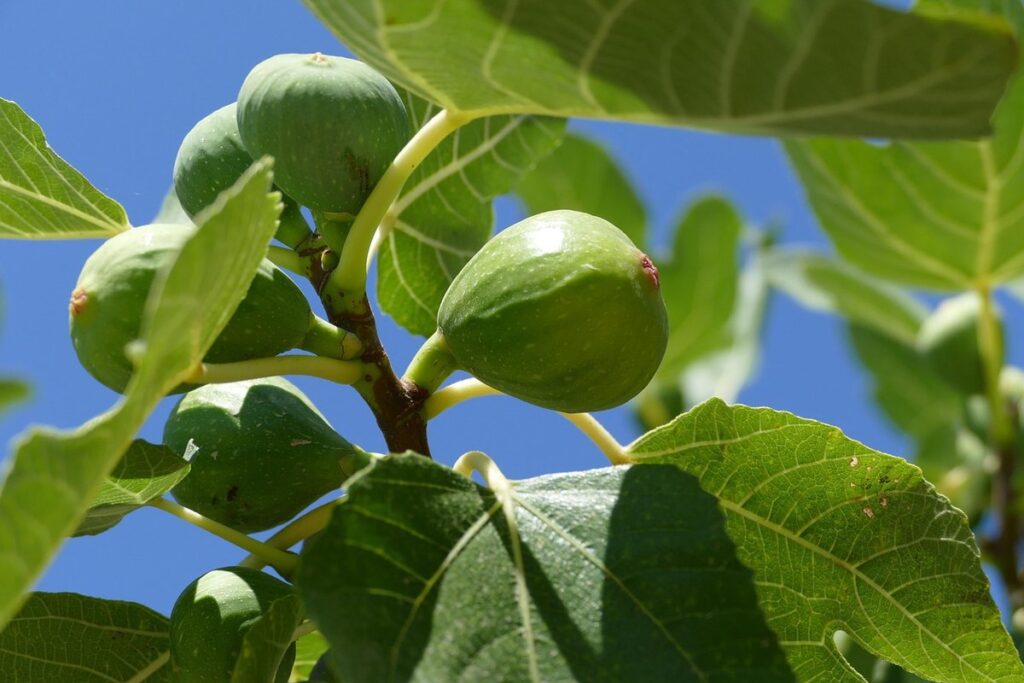
Choosing the Right Variety
When selecting a baby fig tree, it’s essential to choose a variety that thrives in your specific climate and meets your desired needs for fruit production. This section will guide you through the process of making an informed decision.
Selecting a Suitable Climate
When selecting a suitable climate for your baby fig tree, it’s essential to consider the ideal temperature requirements and frost tolerance. Fig trees generally thrive in regions with mild winters and hot summers. In areas with moderate temperatures between 64°F and 90°F (18°C and 32°C), fig trees can grow abundantly.
However, if you live in an area prone to frost, you’ll need to choose a variety that’s more tolerant of cooler temperatures. Some popular fig tree varieties that excel in colder climates include ‘Brown Turkey’ and ‘Violette de Bordeaux’. These varieties can tolerate light frosts down to 20°F (-7°C) and 10°F (-12°C), respectively.
For warmer climates, you may want to consider ‘Celeste’, which can thrive in temperatures up to 100°F (38°C). If you live in a region with very hot summers, it’s crucial to provide your fig tree with adequate shade and water to prevent scorching. Be sure to research the specific climate requirements for the variety you choose to ensure optimal growth and health.
Considering Soil Type and pH
When growing a baby fig tree, it’s essential to consider the type of soil you’re working with and its pH level. Soil type can significantly impact the growth and health of your fig tree. Clay soils, for instance, retain too much water, which can lead to root rot and other issues. On the other hand, sandy soils drain water quickly, but may lack essential nutrients.
Loam soils, a mix of clay, sand, and organic matter, are often considered ideal for fig trees as they provide good drainage and retain moisture. If you’re unsure about your soil type, perform a simple test by digging a small hole and observing how it holds together when squeezed – if it sticks together easily, it’s likely clay; if it crumbles quickly, it’s probably sand.
The optimal pH range for fig trees is between 6.0 and 7.0, slightly acidic to neutral. Soil pH can be tested using a DIY kit or by sending a sample to a lab. If your soil pH is outside this range, consider adjusting it with organic matter like compost or peat moss. This will help create an environment where your baby fig tree can thrive.
Preparing the Planting Site
Before you can start planting your baby fig tree, it’s essential to prepare the site by ensuring optimal growing conditions and avoiding common mistakes that can hinder its growth. This crucial step sets the foundation for a healthy and thriving tree.
Planning the Location
When planning to grow a healthy baby fig tree, one of the most crucial decisions you’ll make is choosing the right location. Fig trees thrive in areas with full sun to partial shade, but it’s equally important to ensure that the spot receives adequate air circulation. This might seem like a no-brainer, but many gardeners overlook this aspect and end up with weak or diseased trees.
To assess your planting site’s potential for air circulation, take note of the surrounding environment. Are there any nearby structures, such as buildings or trees, that could potentially block airflow? Make sure to plant your fig tree at least 15-20 feet away from any obstructions. If you’re dealing with a smaller space, consider pruning nearby plants or installing a trellis to provide extra clearance.
Drainage is another key factor to consider when planning the location of your baby fig tree. Fig trees hate waterlogged soil, which can lead to root rot and other problems. To improve drainage in your planting site, you can add organic matter like compost or well-rotted manure to the soil. This will help the soil drain excess water more efficiently, keeping your roots happy and healthy.
Soil Preparation and Amendment
Before planting your baby fig tree, it’s essential to prepare the soil properly. This involves testing the pH levels, removing weeds, and adding organic matter to create a nutrient-rich environment for your tree to thrive.
To start, test your soil pH using a DIY kit or send a sample to a lab for analysis. Most fruit trees prefer a slightly acidic to neutral soil pH between 6.0 and 7.0. If your soil is too alkaline or acidic, amend it accordingly with lime or sulfur.
Next, remove weeds by hand-pulling or using a tool like a weeding fork. This will prevent competition for nutrients and water. Add organic matter like compost or well-rotted manure to improve soil structure and fertility. You can also mix in a balanced fertilizer (e.g., 10-10-10 NPK) according to the manufacturer’s instructions.
When selecting amendments, consider using natural products that are slow-release and won’t burn your tree’s roots. Some examples include fish emulsion, bone meal, or alfalfa meal. Remember to apply them at the right time, such as during the growing season (spring-fall) when your fig tree is actively producing new growth.
Planting the Baby Fig Tree
When planting a baby fig tree, it’s essential to choose a location with full sun and well-draining soil to ensure healthy growth from the start. Let’s dive into the process of getting your new sapling off to a great start!
Handling and Planting
When transporting your baby fig tree to its new home, handle it with care to prevent damage and shock. Start by gently removing the tree from its container or bag, taking note of the root system. If the roots are circling or growing out of the pot, consider gently teasing them apart with a blunt instrument like a chopstick.
During transportation, keep the tree upright and secure in a sturdy box or bag to prevent it from toppling over. Avoid exposing the tree to direct sunlight, high winds, or extreme temperatures, which can cause stress and damage.
When planting your baby fig tree, dig a hole that is about twice as wide and just as deep as the root system. Place the tree in the center of the hole, making sure the graft union (if applicable) is above the soil level. Space multiple trees 10 to 15 feet apart, depending on their mature size.
Finally, mulch around the base of the tree to retain moisture, suppress weeds, and regulate soil temperature. Apply a 2-3 inch layer of organic mulch like wood chips or bark, keeping it a few inches away from the trunk.
Watering and Irrigation Systems
When it comes to young fig trees, proper watering habits are crucial for their establishment and growth. Over-watering can lead to root rot, while under-watering can cause stress and stunted development. Consistency is key, so it’s essential to understand the tree’s water requirements.
Let’s talk about irrigation systems that conserve water while ensuring consistent moisture levels around your baby fig tree. Drip irrigation is an excellent option, as it delivers water directly to the roots, reducing evaporation and runoff. This method also helps prevent fungal diseases by keeping the leaves dry. Another effective solution is soaker hoses, which slowly release water as the tree needs it.
Consider installing a rain sensor that automatically adjusts watering schedules based on rainfall. This smart technology can save you time and ensure your tree receives just the right amount of moisture. Remember to water during the cooler part of the day or evening, allowing the soil to absorb the water before nightfall. By implementing these irrigation strategies, you’ll give your baby fig tree a solid foundation for healthy growth.
Caring for Your Baby Fig Tree
Now that you’ve successfully propagated your baby fig tree, it’s time to focus on providing the right care to ensure it thrives and grows strong. This section covers essential tips for nourishing and protecting your young tree.
Nutrient Requirements and Fertilization
As you care for your baby fig tree, it’s essential to provide it with the right balance of nutrients for healthy growth and development. Fig trees are heavy feeders and require a combination of macronutrients like nitrogen (N), phosphorus (P), and potassium (K) to support their rapid growth.
To determine your fig tree’s specific nutrient requirements, consider its age: young trees need more phosphorus to promote root development, while established trees benefit from more potassium for fruit production. Additionally, micronutrients like magnesium, zinc, and boron play a crucial role in maintaining optimal plant health.
A well-balanced fertilizer can provide these essential nutrients. Look for a product with a balanced N-P-K ratio (e.g., 10-10-10) or follow the manufacturer’s recommendations for your specific fig tree variety. Fertilize young trees every 2-3 months during the growing season, and established trees every 4-6 weeks. Keep in mind that over-fertilization can harm your tree, so monitor its response to adjustments in nutrient intake.
Pest and Disease Management
As a fig tree parent, it’s essential to be aware of common pests and diseases that can affect your baby fig tree. Aphids and whiteflies are two notorious pests that love to feed on the sap of young leaves and stems, causing curled or distorted growth. These tiny insects can multiply quickly, so keep an eye out for their presence.
Root rot is another concern for fig trees, caused by overwatering or poor drainage. To prevent this, make sure your tree’s soil isn’t waterlogged, and avoid getting water on the leaves to minimize fungal growth. Powdery mildew is a common disease that appears as a white, powdery coating on leaves. Use neem oil or insecticidal soap to control outbreaks.
For integrated pest management (IPM), try combining physical barriers with organic treatments like neem oil or pyrethrin spray to deter pests. Encourage beneficial insects like ladybugs and lacewings by planting companion plants nearby, such as marigolds or nasturtiums. By being proactive and monitoring your tree regularly, you’ll catch any issues early on and keep your baby fig tree healthy and thriving.
Pruning and Training
To keep your baby fig tree healthy and thriving, proper pruning and training are essential. Learn how to shape its branches and promote strong growth.
Initial Pruning
When it comes to growing a healthy baby fig tree, pruning plays a crucial role in establishing a strong structure and promoting healthy growth. Pruning your young fig tree during its early stages is essential for several reasons. Firstly, it helps remove any dead or damaged branches that can attract pests and diseases, which can harm the tree’s overall health.
To begin with, inspect your baby fig tree for any dead wood, weak branches, or crossing branches. Remove these immediately to prevent them from causing further damage. Cut off any dead branches at a 45-degree angle, making sure not to leave any stubs that can become entry points for diseases. For crossing branches, cut one of the two branches off to allow air and sunlight to reach other parts of the tree.
When shaping your fig tree, consider its natural growth habit and prune accordingly. Remove any lower branches that are rubbing against the trunk or growing inward. Prune the top of the tree to encourage a central leader or a strong main branch. Regular pruning will help control the tree’s size, promote healthy growth, and ensure it develops into a robust and vigorous plant.
Training Systems and Support
As your baby fig tree grows, it’s essential to provide it with the right training systems and supports to control its size while maximizing fruit production. One popular method is espalier training, where the tree is trained to grow against a wall or trellis using wires or clips. This technique not only saves space but also encourages horizontal growth, promoting even ripening of fruit.
Another option is to use a trellis system, which provides support for the tree’s main stem and branches. Stakes can be used to secure the tree during its early growth stages, helping it develop a strong root system. When choosing stakes, make sure they’re around 6-8 feet tall and driven into the ground at an angle to prevent them from toppling over.
To begin training your baby fig tree, start by installing a sturdy trellis or support system when it’s still young, ideally within its first year of growth. Secure the main stem with stakes, making sure they’re not too tight, which can damage the bark. As the tree grows, gently prune and train the branches to maintain an open center structure. This will help promote air circulation, reduce disease susceptibility, and encourage fruiting.
Common Challenges and Troubleshooting
Don’t worry if things aren’t going as planned – we’ll walk you through some common challenges that may arise when growing a baby fig tree, along with solutions to get your tree back on track.
Addressing Environmental Stressors
When growing a baby fig tree, it’s essential to consider the environmental stressors that can impact its health. Extreme temperatures, droughts, and even humidity fluctuations can cause damage to your young tree.
Proper planning is key to mitigating these effects. Before planting, research the average temperature range for your area and choose a location with adequate sunlight but protection from harsh winds. Be mindful of your region’s climate patterns, such as frost or heatwaves, which may require additional care.
To adapt to drought conditions, water your tree regularly during dry spells, but avoid overwatering, which can be detrimental. Mulching around the base helps retain moisture and regulates soil temperature.
Monitoring your tree’s response to environmental changes is also crucial. Observe its leaves for signs of stress, such as yellowing or drooping, and adjust your care routine accordingly. With attention to these details, you can create a thriving environment for your baby fig tree to grow strong and healthy.
Identifying Pests and Diseases
As you care for your baby fig tree, it’s essential to keep an eye out for common pests and diseases that can affect its health. Regular monitoring will help you detect issues early on, allowing for prompt treatment and minimizing damage.
Some signs of pest infestation include tiny eggs, larvae, or actual insects like aphids, whiteflies, or mealybugs. These unwanted guests can cause curled or distorted leaves, sticky honeydew droplets, or even webbing around the tree’s stems and branches. To inspect your tree thoroughly, gently lift up large leaves to check for pests on the undersides.
Diseases, such as root rot, leaf spot, or powdery mildew, can also affect fig trees. Be aware of fungal growths or unusual color changes in leaves, which may indicate a disease issue. For example, yellowing or droopy leaves could be a sign of overwatering, while black spots on the leaves may indicate a fungal infection.
To prevent further damage, promptly treat infested areas with neem oil or insecticidal soap. If you suspect root rot, reduce watering and repot your tree in fresh soil to improve drainage.
Harvesting Your Fig Tree
Now that your baby fig tree is established, it’s time to start harvesting its delicious fruit. This section will walk you through the steps for picking and enjoying your homegrown figs.
When to Expect Fruit Production
When you’ve successfully cared for your baby fig tree and it’s reached maturity, you’re probably eager to harvest its first crop. But when can you expect that to happen? The good news is that fig trees are relatively fast-producing compared to other fruit-bearing trees.
The typical time frame for a baby fig tree to produce its first crop is around 3-5 years after planting, but this can vary depending on factors like climate and soil quality. In ideal conditions with plenty of sunlight, warmth, and well-draining soil, your fig tree may be ready to yield fruit as early as 2 years.
On the other hand, if your tree is exposed to harsh weather conditions or suffers from nutrient deficiencies, it may take longer for it to produce its first crop. To encourage healthy growth and fruit production, make sure to provide your fig tree with consistent moisture levels, a balanced fertilizer regimen, and regular pruning to maintain its shape and promote air circulation.
Proper Harvesting Techniques
When it’s time to harvest your baby fig tree, you’ll be eager to enjoy the sweet taste of fresh figs. To ensure you get the most out of your tree and minimize damage, follow these best practices for harvesting.
To select ripe fruit, gently twist or pull the fig away from the tree. If it comes off easily, it’s likely ready to eat. Ripe figs will be slightly soft to the touch but still firm enough to hold their shape. Avoid squeezing them too hard, as this can bruise the skin and lead to spoilage.
For optimal flavor and texture, pick your figs in the morning after a cool night. This is when the sugars are at their peak. To harvest dried figs, wait until the fruit has turned brown or dark yellow. Cut off the stem end and place the fig on its side on a baking sheet lined with parchment paper.
Minimizing damage during collection will help your tree stay healthy. Use clean hands to avoid transferring bacteria to the delicate skin of the fruit. Avoid pulling too hard, as this can break branches or even knock the entire branch off the tree.
Frequently Asked Questions
How do I determine if my area is suitable for a baby fig tree?
If you live in an area with mild winters and hot summers, your climate is likely ideal for growing a baby fig tree. However, if you experience frequent frosts or have extreme temperature fluctuations, choose a more tolerant variety like ‘Brown Turkey’ or research microclimates within your region to find areas that offer the necessary conditions.
Can I grow a baby fig tree in containers?
Yes, fig trees can thrive in containers, but ensure the container is at least 14-16 inches deep and has good drainage. Use a well-draining potting mix and fertilize regularly. Keep in mind that container-grown fig trees may require more frequent watering and protection from extreme temperatures.
How do I know when to prune my baby fig tree?
Prune your baby fig tree during its dormant season (winter or early spring) to promote healthy growth, encourage fruiting, and maintain a desired shape. Remove any dead, diseased, or damaged branches, and thin out the center of the tree to allow for air circulation.
What are some common pests that affect baby fig trees?
Common pests like aphids, whiteflies, and scale can harm your baby fig tree. Regularly inspect your tree, especially during peak growing seasons. Use organic or integrated pest management methods whenever possible, and consider introducing beneficial insects like ladybugs to control aphid populations.
Can I propagate my baby fig tree through cuttings?
Yes, you can propagate a baby fig tree using stem cuttings in the summer or fall. Take 6-8 inch stem sections with at least two nodes, remove lower leaves, and dip the cut end into rooting hormone. Plant the cutting in well-draining soil, keep it moist, and provide adequate light until roots develop.