
If you’re a blueberry farmer or enthusiast, you know how frustrating it can be to deal with bird damage. Those pesky birds can destroy your crop in no time, leaving you with nothing but a handful of berries. But what if I told you there’s a simple solution to this problem? Blueberry netting is the answer to reducing bird damage, increasing crop yields, and saving you money in the long run.
In this article, we’ll delve into the world of blueberry netting and explore its benefits. You’ll learn about the different types of materials used for netting, how to properly install it around your bushes, and maintenance tips to ensure it lasts all season. We’ll also discuss the cost-effectiveness of using netting compared to other methods of protecting your crop. By the end of this article, you’ll be equipped with the knowledge to start protecting your blueberries from bird damage today!
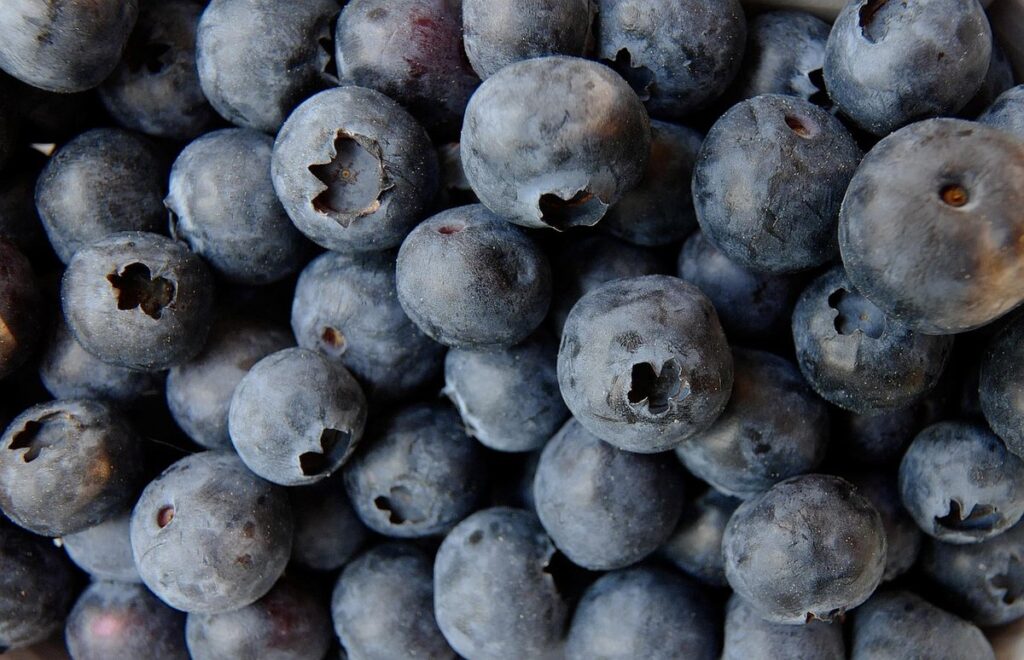
What is Blueberry Netting?
Blueberry netting is a simple yet effective solution for protecting your bushes from common pests and diseases, but what exactly is it?
It’s a lightweight mesh material that allows air and water to reach your blueberries while keeping unwanted visitors out.
Definition and Purpose
Blueberry netting is a crucial tool for blueberry farmers and gardeners alike. At its core, it’s a lightweight mesh material that provides a physical barrier between the delicate blueberry plants and potential threats such as pests, diseases, and environmental stressors. The primary purpose of blueberry netting is to protect the fruiting branches from damage caused by birds, squirrels, and other small animals.
But blueberry netting serves another vital function: it also helps regulate air circulation around the plants. This is especially important for blueberries, as they are susceptible to fungal diseases that thrive in humid environments. By allowing air to circulate freely through the mesh, blueberry netting helps maintain a healthy balance of moisture and reduces the risk of disease.
When selecting a blueberry netting system, consider factors such as mesh size, durability, and ease of installation. A 1-inch by 1-inch mesh is typically recommended for blueberries, as it allows sufficient air circulation while preventing pests from accessing the fruit.
Types of Blueberry Netting Materials
Blueberry netting is typically made from durable materials such as polypropylene and polyester. These synthetic fabrics are chosen for their high tensile strength, resistance to wear and tear, and ability to withstand harsh weather conditions. Polypropylene nets, for instance, are often preferred due to their lightweight yet robust nature, making them easy to install and transport.
On the other hand, polyester netting is a popular choice among growers due to its increased durability and longer lifespan compared to polypropylene. However, it tends to be slightly heavier, which can affect the ease of installation. When selecting blueberry netting materials, consider the specific needs of your plants, climate, and region. For example, in areas prone to high winds or heavy rainfall, a polyester-based net might provide better protection for your crop.
When purchasing blueberry netting, be sure to check the material’s mesh size, as this will affect airflow and pest management within your orchard. A smaller mesh size can prevent pests from reaching your plants, but may also restrict air circulation.
Advantages of Using Blueberry Netting
Now that you know how blueberry netting can help improve pollination, let’s dive into its advantages and see just how much it can boost your harvest.
Reduced Bird Damage
Using blueberry netting can significantly reduce bird damage to crops. Birds like robins, starlings, and finches are particularly problematic for blueberry farmers, as they love the sweet berries and will often eat through entire patches in a single night. In fact, it’s estimated that birds can account for up to 20% of total crop loss in some areas.
To minimize bird damage, consider installing netting that is at least 10 feet high to prevent larger birds from flying over. You can also use a double layer of netting, with the second layer placed closer to the plants, to deter smaller birds that can squeeze through small openings. For added effectiveness, install the netting in late spring or early summer when berries are ripe and most attractive to birds.
When choosing blueberry netting, look for durable materials like polypropylene or polyester that will withstand the elements and repeated use. By taking these simple steps, you can protect your crop from bird damage and enjoy a healthier, more bountiful harvest.
Increased Crop Yield
Using blueberry netting can have a significant impact on increasing crop yields. One of the primary reasons for this is the reduction in losses due to pests and diseases. By creating a barrier around your blueberry bushes, you’re protecting them from unwanted visitors that can cause damage and reduce fruit production.
For example, birds are known to be a major problem for blueberry farmers, causing an estimated 20-30% loss of crops annually. Blueberry netting provides a physical barrier that prevents these pests from accessing the fruit, thereby reducing losses and allowing your plants to produce more.
In addition to protecting against birds, blueberry netting can also help prevent damage from other pests like insects and small mammals. By keeping these pests at bay, you’re creating an environment where your plants can thrive and produce more fruit.
To maximize the benefits of using blueberry netting, make sure to install it early in the growing season and maintain it regularly throughout the year. This will ensure that your plants remain protected from pests and diseases, leading to increased crop yields and a healthier harvest.
How to Install Blueberry Netting
Installing blueberry netting can seem daunting, but with these simple steps, you’ll be protecting your plants from birds and pests in no time. This guide will walk you through a straightforward installation process.
Preparing the Area
Before installing blueberry netting, it’s essential to prepare the area where it will be placed. Start by clearing the space of any debris, such as sticks, leaves, and weeds. This will prevent damage to the netting during installation and ensure a smooth, even surface.
To level the ground, check for any uneven patches or dips. If necessary, rake the soil to create a uniform surface. For blueberry plants grown in raised beds, make sure the bed is at least 6-8 inches deep to accommodate the root system. This will also provide adequate support for the netting installation.
Once the area is clear and level, inspect the surrounding ground for any potential hazards, such as rocks or underground utilities. If you’re installing netting around individual plants, create a radius of about 2-3 feet around each plant to allow for easy access and ensure the netting isn’t constricted.
Clearing and leveling the area will provide a stable foundation for your blueberry netting installation, ensuring it can effectively protect your plants from pests and diseases while promoting healthy growth.
Installing the Netting Frame
Installing a sturdy frame is crucial to ensure that your blueberry netting stays in place and effectively protects your crop. Begin by selecting suitable materials for the frame, such as durable PVC pipes or wooden poles. When choosing the size of the frame, consider the diameter of your plant’s spread and leave enough space for growth.
To assemble the frame, follow these steps: start with the corners, securing them firmly to prevent sagging. Use wire or string to connect the corners, ensuring a square shape. Next, attach additional supports along the length of the frame, spacing them evenly apart. Make sure they are securely fastened to prevent any movement.
When placing the netting over the frame, begin at one corner and work your way around the entire structure, securing it in place with clips or ties. Be careful not to stretch or distort the net during installation.
Maintenance and Upkeep of Blueberry Netting
To keep your blueberry netting in top condition, regular maintenance is crucial to ensure it remains effective and lasts for years to come. We’ll walk you through simple upkeep tips inside.
Regular Inspections
Regular inspections are crucial to maintaining the integrity of your blueberry netting. Over time, exposure to wind, weather, and pests can cause damage to the netting, compromising its effectiveness. To prevent this, make it a habit to inspect your netting at least twice a year. Look for signs of wear, such as tears, holes, or fraying, particularly around areas where animals are most likely to target.
When conducting an inspection, check the netting’s tension and adjust it if necessary to ensure it remains tight and evenly spaced. Also, inspect the supporting structure for any damage or weakening. If you notice any issues, make repairs promptly to prevent further damage. It’s essential to be proactive in maintaining your blueberry netting, as a damaged net can lead to reduced yields and increased pest infestations.
Consider setting a seasonal schedule for inspections: once after harvest season and again before the next growing cycle. This will help you stay on top of maintenance needs and ensure your netting remains effective throughout the year.
Cleaning and Storage
To get the most out of your blueberry netting, it’s essential to clean and store it properly. This will not only extend its lifespan but also maintain its effectiveness in protecting your blueberries from pests and diseases.
When cleaning your blueberry netting, start by gently removing any visible debris or dirt with a soft-bristled brush. For tougher stains, you can mix a solution of mild soap and water, and use a soft cloth to wipe down the netting. Avoid using high-pressure washes or harsh chemicals, as these can damage the material.
To store your blueberry netting, roll it up tightly and secure with a tie or tape. This will prevent creasing and maintain its shape. You can also consider cleaning and storing it in a dry place to prevent mildew and mold buildup.
By following these simple tips, you’ll be able to keep your blueberry netting in top condition all season long, ensuring optimal protection for your crop and extending the lifespan of your investment. Regular cleaning and storage will also help prevent pest and disease issues from spreading to other areas of your garden.
Common Mistakes to Avoid When Using Blueberry Netting
When using blueberry netting, there are a few common mistakes that can impact its effectiveness and longevity. Let’s take a closer look at what to avoid.
Incorrect Installation
When it comes to using blueberry netting, proper installation is crucial to ensure its effectiveness and longevity. One common mistake that can be made during installation is using the wrong type of material. While it may seem like a minor detail, choosing the right type of netting can make all the difference in protecting your blueberries from pests and diseases.
For example, if you live in an area prone to high winds or heavy rainfall, using a lightweight netting material may not be sufficient to withstand these conditions. In such cases, opting for a heavier-duty material like polypropylene or nylon is recommended. Additionally, inadequate frame support can also lead to compromised protection and structural integrity.
To avoid these mistakes, it’s essential to choose a sturdy frame that can hold the weight of the netting and any additional features you may need, such as irrigation systems or trellises. Consider consulting with a professional or doing your own research to ensure you’re selecting the right materials for your specific climate and blueberry variety. By taking the time to properly plan and install your blueberry netting, you’ll be well on your way to enjoying a bountiful harvest.
Neglecting Maintenance
Neglecting maintenance tasks is one of the most common mistakes growers make when using blueberry netting. If you don’t regularly inspect and clean your netting, it can lead to a significant reduction in its lifespan. Pests like rodents, birds, and insects can easily chew through or nest in worn-out netting, rendering it ineffective.
This lack of maintenance can also increase pest issues in the long run. When debris accumulates on the netting, it creates an ideal breeding ground for pests. Regular cleaning is essential to prevent this buildup and maintain the integrity of your netting.
To avoid these consequences, make sure to inspect your blueberry netting at least once a month during peak growing seasons. Remove any accumulated debris, repair torn or damaged areas, and clean the netting with mild soap and water. Additionally, consider implementing an integrated pest management (IPM) strategy that includes regular monitoring, pruning, and use of natural deterrents to minimize pest pressure on your blueberry plants.
Cost-Effectiveness of Blueberry Netting
When considering blueberry netting, one crucial factor is its cost-effectiveness. We’ll dive into the details on how this investment can save you money in the long run.
Long-Term Savings
When it comes to long-term savings, blueberry netting can be a game-changer for growers. By reducing crop losses and increasing yields, you can significantly cut down on the costs associated with maintaining a healthy and productive blueberry farm.
Let’s consider some numbers: according to a study by the University of Michigan, blueberry farmers who use netting can expect to save up to 20% on their annual crop losses. This may not seem like a lot, but when you’re dealing with thousands of dollars worth of lost berries each year, it adds up quickly.
To calculate your potential savings, consider the following factors: the size of your blueberry farm, the yield per acre, and the average cost of replacing lost crops. For example, if your farm produces 10 acres of blueberries at an average yield of 5 tons per acre, and you’ve lost 2 tons to pests or disease in a given year, that’s $2,000 worth of lost revenue right there.
By investing in blueberry netting, you can not only recover those losses but also see significant increases in overall yields. With some careful planning and application, netting can help your farm thrive for years to come.
Return on Investment
When it comes to investing in blueberry netting, farmers are often eager to know if it will pay off in the long run. Fortunately, studies have shown that implementing blueberry netting can yield significant returns on investment (ROI). In fact, one study found that using bird-scaring netting around blueberry bushes resulted in a 30% increase in yields over two growing seasons.
This boost in production directly translates to increased revenue for farmers. With higher yields come more opportunities to sell at optimal prices, further boosting earnings. To put this into perspective, assume an average price per bushel of $3 and a yield increase of 30%. For every 100 acres of blueberry bushes covered with netting, the farmer can expect an additional $10,000 in annual revenue.
To maximize ROI, consider these best practices: choose durable, long-lasting netting to minimize replacement costs; optimize net placement for maximum effectiveness; and implement integrated pest management (IPM) strategies to prevent disease and pest infestations. By following these guidelines, farmers can reap the rewards of blueberry netting while minimizing upfront investment expenses.
Frequently Asked Questions
What’s the best way to secure blueberry netting around tall bushes?
To ensure effective protection, use sturdy stakes or trellises to support the netting frame, especially for taller bushes. You can also consider using a combination of netting and burlap wraps to provide additional stability.
Can I use blueberry netting on slopes or uneven terrain?
Yes, but it’s essential to take extra precautions to ensure the netting is properly secured. Consider installing temporary stakes or anchoring points to prevent the netting from shifting or toppling over in windy conditions.
How often should I inspect and clean my blueberry netting?
Regular inspections are crucial to maintaining optimal performance. Check your netting at least once a week for signs of damage, pest infestations, or debris accumulation. Clean the netting gently with soap and water as needed, and store it properly during off-seasons.
What’s the ideal mesh size for blueberry netting?
A mesh size between 1/4 inch to 1/2 inch is usually sufficient for allowing adequate airflow while keeping pests out. However, this may vary depending on your specific climate, pest types, and blueberry variety. Consult with local experts or suppliers for more tailored recommendations.
Can I reuse my blueberry netting from year to year?
Yes, if properly maintained and stored, blueberry netting can last multiple seasons. Regularly inspect the netting for damage, repair any tears promptly, and store it in a dry, protected area during off-seasons to prolong its lifespan.