
As a gardener, there’s nothing quite like the feeling of biting into a juicy, ripe tomato right from your own backyard. But let’s face it, not all tomatoes ripen at the same rate. If you’re like many growers, you’ve probably struggled with green tomatoes that just won’t turn red – no matter how long they stay on the vine. The good news is that you don’t have to sacrifice your harvest or wait weeks for those pesky green ones to ripen naturally. With a little understanding of how plants produce ethylene and some expert tips, you can speed up the ripening process and enjoy a bountiful harvest sooner rather than later. In this article, we’ll delve into the science behind tomato ripening and share advanced techniques for growing experts like yourself.
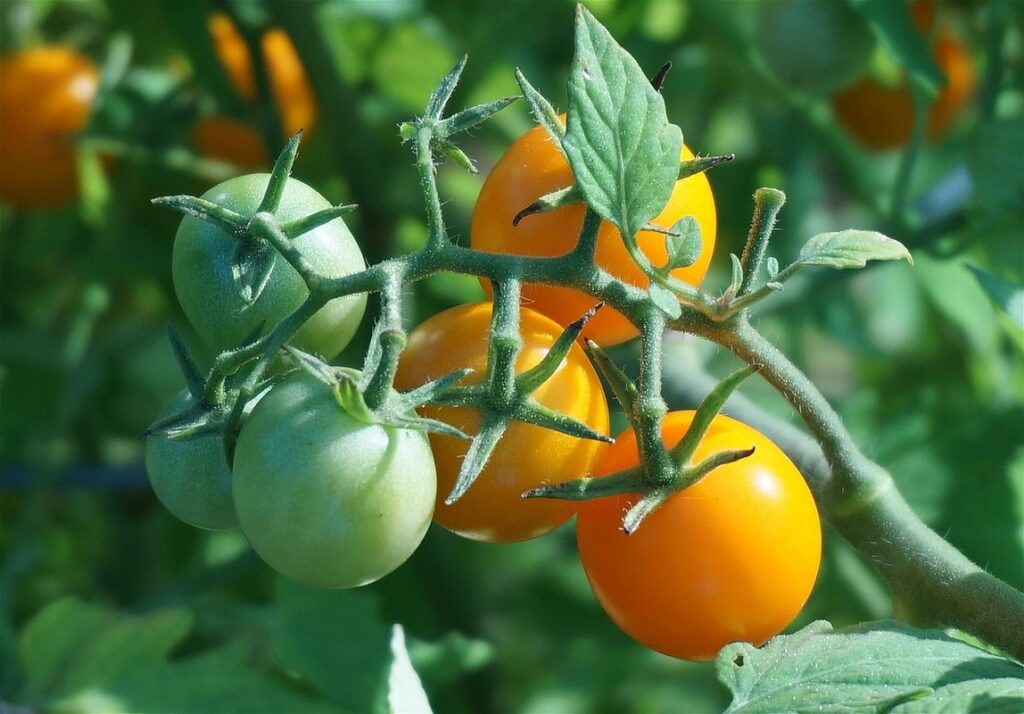
Understanding the Process
To ripen green tomatoes successfully, it’s essential to understand the process of allowing them to mature on the vine, which involves patience and optimal conditions. This natural method takes time and attention.
Factors that Influence Tomato Ripening
When attempting to ripen green tomatoes on the vine, it’s essential to comprehend the crucial factors that influence this process. Temperature plays a significant role; ideally, daytime temperatures should range between 65°F to 70°F (18°C to 21°C) while nighttime temperatures remain above 55°F (13°C). Temperatures below 55°F can cause ripening delays or even halt it altogether.
Humidity levels also impact the ripening process. A relative humidity of 60-80% promotes healthy fruit development and maturation, whereas low humidity can cause moisture loss, hindering ripening.
Sunlight exposure is another critical factor; tomatoes need adequate sunlight to ripen properly. However, direct sun exposure during peak hours can cause scorching or overheating, which in turn delays ripening. A well-balanced combination of partial shade and sunlight allows for optimal photosynthesis and ripening.
Understanding these factors enables you to create a suitable environment for your green tomatoes to ripen on the vine effectively.
The Role of Ethylene in Tomatoes
As you’re working to ripen green tomatoes on the vine, it’s essential to understand the role of ethylene in this process. Ethylene is a natural plant hormone that plays a crucial part in tomato ripening. It’s produced by the fruit itself as it matures, and its levels increase significantly during the final stages of ripening.
But why does ethylene production surge at this point? The answer lies in the tomato’s internal physiology. As the fruit ripens, cell walls begin to break down, allowing sugars and acids to mix and combine, creating that characteristic sweet flavor and red color. This process triggers a chain reaction that stimulates ethylene production, which in turn accelerates the breakdown of cell walls.
In fact, it’s estimated that a single tomato can produce up to 1 microgram of ethylene per hour as it ripens. While this might seem like a small amount, its impact on the fruit is significant. Ethylene not only speeds up the ripening process but also influences other aspects, such as flavor and texture development.
To encourage optimal ethylene production and promote healthy ripening, ensure your tomatoes receive adequate sunlight, water, and air circulation. This will help regulate their internal environment and support a natural, even ripening process. By understanding the role of ethylene in tomato ripening, you can make informed decisions to nurture your green tomatoes into delicious, ripe fruit.
Choosing the Right Varieties for Ripening
When it comes to ripening green tomatoes on the vine, selecting the right varieties is crucial. We’ll explore some key factors to consider when choosing the best types of tomatoes for your harvest.
Selecting Heirloom vs. Hybrid Tomatoes
When it comes to selecting the perfect tomato variety for ripening on the vine, many gardeners find themselves torn between heirloom and hybrid options. Both types have their own unique characteristics that can impact the ripening process.
Heirloom tomatoes are known for their rich, complex flavor profiles and often take longer to mature than hybrid varieties. They tend to be more sensitive to weather conditions and may require more care in terms of pruning and support. However, heirlooms can add a level of excitement to your garden as you never quite know what the fruit will look or taste like.
Hybrid tomatoes, on the other hand, are bred for their disease resistance and faster maturation times, making them a popular choice among commercial growers. They often produce higher yields and are more adaptable to different growing conditions. However, hybrids can lack the unique flavor profile of heirlooms and may not be as visually appealing.
When choosing between these two types, consider your personal preferences for taste, appearance, and ease of care. If you’re looking for a more traditional tomato experience, heirloom might be the better choice. But if you prioritize yields and disease resistance, hybrids are certainly worth considering.
Factors to Consider When Selecting Tomato Varieties
When selecting tomato varieties for ripening on the vine, there are several key characteristics to consider. First and foremost, disease resistance is crucial. Green tomatoes can be more susceptible to diseases like fusarium wilt and septoria leaf spot, so choosing a variety with built-in resistance can save you time and effort in the long run.
Consider the growth habits of the variety as well. Indeterminate varieties tend to produce more fruit per plant, but may require more support as they grow. Determinate varieties, on the other hand, are bushy and compact, making them ideal for smaller spaces or containers.
Fruit size is also an important factor to consider. If you’re looking for a variety that will ripen quickly, choose one with smaller fruit. Larger fruit takes longer to mature and may not have time to ripen fully before the first frost.
It’s worth noting that many popular tomato varieties are specifically bred for their ability to ripen on the vine. Look for terms like “early maturing” or “vine-ripened” when selecting a variety, as these will give you the best chance of successfully ripening your green tomatoes on the vine.
Encouraging Tomatoes to Ripen on the Vine
To coax those stubborn tomatoes into ripening, you’ll want to focus on creating a supportive environment that encourages them to convert their sugars and soften up.
Techniques for Stimulating Ethylene Production
To stimulate ethylene production and help green tomatoes ripen on the vine, you can try several techniques. One method is pruning. Prune the plant to encourage it to focus its energy on the remaining fruit, promoting even ripening. Cut off any weak or spindly growth, and remove lower leaves to allow air circulation and prevent fungal diseases.
Another technique is bagging. Place a paper bag over the fruit to trap ethylene gas, which will help accelerate the ripening process. You can also use mesh bags or cloth covers if you prefer a more breathable option. Make sure to check on the fruit regularly, as excessive ethylene production can cause damage.
Providing optimal growing conditions is also crucial for stimulating ethylene production. Ensure your tomatoes receive full sun (at least 6 hours of direct sunlight) and maintain a consistent temperature between 65-70°F (18-21°C). Keep the soil consistently moist but not waterlogged, as this will promote healthy fruit growth.
By implementing these techniques, you’ll be well on your way to ripening those green tomatoes.
Monitoring and Maintaining Optimal Growing Conditions
Monitoring temperature fluctuations is crucial for ripening tomatoes. Aim to maintain an average temperature between 65°F and 70°F (18°C and 21°C) during the day, with a slight drop at night. This temperature range encourages consistent growth and development.
Ensure adequate humidity levels by covering plants with row covers or individual cloches. A humid environment helps prevent excessive water loss through transpiration, which can hinder ripening. Aim for a relative humidity of 60-80%.
Sunlight exposure also plays a significant role in ripening tomatoes. While they need sufficient sunlight to produce sugars and chlorophyll, intense direct sun can cause scorching and uneven ripening. Provide partial shade, especially during the hottest part of the day, using sheer curtains or shade cloth.
To maintain optimal conditions throughout the growth cycle, monitor your plants regularly for signs of stress. Check for yellowing leaves, wilted stems, or uneven coloration, which may indicate inadequate temperature, humidity, or light exposure. Adjust your management strategies accordingly to ensure a healthy and ripened crop.
Common Challenges in Ripening Tomatoes
Ripening green tomatoes on the vine can be a bit tricky, and you may encounter some common challenges along the way. Let’s take a closer look at what to expect.
Identifying Potential Issues Before They Arise
As you nurture your green tomatoes on the vine, it’s essential to stay vigilant for potential issues that can arise. Pests, diseases, and nutrient deficiencies are common challenges gardeners face when trying to ripen their tomatoes. Keep an eye out for signs of infestation like tiny holes in leaves or stems, eggs or actual pests, such as aphids or hornworms.
Diseases like powdery mildew, fungal infections, or bacterial spot can also cause problems. Inspect your plants regularly for white patches, black spots, or a sticky substance on the leaves. Regularly remove any weak or damaged growth to prevent the spread of disease.
Nutrient deficiencies can be harder to detect but often manifest as yellowing leaves, stunted growth, or poor fruit development. Make sure your soil has adequate nutrients by getting regular soil tests and adjusting your fertilization schedule accordingly. A balanced fertilizer specifically formulated for tomatoes will provide essential nutrients like nitrogen, phosphorus, and potassium.
By monitoring your plants closely and taking prompt action when you notice any issues, you’ll be able to address potential problems before they damage your crop.
Troubleshooting Strategies for Overcoming Common Challenges
Troubleshooting strategies are essential when ripening green tomatoes on the vine. Let’s face it; not all tomatoes will ripen at the same rate. Some might take longer to turn red, while others might become overripe too quickly.
One common challenge is adjusting growing conditions. Ensure your tomato plants receive enough sunlight (at least 6 hours a day) and are placed in a warm location with temperatures between 65°F and 70°F (18°C and 21°C). Avoid sudden temperature fluctuations, as this can shock the plant and slow down ripening.
Pest control measures can also hinder the ripening process. Regularly inspect your plants for signs of pests like aphids, whiteflies, or hornworms. If you notice any, use organic pest control methods to prevent infestation. This will not only help with ripening but also promote overall plant health.
Applying nutrient supplements can also be beneficial in certain situations. However, over-supplementation can have adverse effects, such as excessive growth and reduced fruit quality. Monitor your plants’ response to added nutrients and adjust accordingly. A balanced fertilizer (10-10-10 NPK) applied every 2 weeks should suffice for most tomato varieties.
Keep in mind that some green tomatoes might not ripen at all due to underlying issues like nutrient deficiencies or root bound conditions. If you’re unsure about your plant’s specific needs, consult with a local gardening expert or take a soil test to identify potential problems.
Harvesting and Storing Ripe Tomatoes
Now that you’ve coaxed your green tomatoes into ripeness, it’s time to learn how to harvest them at the peak of flavor and store them for continued enjoyment throughout the season. Here are the essential tips for handling ripe tomatoes.
Timing the Perfect Harvest
When it comes to harvesting green tomatoes at the optimal stage of ripeness, timing is everything. You’ve been patiently waiting for them to turn red on the vine, but how do you know when they’re finally ready? The answer lies in a combination of visual inspection and taste testing.
To identify ripe tomatoes through visual inspection, look for a few key signs: a slight softening of the skin, a deepening of the green color to a more yellowish tint, and a slight swelling at the stem end. However, these indicators can be misleading – some varieties may not change color or texture significantly even when fully ripe.
This is where taste testing comes in. Gently twist the fruit from the plant, and take a small bite. If it’s sweet and slightly tart, with a flesh that’s tender but still firm, it’s ready to pick. Remember that green tomatoes will continue to ripen off the vine, so don’t worry if they’re not perfectly red when you harvest them. The most important thing is to catch them at their optimal stage of sweetness and flavor.
Proper Storage Techniques for Maintaining Freshness
When it comes to preserving the freshness and flavor of your ripened tomatoes, proper storage techniques are crucial. Since you’ve taken the time to ripen your green tomatoes on the vine, you want to make sure they last as long as possible.
Storing ripe tomatoes at room temperature is a great way to maintain their flavor. Place them stem-side down in a single layer on a plate or tray, away from direct sunlight and heat sources. This will help prevent moisture from accumulating and causing spoilage. You can also store them in a paper bag or container with some ventilation to keep them fresh for up to three days.
If you don’t plan to use your ripe tomatoes within a few days, storing them in the refrigerator is an excellent option. Keep them away from strong-smelling foods like onions and garlic, as these can transfer their odor to the tomatoes. You can store them in a breathable container or wrap them individually in plastic wrap or aluminum foil.
Freezing is also a viable option for long-term storage. Slice or chop the ripe tomatoes and place them in an airtight container or freezer bag. Label the container with the date and contents, and store it in the freezer at 0°F (-18°C) or below. Frozen tomatoes are perfect for soups, sauces, and stews, where their texture won’t matter as much.
Advanced Tips for Expert Growers
For those who have mastered the art of growing green tomatoes, we’ll dive into advanced techniques to speed up ripening and improve flavor on the vine. Let’s explore some expert-level strategies together.
Using Greenhouse Conditions to Accelerate Ripening
As an expert grower, you’re likely no stranger to experimenting with new techniques to coax even more flavor and sweetness out of your tomatoes. One way to accelerate ripening is by optimizing greenhouse conditions. By carefully controlling temperature, humidity, and light exposure, you can create a ripening environment that’s perfect for those stubborn green tomatoes.
To start, consider increasing the daytime temperature in your greenhouse to around 75-80°F (24-27°C). This will help break down the cell walls of the tomato, making it sweeter and more flavorful. Be cautious not to let temperatures rise too high, as this can cause over-ripening or even rot.
Next, focus on maintaining high humidity levels – ideally between 60-80%. This will prevent moisture loss through transpiration, keeping your tomatoes plump and juicy. To take it a step further, consider using a technique called ” ethylene ripening.” By introducing small amounts of ethylene gas into the greenhouse, you can stimulate ripening in as little as 24 hours.
Experimenting with Unconventional Methods
When it comes to ripening green tomatoes on the vine, expert growers are always looking for ways to innovate and push the boundaries of conventional techniques. One area where experimentation can be particularly fruitful is with unconventional methods that don’t rely solely on environmental conditions or traditional pruning practices.
For instance, some growers have successfully used LED grow lights to speed up the ripening process in green tomatoes. By exposing the fruit to a specific spectrum of light, typically in the blue and red wavelengths, you can mimic the natural processes that occur when tomatoes are exposed to sunlight. This can be especially useful for plants grown under intense artificial lighting or in areas with limited natural light.
Another approach worth exploring is experimenting with different pruning techniques to manipulate the ripening process. For example, some growers have reported success with “tip-pruning,” where they remove the growing tips of the plant to direct energy towards fruit production and ripening.
Frequently Asked Questions
Can I speed up the ripening process if my tomatoes are still green after a week on the vine?
Yes, you can try using techniques to stimulate ethylene production, such as removing lower leaves or placing fruit near fruits that are already ripe. This will encourage your tomatoes to produce more ethylene and ripen faster.
How do I know when it’s time to intervene with the ripening process, rather than letting nature take its course?
If your tomatoes remain green for an extended period (beyond 3-4 weeks) or show no signs of ripening, it may be a sign that something is amiss. Check temperature and humidity levels, ensure optimal growing conditions, and consider using techniques to stimulate ethylene production.
What are some common mistakes gardeners make when trying to ripen green tomatoes on the vine?
One common mistake is over-handling or disturbing the fruit excessively, which can cause stress to the plant and delay ripening. Another error is providing inadequate temperature or humidity conditions, such as placing plants in areas with drafts or extreme temperatures.
Can I use artificial ethylene producers like apples or bananas to stimulate my tomatoes’ ripening process?
Yes, you can use these natural ethylene sources, but be sure to place them near your green tomatoes for a limited time (usually 24-48 hours). Monitor the tomatoes closely and remove the stimuli once they start showing signs of ripening.
How do I maintain optimal growing conditions to support healthy tomato plant growth and fruit ripening?
Maintain daytime temperatures between 65°F to 70°F (18°C to 21°C), nighttime temperatures above 55°F (13°C), and relative humidity levels around 60-80%. Ensure your plants receive adequate light, water, and nutrients for optimal growth.