
Growing your own strawberries can be a rewarding experience, but did you know that some varieties produce not only delicious fruit but also valuable runners? These are underground stems that can be used to create new plants, making strawberry propagation easier than ever. If you’re looking to maximize your yields and minimize waste, understanding how to grow and care for strawberry runners is essential.
In this ultimate guide, we’ll cover the different types of strawberry varieties, their specific growing conditions, and expert tips on how to propagate them efficiently. We’ll also dive into the best methods for caring for your strawberry plants to ensure optimal fruit production. Whether you’re a seasoned gardener or just starting out, this article will provide you with everything you need to know about strawberry runners and how they can benefit your garden.
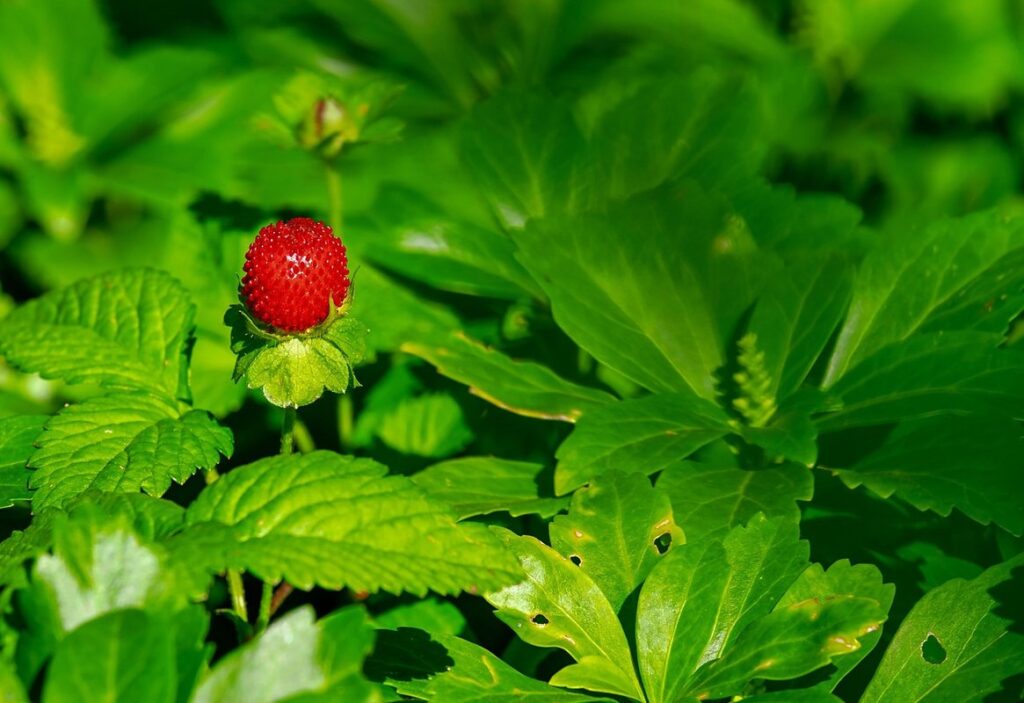
What are Strawberry Runners?
If you’re new to growing strawberries, understanding what strawberry runners are is a great place to start. This section will explain their purpose and how they can help your plants thrive.
Definition and Purpose
At its core, strawberry runners are the stems that sprout from mature strawberry plants, allowing them to produce new offspring. These stems, often mistakenly referred to as vines, have a vital purpose in the life cycle of strawberries: efficient propagation.
Each year, strawberry plants typically send out one or more runner stems during their growth phase, which can be identified by their long, thin appearance and white roots at the end. As these runners grow, they produce new plantlets that eventually detach from the parent plant to form new, self-sustaining plants. This process is a natural adaptation for strawberries, allowing them to spread quickly and colonize new areas.
To harness the power of strawberry runners, gardeners can encourage their growth by providing optimal growing conditions, such as adequate sunlight, water, and nutrient-rich soil. By doing so, you’ll be able to multiply your strawberry crop with ease and enjoy a bounty of fresh, delicious fruit.
Types of Strawberry Runners
When it comes to strawberry runners, you’ll encounter various types that cater to different growing conditions and preferences. June-bearing varieties are one of the most common types, producing a single large crop in the summer months. These plants typically require 30-60 days of chill time before producing flowers, making them ideal for areas with a distinct winter season.
Everbearing strawberry runners, on the other hand, produce multiple crops throughout the growing season. They don’t require as much chill time and can tolerate warmer temperatures, making them suitable for regions with mild winters. Day-neutral varieties fall somewhere in between, producing continuously from spring to frost without requiring a specific chill period.
The type of strawberry runner you choose will significantly impact plant performance. For instance, June-bearing varieties tend to be more sensitive to temperature fluctuations and require more maintenance. Everbearing and day-neutral varieties, however, are often more resilient and adaptable to changing conditions. Understanding the characteristics of each type will help you select the best variety for your specific growing environment and needs.
When selecting strawberry runners, consider factors such as climate, soil quality, and intended use. June-bearing varieties excel in cooler climates with distinct winter seasons, while everbearing and day-neutral varieties are better suited for warmer regions or containers. By choosing the right type of strawberry runner, you’ll be able to optimize plant performance, maximize yields, and enjoy a bountiful harvest.
Growing Conditions for Strawberry Runners
To grow strawberry runners successfully, you need to provide them with the right conditions – plenty of sunlight, well-draining soil, and a moderate climate. Get these basics right and you’ll be on your way to a bountiful harvest!
Climate and Soil Requirements
When it comes to growing strawberry runners, providing them with the right climate and soil conditions is crucial for their health and productivity. Strawberry plants thrive in temperatures between 35°F (2°C) and 85°F (30°C), but they can tolerate a wider range of temperatures than other strawberry varieties.
In terms of pH levels, strawberries prefer slightly acidic to neutral soil, with a pH ranging from 5.5 to 6.5. If your soil is too alkaline or acidic, it may affect the plant’s ability to absorb essential nutrients. To determine your soil’s pH level, you can purchase a soil testing kit or consult with a local nursery.
Strawberry runners also require well-draining, rich soil that is high in organic matter. Aim to maintain a nutrient-rich soil by incorporating compost, manure, or other natural fertilizers into the soil before planting. Additionally, ensure that your strawberry bed receives full sun and adequate moisture, but avoid overwatering which can lead to root rot and other issues. By providing your strawberry runners with the right climate and soil conditions, you’ll be well on your way to a bountiful harvest of delicious strawberries.
Planting Techniques and Timing
When planting strawberry runners, it’s essential to get them off to a good start. The best method is to plant them in the early spring or late summer/early fall, depending on your climate and region. In areas with mild winters, you can even plant in the winter for an earlier harvest.
For optimal growth, space your strawberry plants 18-24 inches apart, taking care not to overcrowd them. This will give each runner enough room to spread out and receive adequate sunlight and air circulation. Plant them about 6-8 inches deep, making sure the crown (where the roots meet the leaves) is above the soil surface.
Timing is also crucial when planting strawberry runners. In regions with cold winters, it’s best to wait until late spring or early summer to plant, as this allows the plants time to establish themselves before the first frost. Conversely, in areas with mild winters, you can get a head start on the growing season by planting in the winter.
Planting at the right depth and spacing will help your strawberry runners thrive. Make sure to firm the soil gently around each plant to prevent settling and ensure good contact between the roots and surrounding soil.
Propagation Methods Using Strawberry Runners
Now that you know how strawberry runners form, let’s dive into one of the most exciting ways to propagate your strawberries: using these natural offsets to create new plants.
Traditional Runner Propagation
When it comes to propagating strawberries using traditional methods, separating and replanting runners is a tried-and-true technique. This method involves carefully identifying mature strawberry plants producing healthy runners during the dormant season. It’s essential to wait until the plant has finished producing new growth for the year, usually around late winter or early spring, when the threat of frost has passed.
To separate a runner, gently dig up the entire plant and identify the parent plant and its attached runners. Using a sharp knife or pruning tool, carefully cut the runner about an inch from the crown of the mother plant, making sure each section has at least two sets of leaves. Trim any weak or damaged roots, then replant the separated sections in well-draining soil, spaced 12-18 inches apart.
By following this traditional method, you’ll be able to propagate new strawberry plants with minimal disruption to the parent plant’s growth cycle. With proper care and attention, these newly planted runners will begin producing fruit within a year or two, giving you a bountiful harvest of delicious strawberries.
New Runner Production Techniques
To optimize strawberry runner production, it’s essential to focus on promoting healthy plant growth through pruning, fertilization, and effective pest management. Pruning is a critical aspect of encouraging runners, as it allows the plant to direct its energy towards producing new growth rather than focusing on fruiting. By removing weak or damaged leaves and stems, you’re giving your strawberry plants a clean slate to produce more vigorous runners.
Fertilizing your strawberry plants regularly will also help stimulate runner production. Use a balanced fertilizer that’s rich in nitrogen, phosphorus, and potassium (NPK). A 10-10-10 NPK ratio is ideal for promoting healthy growth and development. Aim to fertilize every two weeks during the growing season, but avoid over-fertilizing, as this can lead to weak and leggy plants.
Effective pest management is also crucial in preventing damage to your strawberry runners. Regularly inspect your plants for signs of pests like aphids, whiteflies, and spider mites. Use organic or integrated pest management (IPM) techniques whenever possible, such as introducing beneficial insects like ladybugs or lacewings that prey on these pests.
By implementing these new techniques, you’ll be able to optimize yields and encourage your strawberry plants to produce more runners.
Advantages and Disadvantages of Using Strawberry Runners
When it comes to using strawberry runners, you’ll want to weigh their pros against their cons. Here are the advantages and disadvantages of incorporating them into your garden.
Benefits and Drawbacks
Using strawberry runners for propagation offers several benefits that make them an attractive choice for gardeners and farmers. One of the most significant advantages is their efficiency – they allow you to produce multiple plants from a single mother plant, saving time and labor compared to traditional seed starting methods.
Another benefit is cost-effectiveness. Strawberry runners can be easily produced in your own garden or greenhouse, eliminating the need to purchase new plants every season. This not only saves you money but also ensures that your strawberry varieties are disease-free and adapted to your specific climate.
However, there are potential drawbacks to consider. For example, strawberry runners are more susceptible to diseases such as powdery mildew and botrytis, which can spread quickly through a patch of plants. To mitigate this risk, be sure to provide good air circulation and use disease-resistant varieties whenever possible. Additionally, strawberry runners require a significant amount of space to produce new plants, which can be a challenge for smaller gardens or those with limited resources.
Mitigating Risks with Proper Care
When using strawberry runners for propagation, it’s essential to be aware of the potential risks and take steps to mitigate them. One of the primary concerns is the spread of pests and diseases from one plant to another through contact.
To minimize this risk, monitor your plants regularly for signs of infestation or infection. Check for aphids, whiteflies, and spider mites on the leaves and stems, and inspect for powdery mildew, botrytis, and crown rot. Implement integrated pest management (IPM) strategies to control any issues you find.
This can involve using physical barriers, such as fine mesh or row covers, to prevent pests from reaching your plants. You may also need to use organic or chemical pesticides in targeted applications. Regularly clean and disinfect your equipment, and ensure that all new plants are healthy and disease-free before introducing them to your garden.
By being proactive and taking these precautions, you can reduce the risk of pest and disease issues associated with runner-based propagation.
Strawberry Runner Care: Tips and Best Practices
To ensure your strawberry runners thrive, it’s essential to follow some simple yet effective care tips that’ll keep them healthy and productive throughout the growing season. We’ve got you covered!
Watering and Fertilization
When it comes to strawberry runner care, watering and fertilization are crucial aspects that cannot be overlooked. Overwatering can lead to root rot, while underwatering can result in nutrient deficiencies. So, how do you strike the right balance?
Aim to provide about 1-2 inches of water per week, either from rain or irrigation. You can also check the soil moisture by inserting your finger into the soil up to the knuckle. If the soil feels dry, it’s time for a drink.
As for fertilization, strawberry runners benefit from regular feeding with a balanced fertilizer (10-10-10 NPK). Apply it once a month during the growing season (spring and summer) and once every 2 months during the dormant period (fall and winter). You can also use compost tea or well-rotted manure to provide essential nutrients.
To avoid nutrient deficiencies, make sure to rotate your strawberry patch annually. This will help replenish the soil’s fertility and prevent the buildup of pests and diseases. By following these simple tips, you’ll be rewarded with a bountiful harvest of delicious strawberries from your very own strawberry runners!
Pruning and Training
Pruning and training are essential steps in strawberry runner care to optimize yields. When strawberry plants grow uncontrolled, they can become leggy and less productive. Prune weak stems to encourage strong growth and direct the plant’s energy towards producing more fruit.
To begin pruning, identify the longest stem on each plant and cut it back by about one-third. This will help control the plant’s height and promote bushy growth. Remove any weak or damaged stems, as they can be a source of disease and pests. Use clean, sharp tools to prevent spreading diseases.
For training, consider using a trellis or cage to support the plants. Train the longest stem up the trellis, securing it with twine or clips. This will help keep the plant upright and allow for better air circulation, reducing the risk of fungal diseases.
Regular pruning and training will also encourage fruiting nodes to develop along the stems, resulting in a more abundant harvest.
Common Issues with Strawberry Runners: Troubleshooting
If you’re experiencing problems with your strawberry runners, such as weak or leggy growth, don’t worry – we’ve got you covered. This section will help you troubleshoot common issues and get back on track to a thriving strawberry crop.
Pests and Diseases
As you grow strawberry runners, it’s essential to be aware of common pests and diseases that can affect their health. Aphids are a primary concern for strawberry growers, as these tiny insects feed on plant sap, causing curled or distorted leaves. To prevent aphid infestations, inspect your plants regularly and use neem oil or insecticidal soap to treat any infestations.
Powdery mildew is another common issue affecting strawberry runners. This fungal disease appears as a white, powdery coating on leaves, and can lead to defoliation if left unchecked. To prevent powdery mildew, ensure good air circulation around your plants and water them at the base rather than getting the leaves wet.
Crown rot is another significant threat to strawberry runners. This fungal disease causes the plant’s crown (where the stem meets the roots) to decay, killing the plant. To prevent crown rot, make sure your soil has adequate drainage, and avoid overwatering your plants.
For more severe infestations or diseases, consider using fungicides specifically labeled for use on strawberries. Always follow label instructions carefully, and take necessary precautions to minimize exposure to chemicals.
Nutrient Deficiencies and Soil Health
As you tend to your strawberry runners, it’s essential to monitor their nutrient intake and soil health. Nutrient deficiencies can hinder plant growth, reducing yields and affecting fruit quality. Let’s take a closer look at some common deficiencies that can affect strawberry runners.
Iron deficiency is one of the most prevalent issues, causing leaves to develop yellow or white tips. If left unchecked, it can lead to stunted growth and reduced fruiting. Magnesium deficiency, on the other hand, results in scorched leaf edges and stunted plant growth. Potassium deficiency symptoms include weakened stems, discolored leaves, and poor fruit set.
To address these deficiencies, you’ll need to assess your soil’s pH level and nutrient content. A simple soil test can provide valuable insights into what your plants are lacking. Based on the results, adjust your fertilizer application accordingly. For example, if iron is lacking, consider adding an iron-rich compost or foliar spray to your routine.
Conclusion: Cultivating the Perfect Strawberry Runners
Now that you’ve learned how to grow and care for your strawberry runners, it’s time to refine your techniques and perfect your crop. Let’s talk about what you can do to take your strawberry game to the next level.
Recap of Key Takeaways
To successfully cultivate strawberry runners, it’s essential to remember the key takeaways from this ultimate guide. Proper care is crucial for healthy growth, and this includes providing the right amount of sunlight, water, and nutrients. Regular pruning not only promotes bushy growth but also encourages fruiting.
Proper propagation techniques are vital for successful runner cultivation. This involves planting the runners at the correct depth, spacing them adequately to prevent overcrowding, and maintaining a consistent soil temperature. For optimal results, it’s recommended to plant the runners in early spring or fall when temperatures are cooler.
Effective pest management is also crucial for preventing damage to your strawberry plants. Regularly inspect your crops for signs of pests such as aphids, slugs, and snails, and take prompt action if necessary. This may involve using organic or chemical controls to eliminate infestations.
By following these key tips and practicing good cultivation habits, you’ll be well on your way to growing a bountiful crop of delicious strawberry runners. Remember to stay vigilant and adapt to changing conditions throughout the growing season for optimal results.
Final Tips and Recommendations
As you’ve now gained a solid understanding of strawberry runners, it’s time to put this knowledge into practice. To optimize your growth and yields, remember that consistency is key. Make sure to provide your runners with the right conditions, including well-draining soil, full sun, and regular watering.
When it comes to propagation, experiment with different methods such as division, layering, or seed. This will help you determine which approach works best for your specific climate and growing conditions. For instance, in areas with high humidity, division might be a more suitable option.
For further guidance, consider consulting the Royal Horticultural Society’s (RHS) guidelines on strawberry cultivation. Additionally, websites like Gardening Know How and Gardeners’ World offer valuable insights and tips from experienced growers.
To take your strawberry runner game to the next level, keep an eye out for pests and diseases that can affect yields. Regularly inspect your plants, and be prepared to implement integrated pest management (IPM) strategies if needed. By following these final tips and recommendations, you’ll be well on your way to cultivating a bountiful harvest of delicious strawberry runners.
Frequently Asked Questions
Can I use strawberry runners from any variety of strawberries, or are there specific types that produce better runners?
Yes, not all strawberry varieties produce valuable runners, but some popular ones like ‘Albion’, ‘Camarosa’, and ‘Ventana’ are known for their high runner production. Research the specific variety you’re growing to ensure it’s suitable for propagation using runners.
How do I know when my strawberry plants have finished producing new runners?
New runners typically emerge in late spring or early summer, but the frequency of new growth slows down as the plant matures. Look for a decrease in new runner production and focus on harvesting the mature plant for fruit instead.
What’s the ideal time to harvest strawberry runners for propagation?
The best time to harvest strawberry runners is when they’re around 6-8 inches long and have formed their own roots. This usually occurs about 4-6 weeks after they first emerge, allowing you enough time to establish new plants before the weather cools down.
How often should I water newly propagated strawberry plants using runners?
Newly planted strawberry runners require consistent moisture during their first few weeks of growth. Water them every 2-3 days, ensuring the soil is kept moist but not waterlogged. This will help prevent root rot and promote healthy establishment.
What are some common mistakes to avoid when propagating strawberries with runners?
Some common pitfalls include over-watering, which can lead to root rot; inadequate sunlight, resulting in weak or spindly growth; and failure to remove spent flowers and foliage, which can divert energy from new plant development.