
As a greenhouse grower, you’re well aware that creating an ideal environment for your plants is crucial for maximum yield and health. But have you considered how ventilation plays a key role in achieving this goal? Proper ventilation in greenhouses can make all the difference between thriving crops and struggling ones. By allowing fresh air to circulate and stale air to escape, you can significantly reduce disease susceptibility and environmental impact while also maximizing energy efficiency. In this article, we’ll explore the importance of ventilation in greenhouses and provide practical tips on how to implement it effectively. From designing your ventilation system to optimizing its performance, we’ll cover everything you need to know to create a healthy and productive greenhouse environment that supports optimal plant growth.
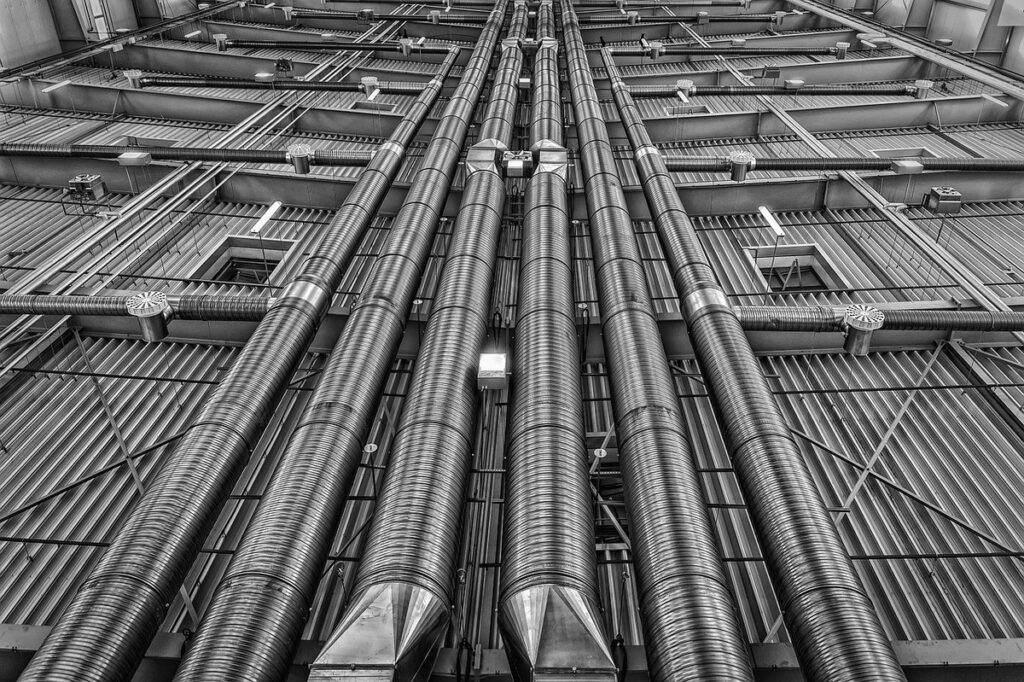
Importance of Ventilation in Greenhouses
Good ventilation is crucial for a healthy greenhouse, and proper air circulation can significantly impact crop yield and plant health. Let’s explore the importance of adequate ventilation in greenhouses.
Factors Affecting CO2 Concentration
Carbon dioxide (CO2) concentration plays a crucial role in plant growth and development. Within greenhouses, several factors influence CO2 levels, which can either positively or negatively impact crop yield and plant health. Air circulation is one of the primary factors affecting CO2 concentration. When air circulates freely within the greenhouse, it helps to dilute CO2 levels by bringing in fresh air from outside.
Temperature also has a significant impact on CO2 concentration. As temperature increases, plants absorb more CO2, leading to higher CO2 levels within the greenhouse. Conversely, low temperatures can lead to reduced CO2 absorption and lower CO2 concentrations.
Humidity levels are another critical factor influencing CO2 concentration. High humidity can reduce CO2 uptake by plants, while low humidity can accelerate CO2 loss through transpiration.
To maintain optimal CO2 levels in greenhouses, it’s essential to balance these factors. For example, using fans or ventilation systems can enhance air circulation and help regulate temperature fluctuations. By monitoring and controlling these factors, greenhouse growers can create a favorable environment for plant growth, ultimately leading to higher yields and improved crop quality.
Effects of Inadequate Ventilation
Insufficient ventilation can have severe consequences on plant growth, ultimately affecting crop yield and quality. One of the most significant effects is reduced yields due to inadequate air exchange. When plants don’t receive sufficient oxygen, they produce less biomass and flowers, resulting in lower harvest quantities.
Increased disease susceptibility is another critical issue caused by poor ventilation. Excess moisture and CO2 can create an ideal environment for fungal growth, making plants more prone to diseases like powdery mildew, botrytis, and root rot. For instance, a study on lettuce crops found that those grown in poorly ventilated greenhouses were 3 times more likely to develop botrytis.
Moreover, decreased crop quality can result from inadequate ventilation. Plants may become stressed due to the buildup of heat and CO2, leading to yellowing or droopy leaves, reduced growth rates, and lower fruit set. Practical advice for growers includes monitoring temperature and humidity levels regularly and ensuring that vents are adjusted accordingly. This helps prevent moisture accumulation and maintains a balanced microclimate within the greenhouse.
Types of Greenhouse Ventilation Systems
There are several types of greenhouse ventilation systems, each designed to provide optimal airflow and climate control for specific crops and environments. Let’s take a closer look at some of the most common ones.
Natural Ventilation Methods
When it comes to natural ventilation methods in greenhouses, there are several techniques that can be employed to maximize crop yield and plant health. One of the most common methods is using ridge vents. These vents allow warm air to escape from the roof of the greenhouse, reducing the risk of overheating and promoting healthy plant growth.
Ridge vents can be manual or automated, depending on your specific needs. For example, a simple pulley system can be used to open and close the vent manually, while more advanced systems use sensors to automatically regulate temperature and humidity levels.
Louvers are another popular natural ventilation technique used in greenhouses. These adjustable slats allow for precise control over airflow, ensuring that plants receive the optimal amount of fresh air while minimizing heat loss. By positioning louvers at an angle, you can also help to distribute light evenly throughout the greenhouse.
Side-wall vents offer a more subtle approach to natural ventilation. These smaller vents allow for gentle air circulation and are often used in conjunction with other ventilation methods.
Mechanical Ventilation Options
Mechanical ventilation systems are a crucial aspect of maintaining optimal growing conditions within greenhouses. These systems utilize fans and blowers to exchange stale air with fresh air from outside, thereby regulating temperature, humidity, and air quality.
Among the most common mechanical ventilation options for greenhouses are fan-based systems. These can be powered by electric or solar energy and come in various sizes to accommodate different greenhouse sizes. In addition to circulating air, fans also help remove excess moisture and heat, creating a healthier environment for plants.
Another popular option is blower-based systems, which operate similarly to fans but provide more controlled airflow. This type of system allows for precise temperature management by drawing in fresh air from outside when the temperature inside the greenhouse drops below a set point.
For those looking to save energy while maintaining optimal ventilation, heat recovery ventilation (HRV) systems are worth considering. These innovative systems harness heat energy from exhaust air and use it to pre-warm incoming fresh air before releasing it into the greenhouse. This significantly reduces the amount of external heating required, leading to substantial cost savings.
Designing an Effective Greenhouse Ventilation System
When designing a greenhouse ventilation system, it’s essential to strike the right balance between cooling and drying out the air, which can be tricky to get just right.
Considerations for Optimal Ventilation
When designing an effective greenhouse ventilation system, it’s essential to consider several key factors. The climate of your region is a significant consideration, as different climates require varying levels of ventilation to maintain optimal temperatures and humidity levels. For example, greenhouses located in hot and dry climates may require more extensive shading systems and misting technologies to prevent excessive water loss from plants.
The type of plant being grown also plays a crucial role in determining the necessary ventilation strategy. Some crops, such as tomatoes and peppers, are sensitive to high temperatures and require more frequent ventilation to prevent heat stress. In contrast, cooler-season crops like lettuce and spinach can tolerate lower light levels and may not require as much ventilation.
The size of your greenhouse is another critical factor to consider when designing a ventilation system. Larger greenhouses often have higher cooling loads due to increased surface area, which requires more powerful ventilation systems. Conversely, smaller greenhouses may be able to rely on natural ventilation alone or use less complex mechanical systems.
Ultimately, the specific needs of your greenhouse and crops will dictate the optimal ventilation strategy. By carefully considering climate, plant type, and building size, you can create a system that maximizes crop yield while maintaining plant health.
Integration with Other Systems
When designing an effective greenhouse ventilation system, it’s essential to consider integration with other critical systems, such as irrigation and heating/cooling. This holistic approach can significantly enhance overall efficiency and minimize potential drawbacks.
To start, many modern greenhouses already incorporate smart irrigation systems that can adjust watering schedules based on environmental conditions. Integrating your ventilation system with these sensors can help optimize air flow in response to changing humidity levels, preventing overwatering or drying out of plants. For instance, as the temperature rises during hot summer days, the ventilation system can be programmed to increase airflow and reduce humidity levels, preventing fungal growth and associated diseases.
In addition, pairing your greenhouse ventilation system with a heating/cooling system can ensure optimal growing conditions throughout the year. During cold winter months or extremely hot summer periods, the integrated system can adjust temperatures in real-time, maintaining ideal ranges for specific crops while minimizing energy consumption. This synergy also enables more precise climate control during critical growth stages, allowing growers to fine-tune their operations for maximum yield and plant health.
Some commercial greenhouses have implemented successful integrations with building management systems (BMS) or even weather stations to further enhance system performance. By incorporating real-time data from these external sources, greenhouse managers can refine their ventilation strategies based on up-to-date forecasts, temperature trends, and other relevant environmental factors.
Benefits of Proper Ventilation in Greenhouses
When it comes to maintaining a healthy and thriving crop, proper ventilation is key. In this section, we’ll explore just how much of an impact it can have on your green house’s overall performance.
Improved Crop Yield and Quality
When it comes to maximizing crop yield and plant health in greenhouses, proper ventilation plays a crucial role. One of the key advantages of good ventilation is its impact on disease susceptibility. When air circulates freely within the greenhouse, it helps reduce the concentration of pathogens that can cause diseases. This is especially important for crops like tomatoes and cucumbers, which are prone to fungal infections.
In fact, studies have shown that well-ventilated greenhouses can reduce disease incidence by up to 30%. To achieve this level of ventilation, make sure your greenhouse has adequate gaps between the vents to allow for good airflow. A general rule of thumb is to provide at least 10% open area in the vents.
Proper ventilation also improves fruit set and overall crop quality. When plants receive a healthy supply of air, they’re better able to absorb essential nutrients and water, leading to healthier and more robust growth. By investing in a reliable ventilation system, you can reap these benefits and enjoy improved yields and reduced disease susceptibility.
Energy Savings and Environmental Benefits
A well-designed greenhouse ventilation system not only enhances crop yield and plant health but also offers significant energy savings and environmental benefits. By optimizing air circulation and temperature control, greenhouses can reduce their reliance on artificial lighting and heating systems. This, in turn, leads to substantial reductions in energy consumption – some studies have shown that proper ventilation can decrease energy costs by as much as 20-30%.
Moreover, well-ventilated greenhouses also promote water conservation through reduced evapotranspiration rates. When plants are not overheated or under-cooled, they require less supplemental watering, thereby reducing the amount of water wasted during irrigation cycles. In fact, according to research conducted by the University of California, a 10% reduction in evapotranspiration can result in approximately 15% savings on water consumption.
To maximize energy savings and environmental benefits in your greenhouse ventilation system, consider implementing strategies such as using natural ventilation techniques like solar chimneys or wind towers.
Common Challenges and Solutions in Greenhouse Ventilation
As you navigate the world of greenhouse ventilation, it’s inevitable that you’ll encounter some common challenges, from managing temperature fluctuations to preventing pest infestations. Let’s tackle these obstacles together.
Troubleshooting Issues with Ventilation Systems
When issues arise with greenhouse ventilation systems, it’s essential to address them promptly to maintain optimal growing conditions and prevent crop damage. One common problem is inadequate airflow, which can lead to overheating, reduced photosynthesis, and increased susceptibility to pests and diseases.
Moisture accumulation is another critical issue that can arise if ventilation systems are not functioning correctly. When plants release excess moisture through transpiration, it can condense on the greenhouse roof or walls, creating an ideal environment for fungal growth and decay. Regularly monitoring temperature and humidity levels can help identify potential issues before they become severe.
To troubleshoot inadequate airflow, check the system’s design, size, and placement of vents to ensure they align with your specific climate conditions and plant types. Consider implementing measures like wind-activated vents or adjustable louvers to optimize air circulation during different weather patterns.
For moisture accumulation, inspect the greenhouse for signs of condensation or water droplets on surfaces. Ensure proper drainage and slope the roof to direct excess moisture away from the plants. Regular cleaning and maintenance of ventilation systems can also help prevent issues related to moisture buildup. By addressing these common problems early on, you can maintain a healthy and thriving environment for your crops.
Innovative Solutions for Enhanced Ventilation
In recent years, researchers and engineers have made significant strides in developing innovative solutions for enhanced greenhouse ventilation. One such technology is the use of automation systems that monitor temperature, humidity, and CO2 levels to optimize ventilation rates. This not only improves crop yields but also reduces energy consumption by up to 30%. Another cutting-edge solution is the implementation of phase-change materials (PCMs) in greenhouse structures. These materials absorb excess heat during the day and release it at night, reducing the need for mechanical cooling systems.
For example, a study conducted on a strawberry farm in California found that using PCMs led to a 25% increase in crop yields and a significant reduction in energy costs. To implement such solutions, greenhouse owners can consider integrating sensors and monitoring systems to track real-time data and make informed decisions about ventilation rates. Additionally, incorporating natural ventilation techniques such as wind towers or evaporative cooling systems can further enhance efficiency. By adopting these innovative approaches, growers can ensure optimal plant health while minimizing their environmental footprint.
Best Practices for Maintaining Greenhouse Ventilation Systems
Effective greenhouse ventilation system maintenance requires regular checks and adjustments to ensure optimal airflow and prevent overheating, which can lead to reduced crop yields. By following these best practices, you’ll be able to maintain a healthy growing environment for your plants.
Regular Maintenance Schedules
Regular maintenance schedules are crucial for ensuring optimal performance from greenhouse ventilation systems. Without regular checks and upkeep, these systems can become inefficient, leading to reduced crop yields and compromised plant health. In fact, a study by the American Society of Agricultural and Biological Engineers found that poorly maintained ventilation systems can reduce crop yields by up to 20%.
To maintain your greenhouse ventilation system effectively, you should schedule regular inspections and maintenance checks at least twice a year. During these checks, inspect all fans, motors, and controls for signs of wear or damage. Clean any accumulated debris from the vents and replace worn-out parts as needed.
In addition to scheduled maintenance, it’s also essential to monitor your ventilation system’s performance in real-time. Install sensors that track temperature, humidity, and CO2 levels to ensure optimal conditions for plant growth. Adjust your ventilation settings accordingly to maintain a healthy balance between air exchange and temperature control.
By following these simple tips, you can extend the life of your greenhouse ventilation system, reduce maintenance costs, and ultimately maximize crop yields while promoting optimal plant health.
Tips for Optimizing System Performance
Optimizing greenhouse ventilation system performance is crucial for maintaining optimal growing conditions and promoting plant health. To achieve this, it’s essential to make adjustments in air flow rates and temperature settings.
Start by monitoring the temperature and humidity levels within your greenhouse using sensors or data loggers. This will help you identify any discrepancies between actual and set values. Based on this data, adjust your ventilation system’s air flow rates accordingly. For instance, if the temperature is consistently above set points during warm periods, increase the ventilation rate to maintain a comfortable environment.
Another key consideration is scheduling. Implement a timed schedule that takes into account peak sunlight hours, weather forecasts, and seasonal changes. This will enable you to optimize ventilation during times of high heat stress or rapid temperature fluctuations. Additionally, ensure proper maintenance of your system, including regular cleaning of vents and fans to prevent clogs and maintain airflow efficiency.
By implementing these strategies, you can significantly enhance the performance of your greenhouse ventilation system, promoting optimal growing conditions for your crops and reducing the risk of plant stress or disease.
Frequently Asked Questions
How do I know if my greenhouse ventilation system is underperforming?
If you notice signs of overheating, stagnant air, or reduced crop yield, it may indicate that your ventilation system isn’t working efficiently. Check the system’s airflow rates, ensure proper filter maintenance, and consider upgrading to a more efficient design.
Can I use natural ventilation alone in my greenhouse, or is mechanical assistance necessary?
Both natural and mechanical ventilation methods have their benefits. Natural ventilation can be effective for smaller greenhouses or those with simple designs. However, larger or complex systems may require mechanical assistance to ensure adequate airflow and CO2 exchange.
How often should I inspect and maintain my greenhouse ventilation system?
Regular maintenance is crucial for optimal performance. Schedule annual inspections of fans, filters, and other components. Replace worn-out parts promptly, clean the system thoroughly, and adjust settings as needed based on changing environmental conditions.
What are some common issues that arise during greenhouse ventilation system design, and how can I avoid them?
Common pitfalls include inadequate sizing, insufficient insulation, or inefficient fan selection. To avoid these errors, consult with experienced professionals, conduct thorough site assessments, and prioritize energy efficiency and air circulation in your design.
Can I integrate my greenhouse ventilation system with other building systems, such as climate control or irrigation?
Yes, integrating your ventilation system with other building systems can enhance overall performance and efficiency. Consider incorporating smart sensors and automation to optimize interactions between different systems and minimize manual adjustments.