
When growing delicious homegrown tomatoes, one crucial factor often gets overlooked: the soil. A nutrient-rich soil with optimal pH levels is essential for your tomato plants to thrive, but it’s surprising how many gardeners don’t know where to start when it comes to creating the perfect growing environment. In this article, we’ll take a closer look at why choosing and maintaining the right soil conditions is critical for healthy tomatoes. We’ll cover the importance of pH levels in preventing common tomato diseases, such as blossom end rot and yellow shoulder. Additionally, you’ll learn how to create nutrient-rich soils that will give your tomatoes the best possible start in life. By following these simple tips, you’ll be on your way to growing juicy, healthy tomatoes in no time!
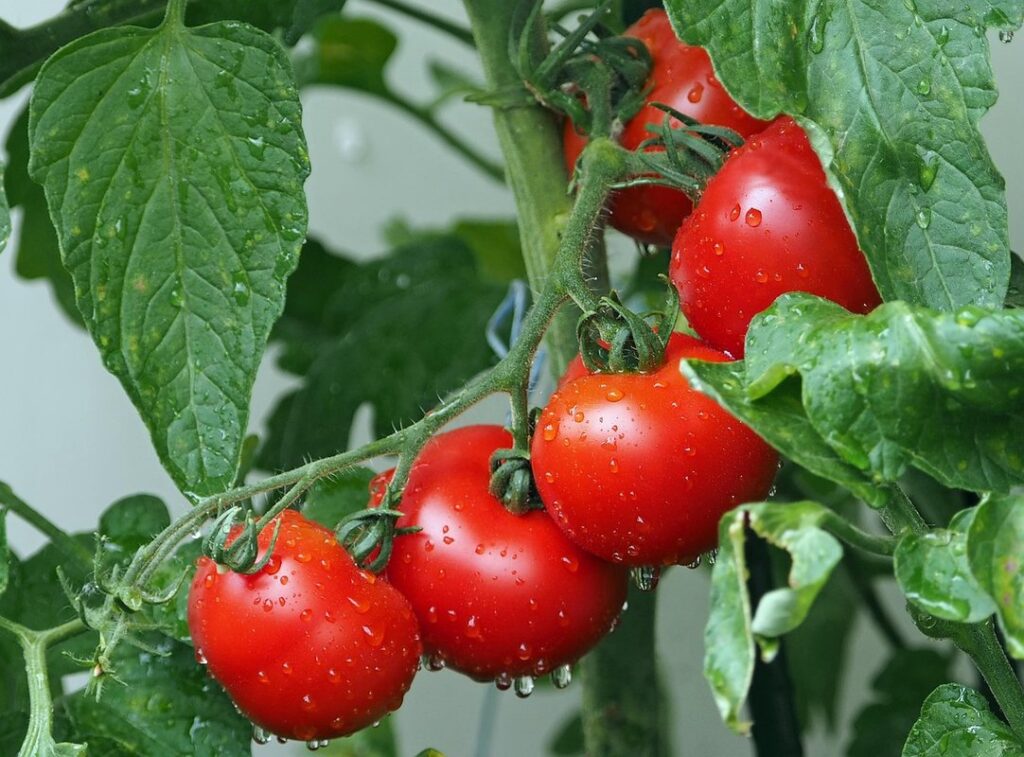
Understanding Tomatoes’ Soil Requirements
To grow healthy and productive tomatoes, it’s crucial to understand their specific soil requirements, which can vary depending on climate and region. Let’s dive into the key factors that influence tomato growth in different soils.
pH Levels and Tomato Plant Growth
Tomato plants thrive in a specific pH range that supports optimal growth and nutrient absorption. The ideal pH for tomatoes is between 6.0 and 7.0, which allows them to access essential nutrients from the soil. If the pH falls outside this range, it can lead to deficiencies or toxicity.
Acidic conditions below 6.0 can cause micronutrient deficiencies, particularly in iron and manganese, leading to yellowing leaves and stunted growth. On the other hand, alkaline conditions above 7.0 can result in potassium deficiency, causing blossom-end rot and poor fruit set. This is because tomato plants have a unique requirement for calcium, which is difficult to absorb at high pH levels.
To maintain an optimal pH range, consider testing your soil regularly. If necessary, add lime to raise the pH or sulfur to lower it. Keep in mind that small adjustments are better than drastic changes, as sudden shifts can stress the plant. By maintaining a balanced pH and providing essential nutrients, you’ll be well on your way to growing healthy, productive tomato plants.
Nutrient-Rich Soils for Tomatoes
For tomatoes to thrive, they require nutrient-rich soils that provide an optimal balance of essential nutrients. Nitrogen (N), phosphorus (P), and potassium (K) are the primary macronutrients crucial for tomato growth. Nitrogen promotes healthy leaf development and fruiting, while phosphorus aids in root growth and flower formation. Potassium helps with overall plant health and resistance to disease.
However, micronutrients like calcium (Ca) and magnesium (Mg) also play a vital role in supporting tomato plants. Calcium is essential for cell wall development and maintaining healthy fruit texture, while magnesium supports photosynthesis and energy production.
To identify nutrient deficiencies in your tomato plants, look out for signs such as yellowing leaves, stunted growth, or decreased fruit production. If you notice these symptoms, consider getting a soil test to determine the pH level and nutrient content of your soil. Based on the results, you can amend the soil with organic matter like compost or fertilizers that provide the necessary nutrients.
Regularly monitoring your plants’ health will help you identify any potential issues early on, ensuring that your tomato crop receives the optimal conditions it needs to flourish.
Choosing the Right Soil Type for Your Tomato Plants
When it comes to giving your tomato plants the best chance at success, choosing the right soil type is crucial. Let’s explore the key factors to consider when selecting a soil that suits your tomatoes’ needs.
Clay Soil: Characteristics and Challenges
Clay soil is one of the most common types found in gardens and it has some distinct characteristics that can impact tomato plant growth. It’s made up of fine particles that pack tightly together, making it retain moisture well – which is beneficial for tomatoes as they need consistent watering to produce fruit. However, this same quality also makes clay soil prone to waterlogging and poor drainage.
One major drawback of working with clay soil is its heaviness. It can be challenging to dig or till when wet, but even in dry conditions, it tends to stick to tools and gardening gloves. This can make it difficult to manage weeds, aerate the soil, or introduce organic matter that promotes healthy plant growth.
To improve drainage and aeration in clay soils, consider incorporating compost or well-rotted manure, which will help break up the dense particles and allow air to penetrate more easily. You can also add perlite or vermiculite to increase water penetration and prevent waterlogging. By taking these steps, you can create a more hospitable environment for your tomatoes to thrive in clay soil.
Sandy Soil: A Well-Draining Option for Tomatoes
When it comes to choosing the right soil type for your tomato plants, sandy soil is an often-overlooked option. On one hand, sandy soil has excellent drainage properties, which can help prevent root rot and other water-related diseases that can devastate a tomato crop. The loose structure of sandy soil also allows roots to grow freely, promoting healthy plant development.
However, sandy soil has its drawbacks. Its low water-holding capacity means that it can quickly drain away any moisture, leaving the soil dry and depleted in between watering sessions. This can be particularly problematic during hot summer months or in areas with low rainfall.
To improve the water-holding capacity of sandy soil while maintaining good drainage, consider adding organic matter like compost or well-rotted manure. These amendments help to retain moisture without suffocating the roots. You can also try mixing in a small amount of perlite or vermiculite to enhance the soil’s ability to hold onto water.
For example, if you’re using a 50/50 mix of sandy soil and compost, your tomato plants will enjoy better moisture retention while still benefiting from the excellent drainage provided by the sand.
Creating Optimal Tomato-Specific Soils at Home
When growing tomatoes, you want a soil that’s tailored specifically to their needs – and it’s easier than you think to create your own optimal tomato-specific soil at home. This is how.
Mixing Compost into Your Soil
Compost is a game-changer when it comes to creating optimal soil conditions for tomato plants. Not only does it add essential nutrients, but it also improves the soil’s structure and overall health. A well-made compost can reduce the need for synthetic fertilizers, while also increasing the water-holding capacity of your soil.
To get started with making your own compost, collect a mix of “green” materials like food scraps, grass clippings, and manure, along with “brown” materials such as dried leaves, straw, or shredded newspaper. Aim for a balance between 2/3 brown materials and 1/3 green materials to avoid attracting pests and achieving the perfect carbon-to-nitrogen ratio.
When sourcing high-quality compost, look for certified organic options that are made from local, food waste materials. Check the label for indicators of good quality like high levels of beneficial microbes, earthy aroma, and dark color. You can also use compost tea as a liquid fertilizer to give your tomatoes an extra boost. Simply steep a cup of compost in a gallon of water, let it sit for 24 hours, and then use the liquid as a foliar spray or root drench. By incorporating compost into your soil mix, you’ll be giving your tomato plants the best possible start in life.
Cover Cropping for Soil Health
Cover cropping is a simple yet effective method to improve soil structure, suppress weeds, and attract beneficial insects – all of which are crucial for optimal tomato growth. By incorporating cover crops into your rotation, you can enhance the overall health and fertility of your soil.
When selecting suitable cover crops for tomato plants, consider those that provide a mix of benefits. For example, winter rye is an excellent choice as it suppresses weeds, adds organic matter, and attracts beneficial insects like bees and butterflies. Legumes like clover or beans are also great options, as they fix nitrogen in the soil, reducing the need for synthetic fertilizers.
Incorporating cover crops into your rotation is relatively easy. Simply sow them between crop cycles, ensuring they mature before your tomato plants go in. For example, you can plant a cover crop like oats or rye in early spring, then till it under 4-6 weeks before planting tomatoes. This approach not only enriches the soil but also reduces erosion and improves water retention – all of which contribute to healthier, more productive tomato crops.
Managing Soil Conditions for Optimal Tomato Growth
To grow delicious and healthy tomatoes, it’s essential that you understand how to manage your soil conditions to meet their specific needs. Let’s dive into some practical tips for achieving optimal growth.
Leaching and Nutrient Deficiency
Leaching and nutrient deficiency can have a significant impact on tomato plant growth. Leaching occurs when water moves through the soil profile, carrying away essential nutrients that plants need to thrive. This is especially common in well-draining soils or during intense rainfall events.
As a result of leaching, tomatoes may experience nutrient deficiencies, such as nitrogen, potassium, and magnesium depletion. These deficiencies can manifest in yellowing leaves, stunted growth, and reduced fruit production. To mitigate these issues, it’s essential to understand your soil type and adjust watering schedules accordingly.
Monitor the moisture levels in the top 6-8 inches of soil, as this is where tomato roots are most active. Avoid overwatering, which can exacerbate leaching. Instead, focus on providing a consistent water supply that encourages deep root growth.
Consider incorporating organic matter into your soil to improve its water-holding capacity and nutrient retention. Mulching with wood chips or straw can also help reduce evaporation and prevent nutrients from being washed away. By understanding the dynamics of leaching and taking proactive measures, you can create an optimal environment for healthy tomato plant growth.
Soil Testing and Fertilizer Selection
Regular soil testing is crucial to ensure that your tomato plants receive the right nutrients at the right time. A soil test will reveal the pH level, nutrient content, and structure of your soil, allowing you to make informed decisions about fertilizer selection and amendments.
When interpreting soil test results, look for specific information on nitrogen (N), phosphorus (P), potassium (K), and pH levels. Aim for a balanced N-P-K ratio of 10-10-10, with some flexibility depending on the type of tomato variety you’re growing. For example, cherry tomatoes require less fertilizer than beefsteak varieties.
Consider factors like soil texture, organic matter content, and water-holding capacity when selecting fertilizers. Organic or slow-release fertilizers can provide a steady supply of nutrients over time, while synthetic options may offer more immediate results. Don’t forget to check the label for compatibility with your specific tomato variety and climate conditions. A good rule of thumb is to start with a small application and adjust as needed based on soil test results.
Common Soil-Borne Diseases Affecting Tomatoes
When it comes to growing healthy tomatoes, understanding common soil-borne diseases is crucial for preventing crop loss and ensuring a bountiful harvest. Let’s take a closer look at some of the most prevalent ones.
Root Rot: Causes, Symptoms, and Prevention
Root rot is one of the most common soil-borne diseases affecting tomatoes. It occurs when the roots are deprived of oxygen due to excess moisture, leading to the death of root tissue and eventually the plant itself. This disease thrives in waterlogged conditions where air cannot reach the roots.
Symptoms include yellowing or wilted leaves, droopy stems, and a reduced harvest yield. If left unchecked, root rot can spread quickly through the soil, infecting other plants and becoming a costly problem for gardeners.
To prevent root rot, focus on improving drainage in your soil. Use raised beds or containers with good drainage holes to ensure excess water has somewhere to escape. Avoid overwatering, as this is the primary cause of root rot. Instead, water deeply but infrequently to encourage deep root growth.
Some plants are more prone to root rot than others, so it’s essential to research specific varieties and their requirements before planting.
Powdery Mildew: Identifying and Managing This Fungal Disease
Powdery mildew is one of the most common fungal diseases affecting tomato plants. It’s characterized by a white powdery coating on leaves and stems that can lead to reduced plant growth, lower yields, and even plant death if left untreated.
To identify powdery mildew, look for small, circular patches or powdery streaks on the undersides of leaves and stems. As the disease progresses, these areas will spread and merge, eventually covering entire sections of the plant. Be on the lookout for yellowing leaves, stunted growth, and a general decline in plant health.
Managing powdery mildew requires a combination of cultural practices and chemical controls. Start by ensuring good air circulation around your plants to reduce humidity and prevent the disease from spreading. Avoid watering overhead, as this can splash water onto leaves and spread the spores. Instead, use soaker hoses or water at soil level. If the infestation is severe, consider using fungicides specifically labeled for powdery mildew control. Always follow label instructions carefully to avoid harming your plants.
By taking proactive steps to prevent and manage powdery mildew, you can protect your tomato crop from this common fungal disease and ensure a healthy harvest. Regularly inspect your plants, remove any infected areas, and maintain good soil health through proper fertilization and drainage practices.
Conclusion
In conclusion, the importance of soil for tomato plants cannot be overstated. By now, you should have a solid understanding of how to choose the right soil mix and prepare it for optimal growth. Remember, the type of soil you use will greatly impact the health and productivity of your tomato plants. Don’t skimp on this crucial step – invest in high-quality potting mix or amend your garden soil with organic matter to give your tomatoes the best chance at thriving.
When planting tomatoes next season, apply these tips and watch your crop flourish. For example, if you’re starting from seed, sow them directly into well-draining soil that’s rich in nutrients. If transplanting seedlings, choose a mix that’s specifically designed for container gardens or amended garden beds. Whatever method you choose, prioritize soil quality to enjoy a bountiful harvest of juicy tomatoes.
Frequently Asked Questions
How can I determine if my tomato plants are experiencing nutrient deficiencies due to poor soil quality?
If you suspect that your tomato plants are experiencing nutrient deficiencies, inspect their leaves for signs such as yellowing or curling. Perform a simple pH test using a DIY kit or send a sample to a lab for analysis. Based on the results, adjust your fertilization schedule and consider adding organic matter like compost or manure tea to boost soil fertility.
Can I use regular potting mix instead of creating a custom soil blend specifically designed for tomatoes?
While regular potting mixes can be used as a temporary solution, they often lack the necessary nutrients and structure that tomato plants require. For optimal growth, create a custom blend using ingredients like compost, perlite, and vermiculite to ensure your tomatoes receive all the essential nutrients.
How often should I test my soil pH levels, especially if I’m growing multiple crops in the same bed?
Test your soil pH every 2-3 months, or after any significant changes to the soil. This will help you adjust your fertilization schedule and prevent nutrient imbalances. If you’re growing multiple crops, consider testing separate areas for each crop to ensure optimal conditions.
What are some common mistakes that gardeners make when creating a custom soil blend for tomatoes?
Some common mistakes include using too much compost, which can lead to an overabundance of nitrogen; neglecting to add organic matter like peat moss or perlite, which can cause poor drainage; and failing to balance pH levels. To avoid these mistakes, research reputable recipes and consult with local gardening experts.
Can I use Miracle-Gro or other commercial fertilizers for my tomato plants instead of making my own soil blend?
While commercial fertilizers can provide a quick fix, they often lack the long-term benefits that come from creating a custom soil blend. They may also contain harsh chemicals that can harm your tomatoes in the long run. To ensure optimal growth and avoid over-fertilization, create your own blend using natural ingredients and follow recommended application rates.