
If you’re looking to add some tropical flair to your urban garden, growing bananas in containers is an excellent way to go. Not only do bananas bring a pop of color and vibrancy to any space, but they’re also relatively easy to care for and can thrive in compact environments. However, successfully growing bananas in containers requires more than just plopping a plant into a pot – it demands attention to detail and a bit of know-how.
In this guide, we’ll walk you through the essential steps to grow bananas in containers, from selecting the right container and soil to ensuring proper fertilization, watering, and harvesting. Whether you’re a seasoned gardener or just starting out, our comprehensive overview will give you all the tools you need to reap the rewards of homegrown bananas, without sacrificing your outdoor space or breaking the bank on specialized equipment.
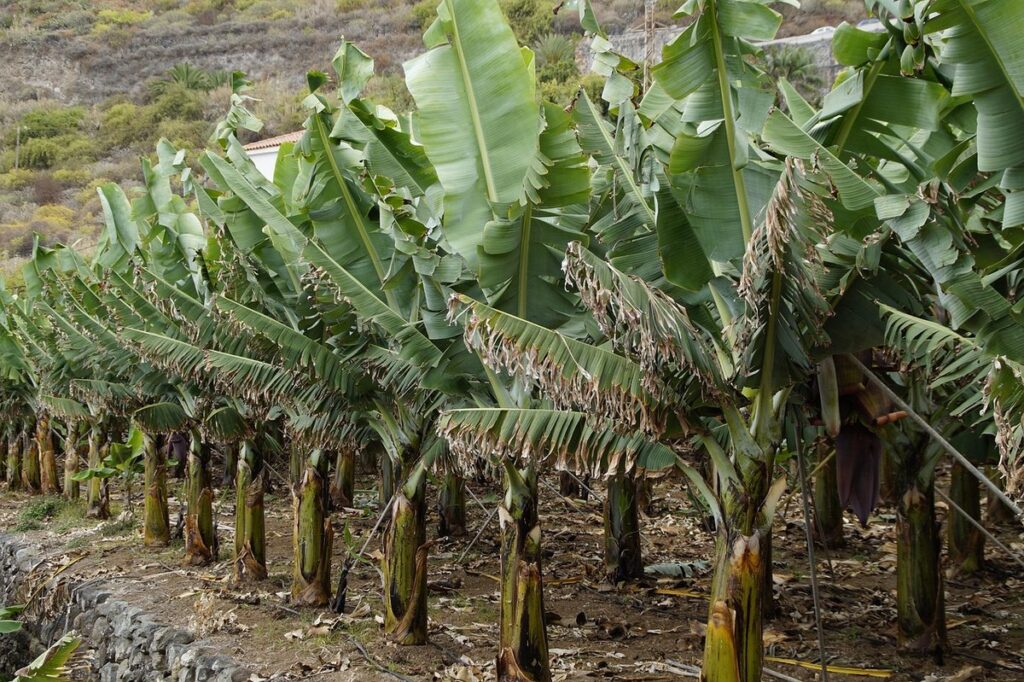
Choosing the Right Container and Location
When growing bananas in containers, selecting the right pot and placing it in a suitable location is crucial for your banana plant‘s success. Let’s dive into the details of container size and placement considerations.
Selecting a Suitable Container Size
When selecting a container for growing bananas, it’s essential to choose one that provides ample space for the plant’s extensive root system and tall stem. A general rule of thumb is to opt for a container that is at least 14-16 inches deep and 24-36 inches wide. This size range allows for healthy growth while keeping the container manageable.
Consider using a large pot or planter with good drainage holes to prevent waterlogged soil. You can also use a grow bag, which has built-in drainage and can be easily moved around. Keep in mind that larger containers hold more moisture, so ensure your chosen container has sufficient drainage capacity.
Some popular container options for growing bananas include ceramic pots, plastic planters, or wooden barrels. Choose a material that complements the plant’s natural appearance and fits your desired aesthetic. Don’t forget to add a layer of mulch around the base of the plant to retain moisture and suppress weeds.
As you select a suitable container size, remember to also consider the mature size of the banana plant. Some popular varieties like ‘Dwarf Cavendish’ or ‘Lady Finger’ grow relatively compactly, while others like ‘Fehi’ can reach up to 10 feet tall.
Understanding Sunlight and Temperature Requirements
When growing bananas in containers, it’s essential to understand the optimal sunlight and temperature conditions required for their growth. Bananas need a significant amount of direct sunlight to produce well, so choose a location that receives at least 6 hours of direct sunlight per day. However, be mindful of extreme temperatures, as banana plants are sensitive to heat stress above 85°F (30°C) and cold damage below 55°F (13°C).
To ensure your banana plant thrives, maintain a temperature range between 65°F (18°C) and 75°F (24°C). Avoid placing the container in areas with full sun during the hottest part of the day to prevent scorching. If you live in an area with intense sunlight, consider providing shade cloth or umbrellas to filter the light.
In addition to temperature control, protection from extreme weather conditions is crucial. Bring your container indoors during harsh winds, and ensure it’s secure to avoid toppling over. Also, be prepared for sudden rain showers by having a plan in place to protect the plant from waterlogged soil.
Preparing the Soil and Fertilization
Before you start planting your banana tree, let’s talk about preparing the soil and fertilization to create a healthy foundation for your plant to thrive. This is where the magic begins!
Creating a Banana-Friendly Potting Mix
When growing banana plants in containers, it’s essential to create a potting mix that mimics their natural habitat. Banana plants prefer well-draining soil with good aeration, which can be achieved by using a mix specifically designed for tropical plants.
A suitable potting mix should contain ingredients such as peat moss or coconut coir, perlite or vermiculite, and compost or worm castings. These components help to retain moisture while preventing waterlogging, which is crucial for healthy banana plant growth. Organic matter like compost adds nutrients and improves the soil’s structure, making it easier for roots to absorb necessary nutrients.
When selecting a potting mix, look for one that has a pH between 5.5 and 6.5, as bananas prefer slightly acidic conditions. You can also create your own mix by combining these ingredients in the right proportions. For example, you could use 50% peat moss or coconut coir, 20% perlite or vermiculite, and 30% compost.
Fertilizing Your Banana Plant
When it comes to fertilizing your banana plant, choosing the right type of fertilizer is crucial for optimal growth. As a container gardener, you’ll want to opt for a balanced fertilizer that provides essential nutrients like nitrogen (N), phosphorus (P), and potassium (K). Organic options like fish emulsion or compost tea are excellent choices, as they promote healthy soil biota and minimize environmental impact.
If you prefer synthetic fertilizers, look for water-soluble varieties specifically formulated for fruiting plants. These contain micronutrients essential for banana production, such as magnesium and sulfur. For example, Miracle-Gro Fruit & Citrus Plant Food is a popular choice among container gardeners.
To apply fertilizer effectively, follow these guidelines: dilute the recommended concentration to avoid burning your plant’s roots, and fertilize regularly during the growing season (spring-fall). For container-grown bananas, aim to fertilize every 1-2 weeks. You can also side-dress with a high-phosphorus fertilizer (e.g., bone meal) once a month to promote fruiting.
Remember to also consider the N-P-K ratio of your chosen fertilizer. A balanced formula like 20-20-20 will support overall plant health, while a 10-10-10 formula may be more suitable for container gardens with limited soil volume.
Planting a Banana Suckers or Seedling
When planting a banana sucker or seedling, it’s essential to choose a healthy specimen and follow proper planting techniques to give your banana plant the best start possible. Let’s dive into the step-by-step process of potting your new banana.
Obtaining Healthy Banana Suckers or Seedlings
When it comes to growing bananas in containers, obtaining healthy banana suckers or seedlings is crucial for success. You can purchase high-quality plants from local nurseries, online plant retailers, or even propagate them yourself from a friend’s plant. However, not all plants are created equal, and selecting the right one will make all the difference.
Look for plants with bright green leaves, firm stalks, and no signs of pests or disease. Avoid plants with yellowing or browning leaves, as this can indicate nutrient deficiencies or root problems. Check for any visible signs of pests like mealybugs, aphids, or spider mites.
When purchasing online, ensure the seller provides clear photos of the plant, including its roots, and a detailed description of its condition. Be wary of sellers who claim to ship “drought-tolerant” plants with no roots – these are likely scams.
To propagate your own banana suckers, choose healthy-looking stems from mature bananas, cut them just below the node (where the leaf meets the stem), and plant them in a well-draining potting mix. Keep the soil consistently moist but not waterlogged to encourage root development.
Planting Techniques and Container Preparation
When planting a banana sucker or seedling in a container, proper preparation is crucial for its success. Start by selecting a container that is at least 12-14 inches deep and has drainage holes to prevent waterlogged soil. If using a plastic pot, ensure it’s made of a breathable material to avoid cooking the roots.
Prepare the container by filling it with a well-draining potting mix specifically designed for tropical plants. Moisten the mix with water before planting, as this will help settle the roots and reduce transplant shock. Gently remove any twist ties or burlap from the sucker or seedling, taking care not to damage the delicate roots.
Next, position the banana plant in the center of the container, spreading out its roots evenly. Secure the plant with a bamboo stake or trellis to prevent it from toppling over. Water the plant thoroughly after planting and provide support as necessary to prevent wind damage.
Watering and Humidity Requirements
To grow banana plants successfully in containers, it’s crucial to understand how much water and humidity they need. Let’s dive into the specifics of their watering and humidity requirements.
Understanding Banana’s Water Needs
When growing banana plants in containers, it’s crucial to understand their water needs. Banana plants prefer moist soil, but overwatering can be detrimental. A general rule of thumb is to water your container-grown banana plant when the top 1-2 inches of soil feel dry to the touch.
Climate plays a significant role in determining watering frequency. In hot and dry climates, you’ll need to water your banana plant more frequently, ideally every 3-4 days during peak summer months. Conversely, in cooler and humid environments, you can reduce watering to once a week. Soil type also affects water requirements; well-draining mixes will require more frequent watering than heavier mixes.
Monitor moisture levels closely by inserting your finger into the soil or using a moisture meter. The ideal water schedule for container-grown banana plants is to provide about 1-2 gallons of water per week, taking into account rainfall and temperature fluctuations. Avoid getting water on the leaves to prevent fungal diseases; instead, focus on watering at the base of the plant.
Maintaining Adequate Humidity Levels
Maintaining adequate humidity levels is crucial for banana plants growing in containers. As bananas are native to tropical regions with high humidity, they naturally thrive in environments with moist air. To replicate this condition indoors or outdoors, you can implement a few techniques.
One effective method is misting the plant regularly using a spray bottle filled with water. This will raise the humidity levels around the leaves and promote healthy growth. However, be cautious not to overdo it, as excessive moisture can lead to root rot. A good rule of thumb is to mist the plant once or twice a week, depending on the climate.
Another option is covering your banana plant with a cloche during the night to create a humid microclimate around it. This simple yet effective technique helps maintain optimal humidity levels and protects the plant from frost. You can also place the container on a tray filled with water and pebbles, allowing the pot to draw moisture as needed through capillary action.
Common Challenges and Solutions
As you embark on growing bananas in containers, you’ll inevitably encounter some common hiccups that can stump even the most experienced gardeners. Let’s tackle these challenges together to ensure a thriving harvest.
Dealing with Pests and Diseases
As a container banana grower, you’re likely to encounter pests and diseases that can harm your plants. Some common culprits include spider mites, mealybugs, root rot, and yellow leaf spot.
Spider mites and mealybugs are tiny insects that feed on the sap of banana plants, causing yellowing leaves and stunted growth. To prevent these infestations, make sure to inspect your plants regularly for any signs of eggs or actual pests. Use neem oil or insecticidal soap to control infestations in their early stages.
Root rot is a common disease that occurs when the roots of the banana plant sit in waterlogged soil. This can be caused by overwatering, poor drainage, or a fungal infection. To prevent root rot, ensure good air circulation around your container and avoid getting water on the leaves. If you notice yellowing leaves or soft stems, it may be too late to save the plant.
Yellow leaf spot is another disease that affects banana plants in containers. It’s caused by a fungus that thrives in moist environments. To prevent this disease, keep the area around your container clean and free of debris. Water your plant carefully, avoiding overwatering, which can exacerbate the problem.
Overcoming Temperature Extremes and Nutrient Deficiencies
When growing bananas in containers, extreme temperatures can be a significant challenge. Heat stress can cause leaves to turn yellow and wilted, while frost damage can kill the plant outright. To mitigate these effects, it’s essential to provide some protection for your banana plant.
For hot weather, consider using shade cloth or umbrellas to filter intense sunlight. This will help maintain a consistent temperature between 65°F to 75°F (18°C to 24°C). If you live in an area prone to frost, bring your container indoors during winter months or move it to a protected location outside.
Nutrient deficiencies can also hinder banana plant growth. Potassium deficiency is common, causing yellowing leaves and reduced fruit production. To correct this, use a balanced fertilizer that includes potassium (such as 10-10-10 NPK). Regular fertilization will also promote healthy root development and increase yields.
In some cases, micronutrient deficiencies like magnesium or iron may occur. Supplement with specific products to address these issues. Monitor your plant’s response and adjust your fertilization schedule accordingly. By providing the right balance of nutrients and protecting against extreme temperatures, you can enjoy a thriving banana plant in your container garden.
Harvesting Your Homegrown Bananas
Now that your bananas are ripe and ready, it’s time to harvest them from their container home. Learn how to carefully pick your banana plants without causing damage.
When to Expect Fruit Production
When you start growing bananas in containers, one of the most exciting moments is waiting for them to produce fruit. The time frame for banana plants grown in containers to mature and produce fruit can vary greatly depending on factors such as variety, climate, and care practices.
Typically, it takes around 8-12 months for a banana plant grown in a container to reach maturity and produce its first bunch of bananas. However, some dwarf or compact varieties like ‘Dwarf Cavendish’ or ‘Super Dwarf’ can produce fruit within 6-9 months.
Climate plays a significant role in determining the time frame for fruit production. In warmer climates with temperatures above 64°F (18°C), banana plants tend to grow faster and produce fruit sooner than in cooler climates. Be sure to provide your container-grown bananas with plenty of sunlight, warmth, and consistent moisture levels to encourage healthy growth.
When you see the flower spike emerging from the plant, it’s a sign that the plant is about to produce fruit. Expect around 2-3 pounds (1-1.5 kg) of bananas per bunch, depending on factors like variety, care practices, and growing conditions. With proper care, your container-grown banana plant should provide you with multiple harvests throughout its lifespan.
Handling and Storing Homegrown Bananas
Proper handling and storage of homegrown bananas are crucial to maintaining their freshness and quality for consumption or further use. When you notice that your banana plant is ready to harvest, carefully twist the fruit from the stem to avoid damaging it.
Place the harvested bananas in a cool, dry place with good air circulation. You can store them at room temperature, away from direct sunlight, for up to 3-5 days. To maintain their ripeness for longer, you can also keep them in a sealed plastic bag or wrap them in newspaper, which will help retain moisture and regulate ethylene production.
If you plan to freeze your bananas for later use, peel and chop them before placing them in an airtight container or freezer bag. Frozen bananas are perfect for smoothies, banana bread, or as a topping for oatmeal or yogurt. For cooking purposes, store bananas at room temperature until they ripen fully, then peel and chop them before using.
Remember to monitor your stored bananas regularly for any signs of spoilage, such as mold, sliminess, or an off smell. By following these simple storage tips, you’ll be able to enjoy your homegrown bananas for a longer period while maintaining their optimal flavor and nutritional value.
Frequently Asked Questions
Can I use regular potting mix for growing bananas, or do I really need a banana-friendly mix?
No, you should not use regular potting mix for growing bananas. Banana plants have specific nutrient requirements that are best met by a dedicated banana-friendly potting mix. This specialized mix is formulated to provide the necessary potassium and magnesium for healthy growth and fruit production.
How often should I fertilize my banana plant during the first year of growth?
Fertilize your banana plant every 2-3 months during its first year of growth, using a balanced fertilizer (10-10-10 NPK). This will promote strong root development, leaf growth, and eventually, fruit production. Be sure to follow the instructions on the fertilizer packaging for proper application rates.
What are some common pests that can affect banana plants in containers?
Aphids, whiteflies, and spider mites are common pests that can infest banana plants in containers. Regularly inspect your plant for signs of infestation, such as sticky honeydew or webbing. Use neem oil or insecticidal soap to control infestations, and maintain good sanitation practices to prevent re-infestation.
Can I grow bananas in a shaded area, or do they require direct sunlight?
Banana plants require full sun to partial shade, but they can tolerate some shade. If growing in a shaded area, choose a variety that is more tolerant of shade, such as ‘Dwarf Cavendish’ or ‘Williams’. However, keep in mind that reduced sunlight may affect fruit production and plant health.
How long does it typically take for banana plants to produce fruit after planting?
The time to fruiting (TF) for banana plants can range from 9-12 months after planting, depending on factors such as climate, variety, and growing conditions. ‘Dwarf’ varieties tend to have a shorter TF than ‘Cavendish’, which can take up to 18 months or more to produce fruit.