
Growing your own beetroot has never been easier. With the rise of container gardening, you can now enjoy this delicious and nutritious root vegetable right on your balcony or patio. But before you start sowing those seeds, let’s get one thing straight: not all beetroot varieties are created equal when it comes to container growing. Some will thrive in even the smallest spaces, while others may require a bit more TLC.
In this article, we’ll show you how to choose the right variety for your container garden and provide expert tips on preparing the soil and overcoming common challenges. We’ll cover everything from sowing seeds to harvesting a bountiful crop, so whether you’re a seasoned gardener or just starting out, you’ll be growing delicious beetroot in containers like a pro in no time.
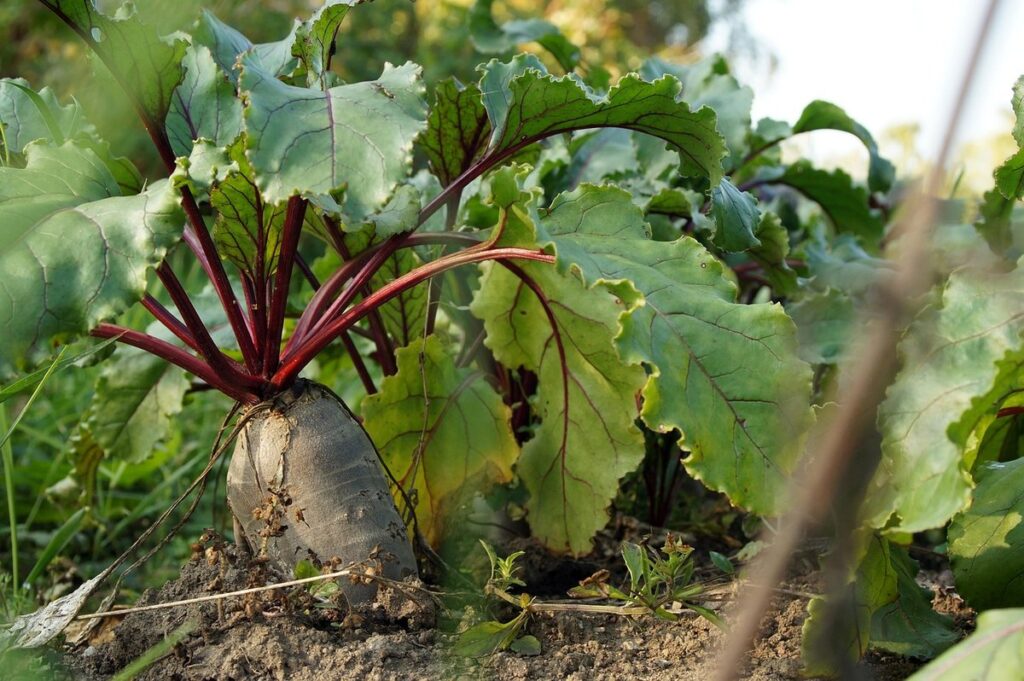
Benefits of Growing Beetroot in Containers
Growing beetroot in containers can be a fantastic way to enjoy a fresh crop, even if you don’t have much space, and we’re excited to share its benefits with you!
Advantages Over Traditional Gardening
Growing beetroot in containers offers several advantages over traditional gardening methods. For one, container gardens provide better control over soil quality and composition. This is particularly beneficial for beetroot, which requires well-draining yet nutrient-rich soil to thrive. By using high-quality potting mix specifically designed for root vegetables like beetroot, you can ensure optimal growing conditions.
Another significant advantage of container gardening is improved drainage. Beetroot doesn’t tolerate waterlogged soil well, and excess moisture can lead to fungal diseases and other issues. Containers with good drainage holes allow excess water to escape, preventing these problems. Moreover, containers provide increased flexibility in terms of placement and mobility. You can move them around to maximize sunlight exposure or adjust the growing conditions as needed.
This flexibility is especially useful for beetroot, which prefers cooler temperatures and partial shade. By placing your container garden in a spot that receives filtered sunlight, you can give your beetroot plants the ideal environment to grow.
Choosing the Right Container Size and Type
When growing beetroot in containers, choosing the right size and type of container is crucial for optimal growth. Beetroot plants can grow quite large, with some varieties reaching up to 12 inches in diameter. Therefore, it’s essential to select a container that provides enough space for the roots to develop.
A container size of at least 6-8 inches deep and 10-12 inches wide is recommended to accommodate the beetroot’s taproot system. Shallow containers can lead to misshapen or stunted roots. Consider using a container with good drainage holes to prevent waterlogged soil, which can cause root rot.
In terms of material, choose containers made from breathable materials like terra cotta or unglazed ceramic. These will allow for air and moisture exchange, reducing the risk of fungal diseases. Avoid using plastic or metal containers, as they can retain too much heat and moisture.
When selecting a container, also consider its weight and portability. Beetroot plants are heavy feeders, so make sure your chosen container is sturdy enough to support them. With these factors in mind, you’ll be well on your way to growing delicious beetroot in your containers.
Selecting the Perfect Beetroot Variety for Containers
When choosing a beetroot variety for your container garden, consider factors such as root size, leaf type, and disease resistance to ensure success. This section will guide you through selecting the perfect variety.
Dwarf or Compact Varieties
When selecting a beetroot variety for container growing, it’s essential to choose one that’s specifically bred for compact spaces. These dwarf or compact varieties are designed to thrive in smaller containers and produce high yields despite their limited root space.
One popular option is the ‘Baby Beet’ variety, which produces small, tender roots perfect for salads and roasting. Another great choice is the ‘Detroit Dark Red’ variety, but look for the compact version, which grows up to 10 inches tall and produces delicious, deep-red roots.
Compact beetroot varieties like these have several advantages when grown in containers. For one, they require less space, making them ideal for small balconies or patios. They also tend to mature faster, taking around 60-70 days to harvest compared to standard varieties that can take up to 100 days. This means you’ll get a head start on the harvest season and enjoy your homegrown beets sooner!
Other Suitable Varieties
While many beetroot varieties are specifically bred for container growing, there are others that can also thrive in these conditions. Take for instance the ‘Detroit Dark Red’ variety, which is a popular choice among gardeners due to its high sugar content and sweet flavor. This variety may not be labeled as compact or dwarf, but it still performs well in containers, provided they’re at least 12 inches deep.
Another option is the ‘Golden Beet’, which boasts a vibrant golden color and sweet, earthy flavor. Its spreading habit makes it suitable for larger containers, where it can spread out to its full potential. In fact, this variety tends to perform better in deeper containers, where it can develop a stronger root system.
When growing these varieties in containers, be sure to provide them with at least 6 hours of direct sunlight per day and keep the soil consistently moist but not waterlogged. With proper care, you’ll enjoy a bountiful harvest of delicious beetroot from your container garden.
Preparing the Container Soil
Before we start sowing, it’s crucial to prepare your container soil properly. This involves testing and adjusting its pH level and nutrient balance to suit beetroot’s specific needs.
Essential Nutrients and Fertilizers
When it comes to growing beetroot in containers, providing the right nutrient-rich soil is crucial for optimal growth and flavor. Beetroot is a heavy feeder, requiring an adequate supply of essential nutrients such as nitrogen (N), phosphorus (P), potassium (K), magnesium, sulfur, and micronutrients like boron, copper, iron, manganese, and zinc.
To incorporate these nutrients into your container soil, you can use organic or synthetic options. For example, compost or well-rotted manure can be added to the potting mix to provide a natural source of nutrients. Additionally, fish emulsion or seaweed extract can be used as liquid fertilizers for an immediate nutrient boost.
A general rule of thumb is to start with a balanced fertilizer (such as 10-10-10 NPK) and supplement with specific micronutrients as needed. For beetroot, it’s essential to maintain high levels of potassium (K) and magnesium throughout the growing season. Regular soil testing will help you identify any nutrient deficiencies and make informed decisions about your fertilization schedule.
Remember that organic options may take longer to take effect but provide long-term benefits to the soil ecosystem.
Soil pH and Beetroot Growth
Soil pH plays a crucial role in beetroot growth, and understanding its importance will help you optimize conditions for these root vegetables. Beetroot prefers a slightly acidic to neutral soil pH range of 6.0-7.0. If your container’s soil pH falls outside this range, it may affect nutrient availability, making it difficult for the roots to absorb essential micronutrients.
If your test reveals an excessively high or low pH level, don’t worry – you can take corrective action. For instance, if your soil is too alkaline (above 7.0), adding elemental sulfur or aluminum sulfate will help lower the pH. Conversely, if it’s too acidic (below 6.0), incorporating lime into the soil should rectify the issue.
To maintain optimal pH levels throughout the growing season:
• Test your container’s soil regularly using a DIY kit or sending it to a lab for analysis.
• Make adjustments as needed based on test results.
• Monitor plant responses and adjust your pH correction strategy accordingly.
• Aim to maintain a stable pH range, allowing beetroot roots to thrive.
Sowing and Caring for Beetroot in Containers
To grow beetroot successfully in containers, you’ll need to pay attention to sowing depth, soil quality, and watering habits. Let’s dive into these essential details next.
Seed Starting and Sowing Techniques
When it comes to sowing beetroot seeds in containers, timing is crucial for maximum growth. In general, it’s best to sow beetroot seeds 4-6 weeks before the last frost date in your area, as they prefer cooler temperatures. Sow them indoors in seed trays or small pots filled with a good quality potting mix.
Sow the seeds about 1-2 cm deep and 2-3 cm apart from each other, allowing for some wiggle room as the roots can spread quite far once established. You can also sow beetroot seeds directly into larger containers, making sure they have at least 10-15 cm of root space.
To give your seedlings a head start, you can also use grow lights to provide them with extra light, especially if you’re sowing in the early spring or late summer when natural daylight is scarce. Keep the soil consistently moist during the first few weeks after sowing, and gradually reduce watering as the plants mature.
It’s also essential to harden off your beetroot seedlings before transplanting them into their final container position outdoors.
Watering and Irrigation Strategies
When it comes to watering and irrigation strategies for beetroot plants grown in containers, consistency is key. Beetroot needs about 1-2 inches of water per week, either from rain or irrigation. To achieve this, you can use a drip irrigation system or soaker hoses that deliver water directly to the roots.
Make sure not to overwater your beetroot plants, as this can lead to root rot and other issues. Check the soil moisture by inserting your finger into the soil up to the knuckle. If it feels dry, it’s time to water. Water thoroughly until you see water coming out of the drainage holes.
Be mindful of the temperature when watering your container-grown beetroot plants. If it’s a hot day, they’ll need more water than on cooler days. Avoid getting water on the leaves to prevent fungal diseases; instead, direct the water at the base of the plant.
Monitor your plants’ response to irrigation and adjust as needed. Keep an eye out for signs of underwatering or overwatering, such as yellowing leaves or a soft stem.
Common Challenges and Solutions
Growing beetroot in containers can be a bit tricky, so let’s dive into some of the common challenges you might face and how to overcome them.
Dealing with Pests and Diseases
When growing beetroot in containers, it’s essential to be aware of common pests and diseases that can affect your crop. Aphids are a frequent problem, especially in container gardens where water can collect on leaves. These tiny insects feed on sap, causing curled or distorted leaves. To control aphid populations, use neem oil or insecticidal soap, following the product’s instructions.
Slugs and snails also thrive in moist environments like containers, feeding on beetroot leaves at night. Hand-picking is a simple yet effective method to control these pests, or you can use copper tape around the pot’s rim to deter them.
Powdery mildew is another common issue in container gardens. This fungal disease causes white powdery growth on leaves and stems. To prevent it, ensure good air circulation, water carefully, and avoid overcrowding your containers. If infection occurs, treat with a fungicide specifically labeled for powdery mildew control.
Regular monitoring of your plants is key to early detection and treatment. Keep an eye out for these pests and diseases, and take action promptly to prevent damage and ensure a healthy beetroot crop.
Tips for Avoiding Overcrowding and Promoting Healthy Growth
When growing beetroot in containers, it’s essential to avoid overcrowding to ensure healthy growth and prevent pests from taking over. Overcrowded containers can lead to reduced air circulation, increased moisture, and an environment conducive to fungal diseases. To prevent this, plant beetroot seeds 1-2 inches apart and thin them out to 3-4 inches as they grow.
Companion planting can also help promote healthy growth and deter pests. Planting marigolds or nasturtiums alongside beetroot repels nematodes and other pests that target the crop. Radishes, on the other hand, can be used to break up compacted soil and improve drainage around the roots. Consider intercropping with plants like lettuce, herbs, or flowers to create a diverse container garden.
Remember, a well-planned container layout is crucial for optimal growth. Make sure your containers are at least 6-8 inches deep to accommodate beetroot’s extensive root system. Avoid planting too many large, spreading plants together, and instead opt for compact varieties that won’t outcompete the beetroot. By following these tips, you’ll be well on your way to growing a thriving container garden filled with delicious and healthy beetroot.
Frequently Asked Questions
Can I grow beetroot in containers with poor drainage?
No, beetroot requires well-draining soil to thrive. If your container has poor drainage, consider adding a layer of perlite or vermiculite to improve water flow and prevent root rot.
How often should I water my beetroot plants in containers?
Water your beetroot plants when the top 1-2 inches of soil feels dry to the touch. Avoid overwatering, which can lead to root rot and other problems. Check the moisture level daily, especially during hot weather.
Can I use regular potting mix for growing beetroot in containers?
While regular potting mix is a good starting point, it may not provide enough nutrients for beetroot. Consider adding a balanced fertilizer (e.g., 10-10-10 NPK) or using a potting mix specifically designed for root vegetables like beetroot.
What’s the ideal temperature range for growing beetroot in containers?
Beetroot prefers cooler temperatures between 60°F to 70°F (15°C to 21°C). Avoid exposing your plants to extreme heat above 80°F (27°C), which can cause bolting and reduce yields. Provide some shade during the hottest part of the day.
Can I direct sow beetroot seeds in containers, or should I start them indoors?
Both methods work well, but starting beetroot seeds indoors 2-3 weeks before transplanting to larger containers can give them a head start on the growing season. This way, you’ll have healthier seedlings with less risk of pests and diseases.