
As you tend to your forest garden, you’re likely searching for ways to create a thriving ecosystem that works in harmony with nature. One powerful tool for achieving this is the pine tree guild, a permaculture design principle that combines multiple plants around a central tree to increase biodiversity and reduce maintenance. By implementing a pine tree guild, you can attract beneficial insects, improve soil health, and even boost your forest garden’s productivity. But what exactly is a pine tree guild, and how do you go about designing one? In this article, we’ll dive into the principles of creating a productive and resilient pine tree guild, exploring how to combine plants that provide food, shelter, and other essential services for a healthy ecosystem.
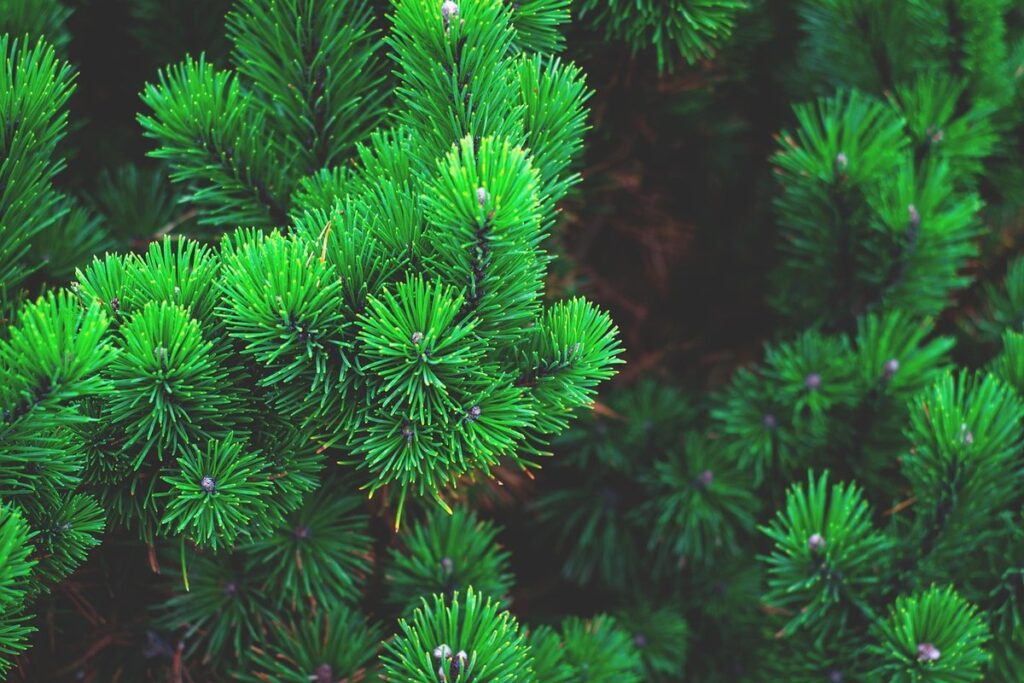
Introduction to Pine Tree Guilds
Welcome to our exploration of pine tree guild permaculture, a unique approach to forest gardening that’s gaining traction worldwide. Here we’ll delve into its principles and benefits for you.
What are Pine Tree Guilds?
Pine tree guilds are a vital component of permaculture design, mimicking the natural relationships found in forest ecosystems. Essentially, a pine tree guild is a diverse community of plants and microorganisms that work together to create a symbiotic environment around a central tree species, in this case, pines.
These guilds can be used as a model for sustainable forest gardening by providing multiple benefits such as increased biodiversity, reduced soil erosion, improved soil health, and enhanced ecosystem services. By incorporating a variety of plants with different growth habits, light requirements, and nutrient cycles, pine tree guilds promote a self-sustaining ecosystem that is resilient to pests, diseases, and climate fluctuations.
For example, planting nitrogen-fixing legumes like beans or peas near the base of pine trees can provide essential nutrients while spreading out in the understory. Companion plants like comfrey and dandelion offer additional benefits by improving soil fertility and repelling pests. By replicating these relationships on a smaller scale, gardeners can create thriving ecosystems that thrive with minimal external inputs.
Benefits of Pine Tree Guilds
When implemented correctly, pine tree guilds offer a multitude of benefits that make them an attractive addition to forest gardens. One of the primary advantages is increased biodiversity. By combining multiple plant species under the canopy of a single pine tree, you create a diverse ecosystem that supports a wide range of beneficial insects, microorganisms, and wildlife.
This diversity not only enhances the overall health of your forest garden but also reduces maintenance requirements. With a guild in place, you’ll have fewer weeds to worry about, as the dense growth suppresses unwanted vegetation. Additionally, the guild will attract beneficial pollinators and predators that help control pests naturally, reducing the need for pesticides.
In terms of ecosystem services, pine tree guilds excel. They improve soil health by adding organic matter, increasing fertility, and promoting beneficial microbial activity. The diverse plant species within a guild also contribute to improved water cycling and retention, making your forest garden more resilient in times of drought or excessive rainfall.
Designing a Pine Tree Guild
When designing a pine tree guild, consider companion plants that will benefit from the tree’s shade and tolerate its needle drop. This section explores ideal guild members for optimal growth.
Assessing Your Site Conditions
When designing a pine tree guild, it’s crucial to assess your site conditions before bringing your vision to life. This step may seem tedious, but trust us, it’s essential for creating a thriving and sustainable forest garden.
Start by considering the climate of your region. Different climates require specific adaptations in your design. For instance, if you live in an area with extreme temperatures or harsh winters, choose pine species that are tolerant to these conditions. In contrast, temperate regions offer more flexibility in selecting tree varieties.
Next, examine your soil type and existing vegetation. Pine trees prefer well-drained acidic soils, so if your site has heavy clay or alkaline soils, you may need to amend it with organic matter like compost or peat moss. Also, consider the mature size of your pine tree and its potential impact on surrounding plants. Observe which plants are already growing in your area – they can serve as a starting point for your guild design.
Take note of any microclimates within your site, such as areas with full sun, partial shade, or areas with prevailing winds. These factors will influence the type of plants you choose to accompany your pine tree.
Choosing the Right Companions
When designing a pine tree guild, choosing the right companions is crucial for creating a thriving and diverse ecosystem. This requires selecting plants that not only coexist harmoniously but also complement each other’s needs.
For nitrogen-fixing legumes, consider incorporating plants like beans, peas, or clover into your guild. These legumes convert atmospheric nitrogen into a form that’s accessible to the pine tree, reducing the need for external fertilizers and promoting healthy growth.
Fruit trees can be excellent companions for pines, providing shade, pest control, and additional food sources. For example, planting apple or pear trees under a mature pine can create a mutually beneficial relationship. The fruit trees’ roots help stabilize soil while their leaves provide dappled shade, reducing water loss from the pine’s needles.
Herbs like comfrey and yarrow also make excellent additions to your guild. Comfrey acts as a fertilizer plant, adding nutrients to the soil through its deep taproots, while yarrow helps repel pests that might target your pine tree. By thoughtfully selecting these companions, you can create a richly diverse and resilient ecosystem within your pine tree guild.
Creating a Guild Structure
Creating a guild structure that’s tailored to your specific site conditions and plant choices is crucial for a thriving pine tree guild. Start by observing your site’s microclimate – note the amount of sunlight, wind direction, and soil moisture levels. This will help you choose plants that are adapted to these conditions.
Consider the mature size of each plant and how they’ll interact with one another. For example, if you’re growing a dwarf pine tree, companion plants like comfrey or creeping thyme can thrive in its shade. On the other hand, sun-loving plants like lavender or rosemary will do better near full-sun areas.
When selecting plants for your guild, choose species that complement each other’s growth habits and needs. This might include nitrogen-fixing legumes to partner with pine trees, or plants with deep taproots to bring up nutrients from deeper soil layers. Be mindful of plant heights, root depths, and spread to ensure a harmonious coexistence.
By taking these factors into account, you’ll create a diverse and resilient guild structure that’s optimized for your specific site conditions. This will lead to healthier trees, increased biodiversity, and reduced maintenance needs over time.
Plant Selection for Pine Tree Guilds
When it comes to creating a thriving pine tree guild, selecting the right plants is crucial. Let’s explore some essential plant combinations that will enhance your forest garden’s biodiversity and productivity.
Nitrogen-Fixing Legumes
Nitrogen-fixing legumes are a crucial component of pine tree guilds, playing a vital role in maintaining soil fertility and promoting healthy tree growth. These legumes have the remarkable ability to convert atmospheric nitrogen into a form that’s usable by plants, reducing the need for external fertilizers.
When selecting nitrogen-fixing legumes for your pine tree guild, consider species like white clover (Trifolium repens), red clover (Trifolium pratense), or beans such as bush beans (Phaseolus vulgaris) and climbing beans (Phaseolus coccineus). These plants are not only effective nitrogen fixers but also provide additional benefits, including erosion control, weed suppression, and habitat creation for beneficial insects.
Incorporating nitrogen-fixing legumes into your pine tree guild is relatively easy. Simply sow the seeds or seedlings around the base of the pine tree, taking care to maintain adequate spacing between plants. As the legumes grow and mature, they’ll begin to fix nitrogen in the soil, creating a nutrient-rich environment for the surrounding vegetation.
By incorporating these hardy, adaptable legumes into your pine tree guild, you can create a thriving ecosystem that’s resilient, sustainable, and requires minimal external input.
Fruit Trees and Other Fruiting Plants
When it comes to creating a diverse and productive pine tree guild, incorporating fruit trees and other fruited plants can have a significant impact. These plants not only provide delicious fruits but also contribute to the ecosystem’s overall health by attracting pollinators and other beneficial insects.
Some popular fruit trees that thrive in a pine tree guild include apple, pear, cherry, and plum varieties. When selecting fruit trees for your guild, consider factors like mature size, growth rate, and soil preferences to ensure they complement the surrounding vegetation. For instance, dwarf or semi-dwarf rootstocks can be used for smaller spaces, while columnar or compact varieties are ideal for areas with limited width.
In addition to fruit trees, other fruited plants like blueberries, raspberries, blackberries, and strawberries can also be integrated into your guild. These plants require less space than trees and often prefer slightly acidic soils, making them an excellent choice for pine-dominated ecosystems. By incorporating these fruiting plants, you’ll not only increase biodiversity but also create a more resilient and productive forest garden that provides multiple benefits throughout the seasons.
Medicinal Herbs and Other Companions
Incorporating medicinal herbs and other companions into your pine tree guild can be a game-changer for creating a thriving ecosystem. Not only do these plants provide additional benefits to the environment, but they also create a more diverse and resilient system.
Comfrey, for example, is an excellent addition to any pine tree guild. This perennial herb acts as a fertilizer plant, its deep taproots bringing up nutrients from below the soil surface and depositing them back into the soil through its leaves. This reduces the need for synthetic fertilizers and creates a nutrient-rich environment that benefits the pine tree and other surrounding plants.
Dandelion is another beneficial companion to consider, providing valuable sources of food for pollinators like bees and butterflies. Its deep taproots also help break up compacted soil and improve drainage, creating an ideal environment for plant growth.
When selecting medicinal herbs and other companions for your pine tree guild, choose species that thrive in the same conditions as your trees. Be sure to research compatibility to avoid introducing plants that may compete with or harm your pine trees.
Maintenance and Management
To keep your pine tree guild thriving, regular maintenance is crucial – we’ll cover essential tasks to ensure your forest garden remains healthy and productive over time.
Watering and Mulching Strategies
Watering and mulching are crucial aspects of maintaining a healthy and productive pine tree guild. When it comes to watering, avoid overwatering, which can lead to root rot and other issues. Instead, focus on deep watering, allowing the soil to absorb water slowly but thoroughly. This can be achieved by installing a drip irrigation system or using soaker hoses.
Mulching is another essential strategy for maintaining your pine tree guild. Organic mulches like wood chips, bark, or leaves help retain moisture, suppress weeds, and regulate soil temperature. Apply a 3-4 inch layer of mulch around the base of the trees, keeping it a few inches away from the trunk to prevent potential harm.
When selecting mulch materials, opt for locally sourced, untreated options to minimize environmental impact. Consider using pine straw or needles as natural mulches that can help retain moisture and suppress weeds. Regularly replenish the mulch layer as needed to maintain its effectiveness. By incorporating these watering and mulching strategies into your pine tree guild management plan, you’ll be well on your way to creating a thriving and resilient ecosystem.
Pruning and Training Techniques
Pruning and training techniques are essential components of maintaining a thriving pine tree guild permaculture. By pruning and training your pine tree and its companions, you can optimize their growth and productivity, leading to a more resilient and diverse ecosystem.
To prune your pine tree effectively, focus on removing any dead or diseased branches, as well as those that are growing inward or rubbing against each other. This will help maintain the tree’s shape and promote healthy growth. Consider pruning during the dormant season (winter or early spring) to minimize stress and encourage new growth.
When training companion plants, such as fruit trees or shrubs, beneath your pine tree, use a technique called “espalier.” This involves pruning and guiding the stems of the companion plant to grow along a trellis or support system. This will allow you to make the most of space while creating a visually appealing arrangement.
Some popular training methods for companion plants include “cordons” (long, thin branches trained against a wall) and “topiary” (shaped hedges). By combining these techniques with regular pruning, you can create a lush, thriving ecosystem that’s both beautiful and productive.
Monitoring and Adjusting Your Guild
Monitoring and adjusting your pine tree guild is an ongoing process that requires attention to detail and a willingness to make changes as needed. This might seem daunting, but with regular observation and adjustments, you can ensure the long-term success of your guild.
Start by regularly inspecting your guild for signs of stress or imbalance. Look for issues like pests, diseases, or nutrient deficiencies, which can impact tree health and productivity. Check soil moisture levels, ensuring they’re not too dry or waterlogged, as this can cause root damage or lead to disease.
Adjustments might be needed to rebalance the guild’s ecosystem. For example, if you notice a specific species is outcompeting others for resources, consider pruning or relocating it. You may also need to add organic amendments like compost or manure to replenish soil nutrients.
By staying vigilant and making adjustments as necessary, you’ll create a thriving, resilient pine tree guild that continues to provide benefits for years to come.
Case Studies and Examples
Let’s take a closer look at how pine tree guild permaculture has been successfully implemented on real-world properties, from urban backyards to rural homesteads. We’ll explore inspiring examples of this regenerative approach in action.
Successful Pine Tree Guilds Around the World
One of the most compelling aspects of pine tree guild permaculture is its versatility and adaptability to various climates and ecosystems. Let’s take a look at some successful pine tree guilds from around the world, highlighting their unique characteristics and challenges.
In Japan, for example, farmers have developed an intricate system of pine tree guilds that maximize space while minimizing resources. By carefully selecting companion plants such as azaleas, rhododendrons, and ferns, Japanese farmers can create dense, low-maintenance ecosystems that thrive under the canopy of towering pines.
In New Zealand, permaculture designers have successfully implemented pine tree guilds in rugged, coastal environments. By incorporating drought-tolerant species like lavender and rosemary into their designs, they’ve created resilient and productive ecosystems that not only provide timber but also act as natural windbreaks.
These examples demonstrate the potential for pine tree guilds to be tailored to specific regional conditions, making them an attractive option for farmers and gardeners worldwide. By studying these case studies and understanding the unique challenges faced by each community, we can develop our own successful pine tree guilds that meet local needs while promoting sustainable forest gardening practices.
Lessons Learned and Best Practices
As you explore the possibilities of pine tree guild permaculture, it’s essential to learn from others who have successfully implemented this approach. By examining case studies and real-world examples, you can distill key lessons learned and best practices to inform your own design and management.
One crucial takeaway is the importance of selecting companion plants that complement the needs of your pine trees. In a guild in Hawaii, for example, farmers paired pine trees with nitrogen-fixing legumes like beans or peas, which helped enrich the soil while also providing shade and wind protection. Similarly, consider integrating fruit trees or shrubs to create a diverse and resilient ecosystem.
Another vital lesson is the value of gradual establishment. Pine tree guilds can be complex systems, requiring time to mature and thrive. A case study from a forest gardening project in Europe demonstrated that allowing 3-5 years for the guild to establish before harvesting any products led to better yields and healthier trees.
When designing your own pine tree guild, remember to prioritize diversity, adaptability, and observation. Regular monitoring will help you identify areas for improvement and opportunities to integrate new plants or practices. By embracing these key lessons learned from case studies, you’ll be well on your way to creating a thriving and sustainable forest garden of your own.
Conclusion
As we wrap up our exploration of pine tree guild permaculture, let’s summarize the key takeaways from your journey into forest gardening with a sustainable twist.
Recap of Key Points
Let’s recap the key points covered in this article on pine tree guild permaculture. As we’ve explored together, a pine tree guild is a diverse and thriving ecosystem that mimics nature by planting multiple species of plants around a single tree. This approach has numerous benefits for sustainable forest gardening.
One of the most significant advantages of pine tree guilds is their ability to increase biodiversity. By incorporating a variety of plants, such as nitrogen-fixing legumes, comfrey, and berry-producing shrubs, you can create a haven for wildlife and promote ecological balance. For example, by planting a mix of comfrey, oregano, and thyme around your pine tree, you can attract beneficial insects, improve soil health, and even deter pests.
Another key point is the potential for increased crop yields through mulching and nutrient cycling. By using plant material from your guild to create a rich layer of mulch, you can retain moisture, suppress weeds, and regulate soil temperature – leading to healthier trees and more abundant harvests. Plus, as plants like comfrey and legumes fix nitrogen in the soil, you’ll enjoy improved fertility without relying on external inputs.
To get started with your own pine tree guild, consider these take-home tips: plant a mix of species that complement each other’s growth habits and needs; incorporate perennial plants for long-term productivity and minimal maintenance; and don’t forget to leave space for sunlight penetration – about 60-80% coverage is ideal. By embracing the principles of pine tree guild permaculture, you’ll be well on your way to cultivating a thriving, low-maintenance forest garden that’s both beautiful and productive.
Frequently Asked Questions
Can I use pine tree guilds in cold climates or areas with short growing seasons?
Yes, pine tree guilds can thrive in a variety of environments, including cold climates. When designing your guild for colder regions, focus on selecting plants that are hardy and adapted to the local climate. Choose species that are resistant to frost and have a shorter growth period. For example, you may want to include nitrogen-fixing legumes like winter rye or hairy vetch in your pine tree guild.
How do I know which companion plants to choose for my specific pine tree species?
The choice of companion plants depends on the specific needs and characteristics of your pine tree species. Research the unique requirements of your tree, such as its preferred soil type, moisture level, and nutrient demands. Then, select companions that complement these needs. For instance, if you have a coniferous pine, consider adding mycorrhizal fungi or plants with high root depth to maximize nutrient uptake.
Can I create a pine tree guild in containers or small spaces?
While traditional pine tree guilds are often designed for larger areas, you can also create mini-guilds in containers. This is ideal for small spaces, such as urban gardens or balconies. Choose compact plant varieties and select plants that thrive in container conditions. Ensure the container has adequate drainage and a balanced fertilizer to support the growth of your mini-guild.
How do I deal with pests and diseases in my pine tree guild?
Integrating beneficial insects and microorganisms can help control pests and diseases naturally. Incorporate attractant plants like flowers or herbs that lure pollinators, which also feed on pest populations. You may also consider introducing beneficial nematodes, a natural parasite that controls insect pests. Regular pruning and maintenance practices can also prevent disease spread.
Can I combine pine tree guilds with other permaculture design elements, such as water harvesting or rainwater collection?
Absolutely! Pine tree guilds are highly adaptable to various permaculture designs. Incorporating features like swales, ponds, or rainwater collection systems can enhance the overall resilience and productivity of your ecosystem. Consider adding plants that help stabilize soil and reduce erosion around these features, ensuring a harmonious coexistence with your pine tree guild.