
Companion planting is an age-old technique that’s been used by gardeners for centuries to create healthier, more resilient crops. And when it comes to companion planting garlic, the benefits are truly impressive. Not only does garlic repel pests and diseases that can damage nearby plants, but it also improves soil health and enhances their flavor and aroma. By learning how to effectively use garlic as a companion plant, you can take your gardening skills to the next level and grow more vibrant, disease-resistant crops. In this article, we’ll explore the best practices for successful companion planting with garlic, from choosing the right varieties to pairing it with other beneficial plants. Whether you’re a seasoned gardener or just starting out, this guide will show you how to get the most out of your garlic and create a thriving garden ecosystem.
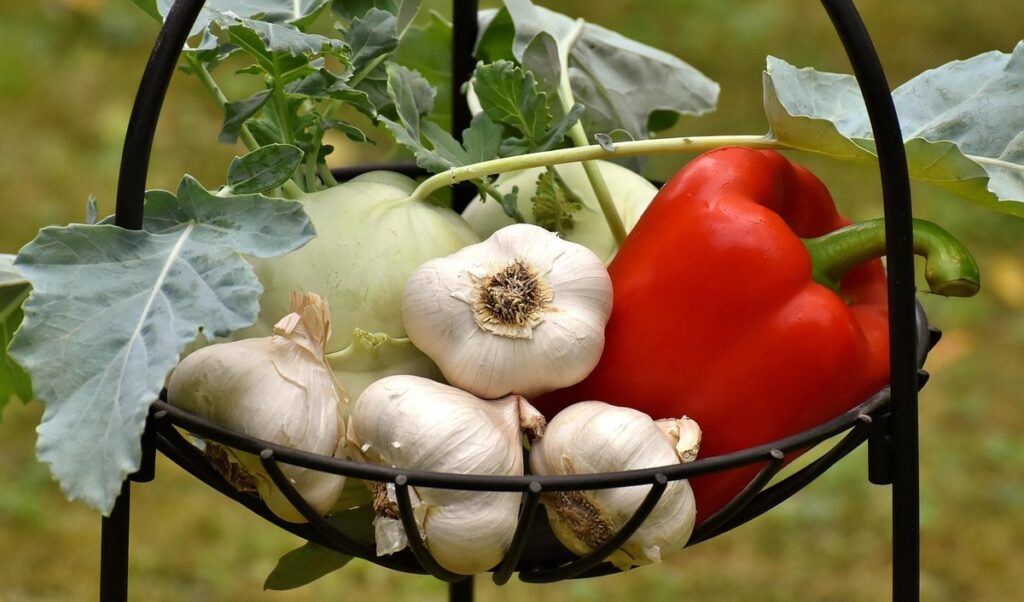
Benefits of Companion Planting with Garlic
Garlic is a natural pest repellent and can enhance soil health, but did you know it also pairs well with certain veggies to boost growth and flavor? Let’s explore its beneficial companions.
Improved Soil Health and Structure
When you plant garlic alongside other vegetables and flowers, it’s not just about repelling pests – its impact on soil health is equally impressive. Garlic’s deep roots, which can reach up to 4 feet underground, help to break up compacted soil, allowing for better drainage and aeration. This process, known as root pruning, enables the surrounding plants’ roots to grow more freely, leading to healthier, more robust growth.
As garlic breaks down, its sulfur compounds are released into the soil, attracting beneficial microbes that further enhance soil fertility. This symbiotic relationship between garlic and microorganisms leads to increased nutrient uptake by nearby plants, resulting in vibrant foliage and improved yields. Moreover, garlic’s ability to improve soil structure makes it an excellent companion plant for vegetables like carrots, beets, and potatoes, which can become waterlogged in poorly draining soils.
To maximize the benefits of garlic on your garden’s soil health, plant it around the perimeter of your beds or interspersed among other plants. As you harvest your garlic bulbs each summer, add them to your compost pile to create a nutrient-rich fertilizer for future seasons.
Deterrent Properties against Pests and Diseases
When you plant garlic alongside other vegetables and flowers, it releases compounds that deter pests and diseases from affecting those plants. For instance, aphids, which feed on sap, are repelled by the strong scent of garlic. This is because aphids have a sensitive sense of smell and associate the pungent aroma with danger.
Similarly, spider mites, tiny insects that feed on plant sap, are also deterred by garlic’s fragrance. They can’t tolerate its overpowering smell and will often leave infested plants when they detect it nearby. Garlic’s benefits extend beyond pest control as well; it has antifungal properties that can prevent fungal infections like powdery mildew and root rot.
You can use this knowledge to your advantage by planting garlic around the perimeter of your garden or interspersing it among other vegetables. This will not only help deter pests but also create a healthier environment for your plants to grow. Just remember to use the right variety of garlic, such as elephant garlic or hardneck garlic, which have stronger scents than softneck varieties and are more effective at repelling pests.
Enhanced Flavor and Aroma
When you plant garlic near other vegetables and herbs, not only do they receive protection from pests and diseases, but their flavor and aroma are also enhanced. This is because garlic has a unique ability to stimulate the growth and development of nearby plants, leading to an increase in their natural oils and essential compounds.
One example of this phenomenon is the way garlic improves the taste of tomatoes. When planted together, garlic’s strong scent repels pests that target tomato plants, such as aphids and whiteflies. But it also stimulates the production of lycopene, a pigment responsible for tomato flavor and aroma. The result is sweeter, more flavorful tomatoes with an intense aroma.
To take advantage of this benefit in your own garden, simply plant garlic alongside your favorite vegetables and herbs. As with any companion planting arrangement, be sure to choose varieties that have similar growing requirements and mature at the same time. Not only will you enjoy improved flavor and aroma, but also better pest resistance and a healthier, more diverse crop mix.
Choosing the Right Garlic Variety for Companion Planting
When selecting garlic varieties for companion planting, consider factors like growth habits and flavor profiles to ensure you’re choosing the best match for your specific garden needs. This includes pest-resistant options.
Selecting Garlic Varieties Based on Climate and Region
When selecting garlic varieties for companion planting, climate and region play a crucial role. Garlic is a hardy crop that can thrive in diverse conditions, but some types are better suited to specific environments.
In regions with hot summers and mild winters, such as the Mediterranean or California, look for heat-tolerant varieties like ‘Robust’ or ‘Creole’. These types have high yields and resist bolting (premature flowering), which is essential in warm climates. In contrast, areas with cool winters and short growing seasons, like the UK or Canada, require cold-hardy garlics like ‘Silverskin’ or ‘Hardneck’.
Understanding your region’s climate will help you choose a suitable variety. For instance, if you live in an area prone to spring frosts, select garlic that can withstand light frost, such as ‘Rocambole’ or ‘Purple Glazer’. Consider factors like temperature fluctuations, soil quality, and moisture levels when selecting a variety.
Some popular garlic varieties for companion planting include ‘Elephant’, which is known for its robust growth and strong flavor. Others, like ‘Red Silver’, are better suited for their unique flavors and aromas. By considering climate and region, you can choose the best garlic variety to enhance your garden’s growth and productivity.
Factors to Consider When Selecting a Garlic Variety
When selecting a garlic variety for companion planting, several key factors come into play to ensure you choose a cultivar that will thrive and effectively support the growth of nearby plants. Disease resistance is one critical consideration, as certain varieties are bred to be more resilient against specific fungal diseases common in gardens. For example, ‘Rocambole’ and ‘Silverskin’ garlics are known for their high level of resistance to neck rot.
Another important factor to consider is the growth habits of the garlic variety, particularly its maturation rate and bulb size. If you’re planning to companion plant with tall-growing plants like tomatoes or corn, look for a garlic variety that matures relatively quickly – within 90-100 days – to avoid being overshadowed. Conversely, if your companion planting strategy involves more compact plants, a slower-maturing garlic like ‘Elephant’ (120+ days) may be suitable.
Finally, be aware of the specific maturity dates of different garlic varieties to ensure you’re providing a steady supply of companions throughout the growing season.
How to Plant Garlic for Optimal Companion Planting
To get started, let’s dive into the specifics of planting garlic for maximum benefit as a companion plant, where every detail counts. Planting garlic correctly is key to successful companion planting.
Preparing the Soil for Garlic Planting
Before you can plant garlic, it’s essential to prepare the soil for optimal growth. Start by testing the pH level of your soil, as garlic prefers a slightly acidic to neutral soil pH, ranging from 6.0 to 7.0. If your soil is too alkaline or acidic, amend it with lime or sulfur accordingly.
Next, analyze your soil’s nutrient content using a soil test kit or sending a sample to a laboratory for analysis. Garlic requires a balanced diet of nutrients, including nitrogen, phosphorus, and potassium (NPK). Add organic matter like compost or well-rotted manure to enrich the soil with beneficial microbes and nutrients.
Also, consider adding garlic-specific fertilizers that contain sulfur, which is crucial for its growth. A general rule of thumb is to apply a 2-inch layer of compost around the planting area. This will help maintain a stable pH level, supply essential nutrients, and promote healthy root development.
Planting Garlic at the Right Time
When planting garlic for optimal companion planting, timing is everything. The ideal time to plant garlic varies depending on your region and climate. In general, it’s best to plant garlic in the fall, about 6-8 weeks before the first frost.
In regions with mild winters, such as California or Florida, you can plant garlic in late winter to early spring. This allows the bulbs to establish themselves before the heat of summer sets in. On the other hand, if you live in an area with harsh winters, like the Northeast or Midwest, it’s best to wait until late fall or early winter.
In areas with short growing seasons, such as Alaska or Canada, garlic can be planted as soon as the soil can be worked in spring. It’s essential to check your local frost dates and adjust planting times accordingly. Planting at the right time ensures that your garlic has a head start on pests and diseases, allowing it to thrive throughout the growing season.
Companion Plants that Pair Well with Garlic
When using garlic as a companion plant, it’s essential to choose the right friends for your garden, and these easy-to-grow companions will boost its growth and health. Try pairing garlic with tomatoes, basil, and rosemary!
Vegetables That Benefit from Garlic’s Properties
When it comes to companion planting with garlic, some vegetables reap significant benefits from its pest-repelling properties. Tomatoes are one such crop that thrives when planted alongside garlic. Garlic’s strong scent deters aphids and whiteflies, common tomato pests that can cause significant damage if left unchecked.
Peppers, both sweet and hot, also benefit from garlic’s companion planting abilities. Like tomatoes, peppers are often targeted by aphids and other pests, but garlic’s presence helps to keep these critters at bay. To get the most out of this pairing, be sure to plant garlic around the perimeter of your pepper bed.
Cucumbers are another crop that benefits from garlic’s pest-repelling properties. Squash bugs and powdery mildew can wreak havoc on cucumber plants, but garlic helps to repel these pests. To incorporate garlic into your cucumber garden, try planting a few cloves among the rows or around the perimeter of the bed.
These pairings not only help control pests but also promote overall plant health by creating a balanced ecosystem in the garden. By combining garlic with these vegetables, you can enjoy healthier, more robust plants that are better equipped to resist disease and pests.
Flowers and Herbs That Complement Garlic’s Flavor
When it comes to companion planting with garlic, you can also pair flowers and herbs that complement its robust flavor. Lavender is a great example of a flower that pairs well with garlic. Its delicate scent won’t overpower the pungency of garlic, but rather enhance its flavor. Planting lavender near your garlic beds will not only add a lovely fragrance to your garden but also help repel pests like mosquitoes and moths.
Rosemary is another herb that complements garlic’s flavor beautifully. The piney aroma of rosemary will mingle with the earthy taste of garlic, creating a delicious combination that’s perfect for cooking. To get the most out of this pairing, plant rosemary about 12 inches away from your garlic beds to allow their roots to grow together.
Chives and parsley are also excellent choices when it comes to companion planting with garlic. They’re both natural pest repellents and will add a fresh flavor to your dishes. Plant them near your garlic beds to enjoy the benefits of this triple-threat trio!
Potential Drawbacks to Consider
While companion planting with garlic can be incredibly beneficial, there are some potential drawbacks to consider before incorporating it into your garden. Let’s take a closer look at what you might encounter.
Overpowering Other Plants with Strong Smell
While garlic is an excellent companion plant for many garden varieties, it’s not without its potential drawbacks. One of the main concerns when planting garlic near other crops is the overpowering smell it can emit. This potent aroma can potentially harm or even kill sensitive plants by stunting their growth and affecting their ability to absorb nutrients.
For example, delicate herbs like mint, rosemary, and thyme can be particularly susceptible to the effects of garlic’s strong scent. If you’re planning to plant these herbs alongside your garlic, it’s best to take some precautions. Consider using physical barriers like mulch or a trellis to separate the plants and reduce the impact of the garlic’s aroma.
In extreme cases, if you notice that nearby plants are showing signs of stunted growth or discoloration, consider relocating them to a different area of your garden where they can thrive without being affected by the garlic’s smell. With some careful planning and attention, however, the benefits of companion planting with garlic far outweigh its potential drawbacks.
Allergic Reactions or Sensitivities
When it comes to companion planting garlic, there’s one crucial aspect to consider: potential allergic reactions or sensitivities. While garlic is a natural and beneficial addition to many gardens, some people may experience adverse effects from handling it.
Garlic contains compounds that can cause skin irritation, such as contact dermatitis, in some individuals. If you’re planning to use garlic for companion planting, make sure to wear gloves when handling the bulbs or plants. This will help prevent any potential skin reactions.
Additionally, if you have pets or children who frequent your garden, be aware of the possibility of accidental ingestion. Garlic can be toxic to cats and dogs in large amounts, so keep an eye on them around your garlic plants.
If you’re concerned about allergic reactions or sensitivities, consider using gloves when handling garlic, washing your hands thoroughly after contact, and keeping the plants out of reach of pets and children. By being mindful of these precautions, you can enjoy the benefits of companion planting with garlic while minimizing potential risks.
Tips for Successful Companion Planting with Garlic
When growing garlic as a companion plant, it’s essential to consider its unique needs and how they’ll interact with your other crops. Here are some key tips to get you started on this journey!
Intercropping Strategies and Spacing
When incorporating garlic into your companion planting strategy, it’s essential to consider intercropping strategies and spacing for optimal growth. Intercropping involves growing multiple crops together to maximize space and promote healthy plant interactions.
For successful intercropping with garlic, choose compatible plants that complement its growth habits. For example, plant tall varieties of basil or dill alongside low-growing herbs like mint or oregano. Garlic’s strong scent repels pests that target these herbs, while the basil and dill provide shade for the garlic, reducing sunscald.
Space your garlic cloves 4-6 inches apart, depending on their size. When intercropping with companion plants, leave about 12-18 inches between rows to allow for easy access and air circulation. This spacing also enables you to harvest individual plants without damaging neighboring crops. Be mindful of mature plant sizes and plan accordingly to avoid overcrowding.
When planting multiple garlic cloves in a single row, stagger them slightly to prevent soil compaction. This simple technique helps roots grow deeper and promotes healthy bulb development. By implementing these intercropping strategies and spacing guidelines, you’ll create an optimal environment for your garlic to thrive alongside its companion plants.
Monitoring and Maintenance
Monitoring the health of your companion-planted garlic and nearby plants is crucial to ensure their optimal growth. Regular inspections will help you identify potential issues early on, preventing them from turning into severe problems. Keep an eye out for signs of pests, diseases, or nutrient deficiencies that could impact plant growth.
Check your plants regularly for any visible damage or unusual growth patterns. For example, if you notice yellowing leaves or discoloration, it may be a sign of overwatering or underwatering. Adjust your watering schedule accordingly to prevent further damage.
Additionally, maintain good air circulation around your companion-planted garlic by ensuring adequate space between plants and removing weeds regularly. This will also help to reduce the risk of disease transmission. By implementing these simple maintenance tasks, you’ll be well on your way to achieving a thriving and balanced garden ecosystem with healthy, productive garlic and companion plants.
Keep your garden’s soil quality in check by incorporating compost or fertilizer as needed, based on the nutrient levels of your specific soil type. This will not only promote optimal growth but also support the health of surrounding plants.
Frequently Asked Questions
Can I use garlic as a companion plant for indoor gardening?
Yes, you can use garlic as a companion plant for indoor gardening to repel pests and improve air quality. Choose compact or dwarf varieties of garlic that are specifically bred for container growing.
How often should I space my garlic plants when using companion planting strategies?
When intercropping with other plants, space your garlic cloves about 4-6 inches apart to allow for optimal root growth and aeration. This spacing will also help prevent overcrowding, which can lead to disease issues in your garden.
What are some vegetables that are sensitive to garlic’s strong scent?
Some vegetables like beans, peas, and lettuce may be sensitive to garlic’s strong scent, so consider planting them on the opposite side of the garden or at a different time to avoid overpowering their delicate flavors. This will help maintain balance in your companion planting strategy.
Can I use garlic as a companion plant for seedlings?
Yes, you can use garlic as a companion plant for seedlings by planting it nearby to repel pests and improve soil health. Just be sure to choose varieties that mature quickly (around 60-90 days) so they don’t compete with your seedlings for resources.
How do I prevent garlic from overpowering the flavors of other plants?
To prevent garlic from overpowering the flavors of other plants, plant it in moderation and at a safe distance (about 12-18 inches away). You can also consider using garlic-based mulch or teas to reap its benefits without overwhelming your crops.