
Growing delicious and healthy tomatoes is a top priority for many gardeners, but did you know that pairing them with the right companion plants can take your harvest to the next level? Garlic is one such powerhouse plant that not only adds flavor to your dishes but also provides numerous benefits when grown alongside tomatoes. By understanding which garlic varieties are best suited as companions and learning how to pair them with other beneficial plants like basil, chives, nasturtiums, and oregano, you can boost tomato growth, enhance flavor, and even reduce pest problems in your organic garden. In this article, we’ll delve into the world of garlic companion plants for tomatoes, exploring the best pairings and techniques to get the most out of your harvest.
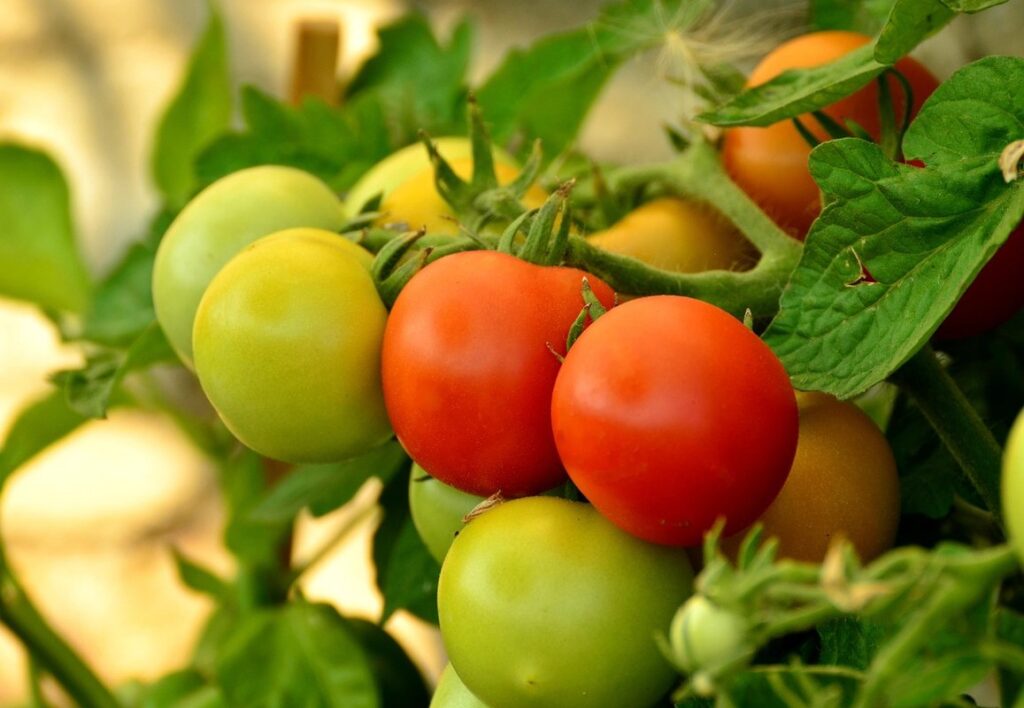
Understanding the Benefits of Companion Planting
Companion planting isn’t just a gardening trend, it’s a tried-and-true method for boosting growth and flavor. Let’s dive into why pairing garlic with tomatoes is a match made in heaven.
What is Companion Planting?
Companion planting is an ancient gardening technique that’s been used for centuries to enhance crop growth and flavor. Essentially, it involves pairing different plants together to create a harmonious relationship between them. By doing so, you can improve the health, productivity, and overall well-being of your tomato plants.
When you plant garlic alongside tomatoes, you’re not only adding a flavorful boost to your dishes but also creating an environment that fosters growth and resilience in your tomato crop. Garlic repels pests like aphids and spider mites, which can damage your tomatoes and compromise their flavor. By incorporating garlic into your companion planting strategy, you’ll be creating a balanced ecosystem that promotes healthy soil, fewer pests, and more flavorful produce.
Think of it as creating a garden orchestra – each plant plays its part to create a harmonious whole. Garlic’s strong scent repels insects, while its roots help break up compacted soil, making nutrients more accessible to your tomatoes. By embracing companion planting, you’ll be able to grow bigger, healthier, and tastier tomatoes with less effort required on your part.
How Does Garlic Fit into Companion Planting?
When it comes to companion planting for tomatoes, garlic is an excellent choice due to its numerous benefits. Not only does garlic repel pests that can damage tomato plants, but it also improves soil health and boosts the flavor of nearby tomatoes.
One of the main reasons garlic is a great companion plant for tomatoes is its ability to repel nematodes, which are microscopic worms that can harm tomato roots. By planting garlic around the base of your tomato plants, you can keep these pests at bay and ensure healthy root growth. Additionally, garlic’s strong scent deters other pests like aphids, whiteflies, and spider mites from approaching your tomatoes.
Garlic also has a positive effect on soil health by introducing beneficial bacteria that help break down organic matter and release nutrients for tomato plants to absorb. This, in turn, promotes healthier plant growth and increases the overall yield of your tomato crop. To incorporate garlic into your companion planting strategy, simply plant cloves around the base of your tomatoes in early spring or fall, making sure to space them about 6-8 inches apart.
Best Garlic Companion Plants for Tomatoes
When growing garlic alongside tomatoes, pairing them with the right companion plants can boost flavor and growth. Let’s explore some top picks to enhance your tomato harvest!
Basil: A Classic Tomato Companion
Basil is often considered the ultimate tomato companion plant, but have you ever thought of growing garlic and basil together? This harmonious trio can not only enhance the flavor of your tomatoes but also repel pests and improve their overall growth. The sweet aroma of basil pairs perfectly with the pungency of garlic, creating a balanced and nutritious environment for your tomatoes to thrive.
When grown alongside garlic, basil benefits from the improved soil quality and pest control provided by the garlic. This allows the basil to focus its energy on producing an abundance of fragrant leaves, which in turn attract beneficial insects that prey on tomato pests like hornworms and aphids. The garlic also helps to repel nematodes, microscopic worms that can harm tomatoes.
To create this trio, plant garlic cloves around the base of your tomato plants in early spring, followed by basil seeds or seedlings about a foot away from the garlic. As the garlic grows, it will form a natural barrier against pests and diseases, creating a healthy environment for both the basil and tomatoes to flourish.
Chives: Adding a Boost of Nutrition
Chives are a low-maintenance companion plant that can add a boost of nutrition to tomatoes. When paired with garlic, chives create a powerful combination that enhances tomato growth and flavor. Chives contain high levels of vitamins A and K, as well as minerals like calcium and iron, which are essential for healthy tomato development.
One way chives complement garlic is by repelling pests that target tomatoes. The strong scent of chives can deter aphids, mites, and other insects from infesting your plants. Additionally, the onion-like flavor of chives can enhance the overall taste of your tomatoes. To incorporate chives into your tomato garden, simply plant them nearby or intersperse them among your tomato rows.
A bonus benefit of growing chives with garlic is that they both have a natural ability to improve soil health. As chives and garlic break down, they add organic matter to the soil, which improves drainage and structure, ultimately leading to healthier tomatoes. By incorporating these two plants into your companion planting strategy, you’ll be creating a thriving ecosystem that promotes growth, flavor, and overall plant well-being.
Repelling Pests with Garlic Companion Plants
Let’s talk about using garlic companion plants as a natural defense against pests that can harm your tomato crop, keeping them healthy and thriving.
Nasturtiums: A Natural Pest Repellent
Nasturtiums are an excellent choice when it comes to companion planting for tomatoes. Not only do they add a pop of color and delicate flavor to salads, but they also possess natural pest-repelling properties that can benefit your tomato plants. These annual flowers repel aphids, whiteflies, and other pests that target tomatoes, helping to reduce the risk of infestation.
One of the key benefits of growing nasturtiums alongside garlic is their ability to attract beneficial insects like lacewings and hoverflies, which prey on common tomato pests. By incorporating both plants into your garden, you can create a balanced ecosystem that promotes healthy growth and reduces the need for pesticides.
To get started with growing nasturtiums as a companion plant for tomatoes, simply sow seeds alongside garlic in early spring or late summer. Keep in mind that nasturtiums require well-draining soil and full sun to thrive. With proper care, these versatile flowers will not only repel pests but also add a touch of whimsy to your garden beds.
Marigolds: Brightening Up Your Garden and Scaring Off Pests
Marigolds are an excellent addition to your tomato garden not only because of their vibrant flowers but also due to their ability to repel nematodes and other pests. When paired with garlic, marigolds can create a powerful pest-repelling combination that will help protect your tomatoes from various threats.
One way to utilize this pairing is by planting marigold seeds around the perimeter of your tomato bed. This will help prevent nematodes from reaching your plants in the first place. You can also plant marigolds among your garlic cloves, creating a barrier between the two rows. As marigolds grow, their bright yellow and orange flowers will bloom, attracting beneficial insects that prey on pests.
When choosing varieties of marigold to pair with garlic, opt for those that are known to repel nematodes, such as ‘African’ or ‘French’. Be sure to plant them at the same time as your garlic cloves, allowing them to grow and mature together. By incorporating marigolds into your tomato garden, you’ll not only add a pop of color but also enjoy a healthier crop with fewer pest issues.
Improving Soil Health with Garlic Companion Plants
When it comes to improving soil health for your tomatoes, garlic companion plants are a fantastic way to boost growth and reduce pests naturally. Let’s explore some of our favorite pairing options!
Comfrey: A Dynamic Accumulator
When it comes to improving soil health, few plants are as dynamic as comfrey. As a dynamic accumulator, comfrey has the remarkable ability to absorb nutrients from deep within the soil and store them in its leaves. These nutrients can then be released back into the soil through comfrey’s extensive root system, providing a rich source of organic matter for your garlic and tomatoes.
Growing comfrey alongside garlic is a simple yet effective way to boost the overall health and fertility of your garden soil. Not only does comfrey add essential nutrients like nitrogen, phosphorus, and potassium, but it also attracts beneficial pollinators and pests away from your valuable crops. To incorporate comfrey into your companion planting strategy, plant it in a corner or border of your garden where its tall stalks can provide shade and support for other plants.
By combining the pest-repellent properties of garlic with the nutrient-rich benefits of comfrey, you’ll be creating a resilient and thriving soil ecosystem that’s perfect for growing delicious tomatoes. To get started, simply plant comfrey seeds or seedlings around the perimeter of your garlic patch, and watch as they begin to accumulate nutrients and improve soil health over time.
Oregano: Enhancing Soil Quality
When it comes to companion planting for tomatoes, oregano is another herb that deserves attention. Not only does it repel pests and improve drainage, but it also creates a balanced ecosystem when paired with garlic. In fact, the two herbs complement each other well, as garlic’s strong scent can be tempered by the milder aroma of oregano.
Together, garlic and oregano work to prevent fungal diseases that often plague tomato plants, such as powdery mildew and early blight. Oregano’s natural antifungal properties help to reduce the risk of these diseases taking hold, while garlic’s antibacterial properties keep bacterial diseases at bay. By planting oregano alongside your tomatoes, you can create a harmonious balance that fosters healthy growth.
To incorporate oregano into your tomato garden, simply plant it around the perimeter or interspers it among your tomato plants. Oregano is relatively low-maintenance and requires minimal care. It’s a great addition to any organic gardening practice, as it eliminates the need for chemical pesticides and fertilizers.
Garlic Companion Plants for Organic Gardening
Let’s dive into some of our favorite garlic companion plants that not only repel pests but also boost your tomatoes’ flavor and growth. These easy-to-grow additions will elevate your garden game!
Why Choose Organic Methods?
When it comes to gardening with garlic companion plants for tomatoes, choosing organic methods is not only beneficial for the environment, but also crucial for promoting sustainable growth and a healthy harvest. By opting for organic practices, you’re avoiding harsh chemicals that can harm beneficial insects, contaminate soil, and compromise your tomato crop’s quality.
Companion planting is a prime example of an organic gardening technique that works in harmony with nature to create a balanced ecosystem. By pairing garlic with tomatoes, you’re leveraging the natural properties of both plants to repel pests, improve growth, and enhance flavor. Organic methods also promote biodiversity, which helps prevent soil degradation and supports beneficial microorganisms.
Incorporating compost and using crop rotation techniques are other essential organic practices for your garden. These simple actions can significantly boost nutrient levels in the soil, suppress disease, and reduce reliance on synthetic fertilizers. By adopting these natural approaches, you’re not only nurturing healthier plants but also contributing to a more sustainable gardening future.
Tips for Implementing Garlic Companion Planting in Your Garden
When implementing garlic companion planting in your garden, there are several key factors to consider. One of the most crucial aspects is spacing. Garlic requires about 4-6 inches of space between each bulb to allow for proper growth and development. When planting garlic near tomatoes, it’s essential to plant them at least 3-4 weeks before the tomato plants are transplanted into their final position.
Timing is also critical when combining garlic with tomatoes. Planting garlic too early can give aphids and other pests an opportunity to colonize on the garlic, which can then spread to nearby plants. Instead, plant garlic in late winter or early spring, allowing it to mature before the tomato plants are planted.
When planting a mix of garlic companion plants near your tomatoes, remember that some plants may require more space than others. For example, basil requires about 12-18 inches of space between each plant, so be sure to plan accordingly to avoid overcrowding and competition for resources. By considering these factors and following these guidelines, you can create a harmonious and thriving garden ecosystem where your garlic companion plants complement the growth and flavor of your tomatoes.
Troubleshooting Common Issues with Garlic Companion Plants
Sometimes, even with the best intentions, garlic companion plants can cause problems for your tomato crop. Don’t worry, we’ve got you covered with solutions to common issues you may encounter.
Dealing with Overcrowding and Competition
When growing garlic companion plants alongside tomatoes, it’s not uncommon for overcrowding to occur. This can lead to competition for resources such as light, water, and nutrients, potentially stunting tomato growth. To mitigate this issue, consider the following strategies.
Firstly, ensure you’re planting garlic at the right time. If garlic is planted too early or too late in the season, it may outcompete tomatoes for space and resources. Plant garlic around 6-8 weeks before the last frost date to give both plants enough room to grow.
Another approach is to use a spacing technique known as “succession planting.” This involves planting small batches of garlic over several weeks, which allows for continuous harvesting while minimizing overcrowding. For instance, plant one batch in early spring and another in late summer or fall.
Managing Pests and Diseases in Your Garlic Companion Plant Garden
As you cultivate your garlic companion plants alongside tomatoes, it’s inevitable to encounter pests and diseases. To maintain a healthy and thriving garden, it’s essential to have effective management strategies in place.
Common pests that target garlic companion plants include aphids, spider mites, and thrips. To control these infestations, try spraying neem oil or insecticidal soap on the affected areas. For severe infestations, introduce beneficial insects such as ladybugs or lacewings into your garden to act as natural predators.
Diseases like powdery mildew, downy mildew, and root rot can also damage garlic companion plants. To prevent these issues, ensure good air circulation by maintaining a distance of at least 12 inches between each plant. Regularly inspect your plants for signs of disease and remove any affected leaves or stems immediately.
In addition to prevention strategies, natural remedies like garlic spray (made from crushed garlic mixed with water) can help control fungal diseases. Also, practice crop rotation to break the disease cycle and reduce soil-borne pathogens. By combining these methods, you’ll be able to keep your garlic companion plants healthy and thriving.
Conclusion: Unlocking the Power of Garlic Companion Plants
Now that you’ve learned how to grow and pair garlic with tomatoes, let’s summarize the key takeaways from this guide to get the most out of your garden.
Recap of Key Takeaways
In this article, we’ve explored the world of garlic companion plants and their incredible benefits for tomatoes. To recap, here are the key takeaways:
Using garlic companion plants can help repel pests that target tomatoes, such as aphids, spider mites, and nematodes. By planting garlic near your tomato plants, you’ll reduce the need for pesticides and create a healthier environment for your crops.
Some of the best garlic varieties to use as companion plants include ‘Chesnok Red’, ‘Robust’, and ‘Silver White’. These hardy garlics have robust growth habits that allow them to compete with weeds and provide shade for tomatoes, reducing soil temperature fluctuations.
When planting garlic companion plants, be sure to follow a few simple rules. Plant garlic about 4-6 weeks before your tomato seedlings are transplanted into the garden, allowing the garlic to establish itself first. Space garlic cloves at least 3-4 inches away from each other and from your tomatoes to prevent overcrowding.
By incorporating these easy-to-grow companion plants into your gardening routine, you’ll enjoy a more productive, pest-resistant, and flavorful tomato harvest year after year!
Final Tips for a Thriving Tomato Garden
As you’ve successfully integrated garlic companion plants into your tomato garden, it’s time to focus on maintaining their health and productivity. Remember that consistency is key when it comes to keeping your tomatoes thriving alongside these beneficial companions. To ensure a bountiful harvest, make sure to:
* Water wisely: Garlic requires about 1 inch of water per week, but avoid overwatering as this can lead to root rot. Tomatoes need regular watering, especially during fruit formation.
* Mulch around plants: A 2-3 inch layer of organic mulch helps retain moisture, suppress weeds, and regulate soil temperature. This will also help retain the nutrients released by garlic’s extensive root system.
* Monitor for pests: Garlic can repel certain pests like aphids, but it won’t prevent all infestations. Keep an eye out for whiteflies, hornworms, and other common tomato pests and take action promptly if necessary.
By following these tips and continuing to nurture your garlic-tomato partnership, you’ll be well on your way to a thriving and resilient garden that yields abundant, flavorful tomatoes year after year.
Frequently Asked Questions
Can I grow garlic companion plants indoors with tomatoes?
Yes, you can definitely grow garlic companion plants indoors with tomatoes, especially if you live in a region with limited outdoor growing seasons or have space constraints. However, keep in mind that indoor conditions might require more attention to light, temperature, and humidity levels for optimal growth.
How long does it take for garlic companion plants to start benefiting tomato growth?
Garlic companion plants typically start providing benefits within 2-3 weeks of planting, as they begin to release their beneficial compounds into the soil. However, the full effects might take a few months to develop, depending on factors like weather conditions and soil quality.
Can I mix and match different garlic varieties with other companion plants?
While you can experiment with mixing different garlic varieties with other companion plants, it’s essential to ensure compatibility between species and growth habits to avoid overcrowding or competition. Start by introducing one or two new plant combinations at a time to observe their effects on your tomato crop.
How do I prevent pests from targeting my garlic companion plants?
To minimize pest issues, keep your garlic companion plants healthy through regular watering, fertilization, and pruning. Companion planting with pest-repellent plants like marigolds, nasturtiums, or basil can also help deter unwanted insects from targeting your tomato crop.
Can I use different types of garlic for scapes versus cloves?
Yes, you can use both soft-neck and hard-neck garlic varieties for their scapes and bulbs. Soft-neck garlic is often preferred for its ease of harvesting and storage, while hard-neck garlic offers a more complex flavor profile and better storage qualities.