
As a gardener, you know how devastating it can be to watch your prized tomatoes succumb to disease. Tomato blight is one of the most common fungal diseases that can wreak havoc on your crops, causing significant losses in yield and quality. But what if I told you that timing plays a crucial role in preventing this disease? By understanding when tomato blight typically strikes, you can take proactive measures to protect your plants. In this article, we’ll explore the timing of tomato blight, its risks, and most importantly, effective prevention strategies to safeguard your crops from this devastating fungal disease. You’ll learn how to identify early warning signs, create a defense plan, and implement practical tips to keep your tomatoes healthy and thriving throughout the growing season.
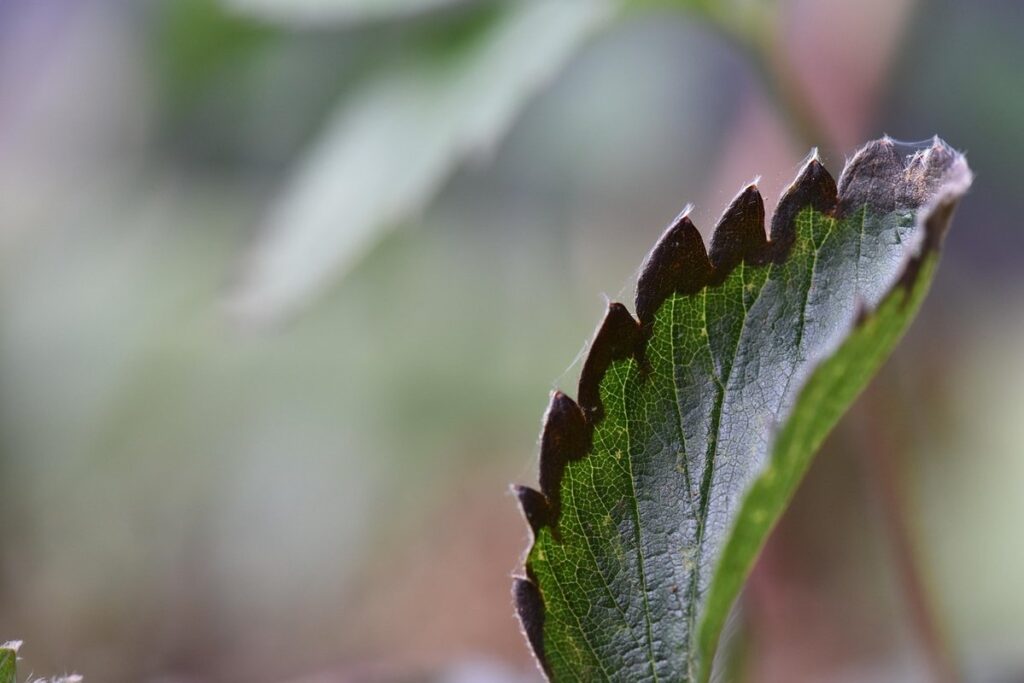
What is Tomato Blight?
Tomato blight is a common fungal disease that can severely impact your tomato crop, causing significant damage and yield loss if left untreated. Let’s take a closer look at what causes this destructive condition.
Defining Tomato Blight
Tomato blight is a devastating fungal disease that affects tomato plants worldwide. It’s essential to understand this condition to develop effective prevention strategies and mitigate its impact on your crops. The primary cause of tomato blight is the excessive moisture on plant surfaces, which creates an ideal environment for fungi to thrive.
There are several symptoms associated with tomato blight, making it challenging to diagnose in its early stages. Look out for lesions on leaves and stems that can be brown, gray, or even white. These lesions often start as small spots but quickly expand, causing significant damage to the plant’s tissues. If left unchecked, tomato blight can lead to a complete collapse of the plant.
Early signs may also include yellowing or curling leaves, reduced growth rates, and a general decline in plant health. Regular monitoring is crucial to catch these symptoms early on, allowing you to intervene before the disease spreads. By recognizing the causes and symptoms of tomato blight, you can take proactive steps to prevent its onset and protect your tomato crops from this debilitating disease.
Types of Tomato Blight
Tomato blight is caused by various fungal pathogens, each with distinct characteristics and impacts on tomato crops. Let’s explore the three most common types: early blight, late blight, and septoria leaf spot.
Early blight, caused by Alternaria solani, typically appears in mid-to-late summer when temperatures are warm and humid. It starts as small, circular lesions on lower leaves, which can quickly spread to upper foliage. Early blight is often accompanied by a yellowing of the leaves and a reduction in fruit production.
Late blight, caused by Phytophthora infestans, is a more severe and destructive disease that affects tomato crops worldwide. It’s characterized by large, irregularly shaped lesions on leaves and stems, which can cause entire plants to collapse. Late blight thrives in cool, wet conditions, making it a significant threat in regions with unpredictable weather patterns.
Septoria leaf spot, caused by Septoria lycopersici, is another common type of tomato blight that appears as small, dark spots on lower leaves. It’s often accompanied by a yellowing of surrounding tissue and can reduce fruit production if left unchecked. Understanding the characteristics of each type is crucial for effective prevention strategies and timely interventions to mitigate the impact of tomato blight.
Factors Influencing the Timing of Tomato Blight
Understanding the timing of tomato blight involves considering several key factors that can influence its occurrence, such as weather conditions and soil temperature. These environmental elements play a crucial role in determining when your tomatoes are most susceptible to infection.
Weather Conditions
Weather conditions play a significant role in the development and spread of tomato blight. High temperatures above 25°C (77°F) can trigger the disease’s onset, while prolonged exposure to temperatures between 15-20°C (59-68°F) can prolong its duration.
Humidity levels also contribute to the disease’s severity; moderate to high humidity (60-80%) fosters an ideal environment for fungal growth and spore dispersal. Rainfall, particularly frequent or prolonged showers, facilitates the spread of blight by washing fungal pathogens from infected plant tissues onto nearby healthy plants.
A combination of warm temperatures, high humidity, and adequate moisture encourages rapid spore germination and colonization. Conversely, extended dry spells can cause dormant fungal structures to reactivate, leading to new infections upon subsequent wetting. Understanding these weather-related factors enables growers to anticipate potential blight outbreaks and implement targeted prevention strategies.
Soil Moisture and Drainage
When it comes to tomato blight, soil moisture and drainage play a crucial role in determining the risk of infection. The type of soil you’re working with can significantly impact the likelihood of disease development. Sandy soils tend to drain quickly, which can lead to water stress for the plants, while heavy clay soils retain too much water, creating an environment conducive to fungal growth.
Waterlogging is another factor that increases the risk of tomato blight. When the soil is consistently waterlogged, oxygen levels decrease, and the roots become stressed. This creates an ideal environment for pathogens like Phytophthora infestans to thrive. To prevent waterlogging, ensure your soil has good drainage by incorporating organic matter like compost or well-rotted manure.
Monitor your field’s topography and adjust irrigation accordingly. Avoid overwatering, especially during periods of high rainfall. By paying attention to these subtleties in soil moisture and drainage, you can reduce the risk of tomato blight and protect your crop from infection.
Identifying Early Signs of Tomato Blight
To catch tomato blight early, it’s crucial you know what to look for, so let’s take a closer look at the telltale signs that appear before the disease spreads.
Visual Cues
When it comes to identifying early signs of tomato blight, visual cues are a crucial factor. As a gardener, you need to be vigilant and monitor your plants regularly for any unusual changes. One of the first visible signs of tomato blight is yellowing leaves. If you notice that the leaves on your tomato plant are turning yellow or pale, it could be an indication that the plant is under stress due to the disease.
Another common visual sign of tomato blight is the appearance of black spots and lesions on stems and leaves. These can start as small, circular patches but can quickly spread and merge to form larger lesions. It’s essential to inspect your plants regularly for these signs and take action promptly if you notice any unusual growth or discoloration.
To detect visual cues early, make it a habit to check your tomato plants daily during peak blight season. Look for yellowing leaves, black spots, and lesions on stems, and investigate further by gently removing the affected area with clean scissors. This can help prevent the spread of the disease and give you valuable time to take corrective action.
Measuring Moisture Content
Measuring moisture content is an essential step in identifying early signs of tomato blight. Fungal pathogens thrive in damp environments, and high moisture levels can be a strong indicator of their presence. To measure moisture content, you can use a soil moisture meter or observe the plant’s leaves for signs of wilt.
A moisture meter provides an accurate reading of the soil’s water levels, allowing you to determine if your tomato plants are receiving too much or too little water. Insert the probe into the soil, following the manufacturer’s instructions, and wait for the results. A reading above 60% indicates excess moisture, which can lead to blight.
Observing leaf wilt is another effective method of measuring moisture levels. If leaves are droopy or wilted, it may be a sign that the plant is receiving too much water. Check the soil’s water level and adjust your irrigation schedule accordingly. Keep in mind that some fungal pathogens can cause leaf curl or discoloration, even with proper watering.
Regularly monitoring moisture levels will help you catch any issues before they escalate into full-blown blight. By staying vigilant and making adjustments to your care routine as needed, you’ll be better equipped to prevent tomato blight and ensure a healthy harvest.
Prevention Strategies for Tomato Blight
Now that we’ve discussed the timing of tomato blight, let’s dive into some effective prevention strategies to protect your plants from infection. We’ll cover the essential steps you can take to keep your tomatoes healthy and thriving.
Crop Rotation and Sanitation
When implementing crop rotation and sanitation practices, it’s essential to prioritize removing infected plants from the garden. This not only prevents the spread of blight but also allows for a fresh start with each new growing season. Start by identifying areas where blighted plants have been growing and remove any remaining plant debris.
Maintaining a healthy crop rotation plan is crucial in preventing the buildup of fungal spores that cause tomato blight. Aim to rotate your crops every 3-4 years, avoiding planting tomatoes in the same spot for extended periods. Consider incorporating non-host crops such as legumes or root vegetables into your rotation plan. These plants can help break up the fungal cycles and reduce the risk of disease.
When sanitizing equipment, make sure to thoroughly clean tools with a mixture of water and bleach solution. This will help eliminate any remaining spores that may be present on the equipment.
Resistant Varieties and Cultural Practices
When it comes to preventing tomato blight, selecting resistant varieties is one of the most effective strategies. Resistant varieties have been bred to withstand specific pathogens that cause blight, and they can significantly reduce the risk of infection. For example, some popular resistant varieties include ‘Viva8’, ‘Early Girl’, and ‘Patio’. These varieties are not only resistant to blight but also produce high yields and have a good flavor.
In addition to selecting resistant varieties, implementing cultural practices such as pruning, mulching, and providing adequate air circulation can also help prevent tomato blight. Pruning involves removing weak growth and any diseased or damaged tissue from the plant, which helps to reduce the risk of infection. Mulching around the base of the plant keeps the soil moist and reduces soil temperature, making it less conducive to fungal growth.
Adequate air circulation is essential for preventing blight, as high humidity levels can facilitate the spread of disease. By providing at least 1-2 feet of space between plants and removing any nearby weeds or debris, you can improve air circulation around your tomato plants and reduce the risk of blight.
Integrated Pest Management (IPM) for Tomato Blight
To effectively manage tomato blight, you’ll want to consider a holistic approach that incorporates multiple strategies at once. This is where integrated pest management (IPM) comes into play.
Organic and Chemical Controls
Integrated Pest Management (IPM) involves combining various controls to prevent the spread of fungal pathogens that cause tomato blight. A holistic approach includes physical, cultural, biological, and chemical controls.
Physical controls, such as removing infected plants and sanitizing equipment, can help prevent the spread of spores. Cultural controls like crop rotation, maintaining proper soil pH, and watering techniques also play a significant role in reducing disease pressure. Biological controls involve using beneficial microbes or predators that attack fungal pathogens, while chemical controls are often necessary to manage severe outbreaks.
When deciding between organic and chemical controls, it’s essential to consider the specific situation on your farm or garden. Organic options like neem oil and copper-based products can be effective against tomato blight. Chemical fungicides may also be necessary for severe infestations. However, using them should always be done with caution, following label instructions carefully to minimize harm to beneficial organisms and the environment.
In practice, consider combining several controls. For example, remove infected plants and apply a copper-based product to the remaining crop. This multi-faceted approach will help prevent the spread of tomato blight while minimizing potential risks associated with chemical fungicides.
Timing of Fungicide Applications
Applying fungicides at the right time is critical to controlling tomato blight effectively. When it comes to timing fungicide applications, you need to consider three key factors: weather forecasts, crop growth stages, and disease incidence.
Start by checking the weather forecast for your area. Cool, wet conditions are ideal for the development of tomato blight, so try to apply fungicides before a rain event is predicted or when temperatures are expected to remain below 60°F (15°C) for an extended period. For example, if you’re expecting a prolonged rainy spell, it’s best to apply a fungicide 24-48 hours before the rain hits.
You should also consider the growth stage of your tomato crop. Fungicides are most effective when applied during the pre-flowering or fruit set stages, as this is when the plant is most susceptible to infection. Typically, you’ll want to apply a fungicide at around 20-30 days after transplanting and then again about two weeks later.
Finally, monitor your crop regularly for signs of blight. If you notice any early symptoms, such as yellowing leaves or black spots on fruit, take action quickly by applying a fungicide. The sooner you intervene, the better chance you have of preventing the disease from spreading.
Conclusion: Putting Prevention into Action
Now that you’ve learned how to identify and prevent tomato blight, it’s time to put these strategies into action by creating a comprehensive plan for your garden. Let’s discuss what this looks like in practice.
Summary of Key Takeaways
In this final section, let’s recap the key takeaways from our discussion on timing of tomato blight. Early detection is crucial to preventing the spread of blight and saving your crop. This means keeping a close eye on your plants for symptoms such as yellowing or browning leaves, black spots, or white powdery patches.
We’ve also explored various prevention strategies, including crop rotation, soil preparation, and resistant varieties. Crop rotation can help break the disease cycle by removing the infected plant material from the soil, while proper soil preparation can reduce the risk of infection by improving drainage and air circulation. Resistant varieties, on the other hand, have built-in defense mechanisms that can help prevent blight.
To put these strategies into action, consider implementing an integrated pest management (IPM) approach. This means combining multiple methods to manage blight, such as monitoring for symptoms, using physical barriers, and applying fungicides only when necessary. By taking a proactive and multi-faceted approach to prevention, you can significantly reduce the risk of tomato blight and enjoy a healthy harvest. Remember, prevention is key, so be vigilant and take action early on to protect your crop.
Final Recommendations for Tomato Growers
As you’ve now grasped the risks and prevention strategies for tomato blight, it’s time to put these concepts into action. If you’re a tomato grower looking to minimize your risk of experiencing this devastating disease, we have some final recommendations that can make all the difference.
Firstly, consider planting resistant varieties. These are bred specifically to withstand certain types of blight and can be a game-changer in reducing the likelihood of an outbreak. Some examples of these include ‘Early Girl’ and ‘Patio’.
Next, maintain consistent moisture levels. Blight thrives in damp conditions, so ensure you’re providing enough water without over-saturating your plants. A well-balanced fertilizer regimen will also help promote healthy plant growth.
Regular monitoring is key to prevention. Inspect your tomato crop daily for signs of blight and remove any affected areas promptly to prevent the spread of the disease.
Lastly, keep good records. Tracking weather patterns and pest activity can provide valuable insights into when blight is most likely to occur in your area, allowing you to take proactive measures to protect your crops.
By following these recommendations, you’ll be better equipped to tackle tomato blight head-on and ensure a successful harvest.
Frequently Asked Questions
Can I use the same prevention strategies for other types of blight, or do they require tailored approaches?
While some prevention strategies are similar, each type of blight has unique characteristics that require specific approaches. For example, early blight is more responsive to fungicides than late blight. Familiarize yourself with the specific needs and challenges associated with your local climate, soil, and common pests to develop targeted prevention plans.
How do I measure the moisture content in my garden to determine if it’s conducive to tomato blight?
Measuring soil moisture is crucial for preventing tomato blight. You can use a DIY method like inserting a toothpick into the soil, which will indicate dryness or excess moisture. Alternatively, invest in a soil probe or use a digital moisture meter to accurately assess your garden’s moisture levels.
Can I use chemical controls as my primary prevention strategy, or should I consider integrated pest management (IPM) approaches?
While chemical controls can provide quick relief, they’re not the most effective long-term solution for preventing tomato blight. IPM approaches that combine resistant varieties, cultural practices, and targeted fungicide applications can yield better results and minimize environmental impact.
How often should I apply fungicides to prevent tomato blight, and what are some signs that indicate a need for reapplication?
Typically, fungicides are applied at 7-10 day intervals during peak disease seasons. Monitor your plants closely for visual cues like yellowing leaves, black spots, or white powdery patches. If you notice any of these symptoms, reapply fungicides according to the product’s instructions and label recommendations.
Can I save and reuse my own seeds from blight-free tomatoes, or will this increase the risk of disease transmission?
Saving your own seeds can be beneficial for crop rotation and preservation but may not be the best approach for preventing tomato blight. Disease can be transmitted through seed, so consider purchasing certified disease-free seeds or exploring other methods like grafting to minimize risks.