
Tomato blight is one of the most frustrating issues gardeners face, and understanding its seasonal patterns can make all the difference in saving your harvest. The lifecycle of fungal pathogens like late blight and early blight is intricately tied to temperature and moisture levels, making weather forecasting a crucial tool for management. By learning about the calendar cycle of tomato blight, you’ll be able to anticipate outbreaks and take proactive steps to protect your plants. This article will break down the key factors influencing fungal development, provide seasonal predictions based on climate data, and offer tips on adapting your management plans with timely weather forecasts. Whether you’re a seasoned gardener or just starting out, mastering the calendar cycle of tomato blight is essential for growing healthy, productive crops.
Introduction to Tomato Blight
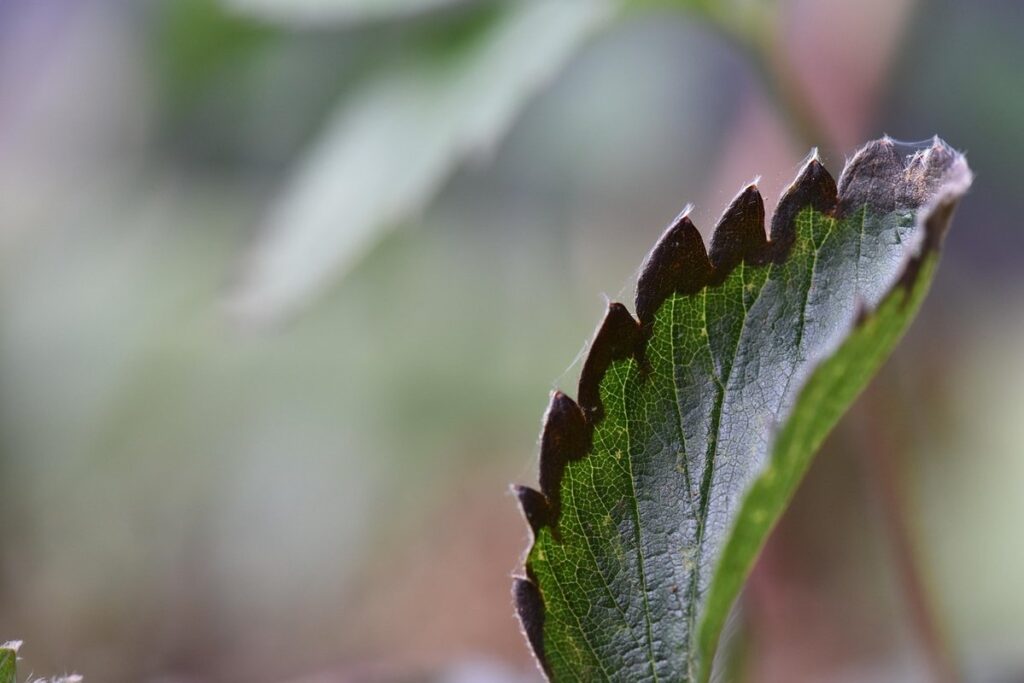
Tomato blight is a common and devastating disease that affects tomatoes worldwide, but understanding its calendar cycle is key to prevention. Let’s dive into how tomato blight behaves throughout the growing season.
Causes of Tomato Blight
Tomato blight is a complex issue that cannot be attributed to a single cause. Rather, it’s often a culmination of various factors that come together to create the perfect storm for this disease to take hold. Weather conditions play a significant role, with excessive moisture and humidity providing an ideal environment for fungal pathogens to thrive.
A key factor in the development of tomato blight is poor soil quality. Soil pH levels that are too high or too low can stress plants, making them more susceptible to infection. Additionally, inadequate nutrient levels and insufficient drainage can also contribute to the problem. When it comes to fungal pathogens, several species can cause tomato blight, including Phytophthora infestans and Septoria lycopersici.
In reality, most commercial growers will encounter at least one of these pathogens in their lifetime. To mitigate this risk, gardeners should aim for a balanced soil chemistry with an optimal pH level between 6.0 and 7.0. They can also implement crop rotation practices, plant resistant varieties, and maintain good air circulation to reduce the chances of infection.
Importance of Monitoring for Tomato Blight
Monitoring for tomato blight is not just an option but a necessity. If left undetected, this disease can spread rapidly and inflict significant damage to your crop, resulting in substantial losses. The importance of timely detection cannot be overstated.
To begin with, monitoring allows you to catch the early signs of blight before it’s too late. This is particularly crucial during periods of high humidity and cool temperatures when the fungus that causes blight grows rapidly. By conducting regular checks on your plants, usually at dawn or dusk when symptoms are most apparent, you can identify affected areas in their initial stages.
Some common signs to look out for include yellowing leaves, black or brown lesions, and a white powdery coating on the underside of leaves. These indicators often appear as small spots that gradually expand, causing irreparable damage if left unchecked.
The Lifecycle of Fungal Pathogens
Let’s delve into the lifecycle of fungal pathogens that cause tomato blight, a crucial aspect to understanding its calendar cycle and how it affects your crops. This process involves several stages of growth.
From Spore Formation to Infestation
The lifecycle of fungal pathogens responsible for tomato blight begins with the formation of spores. These spores are the primary means by which the fungus infects tomato plants. When conditions are favorable, such as high humidity and warm temperatures, spores become airborne and can be carried to nearby plants.
Once a spore lands on a tomato plant, it germinates into a hypha, which then grows through the plant’s tissues, causing damage. This process can happen rapidly, often within 24-48 hours of infection. As the fungus spreads, it begins to produce more spores, creating a cycle that perpetuates itself.
It’s essential for gardeners to understand this process in order to manage tomato blight effectively. By recognizing the early signs of infection and taking prompt action, such as removing infected plants and implementing integrated pest management strategies, you can break the cycle and prevent further infestation. Regular monitoring of your plants and keeping a clean and well-ventilated growing area can also help reduce the risk of infection.
Factors Influencing Blight Severity
Temperature plays a significant role in the progression of tomato blight. Warm and moist conditions accelerate the growth of fungal pathogens like Septoria lycopersici and Phytophthora infestans, making them more aggressive and damaging to plants. Conversely, cooler temperatures can slow down their development, giving plants a fighting chance.
Humidity also affects blight severity by facilitating the spread of spores. When air is saturated with moisture, fungal pathogens multiply rapidly, releasing massive amounts of spores that can be dispersed through wind or water splash. This makes it crucial to maintain adequate ventilation in greenhouses and manage irrigation schedules to prevent prolonged periods of high humidity.
Nutrient availability also influences blight severity. Fungal pathogens often thrive in nutrient-rich environments, which is why over-fertilization can exacerbate the problem. On the other hand, under-nutrition can weaken plants, making them more susceptible to disease. By adopting a balanced fertilization strategy and maintaining soil health, gardeners can reduce the risk of blight outbreaks.
Maintaining optimal temperatures, controlling humidity levels, and ensuring adequate nutrient availability are essential for preventing or managing tomato blight.
Identifying Symptoms of Tomato Blight
When it comes to identifying tomato blight, recognizing its symptoms is crucial for timely intervention. Let’s take a closer look at the telltale signs that your tomatoes may be under attack.
Visual Cues: Leaf Scorching, Wilting, and Fruit Rot
When it comes to identifying tomato blight, visual cues play a crucial role. Among the most common symptoms are leaf scorching, wilting, and fruit rot. Leaf scorching is characterized by yellowing or browning of the leaves, often accompanied by a scorched appearance. This can be due to the fungus affecting the plant’s ability to transport water and nutrients.
Wilting is another telltale sign, where the leaves become limp and droopy. This occurs when the fungal infection disrupts the plant’s vascular system, causing water loss and nutrient deprivation. Be on the lookout for uneven wilting patterns, as this can indicate the spread of blight from one area to another.
Fruit rot is a more severe symptom, where the fruit becomes soft, mushy, and often discolored. This typically occurs when the fungus infects the plant’s fruiting structures, leading to a breakdown in cellular integrity. Check your plants regularly for these symptoms, especially during peak blight seasons (late spring to early summer). Early detection can significantly improve treatment outcomes and help you manage tomato blight more effectively.
When to Expect Blight Outbreaks
When regional climate conditions and temperature fluctuations come into play, tomato blight outbreaks tend to follow predictable patterns. In temperate climates with mild winters, blight is more likely to emerge in the spring as soil temperatures rise above 40°F (4°C). This typically occurs between late March and early May, when daytime temperatures are consistently above 60°F (15°C).
In regions with cold winters, blight outbreaks often coincide with warmer winter months. For example, in areas where January and February see average highs in the mid-50s to low 60s Fahrenheit (13-18°C), there’s a higher likelihood of early-season blight activity.
As summer sets in, extreme heat and humidity can trigger secondary outbreaks. These typically occur when nighttime temperatures remain above 65°F (18°C) for several consecutive days. Be on the lookout for these conditions, especially if you’re growing tomatoes in containers or areas with poor air circulation.
Management Strategies for Tomato Blight
To keep your tomato crop healthy, it’s essential to have effective management strategies in place when dealing with blight. We’ll explore practical approaches to mitigate its impact.
Preventative Measures: Crop Rotation, Sanitation, and Pruning
Crop rotation is an effective way to break the life cycle of tomato blight. By changing the location where you plant tomatoes each season, you disrupt the fungal spores’ ability to overwinter and return in subsequent seasons. This simple technique reduces the risk of re-infection, making it a crucial preventative measure. Ensure that you rotate your crops at least 3-4 times before returning to the same spot.
Sanitation is equally important in preventing blight outbreaks. Remove any infected plant material from the garden and dispose of it properly. Regularly inspect plants for signs of disease and remove any affected areas promptly. Keep a clean workspace, disinfecting tools between uses and avoid spreading potential spores around the garden.
Pruning techniques can also help manage tomato blight by reducing moisture accumulation and promoting air circulation. Remove lower leaves that are in contact with the soil to prevent splash-up infection. This encourages healthy growth, reduces humidity, and minimizes the risk of disease spread.
Chemical Controls: Timing and Application
When it comes to managing tomato blight using chemical controls, timing and application are crucial for effectiveness. Chemical controls can be used preventatively or curatively, but they should always be used as a last resort after other management strategies have been implemented.
Timing is key when applying chemical controls. Typically, the first application of fungicides should occur at the 10-15 leaf stage, just before the onset of fruiting. However, this timing can vary depending on weather conditions and the specific type of blight present.
When it comes to application rates, it’s essential to follow the label instructions carefully. Overapplication can lead to unnecessary chemical residues on the fruit, which can be a concern for organic growers or those who plan to sell their produce locally. Underapplication, on the other hand, can lead to inadequate control of the disease.
Some common risks associated with the use of chemical controls include the potential for resistance development in the blight pathogen and harm to beneficial organisms in the soil ecosystem. To mitigate these risks, it’s essential to rotate fungicides regularly and use Integrated Pest Management (IPM) strategies that prioritize cultural and biological controls alongside chemical ones.
Integrated Pest Management (IPM) for Tomato Blight
To effectively manage tomato blight, it’s essential to implement an integrated approach that incorporates cultural, biological, and chemical controls to minimize damage. This section will explore IPM strategies in detail.
Monitoring and Tracing Outbreaks
Monitoring and tracing outbreaks of tomato blight is crucial for effective Integrated Pest Management (IPM). To identify early signs of blight, farmers need to establish a regular monitoring routine. This involves inspecting plants at dawn and dusk when fungal spores are most active.
Regular monitoring helps in identifying the progression of blight through a field or crop. Look out for yellowing leaves, black spots, and white powdery patches on lower stems. These symptoms can be indicative of early stages of blight.
To trace outbreaks, farmers must also consider weather conditions such as high humidity and rainfall that can facilitate fungal growth. Understanding the disease’s calendar cycle is essential in implementing targeted interventions.
Some key considerations when monitoring for blight include:
* Timing: Monitor at regular intervals during peak growth periods.
* Location: Focus on areas with highest plant density.
* Method: Use a combination of visual inspections and sampling techniques to confirm diagnoses.
By being proactive and vigilant, farmers can mitigate the spread of tomato blight and prevent significant losses.
Combination Therapy: Chemical, Biological, and Cultural Controls
Combining multiple control methods is key to effective tomato blight management. IPM (Integrated Pest Management) strategies consider chemical, biological, and cultural controls to create a comprehensive approach that reduces reliance on single-method solutions. Chemical controls involve using fungicides as needed, while biological controls utilize natural predators or beneficial microbes to outcompete the pathogen.
Cultural controls focus on modifying the growing environment to discourage blight growth. This includes pruning infected areas, improving air circulation, and maintaining optimal soil moisture levels. By combining these methods, gardeners can significantly reduce the incidence of tomato blight. For example, applying a fungicide to prevent initial infections while implementing cultural practices like crop rotation and pruning can lead to greater success.
When developing an IPM strategy, consider the specific needs of your growing environment. This may involve consulting with local agricultural experts or conducting field tests to determine the most effective combination of controls for your area. By adopting this holistic approach, gardeners can enjoy healthier tomato plants while reducing chemical usage and environmental impact.
Calendar Cycle: Timing Blight Management Strategies
To effectively manage tomato blight, understanding its calendar cycle is crucial. We’ll break down how to time your management strategies accordingly to keep your crops healthy.
Seasonal Predictions Based on Climate Data
When it comes to managing tomato blight, timing is everything. Climate data can play a crucial role in making informed decisions about when and where to implement preventative measures. By analyzing historical temperature, humidity, and precipitation patterns, farmers can identify high-risk periods for blight outbreaks.
For example, research has shown that temperatures above 64°F (18°C) and relative humidity levels above 80% increase the likelihood of fungal pathogens responsible for tomato blight to develop and spread. In regions like the southeastern United States, where these conditions are frequently met during the spring and early summer months, farmers should prioritize fungicide applications and crop monitoring.
To make seasonal predictions based on climate data, consider using tools like weather stations or online platforms that provide detailed forecasts. By overlaying this information with historical blight outbreak data from local nurseries or extension offices, you can create a more accurate risk assessment for your specific region. This proactive approach will help you stay one step ahead of the disease and ensure a healthy harvest.
Adapting Management Plans Based on Weather Forecasts
When it comes to managing tomato blight, accurate weather forecasting is key. Growers should adjust their management plans based on short-term and long-term forecasts to stay one step ahead of the disease.
Short-term forecasts can help you anticipate a potential outbreak. For example, if there’s a high chance of rain over the next 24-48 hours, be prepared to take action by applying protective fungicides or adjusting your irrigation schedule. Conversely, clear skies can indicate a lower risk of blight development. This information allows you to make data-driven decisions about when to apply fungicides and how often.
Long-term forecasts are equally important for planning purposes. For instance, if a prolonged period of wet weather is predicted, consider implementing more aggressive blight management strategies, such as increasing the frequency or intensity of fungicide applications. Conversely, a dry spell can reduce the risk of infection and allow you to scale back your treatments. By integrating weather forecasts into your calendar cycle, you’ll be better equipped to manage tomato blight effectively and minimize crop losses.
Frequently Asked Questions
What are some additional tools I can use to make informed weather forecasts for my tomato blight management plans?
In addition to using climate data, you can also utilize mobile apps like Dark Sky or Weather Underground to get hyperlocal weather forecasts. These tools provide detailed information on temperature, humidity, and precipitation patterns, allowing you to fine-tune your management strategies. Consider integrating these apps into your gardening routine for more accurate predictions.
Can I use a combination of cultural controls and chemical controls to manage tomato blight effectively?
Yes. Using a multi-faceted approach that incorporates both cultural (such as pruning and sanitation) and chemical controls can be an effective strategy for managing tomato blight. By combining these methods, you can create a robust defense against fungal pathogens while minimizing the risk of developing resistance.
How do I adapt my management plans based on varying levels of precipitation?
Precipitation patterns play a significant role in determining the severity of blight outbreaks. During periods of high rainfall or prolonged droughts, adjust your management strategies accordingly. For example, reduce watering during dry spells to prevent moisture buildup and apply fungicides strategically after heavy rain events.
What are some signs that I should implement preventative measures before a potential outbreak?
Keep an eye out for visual cues like leaf scorching, wilting, or fruit rot on nearby plants. Additionally, monitor temperature fluctuations and adjust your management plans if you notice an increase in fungal spore activity during peak temperatures (usually between 60°F to 80°F).
How do I choose the most effective timing and application method for chemical controls?
Consider the type of blight, its severity, and the growth stage of your plants when deciding on chemical controls. For optimal results, apply fungicides at the first sign of infection or during peak fungal activity (usually 7-10 days after a rain event). Always follow label instructions and adjust application rates according to weather conditions.