
Are you tired of losing your garden to pesky aphids? These tiny insects can quickly multiply and cause significant damage to your plants, leaving them weakened and vulnerable. But don’t worry, there’s a natural solution that’s been used for centuries to keep these pests at bay – garlic spray! Not only is it cost-effective and environmentally friendly, but it’s also non-toxic, making it a perfect alternative to chemical pesticides. In this article, we’ll show you how to make your own garlic spray using just a few simple ingredients and share tips on how to use it effectively to control aphid infestations in your garden. We’ll cover the benefits of using garlic spray, how to mix it, and provide some expert advice on how to keep those pesky aphids under control naturally.
The Problem with Aphids: Understanding the Threat
Before we dive into the solution, let’s take a closer look at what you’re up against: aphid infestations can quickly get out of hand if left unchecked.
What are Aphids and Why are They a Problem?
Aphids are small, soft-bodied insects that feed on plant sap, causing significant damage to gardens and agricultural crops. These tiny pests have a unique life cycle, with females giving birth to live young without mating. This process allows aphid populations to grow rapidly, often reaching alarming numbers in a matter of weeks.
As aphids feed, they inject a toxic substance into the plant’s tissues, which can lead to curled or distorted leaves, stunted growth, and reduced yields. The damage is not limited to the plant itself; aphids also spread disease-causing viruses and bacteria as they move from plant to plant, further compromising the health of your garden.
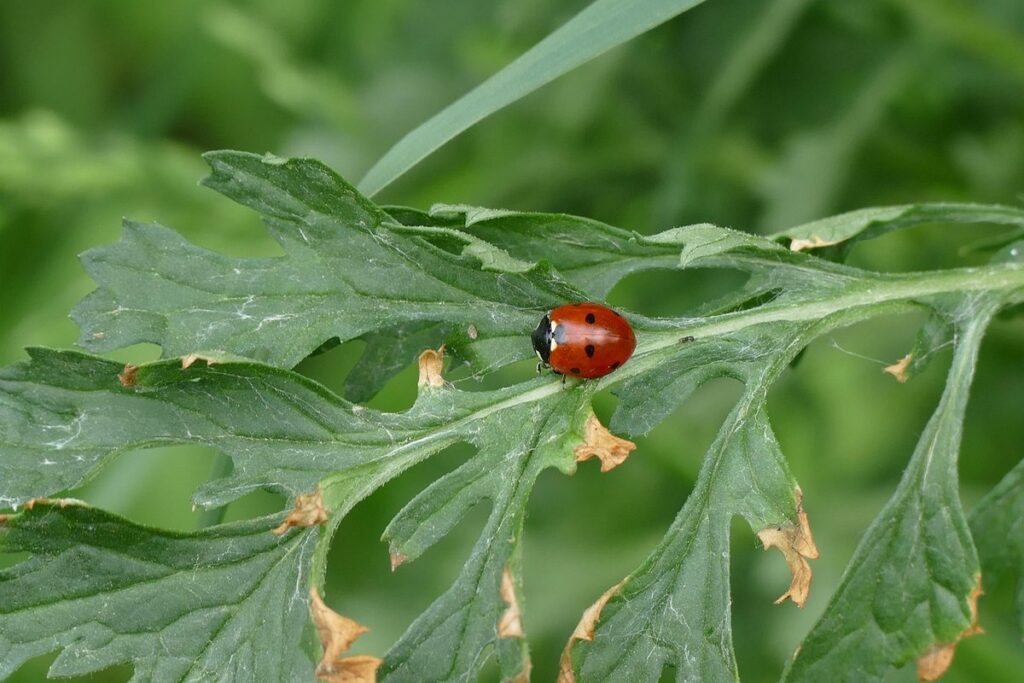
The problem with aphids goes beyond their physical presence – they’re also a magnet for other pests like ants, ladybugs, and lacewings that come to feed on them. This can attract even more unwanted visitors to your garden, creating an ecosystem that’s challenging to manage. If left unchecked, aphid infestations can have long-term consequences for your plants’ health and productivity.
Signs and Symptoms of an Aphid Infestation
When checking your plants for aphid infestations, there are several common signs to look out for. A visual inspection is often the most effective way to detect an issue before it gets out of hand.
Start by examining the undersides of leaves and stems, as this is where aphids tend to congregate. Look for clusters of small, soft-bodied insects that are usually white, yellow, or black in color. Aphids can also secrete a sticky substance called honeydew, which can attract ants and promote the growth of sooty mold on plants.
Other signs of an aphid infestation include curled or distorted leaves, stunted growth, and a general decline in plant health. If you notice any of these symptoms, it’s essential to take action quickly to prevent the infestation from spreading.
In severe cases, aphids can even transmit diseases between plants, so monitoring your garden regularly is crucial for maintaining healthy plants. By staying vigilant and knowing what to look out for, you’ll be able to catch an aphid problem early on and prevent it from getting worse.
The Benefits of Using Garlic Spray on Aphids
Using garlic spray on aphids has numerous benefits, including its ability to repel these pesky pests and promote a healthy garden ecosystem naturally.
Natural and Non-Toxic: Why Choose a Garlic Spray?
When it comes to managing aphid infestations in your garden, using a natural and non-toxic solution like garlic spray is an attractive option. Conventional pesticides can harm beneficial insects, contaminate soil and water, and pose health risks to humans. Garlic spray, on the other hand, is a gentle yet effective way to control aphids without compromising the ecosystem.
Garlic contains compounds that have natural insecticidal properties, making it an ideal alternative to chemical-based pesticides. When sprayed on affected plants, garlic oil helps to repel and kill aphids, preventing further damage to leaves and stems. The best part? Garlic spray is easy to make at home by blending minced garlic with water or oil, making it a cost-effective solution for gardeners.
To use garlic spray effectively, mix 2-3 cloves of minced garlic with one quart of water, let it sit for 24 hours, then strain the liquid before applying it to your plants. You can also purchase pre-made garlic sprays at most gardening stores.
Cost-Effective and Environmentally Friendly
Using garlic spray to control aphid infestations can be a cost-effective solution for gardeners. Unlike chemical pesticides that require frequent applications and often come with hefty price tags, garlic spray is made from readily available ingredients: crushed garlic and water. By mixing these two simple components, you can create a potent natural pesticide that not only kills aphids but also repels them from your plants.
Compared to commercial insecticides, which can cost upwards of $20-$30 per bottle, homemade garlic spray costs mere cents to produce. A single bulb of garlic can yield multiple batches of the spray, making it an incredibly cost-effective option for gardeners on a budget. Furthermore, this natural approach eliminates the need for frequent purchases and avoids long-term environmental damage associated with chemical pesticides.
To make the most of your garlic spray, use 2-3 cloves per liter of water and spray liberally on affected plants. Be sure to mix the solution fresh each time you apply it to ensure maximum potency.
How to Make Your Own Garlic Spray at Home
Making your own garlic spray is easier than you think, and it’s a great way to create a natural pest control solution for your garden without breaking the bank. Let’s dive in and get started!
Ingredients and Equipment Needed
To make garlic spray at home, you’ll need to gather a few simple ingredients and equipment. Start by collecting 3-4 cloves of fresh garlic per cup of water. You can use either raw or cooked garlic, but raw is more potent. For a standard recipe, you’ll also need 1 quart of water, which is approximately 4 cups.
In terms of equipment, you’ll need a blender or food processor to puree the garlic, a fine-mesh strainer or cheesecloth to strain the mixture, and a clean glass spray bottle with a trigger sprayer. You may also want a measuring cup, spoon, and any other necessary utensils for handling the ingredients.
When choosing your garlic cloves, opt for fresh, firm ones with no signs of mold or rot. Avoid using garlic that’s past its prime, as it won’t be effective in repelling aphids. If you’re concerned about the pungency of garlic, consider wearing gloves when handling the cloves to avoid lingering odors on your skin.
Preparing the Garlic Mixture: A Step-by-Step Guide
To prepare the garlic mixture for your aphid-fighting spray, you’ll need to follow these steps carefully. Start by peeling and crushing 3-4 cloves of fresh garlic per quart of water. Yes, it’s that simple – but don’t be fooled by the quantity; the potency of the mixture is what matters.
The ideal ratio for a garlic spray is 1 part crushed garlic to 2 parts water. This ensures the solution isn’t too concentrated, which can damage your plants. To make this mixture, combine the crushed garlic with 2 cups of water in a blender or food processor. Blend until the garlic is fully incorporated and the mixture is smooth.
Next, strain the mixture through a cheesecloth or fine-mesh sieve into a separate container to remove any remaining solids. Discard the solids and reserve the liquid for use in your spray. Remember that homemade garlic sprays are most effective when made fresh – so aim to prepare this mixture just before application.
It’s worth noting that you can also refrigerate or freeze the garlic mixture for later use, but it may lose some potency over time. To ensure optimal results, make small batches and apply them frequently, ideally every 7-10 days during peak aphid seasons.
Using Commercial Garlic Sprays: What to Look for and Consider
When shopping for commercial garlic sprays, there are a few key factors to consider before making your final decision on which product to use. These include ingredients, label claims, and price point.
Choosing the Right Product for Your Needs
When selecting a commercial garlic spray to control aphid infestations in your garden, there are several key factors to consider. First and foremost, ensure that the product contains high-quality garlic extract as its active ingredient. Look for products with at least 4-6% garlic oil content, as this will provide the most effective results against aphids.
Consider the pH level of the spray as well; a slightly acidic to neutral pH (around 5.5-7) is ideal for plant safety and effectiveness. Some commercial garlic sprays may also contain other additives or fillers that you might want to avoid, such as chemical preservatives or sulfites.
Check the product label for any claims of organic or non-GMO certification; this can be important if you’re maintaining a strictly organic garden. Finally, don’t underestimate the importance of choosing a reputable manufacturer with a history of producing effective and safe products. Do some research on the company’s reputation online to ensure you’re making an informed decision.
Ultimately, choosing the right garlic spray will depend on your specific needs and preferences as a gardener.
Tips for Effective Application and Use
To get the most out of garlic spray for aphids, it’s essential to apply it correctly. First, read and follow the instructions on the label carefully, as different products may have varying application rates. Typically, you’ll mix the concentrate with water according to the recommended ratio and stir well before spraying.
When applying the garlic spray, make sure to saturate the leaves and stems of your plants thoroughly, but avoid over-saturating, which can lead to fungal diseases. Spray in the early morning or evening when the sun is not intense, as this will help prevent burning of the plant’s delicate tissues. It’s also crucial to apply the garlic spray on a calm day to ensure even coverage.
In addition to proper application, consistency is key. For optimal results, repeat the spraying process every 7-10 days, or as needed, depending on the severity of the aphid infestation. By following these guidelines and being mindful of your plants’ specific needs, you can effectively use garlic spray to manage aphids and maintain a healthy garden.
Safety Precautions When Using Garlic Spray in Your Garden
When using garlic spray as a natural solution for aphids, it’s essential to take some simple precautions to avoid any potential risks and ensure safe handling of this powerful pest control. Always follow these guidelines carefully before applying your homemade garlic spray.
Potential Risks and Allergic Reactions
When using garlic spray in your garden to control aphids, it’s essential to be aware of potential risks and allergic reactions. While garlic is generally considered safe for external use on plants, some individuals may experience skin irritation or other adverse effects.
Garlic contains compounds that can cause skin redness, itching, and blistering in sensitive individuals. If you have a history of allergies or eczema, it’s crucial to exercise caution when handling garlic spray or preparing the mixture. Wear protective gloves and eyewear to minimize exposure, and wash your hands thoroughly after use.
Some people may also experience respiratory issues when inhaling the strong vapors released by garlic spray. To avoid this, work in a well-ventilated area, and avoid spraying during peak sun hours or windy conditions. If you do experience any adverse reactions, discontinue use immediately and consult with a medical professional if symptoms persist.
Remember that garlic spray is primarily used on plants, not humans, so it’s unlikely to cause harm to your garden’s ecosystem. However, taking these precautions will help ensure safe and effective use of this natural pest control method.
Protecting Pets and Children from Exposure
When using garlic spray to control aphids in your garden, it’s essential to take precautions to protect not only your plants but also your furry and tiny family members. Pets and children can be particularly vulnerable to exposure due to their curious nature and sensitivity to strong scents.
Before applying the garlic spray, keep pets and children away from the treated area until it has dried completely. This usually takes about 30 minutes to an hour, depending on the humidity level. You can also consider using a physical barrier, such as a baby gate or screen, to prevent them from entering the treated zone.
When handling garlic spray, make sure to wash your hands thoroughly afterward, and avoid touching plants or surfaces that may be ingested by pets or children. If you have pets that tend to graze on plants, consider using pet-friendly alternatives or keeping them in a separate area until the treatment has dried.
Remember, it’s always better to err on the side of caution when dealing with strong-smelling substances like garlic spray. By taking these simple precautions, you can enjoy the benefits of this natural pest control solution while keeping your loved ones safe.
Tips for Long-Term Aphid Control with Garlic Spray
To achieve long-term aphid control, it’s essential to use garlic spray consistently throughout your growing season and take steps to prevent re-infestation. Regularly monitoring your plants is key.
Maintaining a Balanced Ecosystem
Maintaining a balanced ecosystem is crucial to preventing future aphid infestations. This means ensuring that your garden’s soil quality, water management, and nutrient balance are all optimal for the health of your plants. Over-reliance on chemical pesticides can disrupt these delicate balances, making it more likely for pests like aphids to take hold.
To prevent this from happening, focus on nurturing a diverse range of beneficial insects in your garden. Encourage ladybugs, lacewings, and hoverflies by planting nectar-rich flowers that provide a constant source of food. These beneficial insects will help control aphid populations naturally, reducing the need for garlic spray.
Another essential aspect is maintaining good soil health through regular composting and mulching. This helps to promote beneficial microorganisms that break down organic matter and release nutrients slowly, creating a more stable ecosystem. By taking these steps, you’ll be well on your way to preventing future aphid infestations and creating a balanced, resilient garden environment.
This holistic approach not only reduces the risk of pest outbreaks but also promotes long-term soil fertility and overall plant health.
Integrating Garlic Spray into Your Garden Routine
To effectively integrate garlic spray into your garden routine, start by setting aside a specific time each week for application. This could be during your regular watering schedule or after pruning your plants. Consider the growth stage of your plants when applying garlic spray, as it’s most effective on young shoots and new growth.
When combining garlic spray with other gardening tasks, such as fertilizing or pruning, make sure to apply it in a way that doesn’t interfere with these activities. For example, you can mix garlic spray with insecticidal soap for an enhanced effect while avoiding any potential conflicts with other treatments.
By incorporating garlic spray into your regular routine, you’ll be able to maintain a balanced garden ecosystem and minimize the risk of aphid infestations. Keep in mind that it’s essential to continue applying garlic spray at regular intervals, even after aphid populations have been eliminated. This will prevent re-infestation and ensure long-term control.
Begin by allocating a small area of your garden for initial application, allowing you to observe its effectiveness firsthand before expanding use to other areas.
Frequently Asked Questions
Can I use garlic spray on indoor plants as well?
Yes, garlic spray is a versatile solution that can be used to protect indoor plants from aphid infestations too! However, make sure to adjust the concentration of the mixture according to your plant’s specific needs. Indoor plants may require more frequent applications due to their enclosed environment.
How often should I reapply garlic spray on my garden?
The frequency of reapplication depends on the severity of the infestation and the type of plants you’re protecting. As a general rule, reapply every 7-10 days during peak aphid season. You can also use it as a preventative measure before new growth emerges.
Can I mix garlic spray with other natural pest control methods?
Yes, garlic spray can be combined with other natural pest control methods for enhanced results! Consider pairing it with neem oil or insecticidal soap to create a potent and sustainable aphid-fighting solution. Just ensure you’re not over-applying any single ingredient.
What if I notice some plants are more sensitive to garlic spray?
If you notice any adverse reactions, such as leaf burn or stunted growth, adjust the concentration of the mixture accordingly. Some plants may require a more diluted solution or a longer interval between applications. Keep in mind that it’s always better to err on the side of caution when introducing new chemicals to your garden.
How do I store garlic spray for future use?
To maintain its potency and shelf life, store your homemade garlic spray in an airtight container at room temperature (around 60-70°F). Avoid exposing it to direct sunlight or heat sources. You can also refrigerate or freeze the mixture for longer-term storage; simply give it a good stir before reusing.