
If you’re a fan of Thai cuisine or have dabbled in Indian cooking, chances are you’ve come across two popular herbs that add unique flavors to your dishes: holy basil and Thai basil. While they may look similar at first glance, these two plants have distinct differences in terms of their history, aroma, taste, and uses in the kitchen. But what sets them apart? In this article, we’ll take a comprehensive look at the main differences between holy basil and Thai basil, covering everything from their origins to their nutritional value and potential health benefits. Whether you’re a seasoned chef or a curious cook, understanding these differences will help you choose the right herb for your next recipe and unlock new flavors in your cooking.
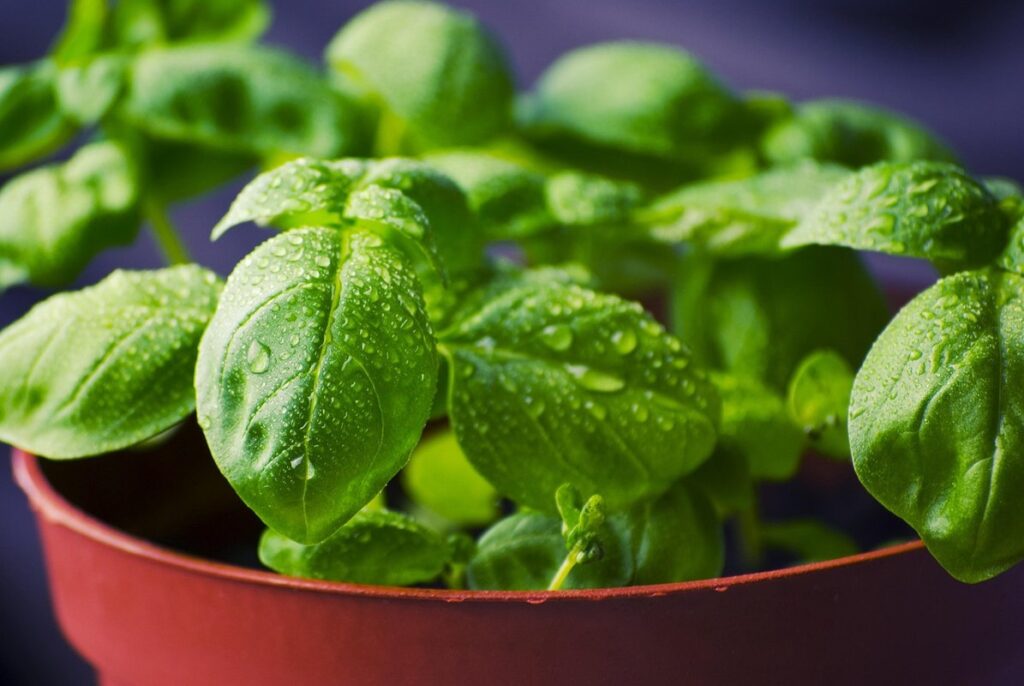
What is Holy Basil and Thai Basil?
Let’s start by exploring what sets these two herbs apart, beginning with a brief look at their origins and unique characteristics. Both holy basil and Thai basil are commonly used in Southeast Asian cuisine, but they’re not interchangeable.
History of Holy Basil
Holy basil has its roots deeply embedded in the ancient traditions of Ayurvedic medicine, which originated in India over 5,000 years ago. This sacred herb was revered for its extraordinary healing properties and spiritual significance, earning it a place in Hindu mythology as one of the five most sacred herbs. In fact, holy basil is often referred to as “Tulsi” in Sanskrit, which means “the incomparable one.” For centuries, Indian households have cultivated tulsi plants in their courtyards, not only for its medicinal benefits but also for its spiritual significance.
In Hindu tradition, the tulsi plant is considered a symbol of devotion and is often worshiped alongside other deities. The leaves are used in various rituals and ceremonies, while the flowers are believed to bring good fortune. Ayurvedic practitioners have long utilized holy basil to treat a range of ailments, from fever and respiratory issues to digestive problems and stress relief. Its adaptogenic properties make it an ideal herb for promoting balance and harmony within the body.
The history of holy basil is deeply intertwined with India’s rich cultural heritage, making it an integral part of the country’s identity. Today, its popularity has spread globally, with many people seeking out this remarkable herb for its medicinal benefits and spiritual significance.
Overview of Thai Basil
Thai basil is one of the most widely recognized and revered varieties of basil, with a rich history that spans centuries. Native to Southeast Asia, particularly in Thailand and Cambodia, this fragrant herb has been an integral part of the region’s cuisine for generations. Its popularity can be attributed to its unique flavor profile, which is both sweet and pungent, making it a versatile ingredient in various Thai dishes.
Thai basil is often used as a key component in traditional Thai recipes such as stir-fries, curries, and soups. It adds an unmistakable aroma and flavor that elevates the overall taste experience. In modern cuisine, Thai basil has gained widespread acceptance, with chefs incorporating it into a range of international dishes from pasta to salads.
One of the reasons for its enduring popularity is its adaptability in different cooking methods. Whether used fresh or added towards the end of cooking, Thai basil retains its potency and flavor. Its robust taste makes it an excellent choice for balancing the sweetness in sweet and sour sauces. With a few sprigs of Thai basil, any dish can be transformed into a flavorful masterpiece.
Its aromatic oils also have medicinal properties, making Thai basil a sought-after ingredient in holistic medicine.
Differences in Appearance and Aroma
One of the most noticeable differences between holy basil and Thai basil lies in their appearance, with distinct leaf shapes and colors. Let’s take a closer look at how these two herbs differ visually.
Leaf Shape and Size Comparison
When it comes to leaf shape and size, holy basil (Ocimum sanctum) and Thai basil (Ocimum basilicum var. thyrsiflora) display some notable differences. Holy basil leaves are typically longer and narrower than those of Thai basil, with a more pointed tip. They can grow up to 2-3 inches in length, while Thai basil leaves tend to be shorter, usually around 1-2 inches.
The leaf shape is also distinct between the two varieties. Holy basil leaves often have a slightly wavy edge and a more elliptical shape, whereas Thai basil leaves are generally more oval-shaped with a rounded tip. In terms of color, both herbs share a similar deep green hue, but holy basil can occasionally exhibit a reddish tint on its lower stems.
When growing your own basil, it’s essential to note that the leaf size and shape may vary depending on factors such as light exposure, watering habits, and climate conditions. However, by choosing either holy or Thai basil, you can expect consistent differences in their leaves’ dimensions and shapes, which can impact the overall flavor profile of your dishes.
Scent and Flavor Profile Analysis
When it comes to the scent and flavor profile of holy basil and Thai basil, these two herbs are distinct and offer unique characteristics that set them apart. Holy basil, also known as tulsi, has a sweet, anise-like aroma with hints of lemon and spice. This fragrance is often described as more intense and pungent compared to Thai basil.
Thai basil, on the other hand, has a sweeter and milder flavor profile with notes of licorice, mint, and citrus. Its scent is often characterized as being lighter and fresher than holy basil.
In cooking, holy basil is commonly used in Indian and Southeast Asian dishes where its bold flavor can stand up to rich ingredients like coconut milk and spices. Thai basil, by contrast, is a staple in many Thai recipes, adding a subtle sweetness to dishes like stir-fries and curries.
To distinguish between the two herbs when shopping or cooking, look for holy basil’s more compact leaves with pointed tips, while Thai basil has longer, narrower leaves.
Culinary Uses and Traditional Medicine
You can use holy basil in a variety of delicious dishes, from curries to chutneys, while also tapping into its medicinal properties. We’ll explore both uses below.
Cooking with Holy Basil
In Indian cuisine, holy basil is a revered herb used in a variety of traditional recipes. It’s often featured in curries, soups, and teas, where its distinct flavor enhances the overall dish. One classic example is the Indian staple, Chana Masala – a rich, flavorful chickpea curry that relies on holy basil for depth and warmth.
To cook with holy basil, start by choosing fresh leaves with vibrant green color and a pungent aroma. Wash them thoroughly and then chop or bruise the leaves to release their oils. Use this fragrant mixture in place of Thai basil in most Indian recipes, but note that holy basil has a more intense flavor, so use it sparingly.
Holy basil is also a key ingredient in soothing teas, like Thandai, a popular drink during special occasions and festivals. Simply boil water with milk, sugar, cardamom, and crushed holy basil leaves for a calming, aromatic brew. These versatile applications highlight the unique properties of holy basil and demonstrate its adaptability in traditional Indian cooking.
Thai Basil’s Role in Southeast Asian Cuisine
Thai basil is an integral component of Southeast Asian cuisine, and its versatility knows no bounds. In Thailand alone, it’s a staple herb used in countless dishes, from classic stir-fries to fresh salads. The pungency and aroma of Thai basil elevate the flavors of many popular Thai dishes like pad thai, tom yum soup, and green curry.
When it comes to using Thai basil in your cooking, there are several key tips to keep in mind. Firstly, always use fresh Thai basil leaves for optimal flavor and aroma. Secondly, pair Thai basil with ingredients that complement its unique taste, such as lemongrass, chilies, and lime juice. For a simple yet flavorful salad, combine chopped Thai basil with shredded vegetables like carrots and cucumbers, add a squeeze of lime juice, and top with crispy fried shallots.
In addition to its culinary uses, Thai basil also has various health benefits when consumed in moderation. It’s rich in antioxidants, vitamins, and minerals, which can help boost immunity and reduce inflammation. By incorporating Thai basil into your cooking repertoire, you’ll not only add a burst of flavor but also reap the rewards of this versatile herb’s medicinal properties.
Growing Conditions and Care Requirements
To grow holy basil and Thai basil, you’ll need to understand their specific requirements for sunlight, water, soil, and temperature, which can be a bit finicky. We’ll break down these essential care needs in this section.
Temperature and Light Requirements for Holy Basil
When it comes to growing holy basil, providing the right temperature and light conditions is crucial for optimal growth. This sacred herb prefers warm temperatures between 65-75°F (18-24°C), making it ideal for indoor or outdoor cultivation in regions with mild winters. However, if you live in a cooler climate, you can still grow holy basil by bringing potted plants indoors during the winter months.
In terms of light, holy basil thrives in partial shade to full sun, but it’s essential to note that direct sunlight can be too intense for prolonged periods. Aim for 4-6 hours of indirect sunlight or filtered light per day. East- or west-facing windows are perfect for this purpose. If you’re growing outdoors, choose a location with morning sunlight and dappled shade in the afternoon.
To replicate these conditions indoors, use grow lights that mimic natural sunlight. Aim for a spectrum with a high proportion of blue light to promote healthy growth and prevent legginess.
Watering and Pruning Techniques for Thai Basil
When it comes to cultivating Thai basil, proper watering and pruning techniques are essential for promoting healthy growth. Thai basil is a tropical plant that thrives in warm temperatures and high humidity, making it ideal for growing in regions with similar climates.
To water Thai basil effectively, make sure the soil isn’t too dry or waterlogged. Check the soil daily by inserting your finger into the soil up to the first knuckle. If the soil feels dry, it’s time to water. Water thoroughly, allowing excess water to drain from the pot. Aim for about 1-2 inches of water per week, either from rainfall or irrigation.
Pruning Thai basil regularly will encourage bushy growth and prevent it from flowering. Pinch off flower buds as they form to direct the plant’s energy towards leaf production. Remove any weak or damaged leaves to maintain the plant’s overall health. You can also harvest individual leaves or stems as needed, making sure not to damage the remaining foliage.
By following these watering and pruning techniques, you’ll be able to keep your Thai basil plant healthy and thriving throughout the growing season.
Nutritional Comparison and Health Benefits
When it comes to choosing between holy basil and Thai basil, let’s dive into their nutritional differences and health benefits to make an informed decision.
Analysis of Holy Basil’s Nutrient Profile
Holy basil is an herb that’s not only a flavorful addition to various dishes but also a nutritional powerhouse. Its nutrient profile is impressive, with high levels of antioxidants and other essential vitamins and minerals. According to the United States Department of Agriculture (USDA), 100 grams of fresh holy basil leaves contain approximately 25 milligrams of vitamin C, which is about 33% of the recommended daily intake.
Holy basil’s antioxidant properties are also noteworthy, with studies suggesting that its active compounds may help reduce inflammation and oxidative stress in the body. The herb contains a range of polyphenolic compounds, including rosmarinic acid and eugenol, which have been shown to possess anti-inflammatory and antimicrobial activities. In fact, one study found that holy basil extract exhibited significant antioxidant activity, comparable to that of green tea extract.
To reap the benefits of holy basil’s nutrient profile, consider adding it to your daily routine in the form of a tea or supplement. You can also use fresh holy basil leaves in cooking, particularly in Indian and Southeast Asian dishes. With its impressive nutritional content and potential health benefits, incorporating holy basil into your diet is an excellent way to support overall well-being.
Overview of Thai Basil’s Nutritional Value
Thai basil is often overshadowed by its more esteemed counterpart, holy basil. However, it has its own set of unique nutritional benefits that make it a valuable addition to any herb garden. Compared to other popular herbs like mint and cilantro, Thai basil packs a higher concentration of vitamins A and K.
One cup of chopped fresh Thai basil contains a whopping 20% of the recommended daily intake of vitamin K, which is essential for blood clotting and bone health. Its antioxidant properties are also on par with those of holy basil, making it an excellent choice for supporting heart health and reducing inflammation.
Thai basil’s distinct flavor profile also lends itself to pairing well with ingredients rich in omega-3 fatty acids, such as salmon. This combination can provide a potent boost to brain function and overall well-being. In culinary applications, Thai basil is best used fresh or frozen to preserve its delicate nutrient profile.
Conclusion: Choosing Between Holy Basil and Thai Basil
Now that you’ve weighed the similarities and differences between holy basil and Thai basil, it’s time to make a decision on which one is right for your cooking needs. This section will help guide you through the final choice.
Final Thoughts on Each Herb’s Strengths
In conclusion to our comprehensive comparison of holy basil and Thai basil, it’s essential to reflect on each herb’s unique strengths. Holy basil, with its distinct sweet and spicy flavor profile, is a staple in many Indian and Southeast Asian dishes. Its versatility allows it to be used not only as a primary ingredient but also as a finishing touch to add depth to various preparations.
Thai basil, on the other hand, brings a brighter, more citrusy note to recipes. Its aroma and flavor are particularly well-suited for spicy and sour dishes, making it an ideal choice for Thai cuisine. While both herbs have their uses in traditional medicine, holy basil is often associated with its adaptogenic properties and ability to reduce stress.
When deciding between these two herbs, consider the specific flavors and aromas you’re aiming to achieve in your cooking. Holy basil pairs well with rich, savory ingredients, while Thai basil complements bold, acidic flavors. Experiment with both herbs to find which one best suits your culinary needs and personal preferences. By understanding each herb’s unique strengths, you can make informed choices in the kitchen and incorporate these aromatic plants into your recipes with confidence.
Recommendations for Home Gardeners and Chefs
If you’re a home gardener looking to grow basil for your family’s meals, or a chef seeking to add depth to your restaurant’s signature dishes, choosing between holy basil and Thai basil can be a crucial decision. Consider the flavor profile you aim to achieve: if it’s the distinctive pungency of holy basil you desire, opt for that variety. However, if you’re after the sweeter, milder taste of Thai basil, choose that one instead.
As a home gardener, keep in mind the climate and soil conditions in your region when selecting between these two basil varieties. Holy basil is more tolerant of heat and humidity but requires well-draining soil to prevent root rot. On the other hand, Thai basil prefers partial shade and consistent moisture levels. As a chef, consider the specific recipes you plan to use holy or Thai basil for – the pungency of holy basil pairs particularly well with Indian-inspired dishes.
Ultimately, both varieties are worth exploring depending on your individual needs and preferences.
Frequently Asked Questions
Can I use holy basil and Thai basil interchangeably in all recipes?
Concise answer: No, due to their distinct flavor profiles, aroma, and uses in cooking, it’s best to choose the right herb for your specific recipe. For example, holy basil is often used in Indian and Southeast Asian dishes where a strong, pungent flavor is desired, while Thai basil is commonly used in more delicate Thai and Vietnamese recipes.
How do I store fresh holy basil and Thai basil to maintain their potency?
Answer: To keep these herbs fresh for an extended period, store them in separate glass containers with the stems facing upwards. Place them in the refrigerator, away from direct sunlight, and replace the container’s lid or plastic wrap as needed to retain moisture.
Can I grow both holy basil and Thai basil together, or do they have different growing requirements?
Answer: While both herbs require similar growing conditions, such as well-draining soil and partial shade, they have slightly different temperature and light requirements. Holy basil prefers warmer temperatures (above 60°F/15°C) and more direct sunlight, whereas Thai basil tolerates cooler temperatures and can thrive in shadier spots.
What are some common health benefits associated with consuming holy basil and Thai basil?
Answer: Both herbs possess anti-inflammatory properties and have been studied for their potential health benefits. Holy basil has been traditionally used to reduce stress and improve respiratory issues, while Thai basil is often consumed for its antioxidant and anti-inflammatory effects, which may help alleviate digestive issues.
Can I use dried or frozen holy basil and Thai basil as a substitute in recipes?
Answer: While you can use dried or frozen herbs as a substitute in a pinch, their flavor and aroma will be less intense than using fresh herbs. Dried herbs are best used in slow-cooked dishes where the flavors have time to meld together, whereas frozen herbs work well in soups, stews, and sauces.