
If you’re like many gardening enthusiasts, you’re probably eager to create a thriving outdoor space that not only showcases your green thumb but also benefits the environment. One crucial aspect to achieving this goal is using organic soil for your garden. But why switch from traditional soil? The truth is, conventional soils can harbor chemicals and toxins that harm your plants, wildlife, and even you! By making the transition to organic soil, you’ll not only ensure a healthier ecosystem but also enjoy better crop yields, improved soil structure, and reduced waste.
In this article, we’ll explore the advantages of using organic soil for outdoor gardens, provide a step-by-step guide on how to transition your existing soil, and share expert tips on implementing sustainable gardening practices. By the end of this read, you’ll be well-equipped to create a lush, vibrant oasis that’s as good for the earth as it is beautiful.
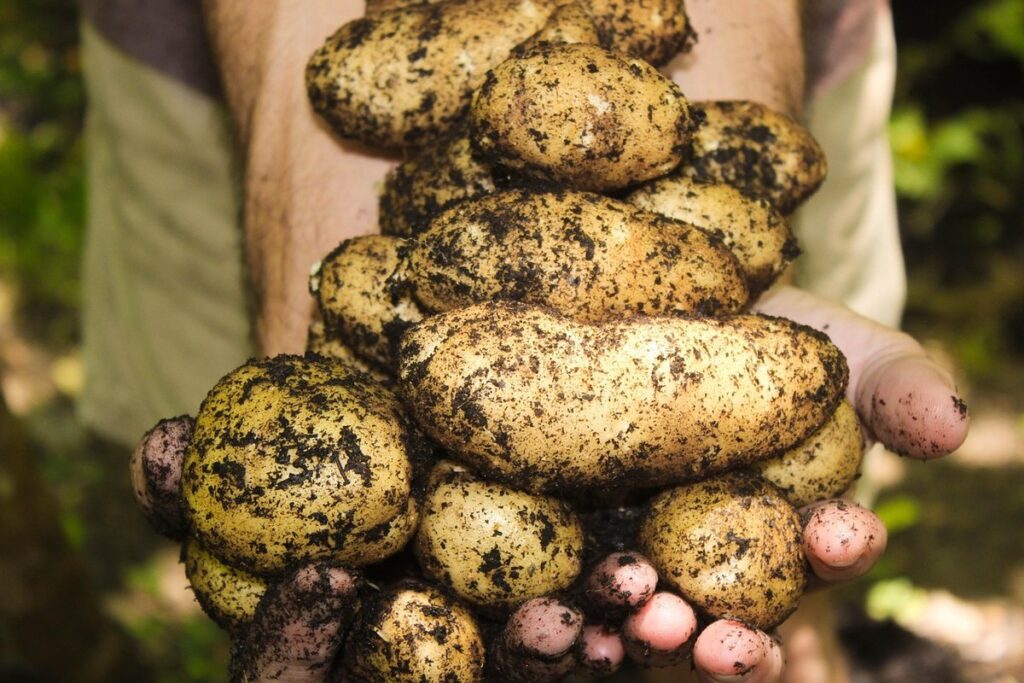
Understanding Organic Soil
So, what exactly is organic soil and how does it differ from regular garden soil? In this section, we’ll break down the basics of what makes organic soil so special.
Definition and Types of Organic Soil
Organic soil is at the heart of a thriving outdoor garden. To understand its significance, let’s start with its definition and types.
In simple terms, organic soil is made from natural ingredients that are biodegradable, such as compost, animal waste, peat moss, and worm castings. It doesn’t contain synthetic additives or chemicals like fertilizers and pesticides found in conventional soils.
There are several types of organic soil, but the two most popular ones are compost-based and worm casting-based. Compost-based soils are made from decomposed plant materials such as leaves, grass clippings, and food waste. This process breaks down complex organic matter into simpler nutrients that plants can easily absorb. Worm castings, on the other hand, are the nutrient-rich excrement of red wiggler worms. These tiny creatures consume decaying plant matter and excrete a concentrated liquid fertilizer.
When choosing an organic soil for your outdoor garden, consider the composition and type to ensure it aligns with your specific gardening needs. For example, if you’re growing vegetables or fruits that prefer acidic conditions, a compost-based soil may be more suitable.
Benefits of Organic Soil for Plants
When plants grow in organic soil, they reap numerous benefits that lead to improved health and robust growth. One of the primary advantages is enhanced root development. Organic matter like compost and manure creates a sponge-like environment around roots, allowing for better water absorption and retention. This results in healthier plant development, increased yields, and greater resistance to diseases.
Another significant benefit is increased fertility. As organic soil decomposes, it releases essential nutrients that plants can absorb. These nutrients promote healthy growth, encouraging leafy greens, flowers, and fruits to thrive. The absence of chemical fertilizers means no risk of burnout or toxicity for your plants. Furthermore, the microorganisms present in organic soil break down complex compounds into simpler forms, making them readily available to plants.
To harness these benefits, gardeners can incorporate compost, mulch, or manure into their soil blend. Aiming for a mix of 20-30% organic matter and maintaining adequate moisture will set your plants up for success.
Common Mistakes When Using Non-Organic Soils
Using non-organic soils can have severe consequences on your outdoor garden’s health and the environment. One of the primary concerns is contamination from synthetic additives, pesticides, and heavy metals that are often present in these types of soils. These contaminants can seep into the soil and groundwater, posing a significant risk to both plant growth and human consumption.
When non-organic soils are used, you may notice reduced plant health, stunted growth, and lower yields. This is because synthetic additives can disrupt the natural microbial balance in the soil, making it difficult for plants to absorb essential nutrients. Moreover, non-organic soils can also harbor diseases and pests that thrive on chemical-based amendments.
To avoid these issues, consider adopting organic gardening practices that prioritize natural soil regeneration and biodiversity. Instead of relying on non-organic soils, create your own compost using kitchen scraps and yard waste. This will not only enrich your soil with beneficial microorganisms but also reduce the need for synthetic fertilizers.
Preparing Your Garden for Organic Soil Transition
Before you start incorporating organic soil into your garden, it’s essential to prepare the existing soil to ensure a smooth transition and optimal growth. This involves assessing and modifying the current soil conditions.
Assessing Your Current Soil Condition
To transition to organic soil effectively, it’s crucial to assess your current soil condition. This involves determining its pH level, nutrient content, and structure.
Start by testing your soil pH using a DIY kit or sending a sample to a lab for analysis. Most plants prefer a slightly acidic to neutral soil pH (6.0-7.0). A pH meter can help you get an accurate reading. If your soil is too alkaline or acidic, it may be necessary to add amendments like peat moss or lime.
Next, evaluate your soil’s nutrient content by observing its color and texture. Dark brown or black soil indicates high organic matter levels, while light-colored soil suggests low nutrient availability. You can also use a soil test kit to measure nitrogen (N), phosphorus (P), and potassium (K) levels. These elements are essential for plant growth.
Observe your soil’s structure by digging a small hole. Well-draining, crumbly soil is ideal, while dense or waterlogged soil may require aeration or mulching. Consider consulting with local gardening experts or online resources to determine the best course of action based on your specific climate and region.
Removing Existing Chemicals and Compounds
When transitioning to organic soil, it’s essential to remove existing chemical residues from your garden. These chemicals can persist for years, affecting the health of your plants and potentially contaminating nearby water sources.
Before removing existing chemicals, test the soil to determine which ones are present. You can hire a professional or use DIY kits available at most gardening stores. Based on the results, prioritize removing pesticides, herbicides, and fertilizers, as they’re the most common contaminants.
To safely remove chemical residues:
* Stop using synthetic fertilizers and pesticides immediately
* Use cover crops to absorb excess nutrients and neutralize chemicals
* Apply organic amendments like compost or manure tea to balance soil pH and microbe levels
* Consider using physical methods like solarization (trapping sunlight to kill pathogens) or deep plowing (removing contaminated topsoil)
* Monitor your plants for signs of chemical stress, such as stunted growth or unusual coloration
Removing existing chemicals takes time and patience. Be prepared to make gradual changes over several seasons to ensure a healthy transition to organic soil.
Choosing the Right Organic Amendments
When transitioning to organic soil, choosing the right amendments is crucial to improve soil quality. There are numerous options available, and selecting the best ones can be overwhelming. Let’s start with some of the most effective and eco-friendly alternatives: manure tea and compost.
Manure tea, also known as liquid animal manure, is a nutrient-rich solution made by steeping animal waste in water. It’s an excellent option for gardens that require a quick boost of nutrients. To make manure tea at home, simply add 1-2 cups of dried animal manure to a bucket of water and let it steep for 24 hours. After straining the liquid, use it as a foliar spray or add it to the soil.
Compost is another essential amendment that helps improve soil structure and fertility. You can either purchase compost from local suppliers or create your own at home using kitchen scraps and yard waste. To make homemade compost, collect equal parts of “green” (nitrogen-rich) materials like food waste and “brown” (carbon-rich) materials like leaves. Mix them well, maintain adequate moisture, and turn the pile every week to ensure aeration.
When selecting organic amendments, remember that it’s essential to choose products certified by reputable organizations like OMRI or USDA-NOP. These certifications guarantee that the product meets stringent environmental and quality standards. Also, be mindful of the ingredients used in each amendment to avoid any potential harm to your plants or soil ecosystem.
Building a Healthy Ecosystem with Organic Soil
To build a thriving garden, it all starts with cultivating healthy soil. In this next part, we’ll explore how to create an ideal ecosystem using organic soil.
Microbial Life in Organic Soils
Microorganisms play a vital role in creating a thriving ecosystem in organic soils. These tiny life forms are responsible for breaking down complex organic matter into simpler nutrients that plants can absorb. Through decomposition, microorganisms like bacteria and fungi release essential nutrients such as nitrogen, phosphorus, and potassium that plants need to grow.
As these microorganisms work tirelessly behind the scenes, they also contribute to nutrient cycling, a process where nutrients are recycled from decomposed organic matter back into the soil. This continuous cycle ensures that your garden remains fertile and productive year after year. By maintaining a balance of beneficial microorganisms in your soil, you can expect improved soil structure, increased water retention, and enhanced plant growth.
To encourage microbial life in your organic soils, focus on incorporating compost, manure, or green waste into your gardening routine. These materials provide the perfect food source for microorganisms to thrive. Additionally, adopt a no-till or reduced-till approach to minimize soil disturbance, allowing these beneficial organisms to establish themselves more effectively.
Creating a Diverse Plant Community
Creating a diverse plant community is one of the most effective ways to improve soil fertility and promote biodiversity. When you plant a variety of species together, they begin to interact with each other and their environment in complex ways. Some plants have deeper root systems that bring up nutrients from lower soil layers, while others have shallow roots that prevent erosion.
This diversity also attracts beneficial insects like bees, butterflies, and ladybugs, which pollinate flowers and control pests naturally. A diverse plant community can even help to break disease cycles by introducing resistant species or those with natural defense mechanisms.
To create a diverse plant community in your outdoor garden, start by choosing plants that thrive in the same conditions as your main species. Consider companion planting, where certain plants are paired together for mutual benefit. For example, marigolds repel nematodes and attract beneficial insects, while comfrey acts as a fertilizer plant, adding nutrients to the soil.
By incorporating diverse plant species into your garden, you’ll not only improve soil fertility but also create a thriving ecosystem that requires less maintenance and supports local wildlife.
Encouraging Beneficial Insects and Wildlife
Creating an environment that attracts beneficial insects and wildlife is essential for maintaining a balanced ecosystem. When you use organic soil, you’re not only improving the health of your garden, but also creating a welcoming space for these vital components.
Organic soils have a natural structure that allows them to retain water and nutrients, making them an attractive food source for pollinators like bees and butterflies. These beneficial insects play a crucial role in plant reproduction, fertilization, and pest control. By incorporating organic amendments into your soil, you can increase the diversity of local wildlife.
To attract these beneficial creatures, try planting native flowers and herbs that provide nectar and pollen. Consider adding compost or worm castings to your soil, as they’re rich in nutrients and microorganisms. You can also create a bird-friendly environment by installing a birdbath or feeding station nearby. By incorporating these simple steps into your gardening routine, you’ll be well on your way to creating a thriving ecosystem that’s teeming with life.
Implementing Sustainable Practices with Organic Soil
To make the most of your organic soil, let’s explore how to effectively implement sustainable gardening practices that promote healthy soil and a thriving outdoor garden.
Composting: A Key Component of Organic Gardening
Composting is a fundamental aspect of organic gardening that allows you to break down waste and create nutrient-rich soil amendments. By converting kitchen scraps, yard trimmings, and other organic materials into compost, you can significantly improve the fertility and structure of your outdoor garden’s soil.
To get started with composting, choose a location for your pile or bin that is well-ventilated and easily accessible. Add a mix of “green” materials like food scraps, grass clippings, and fresh manure to provide nitrogen-rich nutrients. Balance these with “brown” materials such as dried leaves, straw, or shredded newspaper, which offer carbon-rich content.
Aim for a 2:1 ratio of brown to green materials and maintain the pile at around 50-60% moisture levels by sprinkling water regularly. You can also add microorganisms like worm castings or compost tea to speed up the decomposition process. After several weeks or months, depending on factors like temperature, carbon-to-nitrogen ratios, and aeration, your compost should be ready to use as a nutrient-rich soil amendment.
For example, adding 2-3 inches of compost around plant bases can increase yields by up to 20% while reducing the need for synthetic fertilizers. Consider creating a vermicomposting system using worms to break down food waste, which can produce high-quality castings in just a few weeks.
Mulching and Cover Cropping Strategies
When it comes to maintaining healthy organic soil, mulching and cover cropping are two essential strategies that can make a significant impact. Mulch acts as a barrier between the soil and extreme temperatures, preventing moisture loss during hot summer months and minimizing frost damage during winter. It also suppresses weeds by blocking light and preventing seed germination.
A 2-inch layer of organic mulch can retain up to 50% more water than bare soil, making it an effective tool for drought-prone areas. Consider using wood chips or bark as they are readily available and inexpensive. When applying mulch, keep a 6-inch gap between plants to prevent moisture buildup.
Cover crops, on the other hand, help regulate soil temperature by providing shade during hot months. They also add organic matter to the soil when incorporated. Plant cover crops like winter rye or hairy vetch in areas where you want to avoid weeds. As they grow, mow them back before flowering to make way for new growth and prevent seed production.
By implementing these strategies, you can significantly reduce your garden’s water consumption and minimize weed pressure.
Integrating Crop Rotation and Companion Planting
When you’re cultivating an outdoor garden using organic soil, it’s essential to integrate crop rotation and companion planting techniques. These practices not only contribute to maintaining healthy soil but also promote biodiversity.
Crop rotation is the process of alternating between different crops on a specific plot of land over time. This simple technique helps prevent soil depletion by breaking disease and pest cycles. For example, if you’re growing a heavy feeder like tomatoes one season, switch to a lighter feeder like lettuce or spinach for the next season. This allows your soil to rest and recover from nutrient exhaustion.
Companion planting involves pairing two or more plants together in order to enhance growth and prevent pests. Basil and tomatoes are an excellent example of this – the fragrance from basil repels pests that target tomato crops. In addition, certain plants like marigolds can help deter nematodes and other soil-dwelling pests. To incorporate crop rotation and companion planting into your garden, start by mapping out a four-year cycle for each plot. Divide the space into quadrants and rotate your crops accordingly. Experiment with different combinations of companion plants to find what works best for you, and don’t be afraid to try new pairings every season. By adopting these simple practices, you’ll be well on your way to creating a thriving, balanced ecosystem in your outdoor garden.
Challenges and Solutions for Organic Soil Maintenance
As you continue on your journey to creating a thriving outdoor garden, let’s dive into the common challenges you may face when maintaining organic soil. We’ll also explore practical solutions to overcome these obstacles.
Dealing with Pests and Diseases in Organic Gardens
Organic gardening is all about working with nature, not against it. However, this approach also means being proactive and taking steps to prevent pests and diseases from taking over your garden. When using organic methods, you’ll often find that a single issue can quickly spiral out of control if left unchecked.
Here are some effective strategies for keeping those unwanted visitors in check:
When it comes to pest control, neem oil is an excellent natural pesticide that can be used to deter a wide range of pests, from aphids and whiteflies to spider mites. It’s particularly useful as a preventative measure, applied before pests become a problem.
If you do encounter fungal diseases like powdery mildew or downy mildew, copper-based fungicides can help stop the spread of infection. These products contain trace amounts of copper, which is naturally occurring in soil and has antimicrobial properties.
To stay ahead of the game, keep an eye out for early signs of trouble and act quickly to address any issues that arise. This might involve introducing beneficial insects like ladybugs or lacewings, which prey on common garden pests, or using physical barriers to prevent disease-spreading fungi from spreading their spores. By staying vigilant and taking a proactive approach, you can create a balanced ecosystem in your organic garden where plants thrive and pests are kept under control.
Handling Nutrient Deficiencies and Imbalances
Identifying nutrient deficiencies and imbalances is crucial to maintaining healthy organic soil. One effective way to do this is by using organic soil testing methods. These tests can help you determine the pH level, nutrient content, and overall health of your soil.
When interpreting test results, look for signs of nutrient deficiencies such as stunted plant growth, yellowing leaves, or poor fruit production. Common nutrient deficiencies include nitrogen, phosphorus, potassium, and magnesium imbalances.
To address these issues, you can use organic amendments like compost tea, fish emulsion, or bone meal to replenish nutrients. For example, if your soil test shows a low pH level, add lime or dolomitic limestone to raise the pH.
It’s essential to note that over-fertilization is just as detrimental as under-fertilization. Be cautious when adding amendments and follow the recommended application rates to avoid harming your plants and disrupting the delicate balance of your ecosystem.
Practical tips for maintaining balanced nutrient levels include:
* Regularly testing your soil (at least once a year)
* Rotating crops to avoid depleting specific nutrients
* Maintaining a diverse ecosystem with cover crops and companion planting
Overcoming Common Challenges with Creative Solutions
When it comes to maintaining organic soil for outdoor gardens, several common challenges can arise. Poor drainage, compacted soils, and invasive weeds are just a few issues that gardeners often face. However, these problems don’t have to be insurmountable.
One innovative approach to addressing poor drainage is to create a layered system in your garden bed. Begin by adding a 2-3 inch layer of small rocks or gravel at the bottom. This allows excess water to drain freely without washing away nutrients and beneficial microorganisms. Next, add a 6-inch layer of organic matter like compost or well-rotted manure. This helps retain moisture while also improving soil structure.
To combat compacted soils, try incorporating cover crops into your rotation plan. These plants help break up the soil with their roots as they grow, making it easier to till and aerate. Regular mulching is another effective strategy – simply apply a 2-3 inch layer of organic material like wood chips or bark to suppress weeds and retain moisture.
For invasive weed control, adopt a proactive approach by applying a pre-emergent herbicide made from natural ingredients. These products create a barrier on the soil surface that prevents weed seeds from germinating in the first place. Alternatively, try using hand-weeding tools or manually removing weeds before they spread.
Conclusion: Cultivating a Sustainable Future with Organic Soil
As we conclude our exploration of organic soil, let’s dive into the vital steps you can take to ensure your garden is not only thriving but also contributing to a more sustainable future. By implementing these habits, you’ll be cultivating a healthier environment.
Recap of Key Takeaways
As you continue to cultivate a thriving outdoor garden, it’s essential to remember the key takeaways from our discussion on organic soil. Let’s recap the main points for easy reference:
First and foremost, organic soil is not just a choice, but a necessity for a sustainable future. By using natural methods of fertilization and pest control, you’re reducing your environmental footprint while promoting healthy plant growth.
We explored the importance of soil structure, discussing how organic matter improves water retention, aeration, and nutrient availability. This leads to healthier roots, increased resistance to diseases, and better overall plant performance.
Additionally, we highlighted the benefits of using cover crops, crop rotation, and composting to maintain soil fertility and prevent erosion. These practices not only enhance soil quality but also support biodiversity and promote ecosystem services.
To put these principles into action, start by assessing your current soil conditions and making adjustments accordingly. Incorporate organic matter through compost or well-rotted manure, and consider implementing cover crops or crop rotation in your garden design. By doing so, you’ll be taking a significant step towards creating a thriving, sustainable outdoor space that benefits both you and the environment.
Encouragement and Final Tips for Embracing an Organic Gardening Lifestyle
As you’ve reached the end of this journey into the world of organic soil for outdoor gardens, we hope you’re inspired to commit to sustainable gardening practices that will have a lasting impact on our planet. By choosing organic over synthetic methods, you’re not only improving the health of your garden but also contributing to a healthier environment.
Don’t be afraid to share your knowledge with fellow gardening enthusiasts and spread the word about the benefits of organic soil. You can start by hosting workshops or sharing tips on social media platforms. Not only will this help others adopt sustainable practices, but it’ll also keep you engaged and motivated to continue learning.
To stay ahead in the game, regularly update yourself on the latest developments in organic gardening. Follow reputable blogs, attend webinars, and participate in online forums to network with like-minded individuals. Some popular resources include the USDA’s National Organic Program and the Organic Trade Association, which offer valuable insights into best practices and industry advancements.
By embracing an organic gardening lifestyle, you’re part of a community that’s working together towards a more sustainable future. Keep growing, learning, and sharing your passion to inspire others and create a lasting impact on our planet!
Frequently Asked Questions
What is the ideal ratio of organic amendments to existing soil when transitioning my garden?
The ideal ratio varies depending on your specific situation, but a general rule of thumb is to start with a mix of 25-50% organic amendments and gradually increase as you observe improvements in soil structure and plant health. Keep in mind that it’s better to err on the side of caution and introduce amendments slowly to avoid shocking the existing ecosystem.
How can I ensure my plants receive sufficient nutrients during the transition period?
Yes, nutrient deficiencies are a common challenge when transitioning to organic soil. To mitigate this, implement companion planting strategies that promote symbiotic relationships between plants. For example, plant nitrogen-fixing legumes alongside nutrient-intensive crops like tomatoes and squash. Also, consider using liquid fish emulsion or other organic fertilizers as a supplement until your soil’s microbial life is established.
Can I use organic soil in containers, or does it only work for outdoor gardens?
Organic soil can be used in containers, but you’ll need to choose a mix specifically designed for container gardening. Look for a blend that retains moisture and structure well, such as those containing coconut coir or worm castings. Also, ensure your container has adequate drainage holes to prevent waterlogged conditions.
How often should I test my soil pH levels when using organic amendments?
It’s recommended to test your soil pH at least twice during the growing season: once after applying initial organic amendments and again about 4-6 weeks later. This will help you monitor any changes in pH levels and adjust your amendment strategy accordingly. Use a DIY kit or consult with a local nursery for advice on choosing the right testing tools.
Are there specific plants that I should avoid planting when transitioning to organic soil?
Yes, some plants are more sensitive to changes in soil chemistry than others. Avoid planting high-maintenance crops like lettuce and spinach during the transition period, as they may be more susceptible to nutrient deficiencies or pH fluctuations. Instead, focus on hearty, adaptable varieties like tomatoes, peppers, and cucumbers that can tolerate minor imbalances.